The Accidental Invention of Potato Chips - How a Kitchen Complaint Created One of the World’s Favorite Snacks
Potato chips - one of the world’s most popular snacks - were never planned as an invention. A frustrated chef’s attempt to satisfy a picky customer led to ultra-thin fried potatoes that turned unexpectedly crispy and irresistible. Here’s the fascinating story behind the accident, plus the cooking science that makes chips crunch perfectly.
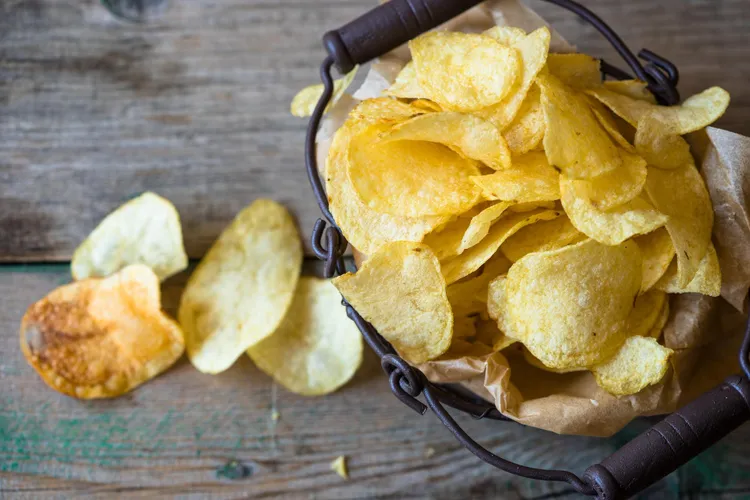
Potato chips weren’t invented in a food lab or designed by a snack company. They were reportedly created because a restaurant customer complained that fried potatoes were too thick.
One frustrated chef sliced the potatoes paper-thin out of spite - and accidentally changed global snack history.
Today, billions of bags later, potato chips are one of the most successful food accidents ever.
How Were Potato Chips Accidentally Invented?
Potato chips are widely believed to have been invented in 1853 in Saratoga Springs, New York, when chef George Crum sliced potatoes extremely thin and fried them after a customer repeatedly rejected thicker fried potatoes. Instead of ruining the dish, the thin slices turned crispy and popular, creating what became known as “Saratoga Chips.”
The real secret wasn’t luck - it was cooking science.
Why This Happens (The Simple Food Science Behind Crispy Chips)
Potatoes contain three important components:
-
Water
-
Starch
-
Natural sugars
Crispiness happens when moisture leaves the potato during frying.
Thin Slices Change Everything
When potatoes are sliced very thin:
-
Water escapes quickly in hot oil.
-
Starch gelatinizes and firms up.
-
The surface browns through the Maillard reaction - the chemical process responsible for roasted flavor.
The result?
A structure that’s dry, rigid, and crunchy instead of soft.
Thicker fries keep moisture trapped inside, which creates fluffiness. Chips remove that moisture almost completely.
That’s why potato chips snap while fries bend.
Why Frying Works Better Than Baking (Most of the Time)
People often ask:
Why are fried chips crispier than oven chips?
Oil transfers heat much faster than air.
Hot oil surrounds the potato evenly at around 175-190°C (350-375°F), rapidly evaporating water from the surface.
This creates:
-
Faster crust formation
-
Even browning
-
Less sogginess
Modern baked chips try to mimic this effect, but traditional frying still produces the most reliable crunch.
What Most People Get Wrong About Potato Chips
Myth 1: Chips Are Just Thin Fries
Not exactly.
Chips depend on:
-
Extremely even slicing
-
Proper starch removal
-
Controlled frying temperature
Without those steps, slices become greasy or chewy.
Myth 2: Any Potato Works the Same
Potato variety matters more than most people realize.
High-starch potatoes produce better chips because they contain less moisture.
Best choices:
-
Russet potatoes
-
Idaho potatoes
-
Maris Piper (common in Europe)
Waxy potatoes hold more water and tend to soften instead of crisp.
Myth 3: Oil Makes Chips Greasy
Greasy chips usually mean incorrect frying technique.
Oil absorption mostly happens when:
-
Oil temperature is too low.
-
Chips sit too long after frying.
-
Moisture remains trapped.
Properly fried chips actually absorb less oil than poorly fried ones.
Practical Cooking Tips: How to Make Better Potato Chips at Home
Making chips at home teaches you a lot about heat control and texture.
1. Slice Potatoes Very Thin and Even
Consistency matters more than thickness.
Best tool:
-
Mandoline slicer
Ideal thickness:
About 1-2 mm.
Uneven slices cook unevenly.
2. Rinse Away Surface Starch
This step is often skipped.
After slicing:
-
Soak potatoes in cold water for 10-20 minutes.
-
Rinse until water runs clear.
Why?
Removing excess starch prevents chips from sticking together and improves crispness.
3. Dry Completely Before Frying
Water and hot oil don’t mix.
Pat slices dry using:
-
Kitchen towels
-
Paper towels
Moisture lowers oil temperature and causes splattering.
4. Fry in Small Batches
Overcrowding causes temperature drops.
When oil cools:
-
Chips absorb oil.
-
Crisping slows down.
Professional kitchens fry small amounts for consistent results.
5. Salt Immediately After Frying
Salt sticks best when chips are hot and slightly oily.
Waiting too long means uneven seasoning.
Common Homemade Chip Mistakes (And Quick Fixes)
Chips Turn Brown Too Fast
Cause:
Oil too hot or potatoes high in sugar.
Fix:
Lower temperature slightly or rinse longer.
Chips Are Soft After Cooling
Cause:
Residual moisture.
Fix:
Fry slightly longer or double fry briefly.
Chips Taste Oily
Cause:
Oil below frying temperature.
Ideal frying range:
175-185°C (345-365°F).
Chef or Kitchen Insight: The Double-Fry Secret
Many professional kitchens quietly use a version of double frying.
Here’s why it works.
First Fry
Lower temperature removes internal moisture.
Second Fry
Higher heat creates final crispness.
Even potato chip manufacturers use controlled multi-stage frying systems for this reason.
Another professional trick?
Rest chips on racks instead of paper towels.
Steam escapes instead of getting trapped underneath - keeping chips crisp longer.
Why Potato Chips Became So Popular So Fast
The invention happened at the perfect moment in food history.
Several things helped chips spread quickly:
-
Rail travel allowed distribution.
-
Potatoes were cheap and widely grown.
-
Shelf stability improved snack storage.
-
Later packaging innovations prevented moisture exposure.
Once sealed bags were introduced in the early 20th century, chips became a portable snack.
Crunch became a business model.
Fun Bonus Fact
Early potato chips were considered a restaurant delicacy - not junk food.
“Saratoga Chips” were served in upscale dining rooms before mass production turned them into everyday snacks.
Even more surprising?
The signature crunch people love today is partly psychological. Studies show louder crunch sounds actually make food taste fresher to our brains.
Sound affects flavor perception.
Related Questions People Often Ask
Why Do Potato Chips Stay Crispy in Bags?
Commercial chips are sealed in nitrogen gas instead of air.
This prevents:
-
Oxidation
-
Moisture absorption
-
Staleness
The puffed bag also protects chips from breaking.
Why Do Homemade Chips Taste Different?
Fresh frying oil and lack of preservatives create a stronger potato flavor.
Industrial chips prioritize consistency and shelf life.
Homemade versions often taste richer but spoil faster.
Can You Make Chips Without Deep Frying?
Yes.
Options include:
-
Air fryer chips
-
Oven-baked slices
-
Microwave chips
However, achieving identical crunch requires careful drying and thin slicing.
A Complaint That Changed Cooking Forever
The accidental invention of potato chips highlights something important about cooking.
Innovation often comes from experimentation - or frustration.
A simple adjustment in slicing transformed an ordinary potato into a completely new texture experience.
For home cooks, the lesson is powerful:
Technique matters more than ingredients.
Understanding heat, moisture, and starch can turn everyday foods into something unforgettable.
And sometimes, the best recipes begin as mistakes.
Key Takeaways
-
Potato chips were reportedly invented in 1853 after a customer complaint about thick fried potatoes.
-
Thin slicing allows moisture to escape quickly, creating crisp texture.
-
High-starch potatoes produce the best chips.
-
Proper oil temperature prevents greasy results.
-
Rinsing and drying potatoes greatly improves crispiness.
-
Double frying can create restaurant-level crunch.
-
Crunchiness is influenced by both cooking science and sound perception.
-
Many iconic foods began as kitchen accidents driven by experimentation.
Latest