Preserved Lemons: The Fermented Citrus That Transforms North African Cooking
The lemon that stopped being a lemon - and how to use it across twelve preparations that cannot be replicated with fresh citrus
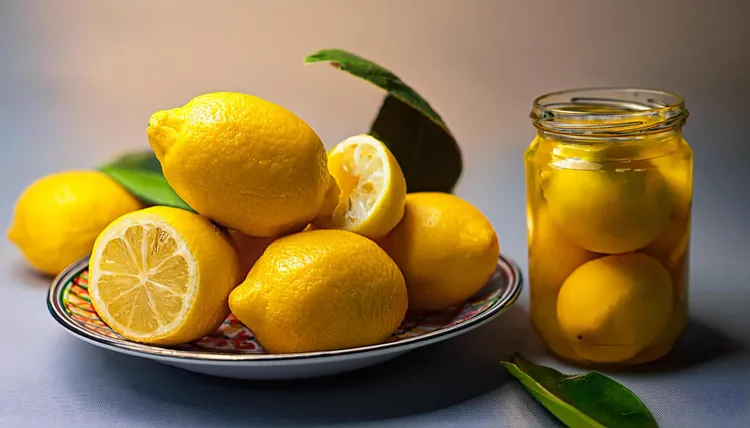
Preserved lemons are lemons that have been transformed by fermentation. They start as fresh lemons - packed in salt, left for four weeks at room temperature - and emerge as something categorically different: deeply fragrant, soft throughout, slightly salty and slightly sour, with a complex, almost floral citrus quality that fresh lemon cannot produce.
The specific transformation is lactic acid fermentation. The same process that produces sauerkraut and kimchi acts on the lemon's surface bacteria, breaking down the pectin in the rind, mellowing the bitterness of the white pith, and concentrating the essential oils of the zest into something more complex and more integrated than the sharp brightness of fresh zest. The result is a lemon that smells more like lemon than fresh lemon - but tastes like something that fresh lemon has never been.
This is why preserved lemons cannot be replaced by fresh lemon in recipes that call for them. They are not the same ingredient in a different form. They are a different ingredient that shares an origin.
What Preserved Lemons Are: The Production
Preserved lemons (called hamad m'rakad in Moroccan Arabic) are made by one of two methods:
Salt-packed method (traditional): Quarter lemons most of the way through (leaving them attached at the base), pack the cuts generously with coarse sea salt, press into a jar tightly, add the juice of additional lemons to cover, and leave at room temperature for 4 weeks minimum. The lemons ferment in their own juice and the salt.
Brine method (faster): Pack quartered lemons in a jar with coarse salt and enough lemon juice to cover. Some recipes add water to extend the brine. Ready in 3-4 weeks.
The citrus: Unwaxed lemons are essential - the wax on commercially sold lemons inhibits the fermentation and prevents the proper softening of the rind. Meyer lemons (if available) produce an exceptionally fragrant preserved lemon with a thinner skin and more complex flavour.
Making your own: 30 minutes of active work, 4 weeks of patience. The instructions below. This is one of the Fermentation collection's methods - see the Fermentation & Gut Health at Home collection for the broader context of fermented preservation.
How to Make Preserved Lemons at Home
Makes 1 × 500ml jar | Active time: 15 minutes | Fermentation: 4 weeks minimum
Ingredients:
- 6-8 unwaxed lemons (small to medium, thin-skinned if possible)
- 100g coarse sea salt (non-iodised - iodine inhibits fermentation)
- Juice of 4-6 additional lemons (enough to submerge the packed lemons)
- Optional additions: 1 cinnamon stick, 3-4 dried chili flakes, 2-3 bay leaves, coriander seeds
Method:
- Sterilise a 500ml glass jar.
- Quarter each lemon from the top almost to the base - do not cut through completely. Keep the lemon attached at the base.
- Pack each quartered lemon generously with salt - approximately 1 tbsp of coarse salt per lemon, packed into the cuts.
- Push the packed lemons tightly into the jar, squeezing them as you go. They will begin releasing juice immediately.
- Pour additional lemon juice over the packed lemons until they are completely submerged. All lemon surfaces must be below the brine.
- Add optional aromatics if using.
- Seal the jar and leave at room temperature for 4 weeks minimum. Turn the jar upside down once a day for the first week to redistribute the brine and salt.
The lemons are ready when the rind is completely soft and translucent throughout - pressing a piece of rind between your fingers should produce no resistance. The brine will be slightly cloudy (normal, from lactic acid fermentation) and strongly fragrant.
Storage: Refrigerate after opening. Preserved lemons keep refrigerated for up to 1 year. The lemons continue to develop and deepen in flavour for the first few months.
How to Use Preserved Lemons: The Technique
Only the rind is used in most preparations. The pulp (the flesh and juice inside the rind) is very salty and usually discarded or used in small amounts to season a cooking liquid.
The preparation:
- Remove a quarter of a preserved lemon from the jar.
- Rinse briefly under cold water - this removes excess surface brine.
- Scrape away the pulp and pith with a knife.
- Finely chop or julienne the rind.
The quantity used is always smaller than you expect - preserved lemon rind is intensely flavoured. Start with ¼ of a preserved lemon per dish serving 4, and increase to taste.
12 Applications
1. Moroccan Chicken Tagine (Djej M'chermel)
The most famous preserved lemon preparation - the dish most people make when they first buy a jar. Braised chicken with olives, onion, coriander, cumin, ginger, and preserved lemon in a deeply fragrant sauce. The preserved lemon provides the citrus backbone of the dish - the sourness, the floral complexity, the specific aromatic quality that cannot be achieved with fresh lemon juice.
The rind is added early in the cooking process, where it softens into the sauce and its essential oils perfume the entire preparation. A quarter of a preserved lemon per serving is standard.
2. Chermoula (Moroccan Herb Marinade)
Chermoula is the Moroccan equivalent of chimichurri or gremolata - a herb-based sauce and marinade used on fish, chicken, and vegetables. Preserved lemon is one of its defining components.
Quick chermoula:
- 1 large bunch coriander + 1 bunch parsley, roughly chopped
- 3 cloves garlic
- 1 tsp cumin
- 1 tsp smoked paprika
- ½ tsp chili flakes
- Rind of ½ preserved lemon, finely chopped
- Juice of 1 lemon
- 4 tbsp olive oil
- Salt
Blend or pound to a rough paste. The preserved lemon rind provides a complexity that fresh lemon cannot - its fermented, slightly floral quality integrates with the fresh herbs in a way that raw lemon zest does not.
3. Salad Dressings
Finely chopped preserved lemon rind in a vinaigrette replaces both the lemon juice and the salt, providing a more complex, more integrated acidity than either separately.
Preserved lemon vinaigrette: ½ tsp finely chopped preserved lemon rind + 3 tbsp olive oil + 1 tbsp white wine vinegar + 1 tsp honey. No additional salt needed - the preserved lemon is already salty.
4. Pasta and Grain Dishes
A teaspoon of finely chopped preserved lemon rind stirred into a pasta dish at the end of cooking - spaghetti with olive oil and garlic, orzo with herbs and feta, risotto with asparagus - adds a depth and citrus complexity that fresh lemon cannot achieve. The preserved lemon is already integrated; it doesn't add a sharp hit of citrus but a pervasive, underlying brightness.
See the One-Pan Orzo recipe - preserved lemon rind in place of or alongside fresh lemon zest produces a noticeably more complex result.
5. Hummus Variation
Add ½ tsp of finely chopped preserved lemon rind to a batch of hummus at the blending stage. The preserved lemon adds a depth and a specific floral citrus quality that plain lemon juice cannot. It is one of the subtlest and most effective hummus variations.
6. Fish and Seafood
Preserved lemon is one of the great pairings for fish - the fermented citrus cuts through the richness of oily fish (salmon, mackerel, sardines) and adds complexity to delicate white fish without overwhelming it.
Simple application: Finely slice preserved lemon rind and place inside a whole fish alongside herbs before roasting. Or make a compound butter (preserved lemon rind + butter + parsley) and place on top of grilled fish fillets immediately after cooking.
7. Roasted Vegetables
Toss root vegetables or Mediterranean vegetables (fennel, courgette, aubergine, cauliflower) with olive oil, herbs, and ½ tsp finely chopped preserved lemon rind before roasting. The rind caramelises slightly in the oven heat and its essential oils bloom into the vegetables.
8. Chicken Breast or Grilled Chicken
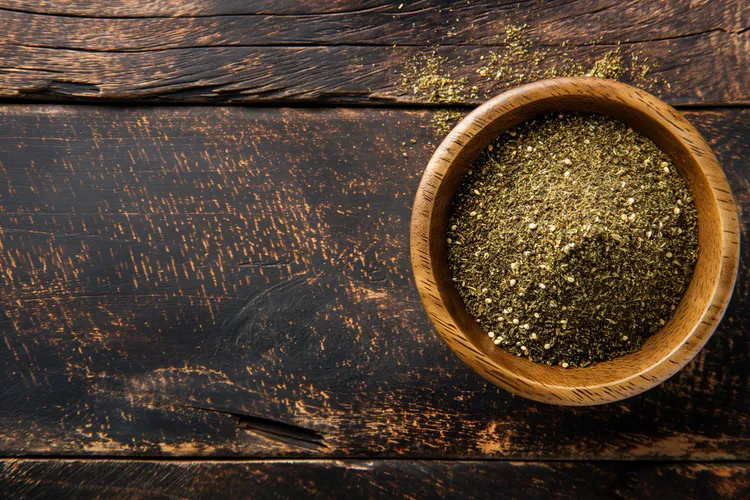
The simplest preserved lemon application: combine 1 tbsp olive oil + ½ tsp finely chopped preserved lemon rind + 1 tsp za'atar (from the Za'atar post) + 1 clove minced garlic. Rub over chicken breasts or thighs. Grill or roast.
The combination of preserved lemon and za'atar is one of the Levantine cooking's most effective flavour pairings - both are complex and aromatic; together they produce something more than either alone.
9. Mashed Potato or Cauliflower Puree
A completely unexpected but consistently successful application: ½ tsp of finely chopped preserved lemon rind stirred into mashed potato or puréed cauliflower at the end of preparation. The fermented citrus adds a brightness and complexity to a dish that is usually defined by richness. The application is subtle - the preserved lemon is not identifiable, it simply makes the mash taste more complete.
10. Grain Salads
Preserved lemon rind is one of the best additions to a couscous, farro, or bulgur wheat salad. Unlike fresh lemon, which can make grain salads soggy if added too generously, preserved lemon rind adds depth without moisture. Combine with fresh herbs, olive oil, and any vegetables in season.
11. The Rind in Cocktails
A small piece of preserved lemon rind as a cocktail garnish - or a sliver dissolved into a gin and tonic or a Negroni-style cocktail - adds a complexity and salinity that distinguishes it from a standard lemon twist. The fermented quality of the rind complements the botanical notes of gin particularly well.
12. The Brine as a Seasoning Liquid
The liquid in the preserved lemon jar - salty, intensely lemony, slightly fermented - is an extraordinarily useful seasoning liquid. Use it in place of salt + lemon juice when seasoning:
- Salad dressings (1 tsp of brine replaces a pinch of salt + a squeeze of lemon)
- Pasta cooking water (add 1 tbsp to the pasta water for a subtle flavour boost)
- Marinades
- Any sauce that needs both salt and citrus
Pro Tips
- Only the rind. The pulp of a preserved lemon is very salty and should be discarded or used in tiny quantities to season cooking liquid. The rind is the ingredient.
- Use less than you think. Preserved lemon rind is intensely flavoured - ¼ of a lemon per dish serving 4 is a standard starting point. Taste before adding more.
- No additional salt when using preserved lemon. Account for the saltiness of the rind - dishes seasoned with preserved lemon may need less or no additional salt.
- Make your own. It takes 15 minutes and 4 weeks - the most passive cooking project in this collection. Shop-bought preserved lemons are good; homemade, made with unwaxed lemons and quality salt, are excellent.
FAQ
Q: Why can't I just use fresh lemon zest instead?
The fermentation process produces compounds in the preserved lemon rind (including lactic acid, fermentation esters, and modified essential oil compounds) that fresh lemon zest simply doesn't contain. The flavour is categorically different - more complex, more integrated, less sharp. In recipes where preserved lemon is a primary flavour (tagine, chermoula), fresh lemon zest produces a noticeably inferior result.
Q: Where do I buy preserved lemons?
Most major supermarkets now carry preserved lemons in the condiments or World Foods section (Waitrose, M&S, Sainsbury's, Whole Foods). Middle Eastern and North African grocery stores carry them at lower prices and often higher quality. Or make your own - it is genuinely simple.
Q: My preserved lemons have a white powdery residue on them. Is this safe?
Yes - the white residue is crystallised salt, not mould. It is harmless. Rinse before using. Actual mould (fuzzy, green, or black growth) is a sign that the lemons were not fully submerged in brine during fermentation. Discard any lemon with visible mould, but check the others - well-submerged lemons in the same jar are usually fine.
🔗 Related Ingredient Deep Dives
- Sumac: The Tangy Red Spice That Replaces Lemon in Middle Eastern Cooking
- Za'atar: The Herb-and-Spice Blend That Belongs on Every Table
- Tahini: The Sesame Paste That Makes Everything Better
- Pomegranate Molasses: The Middle Eastern Syrup That Belongs in Every Kitchen
- From the Fermentation collection: Fermentation & Gut Health at Home: The Ultimate Guide
- World Cuisines in Your Pantry: The Ingredient Deep Dives
Latest