The Best Breakfast Foods to Pair with Coffee for Peak Morning Energy
Your coffee is only as good as what you eat with it.
That's not hyperbole - it's biochemistry. The best breakfast foods to pair with coffee work in sync with caffeine to extend your alertness, smooth out the stimulant curve, and keep your blood sugar from tanking by mid-morning.
Most people treat breakfast and coffee as two separate decisions. The ones who nail their mornings treat them as one.
Why Food and Coffee Pairing Actually Matters
Caffeine has a half-life of roughly 5-6 hours, but how it feels depends heavily on what's in your stomach. High-glycemic foods (pastries, sugary cereals) spike blood glucose fast - and when that spike crashes, caffeine can't save you. Meanwhile, protein and fiber slow everything down, creating a smooth, sustained release.
Think of food as the chassis your coffee rides on.
Top Breakfast Pairings with Coffee
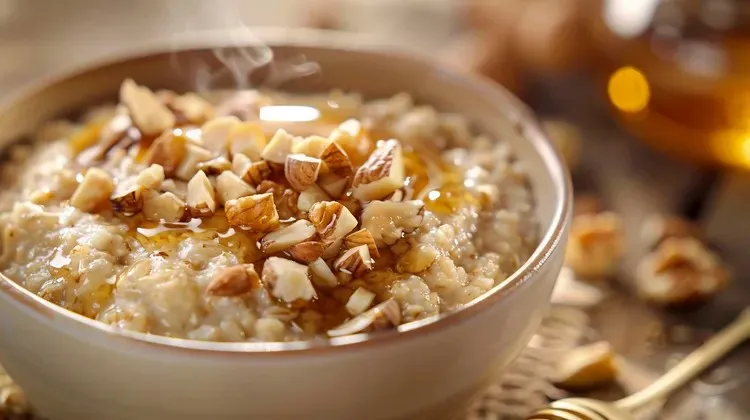
Oats + Black Coffee
The gold standard pairing. Beta-glucan fiber in oats slows digestion and moderates caffeine absorption. Black coffee keeps the pairing clean - no added sugar to disrupt the blood glucose balance.
Why it works: Oats neutralize stomach acid, prevent jitters, and extend the alertness window of caffeine by 30-60 minutes for most people.
Eggs + Americano
Protein-rich eggs paired with the moderate caffeine of an Americano is one of the most balanced morning combinations you can have. The leucine and choline in eggs support brain function that caffeine boosts - they're working toward the same goal.
Scrambled, poached, or soft-boiled all work equally well.
Whole Grain Toast + Flat White
The slow-burning carbohydrates in whole grain toast complement the milk fats in a flat white or latte. The fat in the milk itself slows caffeine absorption slightly - pairing with complex carbs extends that effect.
Add a thin layer of nut butter and you've added protein and healthy fat to the equation.
Greek Yogurt + Cold Brew
Cold brew is less acidic than regular drip coffee, making it a natural partner for probiotic-rich Greek yogurt. The gut-supportive bacteria in yogurt benefit from not being washed out by high-acid coffee.
Top the yogurt with seeds or granola (low sugar) for added fiber.
Avocado Toast + Espresso
The healthy monounsaturated fats in avocado slow gastric emptying and buffer the fast-acting jolt of espresso into something more gradual and sustained. This is a particularly good pairing for people who are caffeine-sensitive.
🔗 Back to the full guide: Foods to Eat Before Your Morning Coffee
Pairings to Avoid
- Croissant + cappuccino - The high saturated fat and refined carbs in a croissant spike insulin fast, while the dairy in a cappuccino already slows digestion. Combined, this often leads to sluggishness rather than alertness.
- Orange juice + any coffee - Double acid assault on your stomach. Not worth it for most people.
- Sugary cereal + latte - The sugar load overrides any benefit the coffee provides.
Pro Tip: The 80/20 Breakfast Rule
80% of your pre-coffee plate should be protein, healthy fat, or fiber. Only 20% (if any) should be simple carbohydrates. This ratio gives your body what it needs without triggering the insulin-caffeine crash cycle.
FAQ
Q: What should you not eat with coffee in the morning?
A: Avoid high-sugar, high-refined-carb foods like pastries, sweetened cereals, and fruit juice. These cause blood sugar spikes that crash hard - and caffeine can't counteract that.
Q: Does eating with coffee reduce caffeine effects?
A: It moderates the speed of absorption, not the total caffeine effect. You get the same amount of caffeine - just delivered more smoothly, with less chance of jitters or a crash.
Q: What's the best food to eat if you only drink one coffee a day?
A: Make that one coffee count by pairing it with oats or eggs. Both extend the alertness window and reduce the crash that often follows a single caffeine dose.
Related Reading:
Latest