Many people think great recipes come from precision and planning.
But food history tells a different story.
Some of the most loved foods on earth exist because something went wrong - an ingredient ran out, cooking went too far, or someone experimented without realizing the result would become iconic.
Understanding these accidents also teaches an important cooking lesson: flavor often appears when chemistry surprises us.
What Foods Were Invented by Mistake?
Many famous foods were created accidentally when cooks experimented or solved unexpected problems. Well-known examples include potato chips, chocolate chip cookies, ice cream cones, cornflakes, and even champagne. In most cases, a cooking error triggered chemical changes that created better texture or flavor.
Mistakes didn’t ruin the food - they improved it.
Why This Happens
Cooking constantly changes ingredients through heat and reactions.
Small changes can produce completely new results.
Common accidental breakthroughs happen because of:
-
Browning reactions
-
Fermentation
-
Moisture loss
-
Sugar caramelization
-
Protein structure changes
The Maillard Reaction: The “Happy Accident” Machine
One of the biggest reasons mistakes taste good is the Maillard reaction.
When heat meets proteins and sugars:
-
New flavor compounds form.
-
Aromas intensify.
-
Color deepens.
This reaction explains why over-toasted bread becomes toast - and why thin fried potatoes became potato chips.
Sometimes cooking slightly past expectation unlocks flavor.
Famous Foods That Were Invented by Accident
Potato Chips
One of the most famous kitchen accidents happened in 1853.
A chef reportedly sliced potatoes extremely thin after a customer complained about thick fries. Instead of ruining the dish, frying created crisp, addictive chips.
Science lesson:
Thin slices lose moisture quickly, creating crunch.
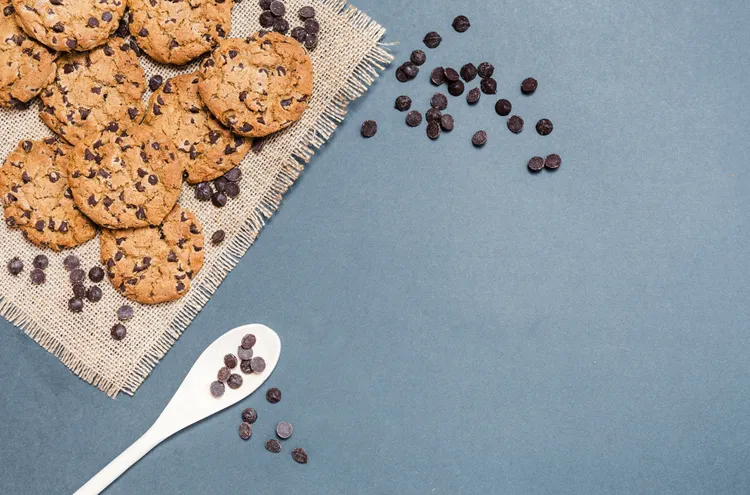
Chocolate Chip Cookies
Chocolate chip cookies weren’t meant to exist.
A baker added chopped chocolate pieces expecting them to melt completely into dough.
They didn’t.
Chocolate holds shape because cocoa butter melts differently than baking chocolate mixtures.
Result:
Soft cookies with pockets of melted chocolate.
A global dessert was born.
Ice Cream Cones
During a crowded food fair in the early 1900s, an ice cream vendor reportedly ran out of serving dishes.
A nearby waffle vendor rolled warm waffles into cones to help serve customers faster.
Convenience created innovation.
The cone solved portability - not flavor - but became inseparable from ice cream culture.
Cornflakes
Cornflakes began as a cooking mistake during experiments with grain-based health foods.
Cooked wheat dough was accidentally left sitting too long.
When rolled, it formed flakes instead of sheets.
Toasted flakes turned crisp and shelf-stable.
Texture innovation changed breakfast forever.
Champagne
Even luxury foods can come from accidents.
Early French winemakers tried to prevent bubbles in wine.
Cold weather stopped fermentation temporarily.
When fermentation restarted inside bottles, carbon dioxide became trapped.
The result?
Sparkling wine.
A production problem became celebration culture.
Popsicles
One of the simplest food accidents happened when flavored soda water was left outside overnight with a stirring stick inside.
Freezing temperatures turned it into a frozen treat.
Sometimes invention really is forgetting something outdoors.
What Most People Get Wrong About Cooking Mistakes
Myth 1: Mistakes Always Ruin Food
Many cooking discoveries happen just beyond the intended result.
Slight burning, extra fermentation, or unexpected texture can improve flavor.
Professional kitchens constantly test boundaries.
Myth 2: Recipes Must Be Followed Exactly
Recipes are guides, not strict rules.
Understanding cooking processes matters more than memorizing measurements.
Experienced cooks adjust constantly.
Myth 3: Accidents Are Pure Luck
Most successful accidents worked because cooks recognized potential instead of throwing food away.
Observation matters.
Curiosity turns mistakes into recipes.
Practical Cooking Tips: How to Turn Kitchen Mistakes Into Wins
Home cooks accidentally discover improvements all the time.
Here’s how professionals approach it.
1. Taste Before Throwing Food Away
Slight overcooking sometimes improves flavor.
Examples:
-
Roasted vegetables caramelize deeper.
-
Toasted nuts develop complexity.
-
Reduced sauces intensify naturally.
Always taste first.
2. Control Heat Instead of Panic Adjusting
Many cooking mistakes happen from sudden temperature changes.
Better approach:
-
Lower heat gradually.
-
Add moisture if needed.
-
Stir instead of restarting.
Small fixes save dishes.
3. Learn the Power of Texture Changes
Unexpected textures can become new dishes.
Examples:
-
Overcooked rice → fried rice.
-
Split sauce → pasta bake.
-
Stale bread → croutons or breadcrumbs.
Restaurants waste less because they repurpose creatively.
4. Understand Ingredient Substitutions
Some famous foods started because ingredients ran out.
Smart swaps include:
-
Yogurt instead of buttermilk.
-
Butter instead of oil in baking.
-
Stock instead of water.
Knowing ingredient roles helps experimentation succeed.
Common Cooking Mistakes That Can Actually Improve Food
Sometimes mistakes lead somewhere interesting.
Examples:
-
Slightly burnt sugar → caramel depth.
-
Extra fermentation → sourdough flavor.
-
Longer roasting → sweeter vegetables.
-
Reduced soups → richer taste.
Cooking rewards patience and attention.
Why Professional Kitchens Encourage Experimentation
Many restaurant dishes begin during staff meals or testing sessions.
Chefs often ask:
“What happens if we cook this longer?”
or
“What if we combine these leftovers?”
Innovation frequently comes from problem-solving under pressure.
Another professional habit?
Keeping notes.
When something unexpectedly tastes great, chefs record timing and temperature immediately.
Accidents become repeatable techniques.
Why Accidental Foods Spread So Quickly
Successful food accidents usually solve problems.
They often improve:
-
Convenience
-
Texture
-
Shelf life
-
Transportability
Potato chips travel well.
Cornflakes store easily.
Ice cream cones eliminate dishes.
The best food inventions make eating easier.
Fun Bonus Fact
Microwave ovens themselves were discovered accidentally when a scientist noticed a chocolate bar melting in his pocket during radar experiments.
Later, microwave cooking transformed how millions of people prepare meals daily.
Sometimes food innovation starts far outside the kitchen.
Mistakes Are One of Cooking’s Greatest Teachers
Food history proves something reassuring for home cooks.
Perfect cooking isn’t always the goal.
Exploration, curiosity, and occasional mistakes often lead to better results than strict control.
Many iconic foods exist because someone noticed potential instead of failure.
The next time something unexpected happens in your kitchen, it might not be a mistake at all - it could be your best recipe waiting to happen.
Key Takeaways
-
Many famous foods were invented accidentally during cooking experiments or problems.
-
Potato chips, chocolate chip cookies, cornflakes, and champagne all began as mistakes.
-
Cooking chemistry often rewards heat, browning, and fermentation changes.
-
Successful cooks taste and evaluate before discarding food.
-
Texture changes can inspire entirely new dishes.
-
Professional kitchens often innovate through experimentation.
-
Understanding ingredient roles helps turn accidents into improvements.
-
Some of the world’s best foods exist because someone embraced the unexpected.