Fish Sauce: The Fermented Condiment That Makes Everything Savourier
The bottle most people buy once and use timidly - and the twelve applications that make it one of the most useful things in any kitchen
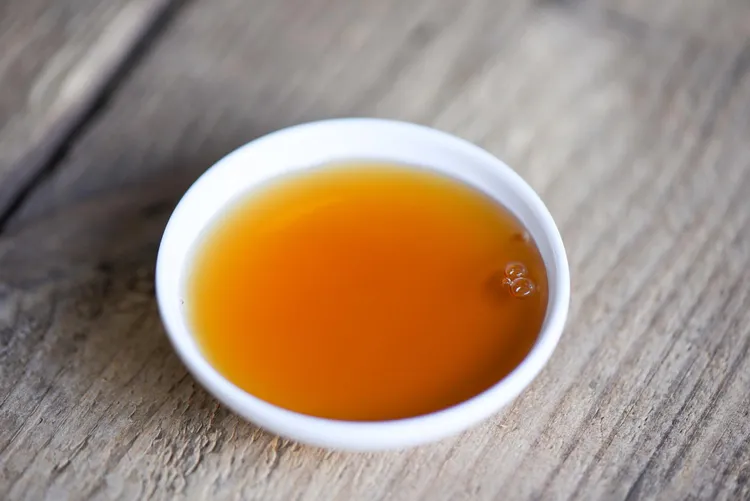
Fish sauce has a reputation problem that is entirely caused by smelling it from the bottle. The smell is strong, pungent, and aggressively marine - the smell of fermented fish and salt at high concentration. It is not an appealing smell. And it is profoundly misleading about what fish sauce does in cooking.
Fish sauce cooked into a dish - added to a stir-fry, stirred into a sauce, used in a dressing - does not taste fishy. It tastes of depth. Of the specific background savouriness that distinguishes pad thai from noodles, that distinguishes Vietnamese pho from beef broth, that distinguishes Thai green curry from a bowl of coconut milk and paste. Fish sauce is the invisible ingredient - the one whose presence you cannot identify but whose absence you immediately notice.
The mechanism is the same as the reason aged Parmesan tastes more complex than young cheese, the reason miso makes pasta taste better, the reason Worcestershire sauce goes in a Bloody Mary. Fish sauce is one of the highest natural concentrations of glutamic acid available - one of the primary umami compounds - and that glutamic acid, added in small quantities to any savoury dish, increases the perception of every other flavour in the dish. It does not add fishiness. It adds amplification.
This guide explains what fish sauce is, why the smell is deceptive, and twelve specific applications across Southeast Asian and far-beyond-Southeast-Asian cooking.
What Fish Sauce Is: The Production and the Chemistry
Fish sauce is made from fish (typically small, oily fish - anchovies, sardines, krill) packed in salt at a ratio of approximately 3:1 fish to salt, then left to ferment in covered vats for anywhere from 6 months to 3 years. During fermentation, the fish's own enzymes (autolysis) and bacteria break down the proteins into amino acids - including glutamic acid, aspartic acid, and dozens of other flavour-active compounds - and the fats into fatty acids. The solid material is then pressed and the liquid filtered into the final product.
The smell vs. the taste: The compounds responsible for fish sauce's pungent smell (trimethylamine, various volatile amines) are largely volatile - they evaporate rapidly when fish sauce is exposed to heat or diluted in a larger preparation. What remains are the non-volatile compounds: the glutamates (umami), the salt, and a residual sweetness from the fermentation process. This is why fish sauce cooked into a dish produces depth rather than fishiness.
The salt content: Fish sauce is very high in sodium - approximately 1,200-1,500mg per tablespoon, similar to soy sauce. In most applications, it replaces rather than supplements salt. Use it in place of salt, not in addition to it.
The Quality Spectrum
Fish sauce quality varies significantly, and the difference matters for how it is used.
Grade 1 (first pressing / extra virgin fish sauce): Made from the first pressing of the fish-salt mixture after fermentation. The highest concentration of amino acids, the most complex flavour, the darkest colour. Best for finishing applications - added at the table, stirred in at the end of cooking, used in dressings.
Lower grades: Subsequent pressings, progressively more diluted. Still functional for cooking applications. Most commercially available fish sauce is second or third press.
Recommended brands:
- Red Boat 40°N (Vietnamese, first press) - considered the gold standard by many cooks; 40°N refers to the protein content, indicating a high-quality first pressing
- Tiparos (Thai) - reliable, widely available, good for everyday cooking
- Megachef (Thai) - another reliable option
- Squid Brand (Thai) - affordable and widely available; a solid everyday fish sauce
Storage: Fish sauce keeps indefinitely in a cool, dark place. Refrigeration is not necessary but extends flavour quality. The salt content is its own preservative.
12 Applications
1. Pad Thai
The most famous fish sauce application - and the one that demonstrates most clearly what fish sauce does that nothing else can. Pad Thai without fish sauce is a bowl of stir-fried noodles with peanuts. With fish sauce, it is a specific, unmistakable dish.
The standard pad thai seasoning: 3 tbsp fish sauce + 2 tbsp tamarind concentrate + 1 tbsp sugar, combined and added to the stir-fry. The fish sauce provides salt and umami; the tamarind provides sourness; the sugar balances. See the full recipe in the Global Street Food collection.
2. Vietnamese Pho Seasoning
The complex broth of Vietnamese pho (beef or chicken) is built on a long-simmered stock - and fish sauce is added at the table and sometimes into the broth as a seasoning that amplifies everything. The tableside condiment tray for pho - hoisin sauce, sriracha, fish sauce, fresh lime, fresh chili - is the instruction manual for fish sauce seasoning: add a few drops to your bowl, taste, adjust.
3. Thai Green and Red Curry
Fish sauce is the primary seasoning in Thai curries - it provides the salt and the background depth that coconut milk alone cannot. Most Thai curry recipes use 2-3 tbsp of fish sauce per batch (serving 4), added near the end of cooking.
The substitution of soy sauce in Thai curries (for a vegan version) produces a different but acceptable result. Fish sauce, however, produces the specific flavour of Thai curry as it exists in Thailand. See the vegan alternative section below for the best plant-based substitute.
4. In Pasta Sauces (The Cross-Cultural Application)
This is the application that most surprises Western cooks encountering it for the first time - and the one that most consistently converts them.
Adding 1 teaspoon of fish sauce to a tomato pasta sauce, a brown butter pasta, a carbonara (the Western version with guanciale), or a Bolognese in the final minutes of cooking does not make the pasta taste of fish. It makes the pasta taste more complex, more savoury, more itself. The glutamates in the fish sauce stack with the glutamates in the tomato and the Parmesan, producing an amplified umami effect.
The quantity that works: 1 tsp per pasta dish serving 4. More than this and the fish sauce flavour becomes identifiable. Less and the effect is too subtle to matter.
5. As a Salt Substitute in Any Savoury Dish
Fish sauce contains the same sodium as salt but with the addition of glutamates and flavour complexity. In any savoury dish that needs salt, replacing half the salt with fish sauce produces a more complex, more depth-forward result.
Practical applications: in stews and braises (replace 1 tsp of salt with 1 tbsp of fish sauce), in salad dressings (replace a pinch of salt with ½ tsp of fish sauce), in soups (replace the final seasoning of salt with fish sauce added off the heat).
6. Nuoc Cham (Vietnamese Dipping Sauce)
One of the great dipping sauces in any cuisine - sharp, sweet, savoury, and herbal, built around fish sauce and lime.
Recipe:
- 3 tbsp fish sauce
- 3 tbsp lime juice
- 2 tbsp sugar
- 100ml warm water (to dissolve the sugar)
- 1-2 cloves garlic, minced
- 1-2 fresh red chilies, thinly sliced
Stir until the sugar dissolves. Taste: it should be the perfect balance of salty, sour, sweet, and spicy.
Use as: A dipping sauce for spring rolls, banh mi (drizzled inside the sandwich), fresh rice paper rolls, grilled meat or fish, and any Vietnamese preparation. See the Crispy Tofu Banh Mi in the Plant-Based collection for a vegan application.
7. In Salad Dressings
A ½ tsp of fish sauce in any vinaigrette adds a background depth that replaces the need for anchovy in classic Caesar dressing, and adds complexity to simple lemon-oil dressings. It is specifically excellent in:
- Thai-inspired salads with shredded green mango or papaya (the fish sauce is essential here)
- Watermelon and feta salads (the savoury contrast works beautifully)
- Simple cucumber salads with rice vinegar
8. Caesar Dressing
Traditional Caesar dressing uses anchovy - the same fermented fish product in a different form. Fish sauce makes an excellent substitute or supplement: 1 tsp replaces 2 anchovy fillets, providing the same glutamate depth in a more uniform, less textured form.
9. In Braises and Stews
A tablespoon of fish sauce added to a slow-cooked braise - beef stew, lamb shoulder, pork belly - in the final 30 minutes of cooking amplifies the dish's savoury depth in the same way it amplifies pasta sauce. The long cooking time drives off any remaining volatile compounds; what remains is invisible depth.
This is one of the most consistently surprising applications for Western cooks, because the result is so obviously better than the same stew without it and so completely impossible to identify as "fish sauce." It tastes of stew, but more completely.
10. In Fried Rice
A tablespoon of fish sauce added to fried rice alongside soy sauce changes the dish character - the fish sauce's complexity rounds the soy sauce's sharpness and produces a more layered savoury profile. Most Thai-style fried rice uses fish sauce rather than or alongside soy sauce.
11. In Mayonnaise or Aioli
½ tsp of fish sauce whisked into mayonnaise or aioli adds a background depth that is particularly useful for dipping sauces alongside seafood - the fish-on-fish amplification works similarly to the way anchovy in Caesar makes the salad taste more specifically of itself.
12. Bloody Mary or Savoury Cocktails
A dash of fish sauce in a Bloody Mary replaces Worcestershire sauce (which is itself a fermented fish product) and produces a more complex, more savoury result. The quantity - ½ tsp in a single cocktail - is enough to add depth without any noticeable fishiness.
This is an application that appears in the cocktail menus of serious bars and restaurants internationally, and that translates directly to home use.
Vegan and Vegetarian Alternatives
For applications where fish sauce must be replaced (for dietary reasons or for guests), no single ingredient replicates it perfectly. The best approaches:
The combination approach (closest to fish sauce): Mix 2 tbsp soy sauce + 1 tbsp rice vinegar + ½ tsp seaweed flakes (nori powder or kelp flakes) + pinch of salt. The seaweed provides some of the oceanic umami character of fish sauce; the soy provides the glutamates; the rice vinegar provides a slight fermented sharpness.
Coconut aminos: A soy-free, fish-free alternative made from fermented coconut sap. Slightly sweeter and less salty than fish sauce but a reasonable substitution in Thai and Vietnamese cooking.
Liquid aminos (Bragg): More similar to soy sauce than to fish sauce, but adds umami depth without the marine character.
The plant-based fish sauce approach: Some producers make genuinely good vegan fish sauce using nori, shiitake, soy, and salt fermentation. Worth seeking out if fish sauce is needed regularly in plant-based cooking.
Pro Tips
- Start with less than you think you need. Fish sauce is highly concentrated. In most Western applications (pasta, salad dressings, stews), ½-1 tsp is enough for 4 servings. In Southeast Asian cooking the quantities are larger because the cuisine is built around it.
- Add near the end of cooking for the most flavour-forward result. Fish sauce added early and cooked for a long time loses more of its volatile character and integrates as background depth. Added in the last 5 minutes, it provides more of its specific flavour. Adjust the timing based on how prominent you want the fish sauce character.
- Use in place of salt, not in addition. Fish sauce is salty. Season your dish with fish sauce rather than with salt + fish sauce. Taste after adding fish sauce before reaching for additional salt.
- The bottle lasts a long time. A 300ml bottle of fish sauce, used at 1 tsp per application, lasts months even for frequent cooks. The initial purchase is a multi-month investment.
The Smell Is Not the Taste If you have smelled fish sauce from the bottle and been put off: understand that the compounds responsible for that smell are volatile and evaporate rapidly during cooking. A dish finished with fish sauce smells of the dish, not of the fish sauce. The only way to experience this is to try it - add ½ tsp to a pasta sauce or stew, cook for 5 minutes, and taste. The fishiness is not there. The depth is.
FAQ
Q: Does fish sauce expire?
Fish sauce has an extremely long shelf life - its high salt content is a natural preservative. An unopened bottle lasts indefinitely. Once opened, 2-3 years at room temperature, longer refrigerated. Signs of spoilage are very rare but include unusual colour changes (fresh fish sauce is amber-brown; very old sauce darkens significantly) and an unpleasant smell beyond the expected fermented pungency. When in doubt, taste a small amount - good fish sauce tastes complex and savoury, not rancid.
Q: Is fish sauce the same as oyster sauce?
No - they are different products. Fish sauce is a thin, translucent amber liquid. Oyster sauce is a thick, dark, syrupy condiment made from oyster extract, sugar, and cornstarch. They are used differently and are not interchangeable, though both add umami depth.
Q: Which cuisine uses the most fish sauce?
Vietnamese and Thai cooking use it most prominently and in the largest quantities. It also appears in Filipino, Cambodian, Laotian, and Indonesian cooking, and in some Chinese regional preparations. In the West, it appears in anchovy-based preparations (Worcestershire sauce contains fermented anchovies) - which is the same principle in a different cultural context.
🔗 Related Ingredient Deep Dives
- Sesame Oil: The Finishing Oil That Transforms Asian Cooking
- Tamarind: The Sour Backbone of Indian and Southeast Asian Cooking
- Lemongrass: The Stalk That Perfumes an Entire Cuisine
- Miso: Japan's Most Versatile Fermented Ingredient
- From the Street Food collection: Pad Thai: The Street Food of Bangkok
- World Cuisines in Your Pantry: The Ingredient Deep Dives