Vegan Ramen with Miso Broth
The miso broth that takes 30 minutes and tastes like it took all day - and the toppings that make a bowl of ramen worth sitting down for
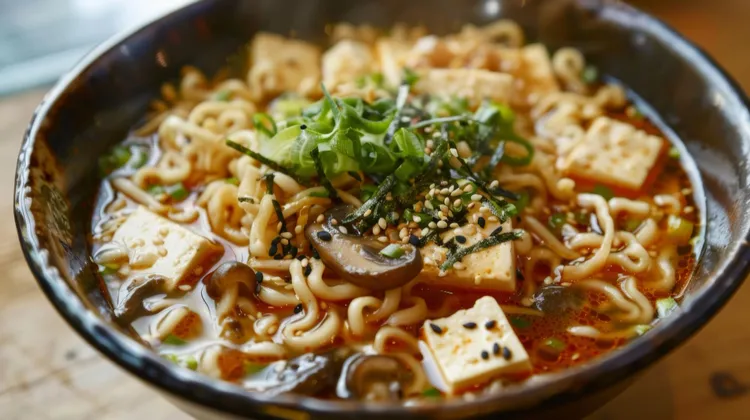
Ramen is a dish of contrasts. The broth is long and deep and complex; the toppings are fresh and immediate. The noodles are soft and yielding; the chashu (or in this version, the marinated tofu) is firm and glazed. The spring onion is sharp; the corn is sweet. The nori softens at the edges while remaining slightly firm at the centre. Every element is designed to work with every other element, and the bowl is calibrated so that each spoonful delivers several of them simultaneously.
This is the philosophical framework of ramen - and it applies as completely to this plant-based version as to any traditional bowl. The miso broth here is built from kombu and shiitake dashi with a double miso finish (white miso for sweetness, red miso for depth), aromatic from ginger and garlic, enriched with sesame oil and chili oil at the moment of serving. It is complex in the way that a well-made stock is complex - not complex to make, but complex to taste.
The toppings take as much care as the broth. Roasted mushrooms with a soy-sesame glaze. Marinated and pan-fried firm tofu. Corn kernels charred briefly in a dry pan. A soft-boiled (or marinated tofu) egg. Nori. Spring onion. Sesame seeds. Chili oil. Each one earned its place in the bowl.
This recipe takes 45 minutes from start to bowl. For those who want something deeper, the extended broth method (2+ hours) is described at the end.
The Broth: Building Depth Without Bones
Traditional ramen broth is built from bones - hours of simmering chicken, pork, or beef bones that extract collagen and fat and produce a broth with a richness and body that is difficult to replicate from plant-based sources.
The plant-based alternative uses a different building strategy: high-glutamate ingredients (kombu, shiitake, miso) layered with aromatic depth (ginger, garlic, white pepper) and a finishing richness from sesame oil and tahini.
Kombu (dried kelp) contains extremely high concentrations of glutamic acid - one of the most potent natural sources of umami available. A 10cm piece of kombu simmered in water for 20 minutes produces a dashi with a deep, oceanic savouriness that forms an ideal base for miso broth.
Dried shiitake mushrooms add their own glutamate depth alongside a specific earthy, mushroom character. Their soaking liquid - dark and intensely flavoured - is added to the broth, not discarded.
Double miso - white miso (mild, slightly sweet, fermented 3-8 weeks) for the primary body of the broth, and red miso (deeply savoury, fermented 6-24 months) for depth and complexity. The combination produces a more layered, more interesting broth than either alone.
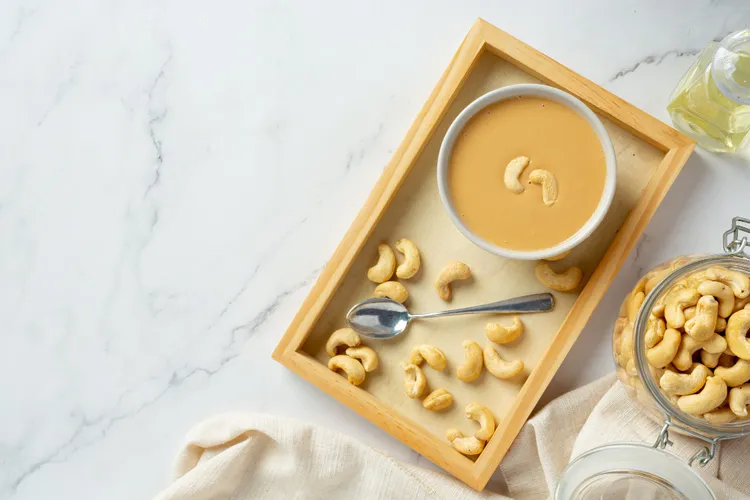
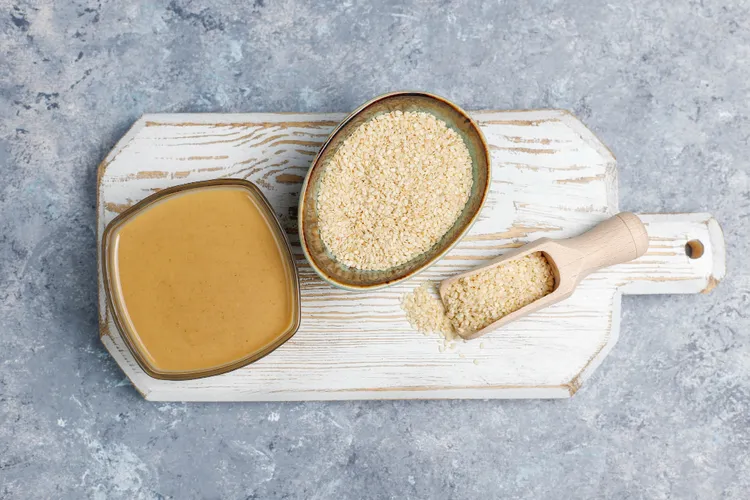
Tahini - a tablespoon stirred into the finished broth adds a subtle richness and a slight nuttiness that mimics the fat content of a traditional tonkotsu or creamy miso ramen. It is an unusual addition that is not identifiable as tahini in the finished bowl but is clearly present in the texture.
Ingredients
Serves 4 | Active time: 25 minutes | Total time: 45 minutes
The Dashi Base
- 10cm piece kombu (dried kelp), wiped clean with a damp cloth
- 20g dried shiitake mushrooms (approximately 6-8 mushrooms)
- 1.5 litres cold water
The Miso Broth
- 3 tbsp white miso (shiro miso)
- 1 tbsp red miso (aka miso)
- 4 cloves garlic, minced
- 1 tbsp fresh ginger, finely grated
- 2 tbsp soy sauce or tamari
- 1 tbsp mirin - adds gentle sweetness and a slightly glossy quality
- 1 tbsp sesame oil
- 1 tbsp tahini
- ½ tsp white pepper
- Salt to taste
The Ramen Noodles
- 300g fresh ramen noodles (from Asian grocery stores) or 200g dried ramen noodles - alkaline noodles with their characteristic springy texture. Substitute: dried udon, soba (gluten-free option), or rice noodles (GF).
The Toppings
Roasted mushrooms:
- 200g mixed mushrooms (shiitake, oyster, enoki - whatever is available), torn or sliced
- 2 tbsp soy sauce
- 1 tbsp sesame oil
- 1 tsp maple syrup
Marinated tofu:
- 200g firm tofu, pressed and cut into 2cm cubes or triangles
- 2 tbsp soy sauce
- 1 tbsp sesame oil
- 1 tsp rice vinegar
- 1 tsp ginger, grated
Additional toppings:
- 200g tinned sweetcorn, drained and charred in a dry pan over high heat
- 4 spring onions, thinly sliced
- 4 sheets nori, halved or cut into rectangles
- 4 soft-boiled eggs - for a fully plant-based bowl, replace with extra marinated tofu or marinated king oyster mushroom "eggs" (see below)
- 2 tbsp chili oil (shop-bought or homemade - see below)
- 2 tbsp toasted sesame seeds
- Optional: bamboo shoots, mung bean sprouts, baby spinach
Method
Step 1: Make the dashi (20 minutes)
Place the kombu and dried shiitake mushrooms in a medium saucepan with 1.5 litres of cold water. Start with cold water - this produces a cleaner, more nuanced dashi than starting with hot water.
Bring to a gentle simmer over medium heat (approximately 15-20 minutes). Do not boil - boiling kombu produces a bitter, slightly slimy liquid. The moment the water begins to bubble around the kombu, remove the kombu with tongs.
Continue simmering with the shiitake for 5 more minutes. Remove the shiitake with a slotted spoon. Squeeze any liquid from them back into the dashi. Thinly slice the rehydrated shiitake and set aside - they will become a topping.
The dashi should be pale golden, clean, and smell faintly of the sea from the kombu.
Step 2: Build the broth (5 minutes)
Keep the dashi at a gentle simmer. In a small bowl, dissolve the white miso and red miso in a ladleful of hot dashi - this prevents the miso from clumping when added to the pot.
Add the dissolved miso back to the pot. Add soy sauce, mirin, sesame oil, tahini, garlic, ginger, and white pepper. Stir to combine.
Do not boil the broth after adding miso. Boiling degrades the miso's live cultures and dulls its complex flavour. Keep at a steady simmer.
Taste and adjust: more white miso for sweetness, more red miso for depth, more soy for saltiness, more sesame oil for richness. The broth should be deeply savoury, slightly sweet, with a distinct miso character and the oceanic depth of the kombu underneath everything.
Step 3: Prepare the toppings (simultaneously with the broth)
Roasted mushrooms: Preheat the oven to 200°C (fan). Toss the mushrooms with soy sauce, sesame oil, and maple syrup. Spread on a lined sheet pan. Roast for 15-18 minutes until golden and slightly caramelised at the edges.
Marinated tofu: Combine soy sauce, sesame oil, rice vinegar, and ginger in a bowl. Add the tofu pieces and toss to coat. Marinate for 15 minutes while the mushrooms roast. Heat a non-stick pan over high heat, add 1 tbsp of oil, and pan-fry the tofu pieces for 3-4 minutes per side until golden-brown on all surfaces.
Charred corn: Heat a dry pan over very high heat. Add the drained sweetcorn. Do not stir for 2 minutes - let the kernels char directly against the hot pan. When the corn smells slightly smoky and has dark patches, toss briefly and remove. The charred corn adds a sweetness and smokiness that works brilliantly against the savoury broth.
Step 4: Cook the noodles
Cook the ramen noodles in a separate pot of boiling water according to the packet - fresh ramen noodles take 1-2 minutes; dried take 4-5 minutes. Drain and divide between 4 large, warm bowls.
Warm the bowls first. Fill each bowl with boiling water, leave for 30 seconds, then tip out and dry. A warm bowl keeps ramen at the correct temperature for the full eating experience - cold bowls chill the broth within minutes.
Step 5: Assemble the bowls
The assembly sequence:
- Noodles in the warm bowl, arranged with tongs into a nest
- Ladle the hot miso broth over the noodles - approximately 350ml per bowl
- Arrange the toppings methodically over the broth: roasted mushrooms on one side, tofu on another, charred corn in its own cluster, sliced rehydrated shiitake alongside
- Half a sheet of nori standing against the inside wall of the bowl
- Spring onion scattered over the surface
- Soft-boiled egg (halved) or extra tofu
- Drizzle of chili oil
- Scatter of sesame seeds
Serve immediately. Ramen waits for no one - the noodles continue absorbing the broth, the toppings lose their textural distinction, and the temperature drops. A ramen bowl eaten within 2 minutes of assembly is a fundamentally different experience from one eaten 10 minutes later.
The Vegan Soft-Boiled "Egg" - Marinated Tofu Variation
For a fully plant-based bowl, marinated firm tofu cut into egg-like shapes is the standard approach. For something more creative: king oyster mushroom "eggs."
Trim the white stems of king oyster mushrooms into rounded, egg-shaped pieces approximately 5cm × 3cm. Simmer in a marinade of soy sauce, mirin, and dashi for 5 minutes. The texture of king oyster mushroom stems, when simmered, has a yielding, slightly firm quality that is genuinely reminiscent of the white of a soft-boiled egg.
The Extended Broth Method (For a Deeper Bowl)
The 30-minute broth above is excellent. The extended version is exceptional.
Add to the standard ingredients:
- 1 additional dried shiitake mushroom
- 1 piece dried kombu (additional 5cm piece)
- 200g fresh shiitake or oyster mushroom stems (the parts usually discarded)
- 3 spring onion roots (the root ends usually discarded)
- ½ head of garlic, halved horizontally and charred briefly in a dry pan
Method: Combine all kombu, mushrooms, spring onion roots, and garlic in a large pot with 2 litres of water. Simmer over very low heat for 2 hours. Strain. Proceed from Step 2 with this as the dashi base.
The result: a broth with a depth and body that approaches the richness of a bone-based ramen broth. The shiitake stems in particular - usually discarded - release enormous amounts of glutamates over 2 hours of gentle simmering.
Homemade Chili Oil
The chili oil drizzled over the finished bowl is one of the most flavour-impactful elements. Shop-bought chili oil (Lao Gan Ma is excellent and widely available) works perfectly. For homemade:
- 4 tbsp neutral oil
- 2 tbsp chili flakes (Korean gochugaru for mild-fruity; standard chili flakes for more heat)
- 1 tsp Sichuan peppercorns, lightly crushed
- 2 cloves garlic, thinly sliced
- 1 tsp sesame seeds
- ½ tsp salt
Heat the oil in a small saucepan until shimmering (around 180°C). Place the chili flakes, Sichuan peppercorns, garlic, sesame seeds, and salt in a heatproof bowl. Pour the hot oil carefully over the chili mixture - it will sizzle dramatically. Stir and allow to cool. Transfer to a sealed jar. Keeps for 2 months.
Pro Tips
- Never boil the miso. This is the most important rule in miso broth. Boiling degrades the volatile aromatic compounds that give miso its distinctive character and kills the live cultures that are part of its nutritional value. Add miso after the broth has come off the boil, or stir it in at the lowest possible simmer.
- Warm the bowls. This is the detail that separates acceptable ramen from excellent ramen at home. A cold ceramic bowl drops the broth temperature by several degrees in the first minute - the difference between soup that is hot when you eat it and soup that is lukewarm.
- Source the best kombu available. Not all kombu is equal - some dried kelp has been on the shelf long enough to have lost much of its glutamate potency. Fresh-looking, slightly flexible (not brittle) kombu with a slight white powdery coating (mannitol - natural and desirable) is the best quality indicator.
- Make double the chili oil. It keeps for 2 months and transforms everything it touches - not just ramen but fried eggs, roasted vegetables, dumplings, and rice.
Common Mistake: Skipping the Kombu Miso broth without a kombu-shiitake dashi base is flat in a specific way - the miso flavour is there but the oceanic depth and the specific glutamate complexity that the kombu provides is absent. The result tastes of miso dissolved in hot water rather than a genuinely complex broth. Kombu is available at Japanese grocery stores, Asian supermarkets, health food shops, and online. It is inexpensive and keeps for months in a sealed bag. It is not optional in this recipe.
FAQ
Q: Where do I find kombu and other Japanese ingredients?
Japanese grocery stores and Asian supermarkets are the most reliable source. Health food shops carry kombu increasingly. Online retailers (Japan Centre, Sous Chef in the UK; Amazon worldwide) carry everything needed. See the Essential Asian Street Food Pantry for the full sourcing guide.
Q: Can I use instant dashi powder instead of making kombu dashi?
Yes - use kombu or vegetable dashi powder (not fish-based dashi - most standard dashi powders contain bonito). The result is good but slightly less complex than dashi made from whole kombu. Dissolve in water according to the packet and use as the dashi base.
Q: How do I soft-boil eggs for ramen?
Bring water to a full boil. Lower eggs gently into the water. Cook for exactly 6.5 minutes (slightly runny centre) or 7 minutes (just-set centre). Transfer immediately to ice-cold water. Peel after 5 minutes. For marinated eggs: combine 3 tbsp soy sauce, 2 tbsp mirin, and 100ml water in a zip-lock bag. Add the peeled eggs. Refrigerate for 4-24 hours. The soy marinade penetrates the white and produces the glossy, savoury flavour that is characteristic of ramen eggs.
Q: Can I make the broth ahead?
Yes - the miso broth (before miso is added) keeps refrigerated for 3 days. Add the miso fresh when reheating, never adding to cold broth and then boiling.
🔗 Continue Cooking
Latest