How to Make Vegetables Creamy Without Cream (Chef Techniques That Actually Work)
Creamy vegetables don’t actually require cream. Professional kitchens often create rich, silky textures using starch, blending techniques, and smart cooking methods instead of dairy. Here’s how to make vegetables naturally creamy at home - healthier, lighter, and often more flavorful.
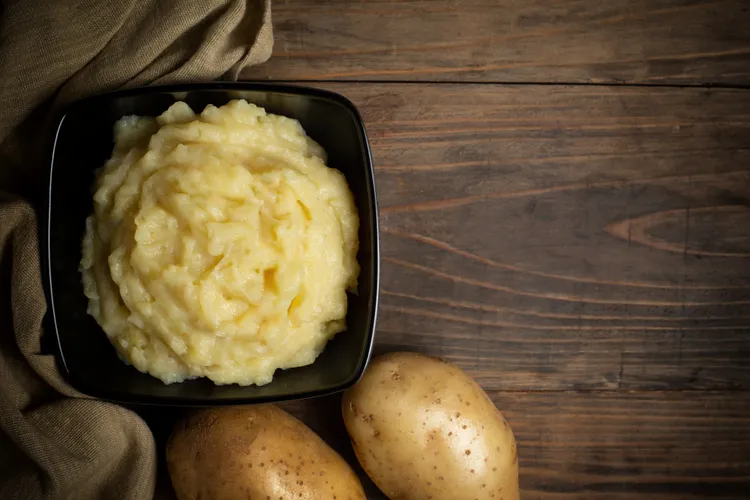
If you’ve ever tasted a silky vegetable soup or perfectly creamy roasted vegetables and wondered, “How much cream is in this?” - the answer is often none.
Many chefs intentionally avoid cream because vegetables themselves can create richness when cooked correctly.
The secret isn’t adding fat.
It’s understanding texture, starch, and emulsification.
How Do You Make Vegetables Creamy Without Cream?
Vegetables become creamy when their natural starches, fibers, or blended structures trap water and fat together. Techniques like roasting, blending, adding beans or potatoes, or emulsifying with olive oil create smooth textures similar to cream without dairy.
In simple terms: creaminess comes from structure, not just cream.
Why This Happens (The Simple Food Science Behind Creamy Texture)
Cream feels rich because fat droplets are suspended evenly in liquid.
But similar textures can form in other ways.
Starch Thickens Naturally
Vegetables like:
-
Potatoes
-
Cauliflower
-
Squashes
-
Carrots
contain starch or soluble fiber.
When heated with water:
-
Starch granules absorb liquid.
-
They swell and burst.
-
The liquid thickens naturally.
This creates smoothness similar to cream sauces.
Blending Changes Texture
Mechanical blending breaks vegetable fibers into microscopic particles.
These particles suspend in liquid and create body.
That’s why blended vegetable soups feel velvety even without dairy.
Restaurants rely heavily on this technique.
Fat Still Matters - Just Less of It
Small amounts of fat help carry flavor.
Instead of cream, chefs often use:
-
Olive oil
-
Nut butter
-
Seeds
-
Tahini
Fat droplets emulsify with vegetable starches, producing richness without heaviness.
What Most People Get Wrong About Creamy Vegetables
Myth 1: Creaminess Comes Only From Dairy
Cream is just one shortcut.
Proper cooking often produces better flavor because vegetables remain the focus.
Many classic vegetable soups traditionally contain no cream at all.
Myth 2: Blending Alone Fixes Everything
If vegetables are undercooked, blending won’t create creaminess.
Softening vegetables fully is essential.
Tender vegetables release starch and fiber more effectively.
Myth 3: Low-Fat Means Less Flavor
Flavor mainly comes from:
-
Browning
-
Salt balance
-
Natural sugars
-
Aromatics
Roasted vegetables blended with stock often taste richer than cream-heavy versions.
Practical Cooking Tips: 7 Ways to Make Vegetables Creamy Without Cream
These methods work for soups, sides, sauces, and pasta dishes.
1. Use Potatoes as a Natural Thickener
Potatoes are one of the easiest solutions.
Add one chopped potato when cooking vegetables for soup or purée.
As it cooks:
-
Starch thickens liquid.
-
Texture becomes silky.
This works especially well with:
-
Broccoli soup
-
Leeks
-
Spinach
-
Mushrooms.
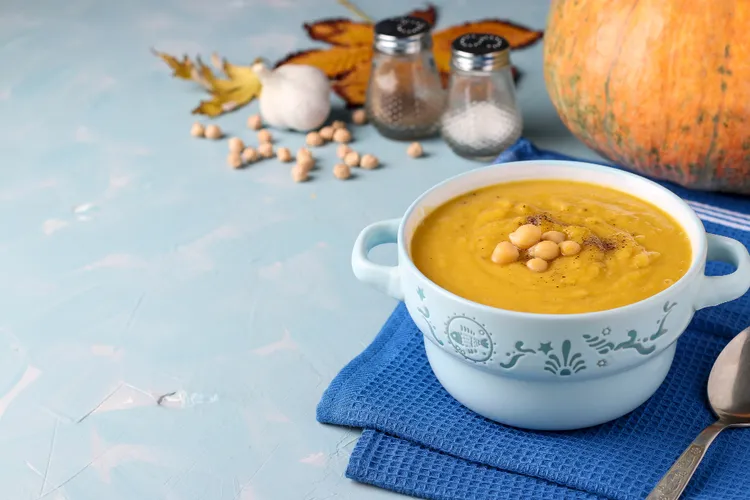
2. Blend White Beans Into Vegetables
A restaurant favorite.
Cannellini or butter beans add:
-
Protein
-
Creaminess
-
Neutral flavor.
Simply blend cooked beans into roasted vegetables or soups.
Result:
Rich texture without noticeable bean taste.
3. Roast Vegetables First
Roasting changes everything.
Heat caramelizes natural sugars and removes moisture.
Benefits:
-
Sweeter flavor
-
Softer texture
-
Easier blending.
Best vegetables for creamy roasting:
-
Cauliflower
-
Pumpkin
-
Zucchini
-
Eggplant
-
Carrots.
Roasted cauliflower soup often tastes creamy even without additives.
4. Add Olive Oil While Blending
This is a professional emulsification trick.
Slowly drizzle olive oil into hot blended vegetables.
The blender disperses fat evenly.
Result:
-
Glossy texture
-
Fuller mouthfeel
-
Restaurant-style finish.
You need surprisingly little oil.
5. Use Nuts or Seeds
Cashews are especially effective.
Soaked nuts blend into smooth sauces because they contain natural fats and proteins.
Popular options:
-
Cashews
-
Almonds
-
Sunflower seeds
-
Tahini (sesame paste).
This method works beautifully for creamy vegetable pasta sauces.
6. Cook Vegetables Longer Than You Think
Undercooked vegetables taste grainy.
Cook until very soft.
A good test:
Vegetables should crush easily with a spoon.
Long cooking releases natural pectin and starch.
7. Reduce Liquid Instead of Adding Cream
Many home cooks dilute flavor accidentally.
Instead:
Simmer uncovered for several minutes.
Water evaporates, concentrating texture naturally.
Simple but powerful.
Common Mistakes When Trying to Make Vegetables Creamy
-
Adding too much liquid early.
-
Not seasoning enough salt.
-
Blending cold vegetables.
-
Skipping browning steps.
-
Using weak blenders without enough cooking time.
Texture problems usually begin before blending starts.
Quick Fixes if Your Vegetables Aren’t Creamy Enough
If your soup or dish feels thin:
Try one of these:
-
Blend longer (often overlooked).
-
Add cooked rice or potato.
-
Stir in bean purée.
-
Simmer uncovered.
-
Add a tablespoon of olive oil.
Small adjustments work fast.
The Restaurant “Velouté Trick”
Many professional vegetable soups labeled creamy contain no cream.
Chefs build texture using three steps:
-
Sweat vegetables slowly in oil.
-
Cook with stock until extremely tender.
-
Blend aggressively and strain if needed.
Some kitchens blend for several minutes longer than home cooks expect.
Extra blending creates noticeably smoother texture.
High-end restaurants sometimes finish soups with just a teaspoon of oil - not cream.
Ingredient Comparison: Best Cream Alternatives for Vegetables
| Ingredient | Best Use | Flavor Impact |
|---|---|---|
| Potato | Soups | Neutral |
| White beans | Sauces & soups | Mild richness |
| Cashews | Pasta sauces | Slight sweetness |
| Olive oil | Purées | Fruity richness |
| Tahini | Roasted vegetables | Nutty depth |
| Oats | Blended soups | Very neutral |
Each creates creaminess differently.
Related Questions People Often Ask
Can You Make Creamy Soup Without Dairy?
Yes. Blended vegetables, starches, or legumes naturally thicken soups and create smooth textures without milk or cream.
Why Do Restaurant Vegetable Soups Taste Creamier?
Restaurants cook vegetables longer, blend more thoroughly, and emulsify small amounts of fat evenly.
Technique matters more than ingredients.
Is Cream-Free Cooking Healthier?
Often yes, depending on goals.
You typically get:
-
More fiber
-
Lower saturated fat
-
Better vegetable flavor concentration.
But the biggest benefit is flexibility.
Fun Bonus Fact
Many classic French vegetable soups historically relied on potatoes or bread for thickness long before refrigeration made cream widely accessible.
Creamy textures existed centuries before modern dairy-heavy cooking became popular.
Creaminess Is a Technique, Not an Ingredient
Cream feels like the easiest way to improve vegetables.
But cooking science shows something surprising.
Vegetables already contain everything needed to become rich and satisfying - starch, fiber, and natural sugars.
When you roast properly, cook fully, and blend intelligently, vegetables create their own creaminess.
Once you learn these techniques, you’ll often find cream unnecessary.
And your vegetables may taste even better because of it.
Key Takeaways
-
Creaminess comes from starch, fiber, and emulsification - not just dairy.
-
Potatoes and beans are powerful natural thickeners.
-
Roasting vegetables improves texture and flavor.
-
Blending hot vegetables longer creates smoother results.
-
Olive oil emulsification adds richness with minimal fat.
-
Nuts and seeds create dairy-free creamy sauces.
-
Reducing liquid improves texture naturally.
-
Professional kitchens often make creamy vegetable dishes without cream.
Latest