Overripe Vegetables - Safe or Not? A Home Cook’s Guide to Knowing What to Keep, Cook, or Throw Away
Every home cook eventually opens the refrigerator drawer and finds vegetables that look… questionable. Slightly soft tomatoes, wrinkled peppers, or limp carrots often raise the same question: are they still safe to eat or already spoiled? Understanding the difference between overripe and unsafe vegetables can save money, reduce food waste, and even improve your cooking.
Overripe Vegetables - Safe or Not? Why This Question Matters in Every Kitchen
Vegetables rarely go from fresh to dangerous overnight.
Most pass through a stage where they are simply overripe or aging, not spoiled. Unfortunately, many people throw food away too early because texture changes look alarming.
The truth is simple:
-
Overripe vegetables are often safe.
-
Spoiled vegetables are not.
Knowing how to tell the difference is one of the most useful kitchen skills a home cook can develop.
What “Overripe” Actually Means
Overripening happens naturally after harvest.
Vegetables continue biological processes such as:
-
moisture loss,
-
sugar conversion,
-
enzyme activity,
-
cell breakdown.
This leads to changes like:
-
softness,
-
wrinkles,
-
stronger smell,
-
dull color.
Importantly, these changes affect quality - not always safety.
Overripe vs Spoiled: The Critical Difference
Many cooking mistakes come from confusing these two stages.
Overripe Vegetables Usually Have:
-
Soft texture but intact structure
-
Slight wrinkles or dehydration
-
Stronger vegetable aroma
-
Color fading but no dark rot.
Spoiled Vegetables Often Show:
-
Mold growth
-
Slimy surfaces
-
Sour or rotten smell
-
Liquid leakage
-
Black or spreading decay spots.
When bacteria or mold dominate, food safety becomes the concern.
A good rule:
Soft is often fine. Slimy is not.
Common Overripe Vegetables and Whether They’re Safe
Different vegetables age differently.
Let’s look at what typically happens.
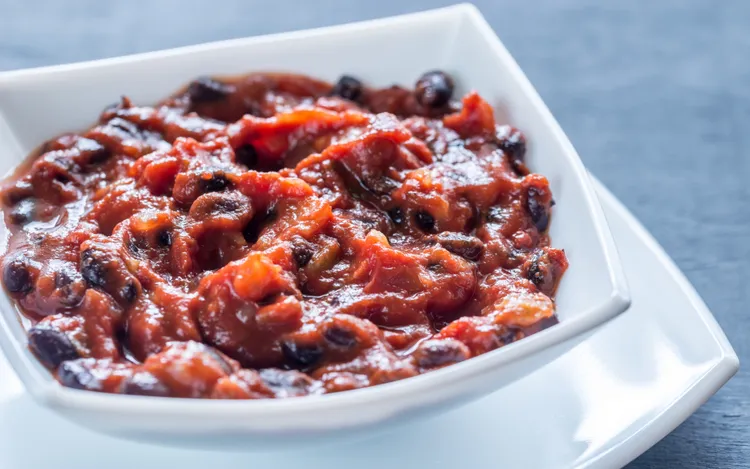
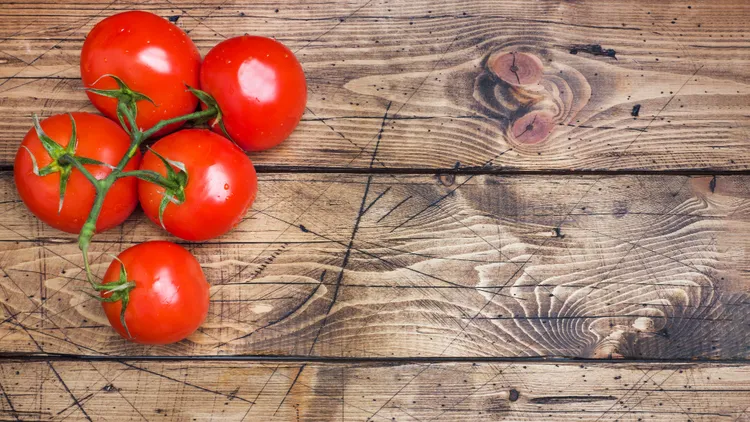
Tomatoes: Often Better When Overripe
Soft tomatoes scare many cooks - but they’re often perfect for cooking.
Overripe tomatoes develop:
-
deeper sweetness,
-
higher umami flavor.
Best uses:
-
sauces
-
soups
-
stews
-
roasted tomato dishes.
Avoid only if mold or fermentation smell appears.
Zucchini and Cucumbers
These vegetables lose firmness quickly.
Safe signs:
-
slight softness,
-
wrinkled skin.
Unsafe signs:
-
mushy interior,
-
sour smell,
-
slippery coating.
Cooking quickly solves mild overripeness.
Carrots and Root Vegetables
Limp carrots are extremely common.
The cause is moisture loss, not spoilage.
Quick fix:
Soak peeled carrots in cold water for 20-30 minutes.
They often regain firmness surprisingly well.
If black spots spread internally, discard.
Leafy Greens
Spinach, lettuce, and herbs decline fast.
Safe when:
-
slightly wilted,
-
darker but dry.
Unsafe when:
-
slimy,
-
sticky,
-
foul smelling.
Wilted greens actually work beautifully in cooked dishes.
Why Overripe Vegetables Can Actually Taste Better
Professional kitchens rarely waste aging produce.
Why?
Because enzyme activity increases flavor compounds.
Examples include:
-
sweeter peppers,
-
richer tomatoes,
-
softer eggplant ideal for roasting.
Cooking transforms texture weaknesses into advantages.
Heat breaks down fibers anyway.
The Best Cooking Methods for Overripe Vegetables
Instead of raw preparations, choose techniques that improve texture.
1. Roasting (The Flavor Rescue Method)
Roasting concentrates sugars.
Soft vegetables caramelize faster and develop deeper flavor.
Best for:
-
peppers,
-
tomatoes,
-
broccoli,
-
zucchini.
High heat restores appeal.
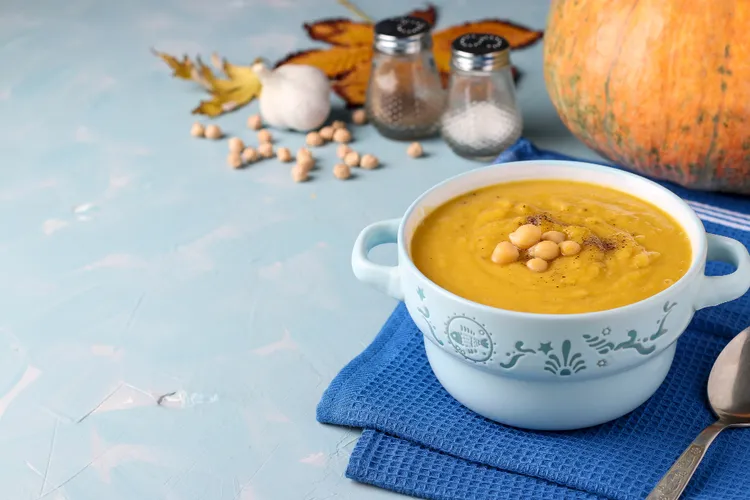
2. Soups and Blended Dishes
Texture disappears completely after blending.
Perfect solutions include:
-
vegetable soups,
-
sauces,
-
purees.
Even mixed aging vegetables work well together.
3. Stir-Frying
Quick cooking prevents further breakdown.
Cut vegetables slightly larger to maintain structure.
Add firmer vegetables first.
4. Stocks and Broths
Vegetable scraps and aging produce shine here.
Onions, carrots, celery, herbs, and mushrooms add depth even when past peak freshness.
Many chefs intentionally save vegetables for stock.
When Overripe Vegetables Become Unsafe
Food safety matters more than waste reduction.
Discard vegetables immediately if you notice:
Mold Penetration
Soft vegetables allow mold roots to spread internally.
Cutting around mold is not always safe.
Fermented or Alcohol Smell
Unexpected sourness signals microbial growth.
Sliminess
This indicates bacterial activity.
Texture here is a safety warning.
Refrigerator Habits That Slow Overripening
Small storage changes extend vegetable life dramatically.
Separate Ethylene Producers
Some vegetables release ripening gases.
Examples:
-
tomatoes,
-
avocados,
-
peppers.
Keep them away from sensitive vegetables like greens.
Control Moisture
Too much humidity causes decay.
Too little causes dehydration.
Use breathable produce drawers or paper towels inside containers.
Don’t Wash Before Storage
Extra moisture accelerates spoilage.
Wash right before cooking instead.
The Hidden Cost of Throwing Vegetables Away Too Early
Food waste often starts with uncertainty.
Globally, households discard large amounts of edible produce simply because texture changes look suspicious.
Learning how vegetables age helps:
-
reduce grocery costs,
-
cook more creatively,
-
waste less food.
Many excellent meals actually begin with vegetables that need using soon.
Quick Decision Guide: Keep or Toss?
Ask three questions:
-
Does it smell normal?
-
Is there slime or mold?
-
Is damage surface-level only?
If smell is clean and texture isn’t slimy, cooking is usually safe.
When in doubt, safety always comes first.
Overripe Doesn’t Mean Useless
Overripe vegetables sit in an interesting middle ground between fresh and spoiled - and understanding that difference changes how confidently you cook.
For home cooks, aging produce can become an opportunity rather than a problem. Roasting, soups, sauces, and stocks transform softer vegetables into deeply flavorful meals while reducing waste and saving money.
The next time your vegetables look slightly past their prime, pause before throwing them away. In many cases, they’re not finished - they’re simply ready for a different kind of cooking.
Latest