Pasta Water Mistakes - The Small Cooking Step That Changes Everything
Many pasta dishes fail long before the sauce hits the pan - and the problem is usually the pasta water. That cloudy liquid chefs save carefully is one of the most powerful tools in Italian cooking. Here’s what most people get wrong about pasta water and how to use it properly for better pasta every time.
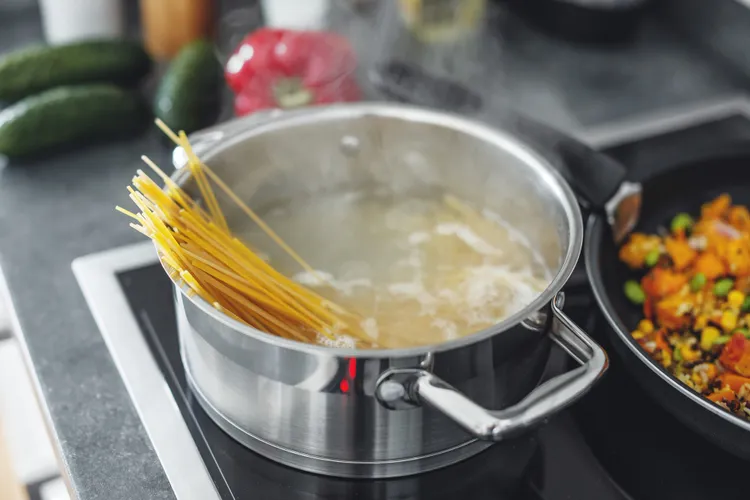
If restaurant pasta tastes smoother, silkier, and somehow better connected to the sauce, there’s a good chance pasta water is the reason.
Most home cooks pour it straight down the drain.
Professional kitchens treat it almost like an ingredient.
Because pasta water isn’t just leftover boiling water - it’s liquid starch designed by cooking itself.
Understanding how it works instantly improves pasta dishes.
What Are the Biggest Pasta Water Mistakes?
The most common pasta water mistakes include not salting the water enough, discarding it before finishing the sauce, using too much clean water in sauces instead, or adding oil to boiling water. Proper pasta water contains starch and salt that help sauces emulsify and cling to pasta.
In short: pasta water helps sauce stick instead of slide off.
Why This Happens
When pasta cooks, something important happens beneath the surface.
Starch Releases Into the Water
Dry pasta contains starch molecules packed tightly together.
As pasta boils:
-
Heat hydrates the starch.
-
Surface starch loosens.
-
Some starch dissolves into the water.
That cloudy appearance?
That’s cooking gold.
Starch Helps Emulsify Sauce
Many pasta sauces contain fat:
-
Olive oil
-
Butter
-
Cheese
-
Meat fat
Fat and water normally separate.
But starch acts like a stabilizer.
It helps fat and water combine into a smooth mixture called an emulsion.
Result:
-
Creamier sauce
-
Better coating
-
Glossy texture.
This is why pasta finished properly looks silky instead of oily.
What Most People Get Wrong About Pasta Water
Myth 1: Pasta Water Is Just Dirty Water
It’s actually functional cooking liquid.
Think of it as a natural thickener already seasoned with salt.
Restaurants rely on it constantly.
Myth 2: Oil Prevents Pasta From Sticking
Adding oil to boiling water creates problems.
Oil floats on top and later coats pasta during draining.
That coating prevents sauce from sticking properly.
Movement and enough water prevent sticking - not oil.
Myth 3: You Only Need Sauce Thickness From Cream or Cheese
Many classic pasta dishes contain no cream at all.
Creaminess often comes from:
-
Pasta starch
-
Cheese emulsification
-
Proper mixing.
Carbonara and cacio e pepe depend heavily on pasta water technique.
The Most Common Pasta Water Mistakes (And Fixes)
1. Not Salting the Water Enough
Pasta absorbs water as it cooks.
If water lacks salt, pasta tastes bland internally.
Good rule:
Water should taste lightly salty like soup.
Approximate guide:
-
1 tablespoon salt per 4 liters of water.
Sauce seasoning cannot fully fix unsalted pasta.
2. Throwing Away Pasta Water Too Soon
Very common mistake.
Many cooks drain pasta completely before starting sauce.
Instead:
Save at least one cup before draining.
Even better:
Transfer pasta directly from pot to pan using tongs.
3. Using Too Much Water in the Pot
This surprises many people.
Large volumes dilute starch concentration.
Some chefs intentionally cook pasta in slightly less water to create starchier liquid.
Especially useful for quick sauces.
4. Adding Pasta Water Too Late
Timing matters.
Add pasta water while sauce is actively cooking.
Heat helps emulsification happen.
Cold additions don’t combine as effectively.
5. Dumping Too Much Pasta Water at Once
More isn’t always better.
Too much creates watery sauce.
Better method:
Add gradually while stirring.
Watch texture change.
6. Rinsing Pasta After Cooking
Rinsing removes starch coating.
That starch helps sauce cling.
Only rinse pasta for cold salads.
Never for hot pasta dishes.
Practical Cooking Tips: How to Use Pasta Water Correctly
These small habits dramatically improve results.
Finish Pasta in the Sauce
Cook pasta until slightly underdone.
Transfer it into sauce with a splash of pasta water.
Cook together for 1-2 minutes.
Benefits:
-
Sauce thickens naturally.
-
Pasta absorbs flavor.
-
Texture improves.
This single step separates restaurant pasta from average pasta.
Use Pasta Water to Fix Sauce Problems
Too thick?
Add pasta water.
Too oily?
Add pasta water and stir vigorously.
Cheese clumping?
Warm pasta water helps smooth it out.
It’s essentially a repair tool.
Shake or Toss Constantly
Movement activates emulsification.
Restaurants often toss pasta repeatedly in pans.
At home:
Stir aggressively for 30-60 seconds after adding pasta water.
You’ll see sauce transform.
Quick Troubleshooting Guide
Sauce Looks Oily
Cause:
Fat separated.
Fix:
Add small pasta water splash and stir over heat.
Sauce Won’t Stick
Cause:
Pasta rinsed or not enough starch.
Fix:
Add pasta water and toss longer.
Sauce Too Thin
Cause:
Too much liquid.
Fix:
Simmer while tossing pasta until glossy.
Why Restaurants Use Less Water Than You Think
In busy kitchens, chefs often cook pasta in relatively concentrated water during service.
Why?
More starch develops faster.
That means sauces emulsify quickly during finishing.
Another professional trick:
Chefs sometimes reuse pasta water during service periods because starch concentration increases throughout the night.
The water actually improves.
(Home cooks should still use fresh water each session - but the principle explains the technique.)
Related Questions People Often Ask
Can You Use Pasta Water in Any Sauce?
Almost always yes.
Works best with:
-
Tomato sauces
-
Butter sauces
-
Cheese sauces
-
Olive oil sauces.
Less useful in very thick cream sauces already stabilized.
How Much Pasta Water Should You Add?
Start with:
2-4 tablespoons at a time.
Watch texture.
Sauce should become glossy, not soupy.
Why Does Restaurant Pasta Taste Creamy Without Cream?
Because starch emulsifies fats into smooth sauce.
Technique replaces heavy ingredients.
Ingredient Comparison: Pasta Water vs Regular Water
| Feature | Pasta Water | Regular Water |
|---|---|---|
| Contains starch | Yes | No |
| Helps sauce stick | Yes | No |
| Seasoned | Yes | No |
| Thickens sauce | Yes | Minimal |
| Emulsifies fat | Yes | Weak |
This difference explains why substitutions rarely work well.
Fun Bonus Fact
Some Italian chefs call pasta water “liquid gold.”
In traditional kitchens, wasting it is considered one of the biggest beginner mistakes because it naturally creates the texture people associate with authentic pasta.
Pasta Water Is an Ingredient, Not Waste
Great pasta rarely depends on complicated recipes.
It depends on understanding small techniques.
Pasta water quietly solves multiple cooking problems at once:
-
seasoning,
-
thickening,
-
emulsifying,
-
and binding sauce to noodles.
Once you stop treating it as leftover water and start using it intentionally, pasta becomes dramatically easier to get right.
Sometimes the most important ingredient is the one people throw away.
Key Takeaways
-
Pasta water contains starch that helps sauces emulsify and cling to pasta.
-
Always salt pasta water properly for flavor inside the pasta.
-
Never add oil to boiling pasta water.
-
Save pasta water before draining.
-
Add pasta water gradually while finishing sauce.
-
Do not rinse pasta for hot dishes.
-
Finishing pasta in sauce creates restaurant-quality texture.
-
Pasta water can fix oily, thick, or broken sauces quickly.
Latest