“Breakfast is the most important meal of the day.”
Most people have heard this phrase countless times. But historically speaking, it’s surprisingly new.
For centuries, eating early in the morning was sometimes discouraged, medically debated, or simply impractical. The foods we now associate with breakfast only became standard relatively recently.
Understanding breakfast history reveals something useful for modern cooks: our morning meals evolved around lifestyle, digestion, and convenience - not strict rules.
How Did Breakfast Become a Daily Meal?
Breakfast became common as work schedules changed during urbanization and the Industrial Revolution. Earlier societies often skipped morning meals or ate leftovers instead. Modern breakfast foods developed later through nutrition theories, factory work routines, and food industry innovation.
In other words, breakfast didn’t start as tradition - it started as adaptation.
Why This Happens
To understand breakfast history, it helps to understand how the body works overnight.
During sleep:
-
Blood sugar slowly drops.
-
Liver glycogen stores provide energy.
-
Hormones prepare the body to wake up.
Eating in the morning literally means breaking the overnight fast - which is where the word breakfast comes from.
But hunger timing varies.
Not Everyone Wakes Up Hungry
Hormones like cortisol increase in the morning, helping release stored energy.
That means some people naturally feel hungry immediately, while others don’t.
Historically, many people simply waited until physical labor began before eating.
Food timing followed energy demand.
Breakfast in Ancient and Medieval Times
Many people assume ancient civilizations ate structured breakfasts similar to today.
They didn’t.
Ancient Rome
Romans often ate a small morning bite called ientaculum, which could include:
-
Bread
-
Cheese
-
Olives
-
Wine diluted with water
But large meals usually happened later.
Morning eating was practical rather than ceremonial.
Medieval Europe: Breakfast Was Sometimes Criticized
In parts of medieval Europe, breakfast carried strange social stigma.
Religious and medical beliefs suggested eating too early showed weakness or indulgence.
Breakfast was often reserved for:
-
Children
-
Laborers
-
The sick
-
Travelers
Wealthier adults sometimes skipped it entirely.
Ironically, hard workers normalized breakfast first.
The Industrial Revolution Changed Everything
The biggest turning point came in the 18th and 19th centuries.
Factory work required:
-
Fixed schedules
-
Early waking hours
-
Long physical labor periods
Workers needed reliable morning energy.
Heavy breakfasts became common, especially in Britain and North America.
Typical meals included:
-
Eggs
-
Meat
-
Bread
-
Porridge
Calories mattered more than convenience.
The Unexpected Birth of Modern Breakfast Foods
Here’s where breakfast history becomes especially unusual.
Many modern breakfast staples were created intentionally - sometimes for health reform.
The Rise of Breakfast Cereals
In the late 1800s, doctors and health reformers believed heavy breakfasts caused digestive problems.
They promoted lighter foods made from grains.
Early cereals were originally designed as health foods meant to improve digestion.
Convenience soon made them popular worldwide.
Dry foods also solved a practical issue:
They required little cooking before work or school.
What Most People Get Wrong About Breakfast
Myth 1: Everyone Must Eat Breakfast Immediately
There’s no universal rule.
Some people perform well eating early.
Others prefer later meals.
Energy balance across the day matters more than timing alone.
Myth 2: Sweet Breakfasts Are Traditional
Historically, breakfast was often savory.
Around the world today you’ll still find:
-
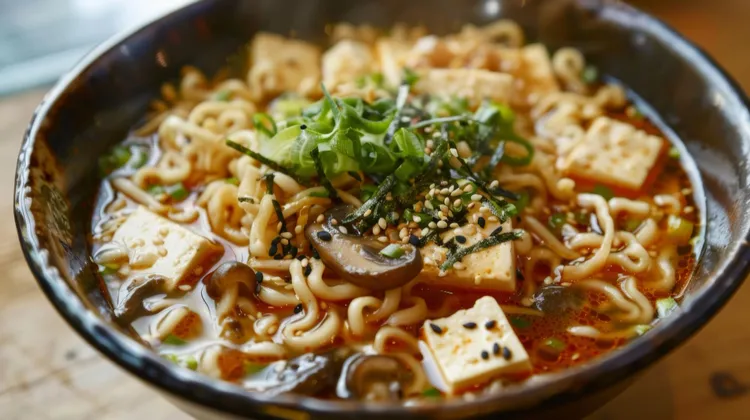
Soups in Asia
-
Beans and eggs in Latin America
-
Cheese and bread across Europe
Sugary breakfast foods became widespread mainly through modern processing and marketing.
Myth 3: Coffee Has Always Been Part of Breakfast
Coffee became strongly linked to breakfast only after global trade expanded.
Earlier morning drinks included:
-
Ale
-
Broth
-
Milk-based drinks
Yes - many people historically drank weak beer in the morning because water safety varied.
Practical Cooking Tips: Building a Better Breakfast Today
History shows breakfast works best when it supports energy and practicality.
Here’s how to improve yours easily.
1. Combine Protein + Carbohydrates
Balanced breakfasts prevent energy crashes.
Good combinations:
-
Eggs + toast
-
Yogurt + fruit
-
Oats + nuts
Protein slows digestion and stabilizes blood sugar.
2. Use Leftovers - A Historical Trick
One of the oldest breakfast habits still works perfectly.
Leftover dinners make excellent breakfasts.
Examples:
-
Roasted vegetables with eggs.
-
Rice bowls.
-
Soup reheated quickly.
Many cultures still rely on this approach.
3. Don’t Overlook Texture
Morning appetite responds strongly to texture.
Crunch or warmth can increase satisfaction.
Try combining:
-
Creamy (yogurt or oats)
-
Crunchy (nuts or toast)
-
Fresh (fruit or herbs)
Restaurants design breakfasts this way intentionally.
4. Prep Breakfast the Night Before
Busy schedules mirror industrial-era problems.
Helpful options:
-
Overnight oats
-
Pre-cut fruit
-
Boiled eggs
-
Batch-cooked grains
Morning decisions become easier when preparation happens earlier.
Common Breakfast Mistakes
-
Eating only sugar-heavy foods.
-
Skipping hydration.
-
Too little protein.
-
Overcomplicated cooking before work.
-
Assuming one breakfast fits everyone.
Simple meals consistently work better.
Why Hotels Design Breakfast Buffets Carefully
Professional kitchens understand something important.
Breakfast must satisfy many appetite types quickly.
That’s why hotel breakfasts include:
-
Protein options
-
Bread or grains
-
Fresh fruit
-
Warm dishes
-
Coffee or tea
This combination increases satisfaction across different hunger patterns.
At home, copying this balance - even in small portions - improves energy through the morning.
Why Breakfast Looks Different Around the World
Global breakfast traditions reflect climate and lifestyle.
Examples:
-
Japan: rice, fish, soup.
-
Turkey: bread, cheese, vegetables.
-
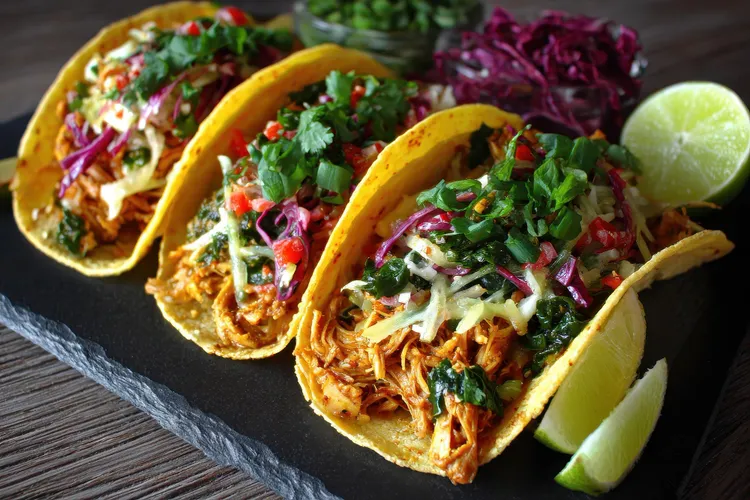
Mexico: eggs with tortillas and beans.
-
Northern Europe: breads, dairy, smoked fish.
There’s no universal breakfast formula.
People eat what provides energy using available ingredients.
Fun Bonus Fact
The phrase “breakfast is the most important meal of the day” became widely popular in the 20th century partly through advertising campaigns promoting breakfast foods.
Nutrition science does support balanced morning meals for many people - but the slogan itself has an unexpected marketing history.
Breakfast Is More Flexible Than We Think
Breakfast feels deeply traditional, yet it constantly changes.
From medieval fasting habits to factory-era meals and modern convenience foods, morning eating evolved alongside human schedules.
The real lesson for home cooks isn’t what breakfast should look like.
It’s that the best breakfast is:
-
Practical,
-
Balanced,
-
and suited to your day.
History shows there’s more freedom in morning meals than most people realize.
Key Takeaways
-
Breakfast wasn’t always a universal daily meal.
-
Many historical societies ate little or nothing early in the morning.
-
Industrial work schedules helped establish modern breakfast habits.
-
Cereals began as health-focused convenience foods.
-
Hunger timing varies naturally between people.
-
Balanced breakfasts combine protein, carbohydrates, and hydration.
-
Leftovers were historically common breakfast foods.
-
There is no single “correct” breakfast - cultures adapt meals to lifestyle and energy needs.