Why Does Brown Rice Take Longer to Cook?
Brown rice and white rice come from the same grain - so why does one cook in 15 minutes and the other take nearly an hour? The answer isn’t about quality or freshness. It’s about structure, layers, and how water moves through a grain.
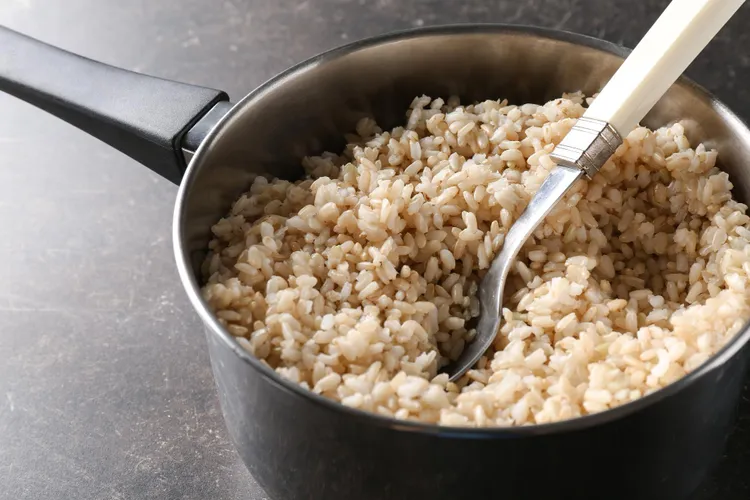
Brown rice takes longer to cook because it still has its outer bran layer intact. That bran layer acts like a protective shield, slowing down water absorption and heat penetration into the starchy center.
White rice cooks faster because that protective layer has been removed.
Simple structure. Big difference.
Brown rice takes longer to cook because it retains the bran and germ layers that surround the starchy core. These layers are dense and fibrous, so water takes longer to penetrate and soften the grain. White rice cooks faster because those outer layers have been milled away.
Why This Happens
Let’s break down what a rice grain actually looks like.
A whole rice grain has three main parts:
-
Bran layer - fibrous outer coating
-
Germ - nutrient-rich core
-
Endosperm - starchy interior
Brown rice contains all three.
White rice is mostly just the starchy endosperm.
The Bran Layer Is the Key
The bran layer is:
-
High in fiber
-
Dense and tough
-
Less permeable to water
When cooking rice, water must:
-
Penetrate the outer layers
-
Reach the starchy interior
-
Trigger starch gelatinization
In brown rice, water moves more slowly because the bran creates resistance.
In white rice, water reaches the starch almost immediately.
That’s the time difference.
Water Absorption Takes Longer
Cooking rice is essentially a hydration process.
White rice hydrates quickly because it is mostly exposed starch.
Brown rice must first hydrate the bran before the starch inside softens.
Think of it like soaking a sponge wrapped in a thin layer of fabric versus a bare sponge.
The wrapped one takes longer.
What Most People Get Wrong
Myth №1: Brown Rice Is Harder to Cook
It’s not harder - it just requires more time and slightly more water.
Technique remains simple.
Myth №2: Cooking It Longer Ruins Nutrients
Brown rice already contains more nutrients because the bran is intact.
Longer cooking does not destroy its fiber content.
The main loss is minimal heat-sensitive vitamins - which happens with most cooked foods.
Myth №3: Brown Rice Should Be Cooked Exactly Like White Rice
Using white rice timing or water ratios for brown rice causes problems:
-
Undercooked centers
-
Hard texture
-
Dry grains
Brown rice needs:
-
More water
-
Longer simmer
-
More resting time
How Much Longer Does Brown Rice Take?
Typical cooking times:
-
White rice: 15-20 minutes
-
Brown rice: 35-50 minutes
Water ratios:
-
White rice: ~1 cup rice to 1.5-1.75 cups water
-
Brown rice: ~1 cup rice to 2-2.25 cups water
More fiber means more hydration required.
Why Brown Rice Feels Chewier
Even when fully cooked, brown rice has a firmer texture.
That’s because the bran layer:
-
Doesn’t fully dissolve
-
Retains slight resistance
-
Adds structural integrity
This is why brown rice feels nutty and chewy rather than soft and fluffy.
That texture is intentional - not undercooking.
Practical Cooking Tips for Perfect Brown Rice
Here’s how to make it reliable.
1. Rinse First
Even though brown rice has less loose starch than white rice, rinsing removes dust and debris.
Quick rinse is enough.
2. Use Enough Water
Under-watering causes tough centers.
Start with:
1 cup brown rice
2-2.25 cups water
Adjust slightly based on texture preference.
3. Simmer Gently, Not Aggressively
Bring to boil.
Reduce to low.
Cover tightly.
A rolling boil toughens the outer layer and evaporates water too quickly.
4. Cook Until Tender, Not by Strict Time
Time is a guide.
Taste a grain near the end.
It should be tender with slight chew - not hard in the center.
5. Let It Rest 10-15 Minutes
Resting is especially important for brown rice.
Steam continues softening the bran layer.
Skipping rest leads to uneven texture.
6. Try Soaking to Reduce Cooking Time
Soaking brown rice for 30-60 minutes before cooking can:
-
Reduce cooking time by 5-10 minutes
-
Improve texture
-
Help more even hydration
This step is optional but helpful.
Why Brown Rice Sometimes Feels Undercooked
Common causes:
-
Not enough water
-
Heat too high
-
Lid lifted too often
-
Skipping rest period
Remember: the bran layer softens slowly. Be patient.
Is Brown Rice Healthier Than White Rice?
Brown rice contains:
-
More fiber
-
More minerals
-
More natural oils from the germ
White rice is easier to digest and cooks faster.
Health differences depend on dietary needs.
Can You Cook Brown Rice in a Rice Cooker?
Yes.
Use the “brown rice” setting if available.
It automatically extends cooking time and adjusts temperature cycles.
Why Is Brown Rice Sometimes Gummy?
Overcooking can still cause gumminess.
Even though bran protects the grain, too much water plus excessive cooking breaks down internal starch.
Structure matters - but balance still applies.
Fun Fact
White rice is not a different plant.
It’s simply brown rice with the bran and germ polished away.
That polishing step dramatically changes cooking time, texture, shelf life, and even flavor.
Same grain. Different structure.
Brown rice takes longer to cook because it keeps its protective bran layer intact.
That outer layer slows water absorption and heat penetration, delaying starch softening inside.
The longer cooking time isn’t a flaw - it’s a structural reality.
Use enough water, simmer gently, and allow proper resting.
Once you understand the layers, brown rice becomes predictable and easy.
Key Takeaways
-
Brown rice keeps its bran layer; white rice does not.
-
The bran slows water absorption.
-
More water and longer cooking are required.
-
Brown rice naturally has a chewier texture.
-
Soaking can shorten cooking time.
-
Resting improves final texture.
-
Cooking time differences come from structure, not quality.
-
Gentle simmering prevents uneven texture.
-
Brown rice and white rice are the same grain, processed differently.
-
Understanding grain structure makes cooking more consistent.
Latest