Why Food Tastes Worse When You’re Sick
Ever notice how your favorite foods suddenly taste dull, metallic, or completely flavorless when you’re sick? It’s not just your imagination - illness changes how your brain processes smell, taste, and even hunger signals. Understanding why this happens can help you cook foods that are actually enjoyable when recovery matters most.
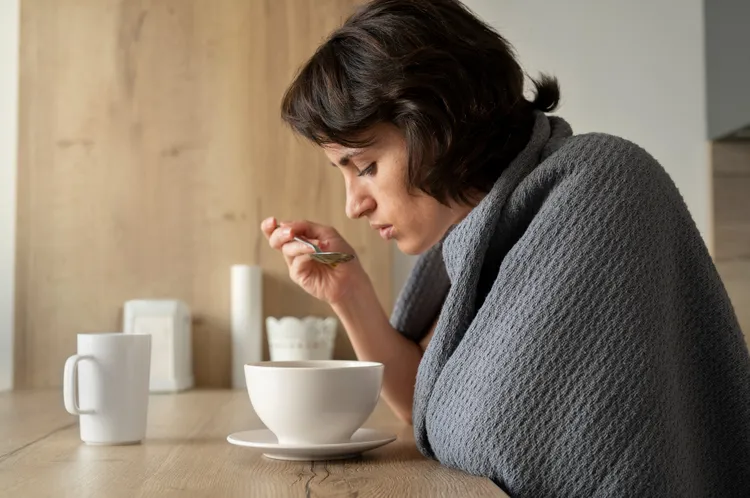
Why Does Everything Taste Like Nothing During a Cold?
One of the strangest parts of being sick is opening a favorite meal and feeling almost no excitement about it.
Coffee tastes flat. Soup tastes weak. Sometimes food even tastes bitter or metallic.
Many people assume their taste buds stop working - but that’s only part of the story.
Most flavor actually comes from somewhere else entirely.
Why Does Food Taste Worse When You’re Sick?
Food tastes worse during illness mainly because congestion blocks your sense of smell, which provides most of what we perceive as flavor. At the same time, your immune system releases chemicals that reduce appetite and temporarily change taste sensitivity.
In short: your brain shifts priorities from enjoying food to fighting infection.
Why This Happens
Flavor Is Mostly Smell - Not Taste
A common surprise:
Your tongue detects only five basic tastes:
-
sweet
-
salty
-
sour
-
bitter
-
umami
Everything else - roasted chicken, chocolate, garlic, coffee - comes from aroma molecules traveling to smell receptors behind your nose.
This process is called retronasal olfaction.
When you’re sick with:
-
a cold
-
flu
-
sinus infection
-
allergies
mucus and inflammation block airflow to those receptors.
Result?
Food loses complexity almost instantly.
That’s why eating with a blocked nose feels like chewing texture without flavor.
Your Immune System Changes Appetite on Purpose
When infection begins, your body releases inflammatory molecules called cytokines.
These signals help coordinate immune defense - but they also affect the brain.
They can cause:
-
reduced hunger
-
fatigue
-
altered taste perception
-
nausea sensitivity
This response may actually help recovery by encouraging rest rather than constant digestion.
Your body temporarily prioritizes healing over pleasure.
Taste Buds Also Become Less Sensitive
Illness can slightly dull taste receptors themselves.
Research shows infections may reduce sensitivity to:
-
sweetness
-
saltiness
That’s why foods often seem bland or under-seasoned during sickness.
Many people unknowingly add extra salt or sugar trying to compensate.
Fever Changes Flavor Perception Too
Higher body temperature affects saliva production.
Saliva dissolves flavor compounds so taste receptors can detect them.
Less saliva means weaker flavor delivery.
Dry mouth = muted taste.
What Most People Get Wrong About Eating When Sick
Myth 1: Loss of Taste Means Food Is Bad
Food hasn’t changed - your sensory system has.
Many people throw away perfectly good meals because flavors seem “off.”
Wait until recovery before judging recipes.
Myth 2: You Should Force Heavy Meals
Large, rich foods can feel unpleasant during illness.
Your digestion slows slightly when fighting infection.
Lighter foods often work better.
Myth 3: Only Hot Soup Helps
Warm foods help congestion, but temperature alone isn’t the solution.
Flavor intensity matters more.
Bright, aromatic foods often taste better than heavy dishes.
Practical Cooking Tips: How to Make Food Taste Better When Sick
These strategies are widely used in professional kitchens when cooking for guests with reduced appetite.
1. Increase Aroma, Not Just Salt
Since smell drives flavor, focus on aromatic ingredients.
Good options include:
-
ginger
-
garlic
-
citrus zest
-
fresh herbs
-
toasted spices
Even small amounts dramatically improve perception.
Example:
Lemon zest can revive bland soup instantly.
2. Use Acid to Wake Up Taste Buds
Acidity cuts through dull flavor perception.
Try adding:
-
lemon juice
-
vinegar
-
yogurt
-
tomatoes
Acid stimulates saliva production and improves flavor detection.
This is why many people crave sour foods when sick.
3. Choose Warm (Not Extremely Hot) Foods
Warm food releases aroma molecules more effectively.
But overly hot food numbs taste receptors temporarily.
Ideal range:
comfortably warm rather than steaming hot.
4. Add Texture Contrast
When flavor weakens, texture becomes more important.
Helpful additions:
-
crunchy toast
-
crackers
-
roasted vegetables
-
nuts
Texture keeps eating satisfying even with reduced taste.
5. Hydration Is Secretly Flavor Control
Dehydration worsens taste loss.
Drink:
-
water
-
broth
-
herbal tea
Better hydration improves saliva and flavor perception.
Common Mistakes When Cooking While Sick
-
Oversalting food
-
Eating extremely spicy meals that irritate throat
-
Choosing greasy foods
-
Skipping protein entirely
-
Eating cold refrigerator food without reheating
Cold food releases fewer aromas.
Why Does Food Sometimes Taste Metallic When Sick?
Some infections and medications temporarily affect taste receptors.
Inflammation can change how bitterness is detected, creating metallic flavors.
Common causes include:
-
sinus infections
-
certain antibiotics
-
dehydration
Usually this disappears after recovery.
Hospitals and Restaurants Use the Same Trick
Professional kitchens serving patients or recovering guests often increase three things:
-
acidity
-
aroma
-
umami
Umami-rich foods taste stronger even when senses are reduced.
Examples include:
-
chicken broth
-
mushrooms
-
tomatoes
-
parmesan cheese
-
soy sauce
That’s one reason chicken soup feels comforting - it naturally contains glutamates that enhance flavor perception.
Your Brain May Reduce Taste to Prevent Risky Eating
Some scientists believe appetite suppression during illness evolved as protection.
When early humans were sick, reduced interest in food may have lowered exposure to spoiled or unsafe foods while weakened.
In other words, temporary food boredom might have been a survival advantage.
Your Body Is Temporarily Rewiring Flavor
When food tastes worse during illness, it isn’t a cooking failure.
Blocked smell pathways, immune signals, dehydration, and sensory changes all work together to reduce flavor perception.
The good news is that small cooking adjustments - brighter flavors, warmth, aroma, and hydration - can make eating easier and more enjoyable while your body recovers.
Sometimes the best recovery food isn’t richer food.
It’s smarter flavor design.
Quick Recap
-
Most flavor comes from smell, which becomes blocked during illness.
-
Congestion prevents aroma molecules from reaching smell receptors.
-
Immune responses reduce appetite and taste sensitivity.
-
Dehydration and fever weaken flavor perception.
-
Acidic and aromatic ingredients improve taste during sickness.
-
Warm foods release more aroma than cold foods.
-
Texture helps maintain enjoyment when flavor fades.
-
Taste usually returns completely after recovery.
Latest