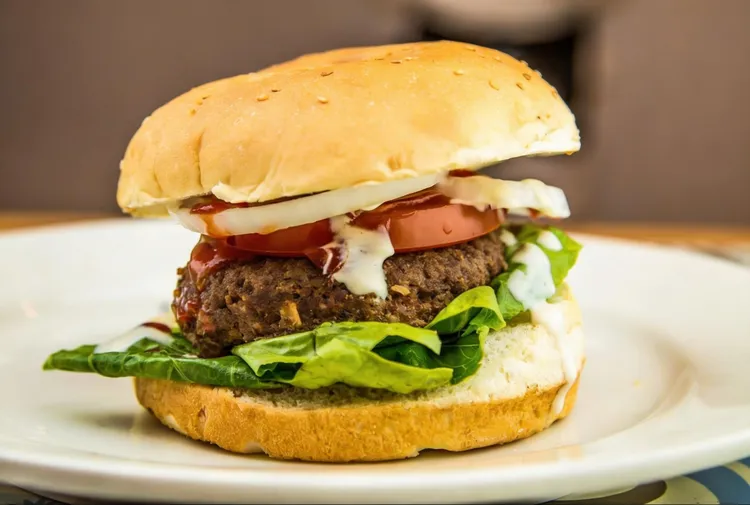
Why Spicy Food Releases Happiness Chemicals
Ever noticed how eating spicy food can feel strangely addictive - even when your mouth is on fire? That burning sensation actually triggers your brain to release natural “feel-good” chemicals similar to those produced during exercise. Here’s the fascinating science behind why spicy food can literally make people happier - and how to use heat wisely in cooking.
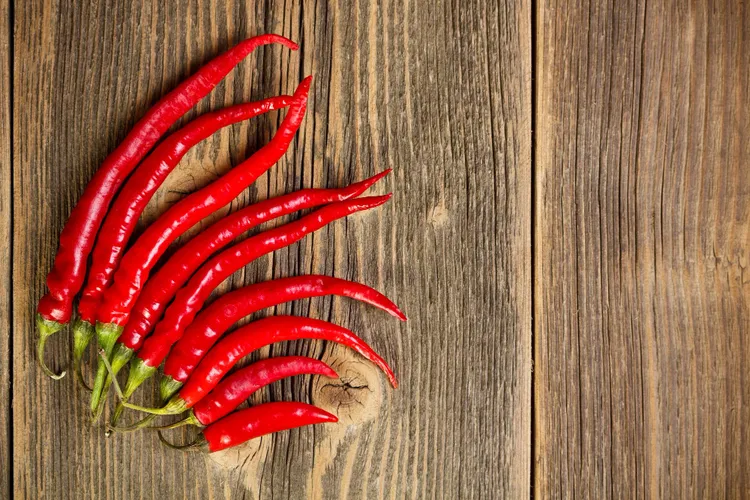
Why Do People Enjoy Something That Literally Burns?
Spicy food doesn’t technically have a flavor called “spicy.” What you’re feeling is pain.
Yet millions of people actively crave chili heat, build tolerance for it, and even describe spicy meals as comforting or mood-boosting. So why would the brain reward something that feels like burning?
The answer lies in chemistry - both in the pepper and inside your brain.
Why Does Spicy Food Make You Feel Good?
Spicy foods contain capsaicin, a compound that activates pain receptors in your mouth. Your brain interprets this as heat or danger and releases endorphins and dopamine to reduce discomfort. These chemicals create feelings of pleasure, relief, and even mild euphoria.
In simple terms: spicy food tricks your brain into rewarding you.
Why This Happens
Capsaicin Tricks Your Nervous System
The active compound responsible for heat in chili peppers is capsaicin.
Capsaicin binds to receptors called TRPV1 receptors, which normally respond to actual heat - like touching something hot.
Your brain receives a signal that says: “Your mouth is burning.”
Even though no physical damage is happening.
The Brain’s Response: Release the Good Chemicals
When your body senses pain or stress, it activates protective responses.
Two important chemicals are released:
Endorphins
-
Natural painkillers produced by the brain
-
Reduce discomfort
-
Create a calm or pleasurable feeling
Dopamine
-
Associated with reward and motivation
-
Reinforces behaviors you enjoy
This combination explains why spicy food can feel exciting, energizing, or even addictive.
It’s similar - though much milder - to the “runner’s high” experienced during exercise.
Why Some People Love Extreme Spice
Tolerance plays a major role.
Regular spicy food eaters develop:
-
Reduced sensitivity to capsaicin
-
Faster recovery from heat
-
Stronger reward association
Over time, people chase stronger spice levels because the brain remembers the reward afterward.
What Most People Get Wrong About Spicy Food
Myth 1: Spicy Food Damages Your Tongue
Normal spicy food does not burn or injure tissue.
Capsaicin creates a false heat signal, not actual burning.
Extremely spicy foods can irritate sensitive stomachs, but typical cooking levels are safe for most people.
Myth 2: Drinking Water Helps With Spice
Water actually spreads capsaicin around your mouth.
Capsaicin is oil-soluble, not water-soluble.
Better options include:
-
Milk
-
Yogurt
-
Cheese
-
Coconut milk
Fat binds to capsaicin and washes it away.
Myth 3: People Who Love Spice Have Stronger Taste Buds
It’s mostly training, not biology.
Exposure gradually changes how your nervous system reacts.
That’s why someone who once found black pepper spicy may later enjoy hot chili sauces comfortably.
Practical Cooking Tips: How to Use Spice for Flavor (Not Just Heat)
Many home cooks accidentally make food painfully spicy instead of deliciously spicy.
Professional cooking treats heat as balance.
1. Add Spice Early for Gentle Heat
Cooking chili peppers in oil distributes capsaicin evenly.
This creates warmth instead of sharp burning.
Examples:
-
Bloom chili flakes in oil
-
Cook fresh chilies with onions or garlic
Heat becomes smoother.
2. Balance Spice With Fat
Fat softens spice intensity.
Great pairings include:
-
Butter
-
Olive oil
-
Cream alternatives
-
Nuts
-
Avocado
-
Coconut milk
This is why spicy curries often taste rich instead of aggressive.
3. Acid Makes Spice Taste Brighter
A small amount of acid helps control heaviness.
Try adding:
-
Lemon juice
-
Vinegar
-
Tomatoes
Acid sharpens flavor without increasing heat.
4. Remove Seeds - But Know the Truth
Many people believe seeds contain the heat.
Actually:
Capsaicin concentrates mostly in the white inner membrane (placenta) of peppers.
Removing it significantly reduces spice.
Common Mistakes When Cooking Spicy Food
-
Adding too much chili powder at the end
-
Not tasting during cooking
-
Forgetting salt balance
-
Using raw chili without fat
-
Trying to fix spice with sugar alone
Sugar helps slightly but works best combined with fat or acid.
Why Restaurants Make Spice Taste Better
Professional kitchens rarely rely on pure chili heat alone.
Instead, chefs layer spice through stages.
Example approach:
-
Chili cooked in oil at the start.
-
Aromatics added (garlic, ginger, onion).
-
Spices toasted gently.
-
Fat added later to round flavor.
This technique spreads capsaicin throughout the dish rather than concentrating it in one bite.
Another secret?
Restaurants often finish spicy dishes with butter or oil - which smooths heat dramatically.
Why Does Spicy Food Make Your Nose Run?
Capsaicin activates nerve endings connected to mucus production.
Your body reacts as if it needs cooling and protection.
That’s why spicy food can cause:
-
Sweating
-
Runny nose
-
Watery eyes
It’s essentially your body trying to regulate perceived heat.
Chili Peppers Evolved Spice on Purpose
Capsaicin exists as a natural defense mechanism.
Interestingly:
-
Mammals feel chili heat strongly.
-
Birds barely react to capsaicin.
Birds spread pepper seeds through digestion, helping plants reproduce - while mammals that chew seeds are discouraged.
Nature designed chili peppers strategically.
Humans just decided the pain was enjoyable.
Heat Is Really a Reward System
Spicy food feels exciting because it activates one of the body’s oldest survival responses. Capsaicin creates controlled stress, and your brain responds by releasing chemicals that reduce pain and increase pleasure.
That combination explains why spicy dishes feel comforting, thrilling, and deeply satisfying across cultures worldwide.
Used correctly, spice isn’t about endurance - it’s about balance, aroma, and creating food that literally makes people feel good.
Key Learnings
-
Spicy food activates pain receptors but causes no real burning.
-
Capsaicin triggers endorphin and dopamine release.
-
These chemicals create pleasure and mood elevation.
-
Fat helps reduce spice intensity better than water.
-
Cooking chilies in oil distributes heat more evenly.
-
Spice tolerance develops through repeated exposure.
-
Professional chefs balance spice with fat, acid, and salt.
-
The enjoyment of spicy food is partly biological reward chemistry.
Latest