How Pasta Became a Global Food - And Why It Works in Almost Every Cuisine
Pasta is eaten on every continent today - from Italian trattorias to quick home dinners and street food markets worldwide. But pasta didn’t become global just because it tastes good. Its success comes from smart food science, long shelf life, and incredible adaptability in the kitchen.
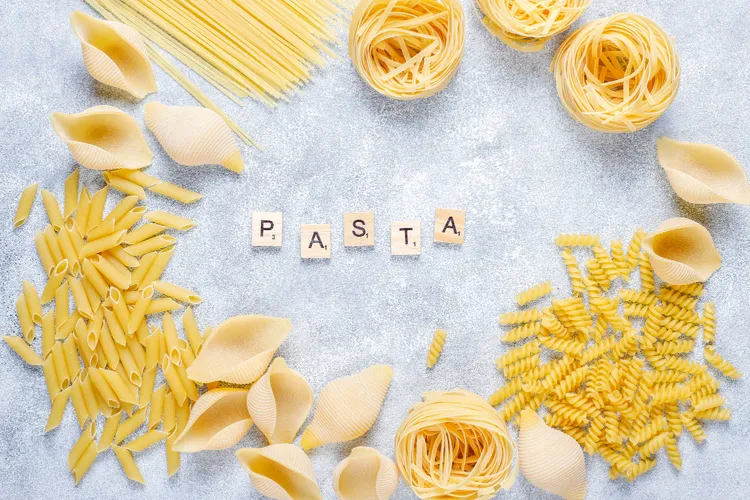
Few foods cross cultures as easily as pasta.
You’ll find it in fine dining restaurants, school cafeterias, home kitchens, and instant meals across the world. Yet pasta began as a practical solution to a simple problem: how to store grain in a form that lasts and cooks quickly.
Understanding how pasta spread globally also explains why it remains one of the easiest and smartest foods to cook today.
How Did Pasta Become a Global Food?
Pasta became global because it is inexpensive, shelf-stable, easy to transport, and adaptable to local ingredients and flavors. Advances in drying techniques, trade routes, migration, and industrial production helped spread pasta far beyond Italy, turning it into a universal comfort food.
Simply put: pasta travels well - both physically and culturally.
Why This Happens
At its core, pasta is remarkably efficient food engineering.
Traditional dried pasta contains just:
-
Durum wheat semolina
-
Water
But something important happens during mixing and drying.
Gluten Creates Structure
Durum wheat contains strong gluten proteins.
When mixed with water:
-
Proteins link together.
-
Elastic dough forms.
-
Pasta holds its shape during boiling.
This structure allows pasta to cook without falling apart.
Drying Makes Pasta Shelf-Stable
Early societies needed food that lasted months without refrigeration.
Drying pasta removes moisture, which prevents microbial growth.
That means pasta can:
-
Travel long distances.
-
Store easily.
-
Cook quickly when needed.
This made it ideal for sailors, traders, and growing cities.
In many ways, pasta functioned like an early convenience food.
Why Pasta Works With Almost Any Sauce
Another scientific advantage:
Pasta surfaces trap sauce.
Shapes create different interactions:
-
Ridges hold thick sauces.
-
Tubes capture chunky ingredients.
-
Flat noodles distribute creamy sauces evenly.
Texture design helped pasta adapt globally.
How Pasta Spread Around the World
Many people ask:
Did Marco Polo bring pasta to Italy?
Probably not.
Versions of noodles already existed across multiple regions.
Early Mediterranean Expansion
Arab traders introduced dried noodle techniques to Sicily during the Middle Ages.
Dry pasta production expanded because warm climates supported large-scale drying outdoors.
Southern Italy became a pasta hub.
Migration Changed Everything
During the late 1800s and early 1900s, Italian immigrants carried pasta traditions worldwide.
Countries including:
-
United States
-
Argentina
-
Brazil
-
Australia
quickly adopted pasta cooking.
But something interesting happened.
Local ingredients reshaped pasta dishes.
Examples:
-
Tomato-heavy sauces in America
-
Seafood pasta in coastal regions
-
Spicy adaptations in Asia
-
Cream-based Northern European versions
Pasta didn’t replace cuisines - it blended into them.
Industrial Production Made Pasta Affordable
Mechanical presses and controlled drying in the 19th century allowed mass production.
Factories could produce consistent pasta cheaply.
Affordable + filling + long-lasting = global adoption.
What Most People Get Wrong About Pasta
Myth 1: Pasta Is Popular Only Because Italy Exported It
Italy influenced pasta culture strongly, but noodles existed globally long before modern trade.
What Italy perfected was durum wheat dried pasta technology.
Myth 2: Fresh Pasta Is Always Better
Fresh and dried pasta serve different purposes.
Fresh pasta:
-
Softer texture
-
Best with delicate sauces.
Dried pasta:
-
Firmer bite (al dente)
-
Holds heavy sauces better.
Many chefs actually prefer dried pasta for everyday cooking.
Myth 3: Pasta Is Just Empty Carbs
Properly cooked pasta digests more slowly than many people expect.
Cooking pasta al dente keeps starch structure tighter, lowering how quickly sugars release during digestion.
Texture changes nutrition response.
Practical Cooking Tips: How to Cook Pasta Better at Home
Simple adjustments dramatically improve pasta results.
1. Salt the Water Properly
A common question:
Should pasta water taste salty?
Yes.
Aim for roughly:
1 tablespoon salt per 4 liters of water.
Pasta absorbs seasoning while cooking.
Sauce alone cannot fix bland pasta.
2. Use Enough Water
Crowded pasta releases starch that causes sticking.
Large pot = better movement and even cooking.
3. Save Pasta Water
Professional kitchens rarely skip this step.
Pasta water contains dissolved starch.
Adding it to sauce helps:
-
Emulsify fats.
-
Thicken naturally.
-
Help sauce cling to noodles.
Just half a cup can transform texture.
4. Finish Pasta in the Sauce
Instead of draining completely:
Transfer pasta slightly undercooked into sauce.
Cook together for 1-2 minutes.
This allows starch and sauce to bond.
Restaurant pasta tastes better largely because of this step.
Common Pasta Cooking Mistakes
-
Adding oil to boiling water (unnecessary).
-
Rinsing pasta after cooking.
-
Overcooking past softness.
-
Using too little salt.
-
Adding sauce on top instead of mixing.
Most pasta problems come from skipping final sauce cooking.
Why Restaurants Use Bronze-Die Pasta
High-quality pasta is often made using bronze dies instead of smooth metal molds.
Bronze dies create:
-
Slightly rough surfaces
-
Microscopic texture
This roughness grabs sauce better.
It’s why restaurant pasta often feels more flavorful even with simple ingredients.
Another professional secret?
Restaurants slightly undercook pasta during prep and finish it per order - guaranteeing perfect texture every time.
Why Pasta Became Comfort Food Everywhere
Beyond practicality, pasta solves modern cooking problems.
It is:
-
Fast to cook.
-
Budget-friendly.
-
Customizable.
-
Scalable for families.
Almost every culture adapted pasta to local comfort flavors.
Examples include:
-
Mac and cheese in North America.
-
Baked pasta dishes across Europe.
-
Stir-fried noodle hybrids in Asia.
-
Tomato-based family meals worldwide.
Few foods adapt this easily without losing identity.
Fun Bonus Fact
Spaghetti became globally iconic partly because of cinema.
Mid-20th century films helped popularize Italian food culture internationally, turning pasta dishes into symbols of warmth and family meals.
Food popularity sometimes spreads through culture as much as taste.
Pasta Won the World Through Simplicity
Pasta didn’t conquer global kitchens through luxury or rarity.
It succeeded because it solves practical cooking challenges:
-
Stores easily.
-
Feeds many people.
-
Works with almost any ingredient.
-
Rewards simple technique.
From medieval drying racks to modern kitchens, pasta remains proof that the smartest foods are often the simplest.
And once you understand how pasta works - salt, starch, and sauce - you can cook better meals almost effortlessly.
Key Takeaways
-
Pasta became global due to shelf stability, affordability, and adaptability.
-
Durum wheat gluten structure helps pasta maintain texture during cooking.
-
Drying technology allowed pasta to travel long distances historically.
-
Italian migration accelerated worldwide popularity.
-
Different pasta shapes are designed to hold specific sauces.
-
Salting water and finishing pasta in sauce dramatically improves flavor.
-
Bronze-die pasta holds sauce better than smooth pasta.
-
Pasta remains one of the most versatile and practical foods ever created.
Latest