Vegan Tikka Masala
Britain's most beloved curry - roasted cauliflower and chickpeas in a rich tomato-coconut cream masala. The plant-based version that works for everyone at the table.
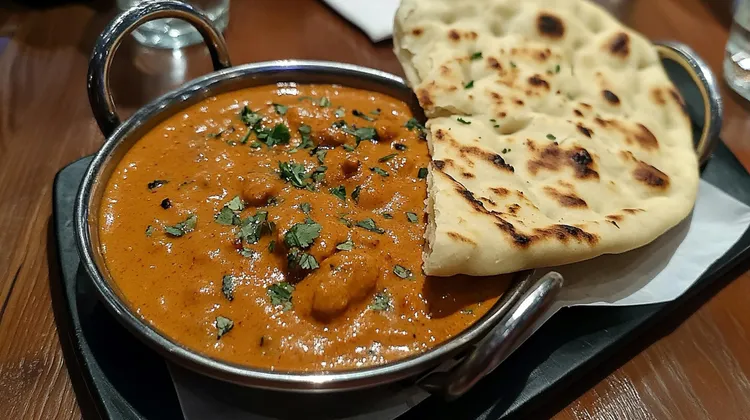
Chicken tikka masala is, depending on which food historian you consult, either a Mughal-era Indian preparation, a 1970s Glasgow invention, or a British-Asian fusion that emerged from the post-partition diaspora and the particular demands of British palates for sauced, mild curry. What is certain is that it has been Britain's most popular restaurant curry for decades - a dish that has been ordered more times, in more curry houses, than any other.
The plant-based version in this recipe works for one reason that is straightforward: tikka masala's flavour comes primarily from its sauce. The complex tomato-coconut cream masala - spiced with cardamom, cumin, coriander, and garam masala, enriched with the yogurt of the tikka marinade and the cream of the finishing - is a vehicle for the protein cooked in it. When that protein is replaced with cauliflower (marinated, roasted until charred at the edges) and chickpeas (roasted until crispy), the sauce does exactly the same work.
The char on the cauliflower and the crispiness of the chickpeas also do something that plain chicken sometimes doesn't: they add textural contrast that makes the finished dish more interesting to eat. The tender cauliflower florets that have absorbed the sauce. The slightly crispy chickpeas that provide a different resistance. Both together, against the smooth, rich masala - this is a curry worth making regardless of dietary preference.
The Tikka Marinade and Roasting: Why It Matters
Traditional chicken tikka masala is made in two stages: the chicken is first marinated in spiced yogurt and cooked over a high-heat grill or in a tandoor until charred (the tikka stage), then finished in the masala sauce. The char from the tandoor - slightly smoky, slightly caramelised - is a defining element of the dish. Without it, tikka masala tastes like a curry rather than tikka masala specifically.
This recipe replicates that char using the oven and a very high temperature. The cauliflower and chickpeas are marinated in a spiced cashew-yogurt mixture and roasted at 220°C until genuinely charred at the edges - not just golden, but with the specific dark edges that produce smoky, caramelised flavour. This roasting stage is not optional: it is the step that makes this tikka masala rather than cauliflower in curry sauce.
Ingredients
Serves 4 | Active time: 25 minutes | Total time: 1 hour
The Tikka Marinade
- 4 tbsp plain vegan yogurt (coconut or soy-based) or cashew cream thinned to yogurt consistency
- 2 tbsp neutral oil
- Juice of ½ lemon
- 2 cloves garlic, minced
- 1 tsp fresh ginger, grated
- 1 tsp ground cumin
- 1 tsp smoked paprika
- 1 tsp garam masala
- ½ tsp turmeric
- ½ tsp chili powder
- ½ tsp salt
The Tikka (Roasted)
- 1 large cauliflower (approximately 800g), broken into medium florets
- 400g canned chickpeas, drained, rinsed, and completely dried (20 minutes air-drying)
The Masala Sauce
- 3 tbsp neutral oil or ghee
- 2 medium onions, finely diced
- 5 cloves garlic, minced
- 1 tbsp fresh ginger, grated
- 2 tbsp tomato paste
- 2 × 400g tins whole tomatoes, blended smooth (use a blender or immersion blender)
- 1 tsp ground cumin
- 1 tsp ground coriander
- 1 tsp smoked paprika
- 1 tsp garam masala
- ½ tsp turmeric
- ½ tsp chili powder (adjust to heat preference)
- 4 green cardamom pods, lightly crushed
- 1 tsp sugar - balances the tomato acidity
- 200ml full-fat coconut cream - the richness and body of the sauce
- 2 tbsp cashew cream (from the Cashew Cream recipe, medium thickness) - optional but adds creaminess without coconut flavour
- Salt to taste
To Serve
- Basmati rice or naan
- Fresh coriander, roughly chopped
- Additional coconut cream drizzled
- Pickled red onion (from the Jackfruit Tacos recipe)
- Lime wedges
Method
Step 1: Marinate and roast the tikka (35 minutes)
Preheat the oven to 220°C (fan). The high temperature is essential for achieving char rather than just roasting.
Combine all tikka marinade ingredients in a large bowl. Add the cauliflower florets and dried chickpeas. Toss to coat completely - every surface should be covered in the spiced marinade.
Spread on two sheet pans in single layers - the cauliflower on one, the chickpeas on the other (they have different optimal roasting times). Do not crowd.
Roast:
- Cauliflower: 25-30 minutes, turning once at 15 minutes, until deeply golden and charred at the edges
- Chickpeas: 20-25 minutes, shaking once at 12 minutes, until golden and crispy
The char on the cauliflower is the target - the edges should be darkened, even slightly burnt-looking. This is correct and desirable. Set aside.
Step 2: Build the masala sauce (20 minutes)
Heat 3 tbsp of oil in a large, heavy-based pan over medium-high heat. Add the onions and cook for 10-12 minutes until deeply golden. As with the dal makhani, the deep caramelisation of the onions is a specific flavour contribution - cook them past golden into the light-brown stage.
Add the garlic, ginger, and cardamom pods. Cook for 2 minutes.
Add the tomato paste. Stir and cook for 90 seconds until darkened.
Add all the dry spices (cumin, coriander, smoked paprika, garam masala, turmeric, chili powder). Cook for 60 seconds, stirring - the spices bloom in the oil.
Pour in the blended tomatoes and sugar. Stir to combine. Bring to a simmer and cook, stirring regularly, for 12-15 minutes until the sauce has thickened and darkened considerably - it should be deep orange-red, thick, and slightly glossy. The oil may begin to separate to the surface (the bhuna stage in Indian cooking - a sign that the tomato water has cooked off and the sauce is properly reduced).
Step 3: Add the cream and finish
Reduce the heat to low. Add the coconut cream and cashew cream (if using). Stir to incorporate - the sauce will lighten in colour and become richer and smoother. Taste for seasoning: more salt, more garam masala for warmth, more chili for heat.
Remove the cardamom pods (or leave them in - they are not harmful but the pods themselves are not eaten).
Step 4: Add the tikka and serve
Add the roasted cauliflower and chickpeas to the masala sauce. Fold gently to coat - try to preserve the shape of the cauliflower rather than breaking it down. Simmer for 5 minutes to allow the flavours to meld.
Taste one final time. The sauce should be: rich, slightly smoky, complex with spice, and balanced between the sweetness of the coconut cream and the acidity of the tomatoes.
Serve immediately over basmati rice or with warm naan. Garnish with fresh coriander, a drizzle of coconut cream, pickled red onion, and a squeeze of lime.
For Mixed Households: The Two-Pan Approach
This recipe is ideal for households where some eat meat and some don't. The masala sauce can be made in a large batch. Divide it in two. In one pan, add the roasted cauliflower and chickpeas. In the other pan, add grilled chicken tikka (marinated in the same tikka marinade, grilled or oven-roasted). Both sauces simmer for 5 minutes. Serve from separate pans at the table - the same flavour experience, different proteins.
Variations
Paneer-Style Firm Tofu Tikka Masala
Replace the cauliflower with 400g of pressed, firm tofu cut into 2cm cubes. Marinate and roast at 220°C for 20-25 minutes until golden and slightly charred. The tofu cubes absorb the marinade beautifully and produce a result similar to traditional paneer tikka masala. Keep the chickpeas alongside.
Spinach-Added (Saag Tikka Masala)
Add 200g of baby spinach to the sauce in the final 2 minutes of simmering before adding the tikka. The spinach wilts rapidly into the sauce and adds colour, iron, and a slight earthiness that complements the tomato-coconut base.
With Peas and Potatoes (Aloo Matar Tikka)
Add 300g of small new potatoes (boiled until just tender) and 150g of frozen peas to the masala sauce before adding the tikka. This version is more substantial and requires less roasting - a weeknight shortcut that reduces the tikka stage to chickpeas only.
Pro Tips
- Blend the tinned tomatoes before adding. Blended tomatoes produce a smoother, more restaurant-quality sauce than hand-crushed tomatoes. Use an immersion blender directly in the tin (carefully) or blend in a jug. The difference in the finished sauce texture is significant.
- The onion cooking time is the most skipped step. Ten to twelve minutes is the minimum. The onions must be deeply golden - past the "translucent and soft" stage that most cooks stop at - to produce the rich, caramelised flavour base that tikka masala requires.
- Serve the tikka components slightly separately. When adding the cauliflower and chickpeas to the sauce, fold gently rather than stirring vigorously. Preserved intact florets and whole chickpeas produce a more texturally interesting dish than a uniform sauce.
- Make double the masala sauce. The sauce freezes beautifully for up to 3 months. Having frozen masala sauce in the freezer reduces the tikka masala preparation to roasting the tikka and warming the sauce - a 35-minute dinner.
Common Mistake: Not Achieving Char on the Cauliflower Cauliflower tikka that is golden but not charred tastes of roasted cauliflower. Cauliflower tikka that is genuinely charred at the edges - with dark, slightly smoky patches - tastes of tikka. The difference is the temperature (220°C minimum, not 180°C) and the courage to leave it in the oven until the edges are genuinely dark. Most home cooks pull cauliflower from the oven the moment it looks "done." For tikka masala, it should stay in until it looks slightly overdone. That char is the flavour.
FAQ
Q: Can I make this without a vegan yogurt for the marinade?
Yes - replace the vegan yogurt with cashew cream (medium thickness) or just the oil-and-lemon base without any dairy substitute. The yogurt in a tikka marinade provides acidity and some protein that helps the marinade cling to the cauliflower; cashew cream and lemon juice together provide the acidity and cling without needing a dedicated dairy-free yogurt.
Q: How do I make this gluten-free?
It is naturally gluten-free as written - all the spices, tomatoes, coconut cream, and vegetables contain no gluten. Check the vegan Worcestershire sauce if using. Serve with rice rather than naan.
Q: Can I use a jar of tikka masala sauce instead of making it from scratch?
Yes - for a weeknight shortcut, use a good-quality jarred tikka masala sauce (check it is dairy-free - some contain cream). Focus your effort on the tikka roasting stage (which makes the biggest flavour difference) and use the jar for the sauce. The result is significantly better than using both jar sauce and plain roasted vegetables.
🔗 Continue Cooking
Latest