The Smell Trick Restaurants Use to Make Food Taste Better
The most powerful thing a restaurant does to make food taste good happens before you take a single bite - and most diners never notice it. Smell accounts for up to 80% of what we perceive as flavor, and professional kitchens are deliberately engineered around this fact. Understanding the smell-flavor connection is one of the highest-leverage things a home cook can learn.

You're Tasting With Your Nose More Than Your Tongue
Walk into a great restaurant and something happens immediately - before you sit down, before you see the menu, before a single dish arrives. You smell something. Butter browning. Garlic in hot oil. Wood smoke. Fresh bread. And suddenly you're hungry in a way you weren't thirty seconds ago.
That's not ambient atmosphere. That's deliberate.
The most sophisticated thing a professional kitchen does has nothing to do with technique or plating - it's controlling what you smell and when you smell it, because smell is the primary driver of what humans experience as flavor. Restaurants have known this for decades. Most home cooks haven't been told.
What Is the Restaurant Smell Trick?
Restaurants engineer aromatic cues - deliberate smells released at specific moments - to prime the brain for flavor before food is ever tasted. This works because up to 80% of perceived flavor comes from smell, not taste. The tongue can only detect five basic tastes (sweet, salty, sour, bitter, umami), but the nose can distinguish thousands of aromatic compounds.
By releasing specific aromas at the right moment - sizzling a dish tableside, finishing with fresh herbs, brushing butter on a steak right before serving - restaurants activate flavor perception in the brain before the food even touches the tongue, making the first bite taste more intense and satisfying than it would otherwise.
Why This Happens: The Science of Retronasal Smell
Two Kinds of Smell - And Why One Is More Important
There are two ways smell affects flavor. Most people only know about the first one.
Orthonasal smell is what you experience when you sniff something directly - the aroma rising off a bowl of soup, the smell of coffee brewing. It's smell through the front of the nose.
Retronasal smell is what happens when you chew and swallow food. Aromatic compounds are released as you break down food in your mouth, travel up the passage connecting your mouth and nose from the inside, and reach the olfactory receptors in your nasal cavity from behind. This is the primary mechanism of flavor.
When you "taste" that a wine is fruity or that a sauce is complex, almost all of that perception is coming from retronasal smell - not from your tongue. Your tongue is telling you: salty, sweet, rich, acidic. Your nose is telling you: strawberry, oak, vanilla, pepper. Together, they create what we call flavor.
Why Smell Before Eating Primes Flavor
Here's where it gets practically useful. Research in sensory psychology shows that smelling a food before eating it activates the brain's flavor processing regions in advance, essentially setting an expectation that amplifies the eating experience itself.
When you smell garlic browning in oil, your brain starts building a flavor model - anticipating richness, depth, and savory intensity. When the food arrives and confirms that expectation, the flavor registers as more complete and satisfying than if it had arrived without the olfactory preview.
This is called olfactory priming, and restaurants exploit it constantly. It's why tableside preparations, sizzling plates, and open kitchens aren't just theater - they're functional flavor enhancement.
What Most People Get Wrong About Smell and Cooking
Mistake 1: Thinking flavor lives mostly in the tongue. The tongue detects five tastes. The olfactory system detects thousands of aromatic compounds. When people say a dish "lacks depth" or "tastes flat," the problem is almost always aromatic - not a salt or acid issue. Developing the smell component of a dish is the fastest way to make food taste more complex.
Mistake 2: Releasing aromatics too early. Garlic cooked for 20 minutes smells completely different from garlic cooked for 2 minutes. Onions reduced for 45 minutes smell sweet and caramelized, not pungent. Many of the aromatic compounds in herbs, spices, and alliums are volatile - they evaporate with heat and time. Releasing them early means they're mostly gone by the time the food reaches the table.
Mistake 3: Adding fresh herbs to the pot instead of the plate. Fresh herbs added to a simmering dish for extended cooking lose almost all of their aromatic impact. Their volatile compounds - the molecules responsible for the smell of basil, cilantro, and parsley - evaporate within the first few minutes of heat exposure. What remains is color and a muted background note. Fresh herbs should almost always be added at the very end of cooking, or placed directly on the finished dish just before serving.
Mistake 4: Cooking in a ventilated kitchen without thinking about it. Professional kitchens often have very powerful extraction, but they still control what smells reach the dining room. Home cooks running maximum ventilation while cooking sometimes extract all the aromatic cues that would otherwise build appetite and anticipation. There's a case for occasionally letting aromas drift through the house while cooking - it's not just pleasant, it genuinely prepares your guests to enjoy the meal more.
Mistake 5: Underestimating the power of fat as an aroma carrier. Aromatic compounds are fat-soluble, not water-soluble. This means they bind to and are carried by fat - butter, oil, cream. Finishing a dish with a pat of butter doesn't just add richness; it picks up and carries aromatic compounds onto the surface of the food and into the air. This is a major reason butter-finished sauces smell and taste more complex than the same sauce without the finish.
Practical Cooking Tips: Engineering Smell at Home
Time Your Aromatic Releases
Think about when each aromatic component hits its peak - and work backwards from serving.
- Garlic and alliums: Add early for depth and sweetness, or add raw/late for sharp, present aroma. Decide which you want and act accordingly.
- Dried spices: Toast in dry fat at the start of cooking to release fat-soluble aromatic compounds into the cooking medium.
- Fresh herbs: Add in the final 30 seconds of cooking or directly to the plate at serving time.
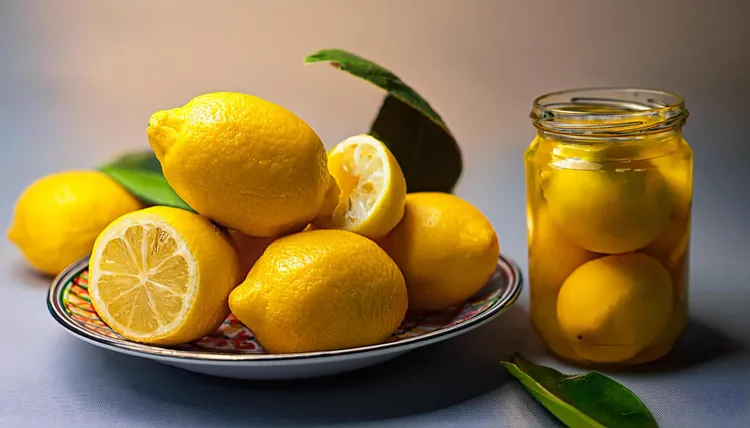
- Citrus zest: Add at the very end. The volatile oils in zest are among the most fragile aromatics in cooking - heat destroys them almost immediately.
- Finishing with butter or good olive oil: Swirl in off the heat to preserve aromatic compounds and carry them through the dish.
The Tableside Sizzle at Home
One of the most effective restaurant techniques - finishing a dish with a small amount of hot fat, herbs, or aromatics right at the table - is completely achievable at home.
The method: plate your dish in the kitchen. Just before serving, heat a small amount of butter or olive oil in a separate pan until very hot. Add a pinch of fresh aromatics (rosemary, thyme, minced garlic, sliced chili). Let them sizzle for 10-15 seconds. Pour directly over the plated dish at the table.
The sizzle releases a burst of aromatic compounds right at the moment of serving - directly in front of the person eating. It's a dramatic olfactory primer delivered at exactly the right moment.
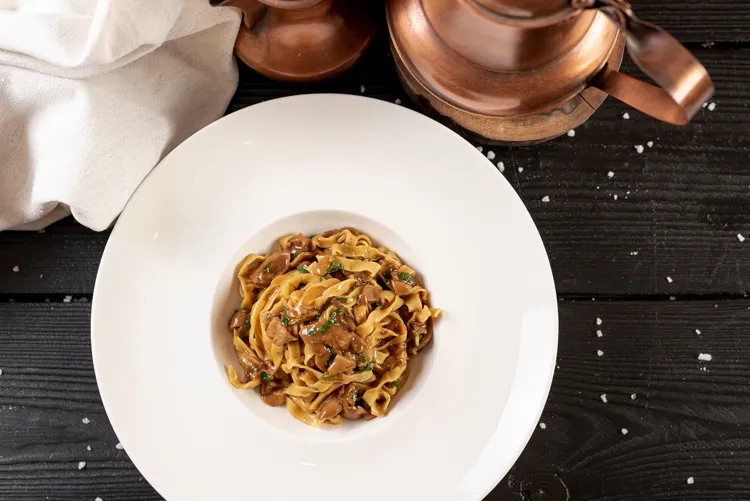
This works brilliantly with steak, fish, roasted vegetables, and pasta.
Use Steam as an Aroma Delivery System
Lidded serving dishes and covered bowls aren't just for keeping food warm - they trap aromatic steam. Lifting the lid at the table releases a concentrated burst of the dish's full aromatic profile directly toward the person eating.
This is why dishes like tagines, ramen, and French onion soup are traditionally served in containers that trap and release steam - the unveiling moment is a deliberate flavor primer.
Replicate it at home by covering plated dishes loosely with a lid or foil just before bringing them to the table.
Match Aromatic Intensity to Dish Complexity
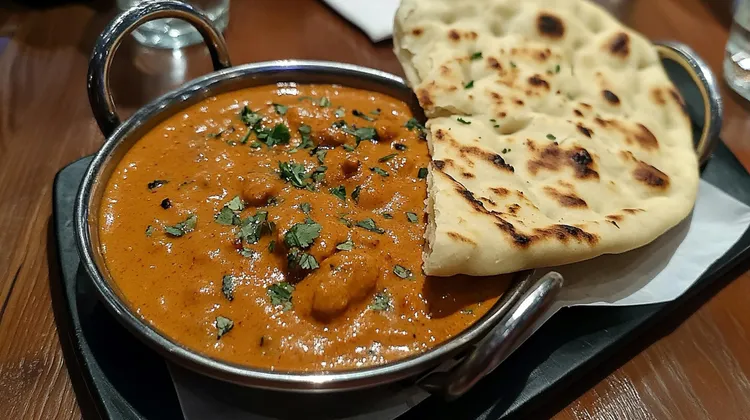
Delicate dishes (poached fish, light vegetable preparations) can be overpowered by heavy aromatics. Bold dishes (braises, roasts, curries) can handle and benefit from layered aromatic additions at multiple stages. The rule: build aromatic complexity proportional to the overall flavor weight of the dish.
The Bread Timing Trick
Many restaurants serve bread not just as a hospitality gesture but at a very deliberate moment - typically 5 to 10 minutes after seating, when guests are reading the menu and beginning to feel settled.
The timing is calculated. Warm bread releases yeasty, buttery, slightly sweet aromas that are among the most universally appetite-stimulating smells humans can experience. Serving it before guests have ordered primes them for a fuller, more satisfying meal experience - and research consistently shows that people who smell appealing food aromas before eating report higher satisfaction with the meal overall.
Some restaurants also pipe or deliberately allow bread-baking or roasting aromas into the dining room ventilation during service. Others position open kitchens specifically so the pass - where finished dishes are plated - is visible and smellable from the dining room.
The goal in every case is the same: get aromatic compounds into the air around diners before food arrives, so the eating experience arrives pre-amplified.
Home application: if you're hosting, time your most aromatic cooking steps (browning butter, blooming spices, finishing a roast) to coincide with guests arriving or sitting down. The timing of smell is part of the cooking.
You Can't Taste Food When You Can't Smell It
This is the most direct demonstration of how much smell drives flavor - and almost everyone has experienced it without realizing what it meant.
When you have a head cold and your nose is blocked, food tastes almost completely flat. You can still detect salt, sweetness, and basic taste signals. But the complexity, the character, the "this is chicken soup" recognition - essentially gone.
This effect is so complete that researchers studying smell disorders (anosmia) consistently find that patients report food tasting like "cardboard" or "nothing" even when their taste buds are fully functional. The food is delivering exactly the same chemical signals to the tongue. But without olfactory input, the brain can't construct the full flavor experience.
Flavor, in the fullest sense of the word, is largely a construction that happens in the brain - assembled from taste, smell, texture, temperature, and expectation. Smell is the dominant input. Everything else is supporting information.
Smell Is the First Ingredient
The restaurant smell trick isn't a trick at all - it's an understanding of how flavor actually works, applied with intention. Smell is not atmosphere. It's not ambiance. It's the primary mechanism through which humans experience the complexity of food.
Controlling when and how aromatics are released - finishing with fresh herbs, adding a hot fat drizzle tableside, covering dishes to trap and release steam, timing aromatic cooking to coincide with guests arriving - gives you influence over flavor perception before the first bite is taken.
The most overlooked question in home cooking isn't "does this taste right?" It's "does this smell right, and does it smell right at the right moment?" Start asking that, and every dish you make becomes more satisfying.
In Short
- Up to 80% of perceived flavor comes from smell, not taste. The tongue detects five basic tastes; the nose detects thousands of aromatic compounds that create flavor complexity.
- Retronasal smell - aroma released during chewing that travels to the nose from inside the mouth - is the primary mechanism of flavor perception.
- Olfactory priming is real. Smelling food before eating it activates flavor-processing regions in the brain and makes the eating experience more intense and satisfying.
- Aromatic compounds are volatile - they evaporate with heat and time. Add fragile aromatics (fresh herbs, citrus zest, raw garlic) at the end of cooking or directly to the plate.
- Fat carries aromatic compounds. Finishing dishes with butter or good olive oil delivers aromatics onto the surface of food and into the air - this is why butter-finished sauces smell more complex.
- The tableside sizzle - pouring hot aromatic fat over a plated dish at the table - is a restaurant technique any home cook can use for immediate impact.
- Cover dishes before serving and uncover at the table to trap and release aromatic steam as a concentrated flavor primer.
- Time your most aromatic cooking steps (browning butter, blooming spices, roasting) to coincide with guests arriving - smell anticipation is part of cooking.
- When your nose is blocked by a cold, food tastes flat - not because your taste buds have changed, but because without smell, the brain cannot construct full flavor. This proves that flavor is primarily smell.
Latest