The Ultimate Guide to Global Street Food at Home
Everything you need to cook the world's greatest street food - without leaving your kitchen
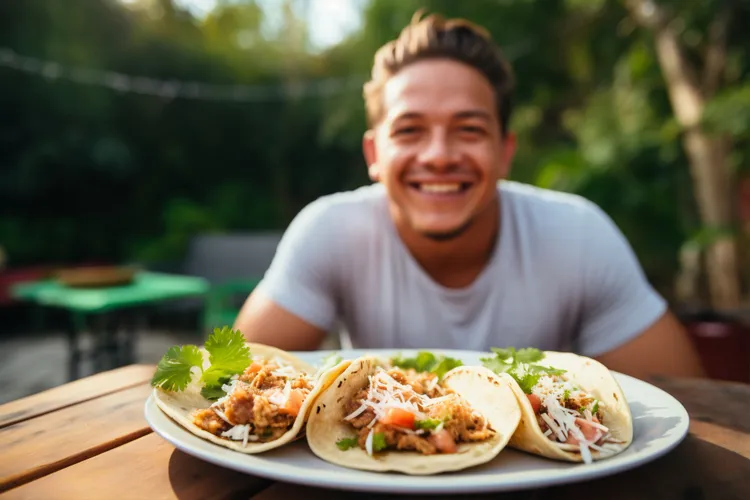
Street food is the most honest category in cooking.
No white tablecloths. No tasting menus. No twelve-ingredient sauces that take three days to reduce. Street food is what happens when a cook with a single burner, a bag of ingredients, and decades of muscle memory feeds a hundred people before noon. It is cooking stripped to its essentials - maximum flavor, minimum equipment, speed that doesn't compromise anything.
And it is, without question, the most delicious food on earth.
The charred edges of a Korean tteokbokki pulled from a pojangmacha cart in Seoul at midnight. The snap of a perfectly fried arancini in a Palermo market at eleven in the morning, still too hot to eat but impossible not to. A Mexican taco al pastor carved from a vertical spit on a street corner in Mexico City, a sliver of pineapple landing on top with practiced precision. Pani puri in Mumbai - the hollow crispy shell, the explosion of tamarind water, the entire thing eaten in one bite that somehow contains the flavor of an entire meal.
These dishes are not complicated. They were never meant to be. They were designed to be made quickly, served cheaply, and eaten standing up. Which means that with the right knowledge - the techniques, the pantry, the understanding of why each dish works - they are entirely achievable at home.
This is that knowledge.
What Street Food Actually Is
Before the recipes: a working definition, because "street food" has been diluted by the word's popularity into meaning almost any casual food from abroad.
True street food has three defining characteristics.
It is specific to its place. Arancini are Sicilian, not generally Italian. Bánh mì is Vietnamese, not generically Asian. Al pastor tacos are from Mexico City, informed by Lebanese shawarma brought by Lebanese immigrants in the 19th century. Street food is always the product of a particular place, a particular history, and a particular community's eating habits. Understanding that specificity is what separates a genuinely good recreation from a generic approximation.
It is made by specialists. The best street food vendors do one or two things and have done them every day for years - sometimes decades. The tteokbokki ajeossi who has been making the same sauce since 1987. The Sicilian arancina maker who learned the recipe from her grandmother, who learned it from hers. This is the standard against which home cooking is measured - not the home cook's previous attempt, but the accumulated expertise of generations.
It prioritises flavor above everything else. Street food has no dining room, no ambience, no service to compensate for food that isn't quite right. The food has to be extraordinary on its own terms. This is why street food techniques - the marinades, the fermented sauces, the specific ratios, the timing - have been refined so precisely. Nothing superfluous survives in street food. Every element earns its place.
The Philosophy of Cooking Street Food at Home
There are two schools of thought on cooking international food at home, and they produce very different results.
The substitution school: Replace everything that's hard to find with something easier. Can't find tamarind? Use lemon juice. No gochujang? Use sriracha. No masa harina? Use regular flour for the tortillas.
The fidelity school: Source the real ingredients, learn the real technique, make the real dish.
We are firmly in the fidelity school - with one important nuance.
Fidelity doesn't mean perfectionism. It means understanding which elements are essential and which are flexible. In pad thai, the tamarind is essential - it is the acid backbone that defines the dish. The specific brand of fish sauce is not essential. In tteokbokki, the gochujang is essential and irreplaceable. The brand of rice cakes is flexible.
Every recipe in this collection identifies the non-negotiables - the ingredients and techniques that define the dish - and is honest about where flexibility exists. The goal is always a dish that tastes genuinely of its origin, not a dish that looks like the original but has been quietly hollowed out of everything that makes it interesting.
📖 Before you cook: The two pantry guides in this collection - The Essential Asian Street Food Pantry and The South Asian Street Food Pantry - are the most important posts to read first. Most of the ingredients that feel unfamiliar are straightforward to find and keep indefinitely. Buy them once; cook from them for years.
The Universal Techniques
Street food across every culture on earth draws on a surprisingly small set of fundamental techniques. Master these and you have the foundation for almost every recipe in this collection.
1. The Marinade
Almost every street food protein - souvlaki, anticuchos, al pastor, yakitori, satay - begins with a marinade. The marinade does three things: it seasons the meat through osmosis, it tenderises through the action of acid or enzymatic compounds, and it creates the surface conditions for the Maillard reaction (browning) when heat is applied.
The formula: Acid (vinegar, citrus, yogurt, tamarind) + fat (oil) + aromatics (garlic, ginger, onion) + seasoning (salt, spice) + optional enzymatic tenderiser (papaya, pineapple, kiwi - used in Latin American preparations).
The timing: Longer is not always better. Delicate proteins (fish, shrimp) tenderise in 15-30 minutes; longer and the acid begins to denature the protein in a way that produces an unpleasant texture. Chicken and pork benefit from 2-12 hours. Beef can go up to 24 hours for tough cuts. See Greek Souvlaki at Home and Mexican Street Tacos for the specific marinade timing logic of each dish.
2. The Wok Toss (and the Home Workaround)
Authentic pad thai, Chinese-style fried noodles, and similar wok-based street food require "wok hei" - the smoky, charred character that comes from extremely high heat, rapid movement, and the brief moment when food is tossed above the flame into air that reaches temperatures no domestic cooker can achieve.
At home, you will not achieve true wok hei. You can get reasonably close with the right approach: the hottest burner on your cooker, a carbon steel wok preheated until smoking, cooking in small batches (never overloading the wok, which drops the temperature), and not stirring continuously - letting ingredients sit in contact with the hot surface long enough to char at the edges.
The full technique - including the "dry pan flash" method and when to use a cast iron pan instead of a wok - is covered in Thai Pad Thai: The Street Stall Recipe, Made at Home.
3. The Fry
Deep frying is the technique that most home cooks fear and that most street food requires. Arancini, coxinha, pani puri, churros, croquetas, Korean corn dogs - the list of essential fried street foods is very long.
The fear is understandable but mostly misplaced. Deep frying at home is safe and straightforward with the right equipment and the right knowledge. The full guide - oil selection, temperature control, how to know when oil is ready, how to avoid sogginess, how to drain and hold fried food - is at How to Fry Like a Street Food Vendor: The Complete Home Guide. Read it before attempting any fried recipe in this collection.
The essentials: Use a deep, heavy-based pan (a Dutch oven is ideal). Use an oil with a high smoke point (sunflower, vegetable, peanut). Use a thermometer - oil temperature is the single variable that most affects whether fried food is crispy or soggy, light or greasy. Never fry more than a few pieces at a time.
4. The Flatbread
Corn tortillas, pita, socca, roti, naan - flatbreads are the vessel that carries street food across every culture. And unlike most bread, flatbreads are fast: most are ready in 30 minutes or less, most require no yeast or leavening, and all of them are dramatically better made fresh than bought from a packet.
The universal flatbread principle: High heat, short time, direct contact with a dry pan. A cast iron pan or a heavy skillet is ideal. The aim is a light char at the edges - the dark spots that give flatbread its flavor - rather than even, pale cooking throughout.
Specific techniques for corn tortillas are covered in Mexican Street Tacos; for pita in Greek Souvlaki at Home; for socca in How to Make Socca.
5. The Sauce
Street food without its sauce is a dish missing its point. The gochujang in tteokbokki isn't a condiment - it is the dish. The nuoc cham in a Vietnamese bánh mì isn't optional - it is the acid-sweet-salty balance that makes every other element in the sandwich make sense. The tamarind water in pani puri is the entire flavor experience contained in one explosive bite.
Understanding the sauce - its ingredients, its balance of sweet/sour/salt/heat, and how to adjust it - is often the most important skill in any given street food recipe. The complete sauce collection for this pillar is at The Street Food Sauce Bible: 15 Sauces from 15 Countries, which covers every sauce in this collection in one comprehensive reference post.
The Recipes: A Map of the World
Europe
Italy - Sicily Arancini are the distilled genius of Sicilian cucina povera - yesterday's risotto transformed, breaded, and deep-fried into something so good it has become the most iconic street food of the island. The key is in the risotto base (properly made, not substituted) and the temperature of the oil. → The Perfect Arancini: Sicily's Greatest Street Food at Home
Spain The mercado culture of Madrid and Barcelona produces some of the most accessible and immediately pleasurable street food in Europe - dishes that require minimal technique and produce maximum reward. Five recipes from patatas bravas to churros, each with a cultural note and a dietary variation. → Spanish Street Food: 5 Recipes from the Markets of Madrid
France - Provence Socca is the chickpea flour pancake of Nice - five ingredients, no yeast, cooked under a screaming grill, naturally vegan and gluten-free. One of the most beginner-friendly recipes in this entire collection and one of the most shareable. → How to Make Socca: The Chickpea Flatbread of the French Riviera
Greece The souvlaki stand is the most democratic institution in Greek food culture - open late, cheap, brilliant. The marinade is simple. The technique is simple. The result is one of the most satisfying things you can cook outdoors. → Greek Souvlaki at Home: The Complete Guide
Asia
Korea Tteokbokki began as a royal court delicacy and became the street food of choice for schoolchildren and late-night revellers alike - chewy rice cakes in a gochujang broth that is simultaneously spicy, sweet, and addictive in a way that's difficult to explain until you've had it. → Korean Tteokbokki: The Spicy Rice Cake Dish Taking Over the World
Vietnam The bánh mì is one of the great culinary accidents of history - the French baguette, colonialism's most edible legacy, repurposed by Vietnamese cooks into something the French never imagined. Quick-pickled vegetables, pâté, herbs, Maggi mayo, and a ratio of textures that is close to perfect. → Vietnamese Bánh Mì: Building the Perfect Sandwich at Home
Thailand Pad thai is the most searched Thai dish in the world and one of the most frequently made badly at home. The difference between a good pad thai and a great one is entirely in the sauce - proper tamarind, no ketchup, the right fish sauce balance. → Thai Pad Thai: The Street Stall Recipe, Made at Home
Japan - Osaka Takoyaki - octopus-filled batter balls sold from the stalls of Dotonbori - are Osaka's love letter to street food and one of the most joyful cooking experiences in this collection. The pan is the only specialist equipment required. → Japanese Takoyaki: Osaka's Favourite Street Food at Home
The Pantry None of the Asian recipes in this collection are possible without the right pantry. The complete guide to what to buy, where to find it, and how to store it. → The Essential Asian Street Food Pantry
Latin America
Mexico Street tacos are one of the most misunderstood foods in Western cooking - served too large, with the wrong tortilla, in the wrong ratio, with toppings that belong in a different dish entirely. This is the corrective: proper corn tortillas, proper al pastor marinade, proper construction. → Mexican Street Tacos: The Only Taco Guide You'll Ever Need
Peru Anticuchos are the best street food that most Western cooks have never heard of - beef heart skewers marinated in aji panca and cumin, grilled over charcoal, with a history that runs from Inca civilization through Spanish colonialism to the street corners of modern Lima. → Peruvian Anticuchos: The Street Food Secret of Lima
Brazil Coxinha - the teardrop-shaped, shredded chicken croquette - is Brazil's most beloved salgadinho, found in every padaria and sold by street vendors across the country. The dough is the technique; once you have it, everything else is assembly. → Brazilian Coxinha: The Teardrop Croquette Everyone's Obsessed With
South Asia
India Pani puri is the most theatrical street food in the world - a hollow, crispy shell filled with spiced potato and chickpeas, filled to the brim with icy tamarind water, and eaten in one explosive, complete-meal bite. Nothing else in this collection produces quite the same reaction. → Indian Pani Puri: The Street Food That Explodes in Your Mouth
Pakistan & South Asia Chaat masala is the spice blend behind South Asian street food flavor - the tangy, black-salted, cumin-forward powder that transforms a piece of fruit into a snack and a fried bite into something extraordinary. Make it once; use it on everything. → Pakistani Chaat Masala: The Spice Blend That Makes Everything Better
The Pantry The complete guide to South Asian pantry essentials - tamarind, kala namak, besan flour, curry leaves, and everything else that makes these dishes possible. → South Asian Street Food Pantry: The Ingredients Behind the Flavor
Cross-Regional Guides
The Sauce Bible Fifteen sauces from fifteen countries - tzatziki, gochujang mayo, nuoc cham, tamarind chutney, salsa verde, harissa, aji amarillo, nam jim, chimichurri, tahini, miso tare, romesco, raita, peri peri, zhug. Every sauce in this collection, with full recipes and pairing guides. → The Street Food Sauce Bible: 15 Sauces from 15 Countries
The Frying Guide The technique guide that unlocks the fried recipes in this collection - oil, temperature, equipment, timing, draining, and holding. Read this before making arancini, coxinha, pani puri, or churros. → How to Fry Like a Street Food Vendor: The Complete Home Guide
30-Minute Street Food The ten fastest recipes in this collection - from socca (20 minutes) to tteokbokki (25 minutes) to souvlaki (30 minutes with pre-marinated chicken). When you want the world on a weeknight. → 10 Street Food Dishes You Can Make in 30 Minutes or Less
Building Your Street Food Kitchen
You don't need specialist equipment to cook most of the recipes in this collection. You need a few pieces of general kit used with intention.
The cast iron pan or heavy skillet is the closest thing to a universal street food tool - it retains heat for flatbreads, sears proteins for souvlaki and tacos, and creates the dry, high-heat environment that most street food techniques require. If you have one piece of equipment, this is it.
The wok (carbon steel, not non-stick) is essential for pad thai and any toss-fried noodle or rice dish. A 32cm wok handles most home cooking volumes. Season it properly before first use and it will last a lifetime.
The deep, heavy-based pot (a Dutch oven or large saucepan) is the home fryer. Fill it one-third with oil, use a thermometer, and it outperforms most dedicated deep fryers for the recipes in this collection.
The food thermometer is, arguably, the most important tool in this kitchen. Oil temperature for frying (165-180°C depending on the dish), internal temperature of cooked proteins, water temperature for matcha preparations - a reliable instant-read thermometer removes guesswork from every technique-dependent recipe in this collection.
The takoyaki pan is the only genuinely specialist piece of equipment required by any recipe in this blog - and it is inexpensive, compact, and produces a result (perfectly round, crispy-outside-molten-inside batter balls) that no workaround quite matches. See Japanese Takoyaki for alternatives.
The Pantry Philosophy
Most of the flavor difference between street food made at home and street food bought from a vendor comes not from technique but from ingredients - specifically, from the fermented, dried, and preserved ingredients that form the flavor backbone of each cuisine.
Gochujang is not just chili paste. It is fermented chili paste - weeks or months of fermentation that develop glutamates and organic acids that create a depth no fresh chili preparation can replicate. Fish sauce is not just salt water. It is the product of a year or more of fermentation, concentrated into a few drops that add a savory depth to Vietnamese and Thai cooking that is completely irreplaceable.
These ingredients are not expensive. They are not difficult to find - our pantry guides cover exactly where to look. They keep for months or years. And they are the single most effective investment you can make in the quality of your home cooking.
Start here:
For Asian recipes: gochujang, fish sauce, tamarind paste, mirin, sesame oil, rice flour. Full guide: The Essential Asian Street Food Pantry.
For South Asian recipes: chaat masala (or make your own: recipe here), tamarind paste, besan flour, kala namak, curry leaves. Full guide: South Asian Street Food Pantry.
For European recipes: quality olive oil, smoked paprika, dried oregano, good canned tomatoes. Most European street food builds from pantry staples you likely already have.
For Latin American recipes: masa harina (for corn tortillas - nothing substitutes), dried aji panca or aji amarillo chiles, achiote paste or annatto powder, good chipotle in adobo. Most Latin American street food pantry essentials are available online or in Latin grocery stores.
A Note on Authenticity
This is a question that comes up whenever a Western kitchen attempts to cook food from another culture, and it deserves a direct answer.
We use the word "authentic" carefully in this collection. In most cases, what we mean is: faithful to the essential character of the dish - its flavor profile, its technique, its defining ingredients - rather than "identical to one specific vendor's version in one specific city."
Street food is not a museum exhibit. Every dish in this collection has regional variations, family variations, individual vendor variations. Tteokbokki in Incheon is different from tteokbokki in Busan. Al pastor in Guadalajara is different from al pastor in Mexico City. The concept of a single authentic version of any of these dishes is a myth that serves nostalgia better than it serves cooking.
What we aim for is a dish that, if served to someone who grew up eating the original, would produce recognition and pleasure - not a dish they would identify as exactly what they had on a particular street corner, but a dish they would identify as honestly made and genuinely flavored. That is the standard we cook to, and the standard we ask of you.
Getting Started: Where to Begin
If you've never cooked any of these cuisines before: Start with Socca (5 ingredients, 20 minutes, impossible to fail) or Patatas Bravas (pantry ingredients, beginner technique, extraordinary result). Build confidence before moving to the frying and fermented-ingredient recipes.
If you cook Asian food occasionally: Go directly to Tteokbokki - the most beginner-friendly of the Asian recipes, requiring only gochujang (one ingredient worth sourcing) and widely available rice cakes. From there, Pad Thai with proper tamarind, then Bánh Mì once you're comfortable with the pickled vegetables.
If you want to tackle something ambitious: Pani Puri is the most technically demanding recipe in this collection - the hollow-shell frying technique requires practice. Coxinha is demanding in a different way - the dough technique and shaping require patience. Both reward the effort completely.
If you want the fastest possible win: 10 Street Food Dishes You Can Make in 30 Minutes or Less - the fastest recipes, curated and sequenced.
The Recipes, Complete
| Dish | Region | Difficulty | Time | Vegan Option |
|---|---|---|---|---|
| Arancini | Sicily, Italy | Intermediate | 90 min | ✅ Mushroom truffle |
| Spanish Street Food: 5 Recipes | Spain | Mix | 20-60 min | ✅ Multiple |
| Socca | Nice, France | Beginner | 20 min | ✅ Always vegan |
| Greek Souvlaki | Greece | Beginner | 30 min + marinade | ✅ Halloumi |
| Korean Tteokbokki | Korea | Beginner | 25 min | ✅ Kombu broth |
| Vietnamese Bánh Mì | Vietnam | Intermediate | 45 min | ✅ Tofu |
| Thai Pad Thai | Thailand | Intermediate | 30 min | ✅ Tofu |
| Japanese Takoyaki | Osaka, Japan | Intermediate | 45 min | ✅ Mushroom |
| Mexican Street Tacos | Mexico | Mix | 45 min | ✅ Mushroom-chipotle |
| Peruvian Anticuchos | Peru | Intermediate | 30 min + marinade | ✅ Mushroom |
| Brazilian Coxinha | Brazil | Intermediate | 90 min | ✅ Jackfruit |
| Indian Pani Puri | India | Advanced | 60 min | ✅ Always vegan |
| Pakistani Chaat Masala | South Asia | Beginner | 15 min | ✅ Always vegan |
FAQ
Q: Do I need specialist equipment for any of these recipes?
Only one recipe in this collection requires a specialist tool: takoyaki needs a takoyaki pan - a cast iron or non-stick pan with hemispherical moulds. It is inexpensive (£15-£30) and available on Amazon or in Asian kitchen stores. Every other recipe in this collection uses standard home kitchen equipment.
Q: Where do I find ingredients like gochujang, tamarind paste, or masa harina?
Asian grocery stores carry gochujang, tamarind paste, fish sauce, mirin, and most Asian pantry staples - often at a fraction of supermarket prices. South Asian grocery stores carry besan flour, kala namak, curry leaves, and chaat masala components. Masa harina is available in Latin grocery stores and online. For a complete sourcing guide by ingredient, see The Essential Asian Street Food Pantry and South Asian Street Food Pantry.
Q: Can I make these recipes if I'm vegetarian or vegan?
Every recipe in this collection has either a vegan variation or is vegan as written. The table above indicates which dishes include a vegan option. The Street Food Sauce Bible also includes vegan versions of sauces that traditionally use fish sauce or other animal products.
Q: Are these recipes suitable for beginners?
The collection spans a wide range of difficulty. Socca, tteokbokki, patatas bravas, and chaat masala are genuinely beginner-friendly. Pad thai, souvlaki, and banh mi are intermediate. Pani puri and coxinha are the most technically demanding. The difficulty rating in the table above and in each post is honest. Start with the beginner recipes and build.
Q: What's the best way to source street food ingredients in a town without specialist grocery stores?
Online retailers have made this significantly easier than it was five years ago. Amazon, Sous Chef (UK), Ocado, and specialist online Asian and Latin grocery retailers carry almost everything in this collection. The pantry guides include specific online sourcing recommendations. The investment in a well-stocked pantry is typically £40-£60 and produces months of cooking.
🔗 Start Cooking
- The Perfect Arancini
- Spanish Street Food: 5 Recipes from the Markets of Madrid
- How to Make Socca: The Chickpea Flatbread of the French Riviera
- Greek Souvlaki at Home: The Complete Guide
- Korean Tteokbokki: The Spicy Rice Cake Dish Taking Over the World
- Vietnamese Bánh Mì: Building the Perfect Sandwich at Home
- Thai Pad Thai: The Street Stall Recipe, Made at Home
- Japanese Takoyaki: Osaka's Favourite Street Food at Home
- Mexican Street Tacos: The Only Taco Guide You'll Ever Need
- Peruvian Anticuchos: The Street Food Secret of Lima
- Brazilian Coxinha: The Teardrop Croquette Everyone's Obsessed With
- Indian Pani Puri: The Street Food That Explodes in Your Mouth
- Pakistani Chaat Masala: The Spice Blend That Makes Everything Better
- The Essential Asian Street Food Pantry
- South Asian Street Food Pantry
- The Street Food Sauce Bible: 15 Sauces from 15 Countries
- How to Fry Like a Street Food Vendor: The Complete Home Guide
- 10 Street Food Dishes You Can Make in 30 Minutes or Less
Latest