Why Garlic Flavor Changes When Crushed?
The same clove of garlic can taste sharp and aggressive, mellow and nutty, or almost sweet - depending entirely on how you prepare it. That's not a cooking myth; it's chemistry. Understanding exactly what happens inside a garlic clove when you crush, slice, mince, or roast it gives you precise control over one of the most powerful flavors in the kitchen.
The Same Clove, Completely Different Flavor
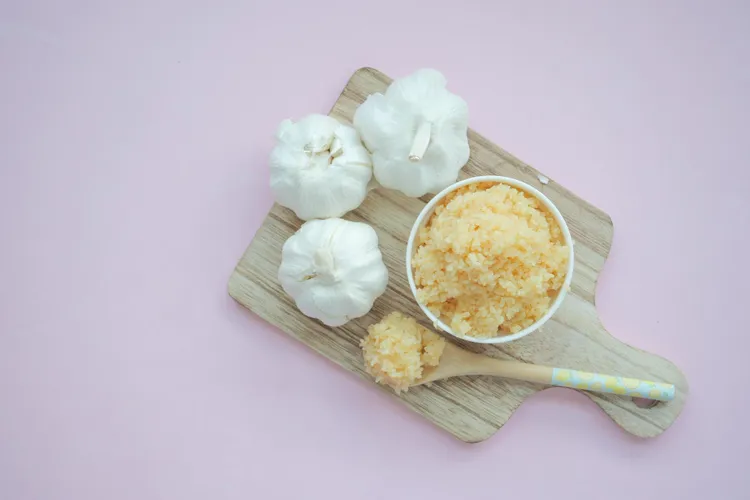
Rub a raw crushed garlic clove on toast and it's almost aggressively sharp - hot, pungent, lingering. Slice that same clove thin and sauté it gently, and it turns golden, mild, almost buttery. Leave a whole clove in a braise for an hour and it tastes barely like garlic at all - soft, sweet, barely there.
Same ingredient. Wildly different results. The reason is one of the most elegant pieces of food chemistry in the entire kitchen.
Why Does Crushing Change Garlic's Flavor?
Garlic contains two separate compounds that only combine when the cell walls are broken. When you crush or cut garlic, an enzyme called alliinase is released and immediately reacts with a compound called alliin to produce allicin - the sharp, sulfurous molecule responsible for garlic's most intense, pungent flavor.
The more aggressively you break down the garlic cells, the more allicin is produced, and the stronger and sharper the flavor. Whole or lightly handled garlic produces very little allicin, which is why it tastes so much milder.
Why This Happens: The Garlic Enzyme Reaction
Garlic is a defensive plant. Its sharp flavor isn't for your pasta - it evolved to deter insects and pests from eating it. The mechanism is clever: the two chemicals responsible for that sharp flavor are stored in separate compartments inside the garlic cell. As long as the cell is intact, they never meet. No reaction. No pungency.
The moment you damage the cell - by crushing, cutting, grating, or chewing - the walls between those compartments break down. Alliinase enzyme floods into contact with alliin, and within seconds, allicin is produced.
The Three Stages of Garlic Flavor
Stage 1 - Whole or very lightly bruised garlic: Minimal cell damage, minimal allicin production. Flavor is faint, slightly sweet, and gentle. This is why whole cloves simmered in oil or braised in liquid produce a mellow, almost unrecognizable garlic flavor.
Stage 2 - Sliced or roughly chopped garlic: Moderate cell damage, moderate allicin production. Flavor is balanced - noticeably garlicky but not sharp or aggressive. Good for sautéing where you want present-but-not-dominant garlic flavor.
Stage 3 - Minced, crushed, or microplane-grated garlic: Maximum cell damage, maximum allicin production. Flavor is sharp, pungent, and intense. Raw, it can be almost hot. Cooked quickly, it flavors oil and sauces aggressively. This is the garlic that stays on your breath longest.
Why Heat Changes Everything
Allicin is unstable at high heat. When you cook garlic, the allicin breaks down into a different set of sulfur compounds - many of which are significantly milder, sweeter, and more complex. The longer and more gently you cook garlic, the more those harsh sharp notes convert into the roasted, caramel-like flavors associated with well-cooked garlic.
This is why burnt garlic tastes bitter rather than sharp - a different set of compounds entirely forms when the heat goes too far.
What Most People Get Wrong
Mistake 1: Treating all garlic prep the same. Most home cooks default to mincing garlic for every recipe, regardless of the result they want. Minced garlic in a long-simmered tomato sauce is often overkill - it can turn sharp and one-dimensional. A roughly crushed clove or even a whole clove added early gives depth without aggression.
Mistake 2: Adding crushed raw garlic to cooked dishes at the end. Raw crushed garlic stirred into a finished dish right before serving gives you maximum allicin intensity with no cooking to soften it. Sometimes that's what you want (aioli, bruschetta). Often it overwhelms the dish. If a recipe says "finish with garlic," consider whether lightly cooked garlic would serve you better.
Mistake 3: Assuming jarred minced garlic tastes the same as fresh. It doesn't. Pre-minced garlic in jars has already had most of its allicin degrade during processing and storage. It's convenient but delivers a flat, slightly sulfurous flavor rather than the bright punch of freshly crushed garlic. For dishes where garlic is a star ingredient, fresh is meaningfully better.
Mistake 4: Thinking more garlic = more garlic flavor. Adding twice as many cloves of whole garlic gives you less flavor than one clove finely minced. It's not volume that determines intensity - it's cell damage and allicin production. You can double the cloves and barely notice the difference if you don't break them down.
Mistake 5: Skipping the rest time after crushing. Allicin doesn't form instantly - it takes about 10 minutes after crushing for production to peak. Crushing garlic and immediately dropping it into hot oil short-circuits the process. For maximum health benefits and deepest flavor, crush or mince and let it sit for 10 minutes before cooking.
Practical Cooking Tips: Controlling Garlic Intensity
Now that you understand the mechanism, you can dial garlic flavor up or down deliberately in any dish.
For Mild, Sweet Garlic Flavor
- Use whole, unpeeled cloves in roasting or braising - the skin slows cell damage even further.
- Smash cloves with the flat of a knife rather than mincing - enough damage to release some flavor, not enough to maximize allicin.
- Add garlic early in long-cooked dishes so allicin has time to break down into milder compounds.
For Medium, Balanced Garlic Flavor
- Slice garlic thin and sauté over medium heat until golden. This gives you good garlic presence without rawness or sharpness.
- Use roughly chopped garlic in stir-fries and pan sauces where garlic should support other flavors.
For Bold, Pungent Garlic Flavor
- Microplane-grate or finely mince and use raw or barely cooked - in vinaigrettes, marinades, aioli, and garlic bread spreads.
- Let crushed garlic rest 10 minutes before using for peak allicin development.
- Add a second hit of fresh garlic at the end of cooking to layer both cooked and raw garlic flavor - a technique used in many restaurant kitchens.
For No Harsh Aftertaste in Raw Applications
- After mincing, rinse briefly under cold water and pat dry. This washes away some of the surface allicin and reduces sharpness in raw preparations like salad dressings or dips where raw garlic can otherwise dominate.
- Alternatively, massage minced garlic with a pinch of salt until it forms a paste - the salt draws out moisture and mutes the sharpest edges.
The Two-Garlic Technique
Many restaurant cooks use garlic at two different points in a dish - and in two different forms - to build layered flavor rather than a single-note punch.
The method: add a crushed or smashed whole clove early in the cooking process (into the oil, at the start of the sauté) to infuse gentle, cooked garlic flavor into the base. Remove that clove before it burns. Then, just before serving, stir in a tiny amount of fresh raw grated garlic.
The first addition gives you depth and sweetness. The second gives you brightness and presence. Together, they create a garlic flavor that reads as complex and full rather than flat or one-dimensional.
This technique works beautifully in pasta sauces, braised greens, and pan sauces. It's a small change with a noticeably professional result.
Garlic Breath Starts Inside Your Lungs
Here's the part nobody wants to hear: the reason garlic breath is so persistent isn't just about your mouth. The sulfur compounds from allicin are absorbed into your bloodstream during digestion and expelled through your lungs - not just through your saliva.
That's why brushing your teeth after eating garlic helps only temporarily. You're exhaling garlic compounds from the inside out for hours after eating it. The only foods shown to actually reduce garlic breath are those containing enzymes or compounds that neutralize the sulfur - raw apple, raw lettuce, and fresh mint have all shown some effectiveness in studies, presumably by breaking down the sulfur compounds before they can be absorbed.
Chewing parsley is a folk remedy with mixed evidence. Drinking whole milk during a garlicky meal has more research support - the fat and protein in milk appear to bind to the sulfur compounds before they can enter the bloodstream.
Control Garlic Like a Pro
Garlic is not a one-size-fits-all ingredient - it's a variable one. The same clove can whisper or shout depending entirely on how you treat it. Whole and slow-cooked gives you sweetness. Thinly sliced and sautéed gives you balance. Minced and barely cooked gives you fire.
Understanding the alliin-alliinase reaction isn't just food trivia - it's a practical tool that lets you control one of the most common and most powerful flavors in cooking. Whether you want garlic to sit quietly in the background or dominate the entire dish, you now have the knowledge to make that choice deliberately.
Key Takeaways
- Garlic's pungency is created by a chemical reaction, not stored in the clove. Two separate compounds - alliin and alliinase - only combine when the cell walls are broken.
- The more you break down garlic cells, the more allicin is produced and the sharper and more intense the flavor. Crushed > minced > sliced > whole.
- Heat deactivates allicin and converts it to milder, sweeter sulfur compounds - this is why cooked garlic tastes so much gentler than raw.
- Let crushed garlic rest 10 minutes before cooking for peak flavor and maximum health benefits.
- Whole cloves in long-cooked dishes produce a soft, sweet flavor almost unrecognizable as garlic at its sharpest.
- Pre-minced jarred garlic is not the same as fresh - the allicin has already degraded during processing.
- The two-garlic technique (one crushed clove early, one raw hit at the end) builds layered garlic flavor that tastes professional.
- Garlic breath comes from your lungs, not just your mouth - sulfur compounds enter your bloodstream and are expelled through respiration for hours after eating.
- To tame raw garlic sharpness: rinse briefly after mincing, mash with salt into a paste, or serve alongside whole milk, raw apple, or fresh mint.
Latest