10 Kitchen Facts Every Home Cook Should Know
Most cooking mistakes don't come from bad recipes - they come from not understanding what's actually happening in the pan. These 10 kitchen facts are the scientific principles that professional cooks know instinctively and home cooks are rarely taught. Learn them once and they change how you approach every meal you make.
The Principles Behind the Recipes
Recipes tell you what to do. Kitchen science tells you why - and why matters enormously, because once you understand the principle, you can fix problems in real time, adapt recipes confidently, and stop making the same frustrating mistakes on repeat.
These aren't trivia. Every fact here is directly actionable. Each one explains something that trips up home cooks constantly - and gives you the knowledge to get it right every time.
1. Crowding the Pan Kills Browning
This is the single most common reason home-cooked food tastes good but not great. When you add too much food to a pan at once, the temperature drops sharply and the food releases steam. Instead of searing at high heat against a hot dry surface, the food stews in its own moisture - turning pale, soft, and bland instead of golden and savory.
Browning happens through the Maillard reaction - a chemical process between amino acids and sugars that only activates above 280°F (138°C). Steam keeps the surface temperature at 212°F (100°C), the boiling point of water. You cannot get Maillard browning in a steaming environment.
The fix: Cook in batches. Leave enough space between pieces that steam can escape and the pan surface stays hot. If you see liquid pooling in the pan instead of sizzling, you've crowded it. Remove some food and let the pan recover temperature before continuing.
2. Salt Doesn't Just Add Flavor - It Changes Flavor Perception
Salt doesn't just make food taste "saltier." It actively suppresses bitterness receptors on the tongue, which is why properly salted food tastes less bitter and more complex - not just more seasoned. It also enhances the volatility of aromatic compounds, which means salted food smells more intensely of itself, boosting perceived flavor before you even taste it.
This is why undersalted food almost always tastes flat even when every other element is correct. Salt isn't seasoning on top of flavor - it's part of the structural scaffolding of how flavor registers.
The fix: Season in layers throughout cooking, not just at the end. Salt early (during sweating, sautéing, building sauces) allows it to penetrate ingredients and work structurally. A final adjustment at the end fine-tunes, but can't fully compensate for underseasoning throughout.
3. Pasta Water Should Taste Like the Sea - for a Real Reason
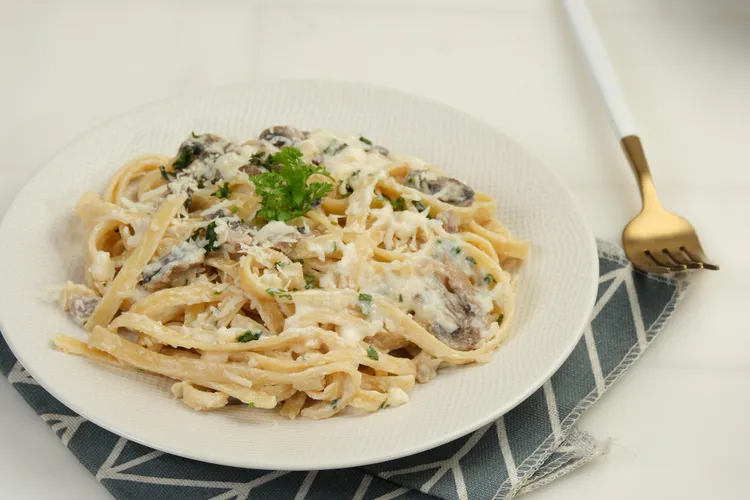
Salting pasta water generously isn't an old wives' tale. Pasta absorbs water as it cooks, and that water seasons the interior of the pasta itself - not just the surface. Sauce applied to undersalted pasta sits on top of a bland starch base, and no amount of sauce seasoning fully compensates.
The general professional standard is about 1 tablespoon of kosher salt per gallon of water. It shouldn't taste as salty as seawater (which is unpalatable), but it should taste clearly and distinctly seasoned - more than feels comfortable if you're tasting it cold.
Bonus fact: Starchy pasta water is also the best sauce emulsifier in your kitchen. A splash stirred into sauce at the end creates a silky, cohesive coating that clings to pasta. This is the secret behind restaurant-quality pasta texture at home.
4. Resting Meat Is Not Optional
Cut into a steak immediately off the heat and liquid pours out onto the cutting board. Wait five to ten minutes and almost none escapes. This isn't magic - it's physics.
During cooking, muscle fibers contract and push moisture toward the center of the meat. The outer layers become temporarily dehydrated and the interior is under pressure. Resting gives muscle fibers time to relax, allowing moisture to redistribute evenly throughout the cut. When you slice rested meat, the juice stays in the meat where it belongs.
The rule: Rest meat for roughly half the time it cooked, up to a maximum of about 10 minutes for most steaks and chops, 20-30 minutes for large roasts. Tent loosely with foil to retain heat without trapping steam (which softens the crust).
5. Acids and Heat Destroy Green Vegetables
If you've ever added lemon juice to broccoli or spinach too early and watched it turn from vibrant green to army drab, you've seen this in action. Green color in vegetables comes from chlorophyll, which is sensitive to both acid and prolonged heat.
Acid (lemon juice, vinegar, wine) causes chlorophyll molecules to lose a magnesium atom at their center, changing their structure and turning them from bright green to a muted olive color. Extended heat does the same thing more slowly.
The fix: Always add acid to green vegetables at the very last moment - after cooking, immediately before serving. For vegetables you want to stay vibrantly green (broccoli, green beans, asparagus, peas), either cook them quickly over high heat and serve immediately, or blanch and shock in ice water to halt cooking and lock in color.
6. Cold Butter Makes Better Pastry - Warm Butter Makes Better Cakes
This seems contradictory until you understand what butter is doing in each application.
In pastry (pie crust, biscuits, scones), cold butter is essential because it needs to remain in distinct solid pieces within the flour. Those pockets of butter create layers - they melt during baking, releasing steam that puffs the dough into flaky, tender layers. Warm or melted butter coats all the flour particles evenly and produces a mealy, dense, non-flaky result.
In cakes, softened room-temperature butter is creamed with sugar - meaning beaten vigorously until pale and fluffy. This process traps thousands of tiny air bubbles in the fat, which expand during baking and create a light, even crumb. Cold butter won't cream properly; it stays dense and the air pockets never form.
The rule: If the recipe says cold butter, the fat structure depends on it. If it says room temperature (softened), the aeration step depends on it. Neither is interchangeable.
7. Wooden Cutting Boards Are Not the Bacteria Risk You Think
For decades, conventional wisdom held that plastic cutting boards were more sanitary than wood because they could be cleaned more easily. Food safety research has largely overturned this.
Studies found that bacteria on plastic boards survive and multiply in the cut grooves made by knives - and those grooves are nearly impossible to fully sanitize without commercial dishwashing equipment. Wooden boards, by contrast, appear to draw bacteria down into the wood grain where they dehydrate and die, and wood contains natural antimicrobial compounds that inhibit bacterial growth.
The practical guidance: Use separate boards for raw meat and everything else - material matters less than cross-contamination discipline. For general cooking, a well-maintained wooden board is neither less safe nor less sanitary than plastic, and is significantly less likely to damage knife edges.
8. Eggs Are a Whole Chemistry Lab in a Shell
Eggs are one of the most technically versatile ingredients in cooking precisely because their proteins do different things at different temperatures and in different environments.
- Yolk proteins set between 149°F-158°F (65°C-70°C). Above that, they become crumbly and chalky - the classic overcooked scrambled egg or grey-green hard-boiled yolk.
- Whites set between 140°F-149°F (60°C-65°C) - lower than yolks, which is why you can have a set white with a liquid yolk in a fried or poached egg.
- Lecithin in egg yolks is a powerful emulsifier - the molecule that makes mayonnaise, hollandaise, and Caesar dressing stable.
- Egg whites foam because their proteins unfold and trap air, then set when heated - the basis of meringue, soufflé, and angel food cake.
Kitchen application: Scrambled eggs at low and slow heat (under 160°F) with constant gentle stirring stay creamy and custardy because you're staying below the temperature where proteins tighten and squeeze out moisture.
9. The Fridge Is the Enemy of Some Foods
Refrigerating certain foods actively degrades their quality - not just their texture, but their flavor chemistry.
Tomatoes: Cold temperature halts the enzymatic reactions that continue developing tomato flavor after harvest. Refrigerated tomatoes go mealy in texture and lose complexity in flavor. Store at room temperature, stem-side down.
Garlic and onions: Humidity in the fridge causes them to sprout and mold faster than in cool, dry pantry storage. Whole uncut alliums belong in a cool, dark, ventilated space.
Bread: Refrigeration accelerates starch retrogradation - the process by which bread goes stale. A refrigerated loaf goes stale significantly faster than one kept at room temperature or frozen. Freeze bread you won't use within two days; don't refrigerate it.
Avocados: Cold stops ripening entirely. A hard avocado will never ripen in the fridge. Ripen at room temperature, then refrigerate once ripe if you need to extend it by a day or two.
10. Baking Is Chemistry - Substitutions Can Break the Formula
In savory cooking, recipes are suggestions. In baking, they're closer to formulas - because the reactions between specific ingredients at specific ratios produce the structure, texture, and rise of the final product.
Baking soda (sodium bicarbonate) requires an acid in the recipe to activate - buttermilk, yogurt, vinegar, brown sugar, honey. Without acid, it doesn't produce CO₂ and the product won't rise. Swap buttermilk for regular milk and you've removed the acid; the baking soda sits inert.
Baking powder contains its own acid and produces CO₂ when wet and again when heated (double-acting). It doesn't need an acidic ingredient. They're not interchangeable at a 1:1 ratio.
Gluten forms when wheat flour proteins (glutenin and gliadin) are hydrated and worked. More mixing = more gluten = chewier result. Muffin and quick bread recipes say "mix until just combined" because overmixing develops too much gluten and produces a tough, tunneled product instead of a tender crumb.
The rule: Understand what each ingredient is doing before you substitute it. In baking, a swap that seems minor can change the fundamental chemistry of the recipe.
Cook With Understanding, Not Just Instructions
Every one of these facts represents a principle that transfers across hundreds of recipes. Understanding why crowding ruins a sear means you'll never do it again - with chicken, mushrooms, fish, or tofu. Understanding how butter works in pastry versus cake means you'll catch a recipe's intent from a single instruction rather than needing it spelled out.
The best cooks aren't those who've memorized the most recipes. They're the ones who understand what's happening in the pan - and can adapt, fix, and improvise because the science makes sense to them.
That understanding starts here.
Key Learnings
- Crowding the pan prevents browning - steam keeps the surface at 212°F, below the 280°F needed for the Maillard reaction. Always cook in batches.
- Salt suppresses bitterness and amplifies aroma - it's not just seasoning, it changes how flavor registers on the tongue. Season throughout cooking, not just at the end.
- Pasta water should be clearly salty - pasta absorbs water as it cooks, and that's your only chance to season the interior. Starchy pasta water also emulsifies sauce.
- Resting meat redistributes moisture - muscle fibers relax after cooking and reabsorb juices that would otherwise run out when cut. Rest for roughly half the cooking time.
- Acid turns green vegetables olive-colored - chlorophyll reacts with acid and loses its bright green. Add lemon or vinegar to green vegetables only at the very last second.
- Cold butter = flaky pastry; softened butter = airy cake. These are different structural functions, not just temperature preferences.
- Wooden cutting boards are not less sanitary than plastic - knife grooves in plastic harbor bacteria effectively; wood's natural properties inhibit it.
- Egg proteins set at different temperatures - yolks set higher than whites, which is why soft yolks with set whites are achievable. Slow, gentle heat keeps eggs creamy.
- Tomatoes, bread, garlic, and avocados deteriorate faster in the fridge - refrigeration degrades specific chemical and physical processes in these foods.
- Baking soda needs acid to activate; baking powder doesn't. They're not interchangeable, and understanding their function prevents failed bakes.
Latest