Sumac: The Tangy Red Spice That Replaces Lemon in Middle Eastern Cooking
The dried berry that provides acidity without liquid - and what to do with it beyond fattoush
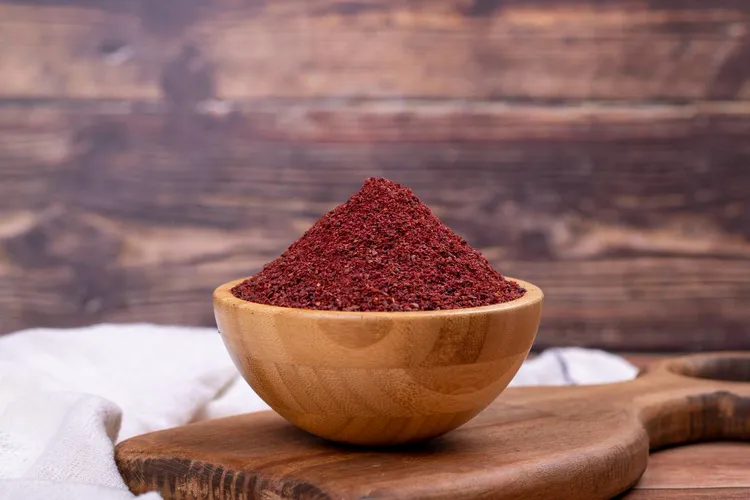
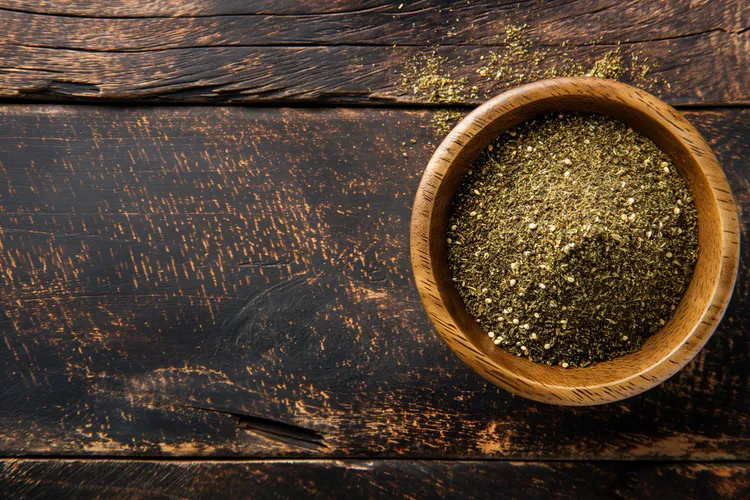
Sumac is one of the spices that most surprises people the first time they taste it properly. It does not taste like any other spice they know. It is sour - sharply, clearly sour - but with a fruitiness and a slight astringency (a mild drying sensation on the tongue, like strong tea) that distinguishes it from the clean sourness of lemon or the sharp sourness of vinegar. It is acidic but not wet. It adds tartness without adding liquid. It is deep red and slightly sticky when rubbed between the fingers. And it transforms any dish it touches in a way that is immediately recognisable as Middle Eastern without being identifiably of any single dish.
It is also, alongside za'atar, one of the most underused spices in Western kitchens - present in most major supermarkets, priced modestly, and rarely reaching the front of the spice rack once the first recipe that prompted its purchase is made.
What Sumac Is: Origin and Production
Sumac (also spelled sumach) is the dried, ground berry of the Rhus coriaria plant - a flowering shrub native to the Middle East and parts of the Mediterranean. The berries grow in dense clusters, ripening from green to a deep burgundy-red in autumn. They are harvested, dried (sun-dried or mechanically dried), and ground to the coarse, slightly sticky red powder sold in jars as sumac.
The primary flavour compound is malic acid - the same organic acid that gives green apples and tamarind their specific sourness, slightly rounder and fruitier than the citric acid of lemons. The astringency comes from tannins in the berry's skin. The dark red colour comes from anthocyanins - the same pigments in red wine and blueberries.
The quality difference: Fresh-ground sumac (bought from a Middle Eastern grocery store with high turnover) has a vivid colour and a sharp, clear sourness. Old sumac (that jar at the back of the spice rack) has a muted colour and a flat, slightly dusty flavour. Sumac ages faster than most spices because its malic acid compounds break down with heat, light, and time. Buy in small quantities from shops with high turnover, store away from heat and light, and replace every 6-8 months.
Where to buy: Middle Eastern and Turkish grocery stores are the most reliable source for fresh, high-quality sumac. Available online from specialist spice retailers (Sous Chef, Spicery, Burlap & Barrel). Most major supermarkets now stock it in the World Foods or spice aisle.
The Flavour: Precise Description for Cooks
Sumac's flavour has three components:
Sourness - the primary note. The malic acid produces a clean, fruit-forward acidity that is less sharp than lemon and more fruity than vinegar. It is the most assertive of the three components.
Fruitiness - a berry-adjacent quality, slightly reminiscent of dried cranberry or tart cherry. This is what distinguishes sumac from a purely acidic ingredient - it has the dimension of a dried fruit, not just an acid.
Astringency - the mild tannin-driven dryness at the back of the palate. Present but not dominant in good sumac; more noticeable in old or low-quality sumac.
What it replaces: Sumac provides acidity without liquid. This is its specific utility - anywhere you want sourness but cannot add liquid (meat rubs, finishing sprinkles over dips, dry spice blends), sumac is the answer. Lemon juice adds moisture and a clean citrus note; sumac adds tartness, fruitiness, and colour without changing the texture of the dish.
10 Applications
1. Fattoush (Lebanese Bread Salad)
The dish most strongly associated with sumac in Western cookbooks - and for good reason. Fattoush is a Levantine salad of chopped vegetables (tomato, cucumber, radish, romaine), fried or toasted pieces of Arabic flatbread (khubz), and a dressing built primarily on sumac.
Sumac dressing: 2 tbsp sumac dissolved in 3 tbsp warm water (the water softens the ground berry and releases its acid), 3 tbsp olive oil, juice of ½ lemon, 1 clove minced garlic, salt.
The dissolved-in-water technique is important - ground sumac doesn't distribute evenly in oil-based dressings without this step. The sumac-water mixture integrates smoothly and produces a more even distribution.
2. Finishing Sprinkle Over Dips
A generous pinch of sumac scattered over hummus, labneh, or baba ghanoush immediately before serving adds the visual brightness of the red spice and a flavour note - tartness, fruitiness - that the dip itself doesn't have. This is the most immediate and most low-effort sumac application.
Along with a drizzle of olive oil and a scatter of fresh herbs, it is part of the standard Middle Eastern meze presentation. See the Labneh recipe and the Tahini post for the dips this finishing technique most commonly accompanies.
3. Meat and Poultry Rub
Ground sumac as a dry rub component for grilled or roasted meat provides both colour and acidity - the tartness penetrates the surface of the meat during cooking and produces a slightly brighter flavour than a purely savoury rub.
Standard sumac meat rub: 2 tbsp sumac + 1 tsp salt + 1 tsp black pepper + 1 tsp dried thyme + ½ tsp garlic powder. Rub over chicken pieces, lamb chops, or kebab meat before grilling. The sumac's red colour deepens during cooking and produces a visually distinctive result.
4. Musakhan (Palestinian Roasted Chicken with Caramelised Onion)
One of the great dishes of Palestinian cuisine - chicken pieces roasted over flatbread spread with caramelised onions and a generous quantity of sumac. The sumac is used here not as a finishing sprinkle but as a primary seasoning: 2-3 tbsp for a dish serving 4. Its acidity cuts through the richness of the slow-cooked onions and the roasted chicken fat, producing a dish with remarkable depth.
This is sumac at its most functional - not a garnish but a load-bearing flavour element.
5. Za'atar Blend Ingredient
Sumac is one of the essential components of za'atar - the spice blend covered in its own dedicated post. The sumac in za'atar provides the distinctive tartness that distinguishes it from any other herb blend. See Za'atar: The Herb-and-Spice Blend That Belongs on Every Table for the complete guide, including the make-your-own recipe.
6. Onion Salad (Salat Basal)
One of the simplest and most effective Middle Eastern preparations: thinly sliced red onion, massaged with 1 tbsp of sumac and ½ tsp of salt, left for 20 minutes until slightly softened and vivid pink. The sumac's acidity mellows the onion's raw sharpness; the salt draws moisture and creates a slight brine; the result is a bright, tangy condiment that accompanies grilled meats, wraps, and mezze.
This onion salad is the standard accompaniment to shawarma and kebab in Turkish and Levantine street food - the sumac onion cutting through the richness of the meat in a way that plain onion does not.
7. Spiced Yogurt or Labneh Topping
Stir 1 tsp of sumac into a bowl of plain yogurt or labneh with olive oil and salt. The tartness of the sumac and the tang of the yogurt stack, producing a dip that is sharper and more interesting than either alone. Serve with warm bread, crudités, or as a sauce alongside grilled vegetables.
8. Egg Dishes
Scrambled eggs, fried eggs, or shakshuka finished with a pinch of sumac before serving - the tartness brightens the rich fat of the eggs in the same way that a squeeze of lemon would, but with the added dimension of the sumac's fruitiness. Particularly effective over a shakshuka where the tomato's acidity is already present - the sumac adds a different dimension of acidity rather than reinforcing the same note.
9. Grain and Legume Salads
Sumac as a dressing component for warm grain or lentil salads - stirred into the dressing while the grains are still warm so it absorbs the acidity. Works particularly well with freekeh, bulgur wheat, farro, and any legume.
Simple freekeh salad: Cook freekeh. While warm, dress with 2 tbsp olive oil, 1 tbsp sumac dissolved in 2 tbsp warm water, 1 tbsp lemon juice, salt. Add chopped cucumber, tomato, parsley, and mint. The sumac's tartness seasons the grain from within.
10. Fruit Salads and Sweet Applications
The most unexpected application: a pinch of sumac over a fruit salad - watermelon, mango, or a mixed berry salad - adds a tartness and fruitiness that makes the fruit taste more intensely of itself. The principle is the same as the Chaat Masala fruit salad application in the Street Food collection - a slightly sour, slightly complex powder over sweet fruit produces a combination that is more interesting than the fruit alone.
The Substitute Question (Answered Honestly)
Sumac's flavour - the specific combination of malic acid sourness, fruitiness, and astringency - has no single perfect substitute. The commonly suggested alternatives:
Lemon juice or zest: Provides sourness but adds moisture (juice) or bitterness (zest), and lacks the fruitiness and astringency. Acceptable in dressings and marinades; not in dry applications.
Tamarind powder: More sour and more complex, with a different fruitiness. Works reasonably well in some applications.
Dried cranberry powder: The closest flavour approximation to sumac but not widely available.
The honest answer: For finishing sprinkles and dry rubs, there is no good substitute. Sumac is worth buying specifically. It keeps for months and is inexpensive. The substitute conversation should end with "just buy sumac."
Pro Tips
- Store away from heat, light, and moisture. Sumac's malic acid and anthocyanins both degrade with exposure. A dark cupboard away from the stove is better than a spice rack next to the oven. A sealed spice jar rather than the foil packet it often comes in.
- The dissolved-in-water technique. For dressings and marinades, dissolve ground sumac in an equal volume of warm water before adding to oil-based preparations. This releases the acid more completely and prevents the slightly gritty texture of dry sumac in wet dressings.
- The quantity that produces the best result. Sumac is most effective as a finishing element - added at the end of cooking or immediately before serving, where its tartness and colour are most vibrant. Large quantities cooked into a dish from the beginning lose much of the flavour impact.
- It pairs naturally with za'atar. Both are standard at the Middle Eastern table and their flavours - the tartness of sumac, the herbal complexity of za'atar - complement each other across every application both are used in.
Common Mistake: Old Sumac Sumac degrades faster than most spices. Old sumac is pale (dusky pink rather than deep red), flat in flavour, and slightly dusty. A dish seasoned with old sumac tastes of nothing in particular rather than of the sharp, fruity tartness that makes sumac valuable. If your sumac has been in the cupboard for more than a year, replace it. Fresh sumac costs approximately £3 for a small jar and transforms your cooking immediately. Old sumac costs the same but delivers nothing.
FAQ
Q: Is sumac related to poison sumac?
Poison sumac (Toxicodendron vernix) is a different plant entirely - related to poison ivy, not to culinary sumac (Rhus coriaria). They are not botanically close and culinary sumac, purchased commercially, poses no health risk. The confusion arises from the shared name - they are unrelated plants.
Q: Does sumac taste like lemon?
It tastes similar in the sense that both are acidic. But sumac's acidity is more fruity (malic acid) and less sharp (citric acid) than lemon, with the addition of an astringent note from the tannins. The experience of eating something seasoned with sumac is different from the same dish seasoned with lemon - both tart, but differently.
Q: Can I use sumac in sweet baking?
In small quantities, yes - a pinch in a lemon tart, a berry crumble, or a citrus cake adds a fruity tartness that complements rather than competes with the primary flavour. More than ½ tsp in a sweet preparation and the astringency becomes noticeable.
🔗 Related Ingredient Deep Dives
- Za'atar: The Herb-and-Spice Blend That Belongs on Every Table
- Tahini: The Sesame Paste That Makes Everything Better
- Preserved Lemons: The Fermented Citrus That Transforms North African Cooking
- Pomegranate Molasses: The Middle Eastern Syrup That Belongs in Every Kitchen
- From the Fermentation collection: Labneh: The Strained Yogurt That Becomes Cheese
- World Cuisines in Your Pantry: The Ingredient Deep Dives
Latest