Lobster used to be so unwanted in North America that it was fed to prisoners and used as fertilizer. Today, it’s one of the most expensive items on a restaurant menu.
So what changed? Why do foods once associated with poverty eventually become luxury staples?
The answer says a lot about cooking, culture, and how flavor actually works.
Why Do Poor People’s Foods Become Popular?
Many foods labeled as “poor people’s food” started as inexpensive because they were abundant, tough, or required time and skill to cook well. As cooking techniques improved and tastes changed, people discovered their flavor potential. Scarcity, restaurant trends, and nostalgia later transformed them into premium foods.
In short: good cooking turned necessity into delicacy.
Why This Happens (The Simple Food Science Behind It)
Historically, wealthier households preferred foods that were easy to prepare and quick to cook - tender cuts of meat, refined grains, and mild flavors.
Poor communities worked with foods that were:
-
Tough or fibrous
-
Highly available or overlooked
-
Long-lasting and shelf-stable
-
Flavorful but slow to prepare
Here’s the science part many people miss.
Time + Heat = Flavor
Many inexpensive foods contain:
When cooked slowly, collagen breaks down into gelatin, creating richness and tenderness.
That’s why dishes made from cheaper ingredients often taste deeper and more satisfying after slow cooking.
Examples include:
Modern cooking rediscovered what traditional cooks already knew: flavor rewards patience.
Famous Foods That Started as Poverty Food
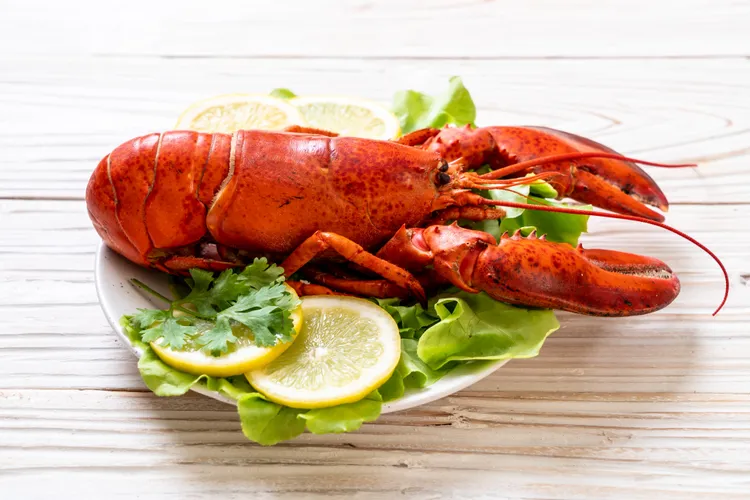
Lobster
Today lobster signals celebration. In the 1700s and 1800s, it washed ashore in massive quantities.
It was considered:
Once rail transport allowed inland markets and chefs began serving it fresh with butter, perception changed completely.
Cooking lesson: freshness and preparation matter as much as ingredients.
Oxtail
Oxtail was literally the leftover tail after valuable beef cuts were removed.
Working-class cooks braised it slowly because it was extremely tough.
What happens during cooking?
-
Collagen melts into gelatin.
-
The sauce thickens naturally.
-
Flavor becomes intensely beefy.
Now oxtail appears in upscale restaurants worldwide because chefs prize that richness.
Chicken Wings
For decades, wings had little value compared with breasts or thighs.
But frying and sauce changed everything.
High heat creates:
Add bold seasoning, and suddenly a discard cut becomes addictive.
Today wings can cost more per pound than premium chicken cuts.
Polenta
Ground cornmeal porridge fed generations of rural European families because it was cheap and filling.
Modern chefs discovered something important:
Texture control.
When cooked slowly with butter, cheese, or stock, polenta becomes creamy and luxurious - similar to risotto but easier to prepare.
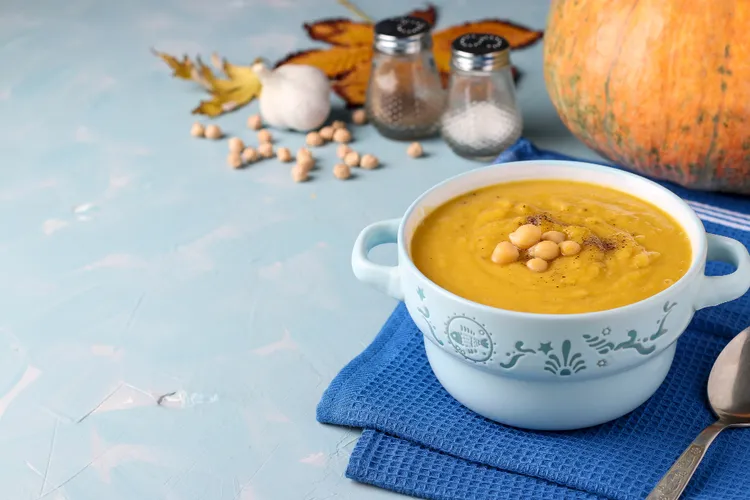
Beans and Lentils
Across the world, legumes were survival foods.
They store well and provide protein cheaply.
But scientifically they’re impressive:
Now lentil bowls and bean-based dishes dominate modern healthy cooking trends.
Bone Broth and Soup Stocks
Bones were historically reused because wasting food wasn’t an option.
Simmering bones extracts:
-
Gelatin
-
Minerals
-
Amino acids
-
Deep roasted flavors
Restaurants now charge premium prices for something once made simply to stretch meals further.
Sardines and Anchovies
Small oily fish were cheap coastal staples.
People avoided them because of strong flavor.
But chefs realized:
Fat carries flavor.
These fish contain natural glutamates - compounds responsible for umami taste.
That’s why a small amount transforms pasta sauces or salads.
What Most People Get Wrong About “Poor People’s Food”
Myth 1: Cheap Food Means Low Quality
Often the opposite is true.
Many undervalued foods are nutritionally dense and flavorful but require knowledge to cook properly.
Skill replaces money.
Myth 2: Expensive Ingredients Taste Better
Flavor mostly comes from:
-
Browning
-
Salt balance
-
Fat
-
Acid
-
Cooking time
A well-cooked bean stew can taste more complex than an expensive steak cooked poorly.
Myth 3: These Foods Were Popular Because People Liked Them
Many were eaten out of necessity.
Creative cooking techniques developed because people had no choice.
Those techniques later became culinary traditions.
Practical Cooking Tips: How to Cook These Foods Like a Pro
If you want restaurant-level results at home, focus on technique.
1. Use Slow Cooking for Tough Cuts
Best for:
-
Oxtail
-
Beef chuck
-
Pork shoulder
Tips:
-
Brown meat first for flavor.
-
Cook low and slow (150-170°C oven).
-
Add acid like tomatoes or wine to help tenderize.
2. Season Beans Early - But Not Always
Common question: Should you salt beans before cooking?
Yes.
Salt actually helps beans cook evenly and improves flavor penetration.
Exception:
Very hard water or acidic ingredients added too early can slow softening.
3. Upgrade Simple Grains Instantly
Instead of water, cook polenta or rice in:
This adds flavor without extra effort.
4. Don’t Rush Collagen Cuts
If meat feels tough, it usually isn’t overcooked - it’s undercooked.
Collagen breakdown happens around long cooking times.
Wait until meat easily pulls apart.
5. Use Small Fish as Flavor Boosters
Anchovies melt into sauces.
Try adding one or two to:
-
Tomato sauce
-
Roasted vegetables
-
Stews
You won’t taste fish - just deeper flavor.
Common Mistakes When Cooking Traditionally Cheap Foods
-
Cooking at high heat instead of low simmer.
-
Skipping browning steps.
-
Not adding enough salt.
-
Expecting fast results from slow ingredients.
-
Throwing away bones that could make stock.
These foods reward patience more than precision.
Why Restaurants Love These Ingredients
Professional kitchens often rely on formerly inexpensive ingredients because they deliver maximum flavor for controlled cost.
A chef can transform:
Another secret?
Slow-cooked dishes improve overnight.
That’s why stews and braises often taste better the next day - flavors redistribute and gelatin thickens naturally.
Many restaurants intentionally cook them a day ahead.
Fun Bonus Fact
Some luxury foods became expensive partly because popularity reduced supply.
Chicken wings are a perfect example.
Once demand exploded through sports bars and restaurants, supply couldn’t keep up - turning a former discard into one of the most profitable menu items in food service.
In other words: trend can change value faster than flavor ever did.
Great Food Has Never Been About Price
History shows something consistent across cultures.
The most beloved foods often come from creativity under limitation.
When cooks learned how to:
-
Slow cook,
-
ferment,
-
season boldly,
-
and waste nothing,
they unlocked incredible flavor from humble ingredients.
Today’s “luxury foods” often carry the wisdom of generations who simply cooked with what they had.
And the good news for home cooks?
Many of the best-tasting meals are still the most affordable - if you know how to cook them.
Key Takeaways
-
Many luxury foods today began as inexpensive survival foods.
-
Tough cuts and simple ingredients become delicious through slow cooking.
-
Collagen breakdown and browning create deep flavor.
-
Beans, bones, and overlooked cuts often deliver the richest dishes.
-
Cooking skill matters more than ingredient price.
-
Patience is one of the most powerful tools in cooking.
-
Traditional cooking techniques remain some of the smartest ways to cook affordably today.