Frozen Meat Mistakes: 9 Common Errors That Ruin Flavor, Texture, and Food Safety (And How Home Cooks Can Fix Them)
Freezing meat is one of the smartest habits for busy home cooks - until small mistakes turn expensive cuts dry, tough, or oddly flavored. From incorrect thawing to freezer burn and cooking errors, frozen meat problems are surprisingly common. Understanding what actually happens during freezing can help you protect both flavor and food safety every time.
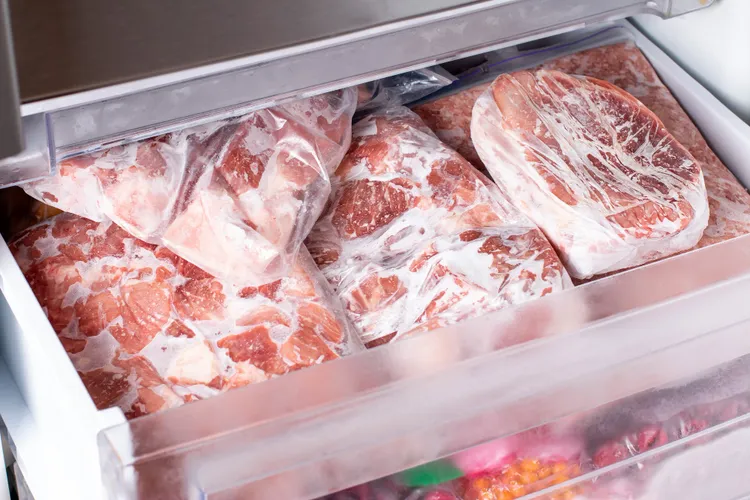
Frozen Meat Mistakes: Why They Matter More Than You Think
Freezing meat isn’t just storage - it changes the structure of food.
When meat freezes:
-
Water inside muscle fibers forms ice crystals.
-
These crystals expand.
-
Cell walls can rupture.
Handled properly, the difference is minimal. Handled poorly, the result can be:
-
Dry texture
-
Loss of juices
-
Uneven cooking
-
Flavor deterioration.
The good news? Most frozen meat mistakes are completely preventable.
Mistake №1: Freezing Meat in Store Packaging
This is one of the biggest hidden problems.
Supermarket trays and thin plastic wraps are designed for short-term refrigeration - not freezing.
What Happens
Air reaches the meat surface, causing:
-
Freezer burn
-
Gray or dry patches
-
Oxidized flavors.
Better Approach
Before freezing:
-
Wrap tightly in plastic wrap or freezer paper.
-
Place inside freezer bags.
-
Remove as much air as possible.
Less air equals better flavor preservation.
Mistake №2: Freezing Meat Too Slowly
Many home freezers struggle when overloaded.
Slow freezing creates larger ice crystals.
Why That Matters
Large crystals damage muscle fibers more aggressively.
Result after thawing:
-
Excess liquid loss
-
Mushy texture.
Smart Tip
Freeze meat quickly by:
-
Placing packages flat.
-
Leaving space between items initially.
-
Using the coldest freezer zone.
Fast freezing protects texture.
Mistake №3: Keeping Meat Frozen Too Long
Freezing stops bacterial growth - but not quality decline.
Many people assume frozen meat lasts forever.
Technically safe? Often yes.
Flavor quality? Not always.
Recommended Quality Windows
-
Ground meat: 3-4 months
-
Chicken pieces: 6-9 months
-
Steaks and roasts: up to 12 months.
After that, dryness and flavor loss increase significantly.
Labeling dates helps enormously.
Mistake №4: Thawing Meat on the Counter
This remains one of the most common kitchen habits.
Why It’s Risky
Room temperature allows bacteria to multiply on the surface while the inside remains frozen.
The outer layer enters the food safety danger zone quickly.
Better Thawing Methods
Refrigerator Thawing (Best Option)
Slow but safest.
Benefits:
-
Even thawing
-
Better moisture retention.
Cold Water Method (Fast and Safe)
Seal meat tightly and submerge in cold water.
Change water every 30 minutes.
This dramatically speeds thawing without risk.
Mistake №5: Cooking Frozen Meat Incorrectly
Cooking directly from frozen is sometimes fine - but technique matters.
Common Problems
-
Burned outside
-
Raw center
-
Tough texture.
High heat shocks frozen meat.
What Works Better
Lower heat at first.
Examples:
-
Oven cooking
-
Covered pan cooking
-
Reverse searing methods.
Allow gradual temperature increase.
Mistake №6: Refreezing Meat Without Understanding Moisture Loss
Refreezing gets a bad reputation.
Safety-wise, it can be acceptable if meat thawed safely in the refrigerator.
But quality suffers.
Why
Each freeze-thaw cycle releases moisture.
That means:
-
Dryer meat
-
Less tenderness.
If refreezing is necessary, cook the meat first before freezing again.
Cooked meat handles freezing better.
Mistake №7: Not Portioning Before Freezing
Large frozen blocks cause daily frustration.
Many cooks freeze family packs whole.
Later problems include:
-
Partial thawing attempts
-
Uneven defrosting
-
Waste.
Better Strategy
Divide meat into meal-sized portions before freezing.
Benefits:
-
Faster thawing
-
Less waste
-
Easier meal planning.
Professional kitchens rely heavily on portion freezing.
Mistake №8: Ignoring Freezer Burn
Freezer burn looks alarming but isn’t dangerous.
However, it seriously affects taste.
Signs Include
-
Pale gray spots
-
Dry edges
-
Tough texture.
Can It Be Saved?
Sometimes.
Trim affected areas before cooking.
Slow cooking methods like stews or sauces help recover flavor.
Mistake №9: Freezing Warm Meat
Putting hot or warm meat directly into the freezer creates problems.
What Happens
-
Raises freezer temperature.
-
Partially thaws nearby foods.
-
Encourages ice formation.
Best Practice
Cool cooked meat first.
Refrigerate briefly before freezing.
This protects both texture and other stored foods.
Fresh vs Frozen Meat: Is Frozen Actually Worse?
Surprisingly, not always.
Properly frozen meat can outperform poorly stored fresh meat.
Many producers freeze meat quickly after processing, preserving quality effectively.
The real difference comes from handling at home.
Correct freezing and thawing make frozen meat extremely reliable.
Quick Recovery Fixes for Frozen Meat Problems
Sometimes mistakes are already made.
Here’s how to improve results.
If Meat Turns Dry After Thawing
Use moisture-rich cooking methods:
-
Braising
-
Slow cooking
-
Sauces or marinades.
Liquid restores perceived tenderness.
If Meat Loses Juice While Thawing
Pat dry - but don’t panic.
Season generously and cook using moderate heat.
Salt helps retain moisture during cooking.
If Texture Feels Tough
Slice against the grain after cooking.
This shortens muscle fibers and improves tenderness dramatically.
Smart Freezer Habits That Save Time and Money
Simple habits make a major difference.
Keep a Freezer System
Rotate older meat forward.
Label Everything
Include:
-
Cut
-
Date
-
Portion size.
Maintain Stable Temperature
Avoid frequent door opening when possible.
Consistency protects quality.
The Ideal Home Cook Freezer Setup
You don’t need complicated systems.
Just follow this practical formula:
-
Portion meat first.
-
Remove air completely.
-
Freeze quickly.
-
Thaw slowly when possible.
These four habits prevent nearly every frozen meat mistake.
Freezing Meat Should Make Cooking Easier - Not Harder
Freezing meat is one of the best tools for saving money, reducing food waste, and simplifying weekly meals. Most problems people blame on frozen meat actually come from small handling mistakes before or after freezing.
Once you understand how ice, air, and temperature affect meat structure, better results become predictable.
Handled correctly, frozen meat can be just as flavorful, tender, and satisfying as fresh - turning your freezer into one of the most powerful tools in your kitchen rather than a source of cooking frustration.
Latest