The Ultimate Guide to One-Pan & One-Pot Dinners
The formula, the techniques, and the best recipes for getting a great meal on the table every night - with one pan to wash
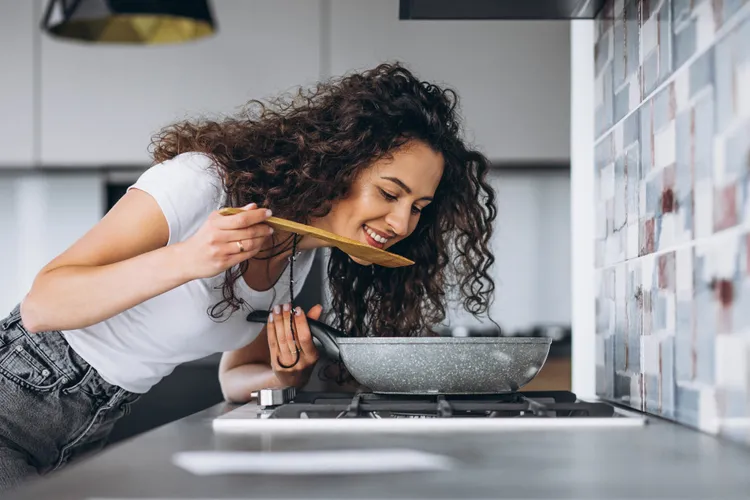
The most important thing about one-pan and one-pot cooking is not the pan.
It is the formula. The understanding that almost any protein, any vegetable, and any flavour combination can be made in a single vessel if you understand the principles behind the timing, the heat, and the sequencing. That understanding is what separates a cook who follows one-pan recipes from a cook who can open the fridge on a Tuesday evening and improvise a complete, delicious dinner from whatever is there - in one pan, in 30 minutes, with almost nothing to wash up.
This collection is built on that formula. Every recipe in it is excellent and immediately usable. But every recipe in it is also a demonstration of a principle - of how fat carries flavour, of how high heat creates char and low heat creates tenderness, of why vegetables need space to roast rather than steam, of why resting protein matters even when dinner is almost on the table. Master the principles through the recipes and you stop needing recipes. That is the point.
The practical benefits are obvious: one pan, one pot - minimal washing up, minimal preparation, minimal cognitive load on the evenings when cognitive load is already in short supply. But the real benefit of one-pan cooking is something more than efficiency. It is the confidence that dinner, good dinner, is always achievable. That there is no evening too busy, no fridge too empty, no skill level too low, for a meal that tastes like you made an effort.
What One-Pan and One-Pot Cooking Actually Means
These two categories are often grouped together but they produce different results and require different techniques. Understanding the distinction is the first step to using both well.
One-pan cooking (sheet pans, skillets, cast iron) is primarily about dry heat - the oven or the hob, where food cooks in its own fats and juices, browning and caramelising at the edges. Sheet pan roasting. Skillet searing. The Maillard reaction doing its work on the surface of chicken thighs, vegetables, and fish. One-pan cooking produces the char, the crispiness, and the caramelised depth that makes food taste distinctly of itself rather than of the liquid it cooked in.
One-pot cooking (Dutch ovens, saucepans, deep casseroles) is primarily about moist heat - liquid, whether stock, wine, water, or the moisture released by the ingredients themselves, which surrounds and penetrates the food, producing tenderness, depth, and the kind of sauce that forms naturally from the cooking process. Soups, stews, braises, one-pot pasta and rice - dishes where the liquid is part of the result, not something to drain away.
Both approaches have their place in the weekly rotation. Both are governed by the same underlying principles.
The Five Principles of One-Pan & One-Pot Cooking
These five principles underlie every recipe in this collection. Understand them and every recipe becomes intuitive rather than instructional.
Principle 1: Everything Finishes at the Same Time - or It Doesn't Go in Together
The most common failure of one-pan cooking is a plate where the chicken is perfectly cooked and the vegetables are burnt, or the vegetables are perfectly roasted and the chicken is raw at the bone. The reason is almost always the same: everything went in the pan at the same time, without regard for the different time each element needs.
The solution: Stagger your additions. Everything that takes longer goes in first. Dense root vegetables (potatoes, parsnips, beetroot) need 45-60 minutes at 200°C. Softer vegetables (courgette, asparagus, cherry tomatoes) need 15-20 minutes. Chicken thighs need 35-40 minutes. Fish needs 12-18 minutes depending on thickness.
Map the cooking times of every element in your dish before it goes in the pan, and add them in reverse chronological order - the longest first, the most delicate last. The One-Pan Dinner Formula guide covers this timing system in detail, with a complete chart of cooking times for common proteins and vegetables.
Principle 2: Space Is Not Optional
Crowded pan, steamed food. This is the rule that more home cooks break more often than any other.
When vegetables are packed tightly on a sheet pan or in a skillet, the moisture they release has nowhere to go. It pools around the food, raising the local humidity, and the food steams in its own moisture rather than browning in the dry heat. The result is soft, pale, slightly watery food instead of the caramelised, slightly charred, flavour-concentrated result that makes one-pan cooking so good.
The rule: Every piece of food should have visible space around it. If the pan is too small for all the vegetables to fit in a single layer with space between them, use two pans - or roast in batches and combine at the end. A half-full pan producing excellent results is always better than an overcrowded pan producing mediocre ones.
Principle 3: Fat Carries Flavour - Use Enough of It
Fat is not just a cooking medium in one-pan cooking. It is the vehicle that carries fat-soluble flavour compounds - the aromatics in garlic and herbs, the capsaicin in chili, the complex compounds in spice rubs and marinades - into and around the food. Without sufficient fat, these compounds don't distribute; they sit on the surface, burn before they can do their work, or simply aren't present in every bite.
The practical rule: Coat everything. Every piece of vegetable, every surface of protein, should be lightly but completely covered in oil or fat before it goes in the pan. A tablespoon of olive oil is rarely enough for a full sheet pan. Three tablespoons is more typical. Season after coating, not before - salt applied before oil draws moisture to the surface before cooking begins.
Principle 4: High Heat for Browning, Lower Heat for Cooking Through
The temperature gradient between the surface of the food and its interior is the key variable in one-pan cooking. High heat (200-220°C in the oven, very hot in a skillet) creates the Maillard browning at the surface that produces flavour - the char on the chicken skin, the caramelisation on the edge of the roasted carrot, the crust on the seared steak. But the same high heat that creates the surface browning can overcook a delicate interior before the browning has developed.
The solution varies by protein and thickness:
- Thin proteins (fish fillets, chicken breast, pork escalope): High heat, short time. The interior cooks through before the surface overcooks.
- Thick proteins (chicken thighs, pork tenderloin, beef): High heat to develop the surface, then lower heat or resting time to finish the interior without burning the exterior.
- Vegetables differ from proteins: they can take sustained high heat because they contain no protein to overcook in the same way. 200-220°C throughout is correct for most vegetables.
Principle 5: The Resting Rule
Protein releases moisture when it is cut. The faster it is cut after cooking, the more moisture is lost - the juices spill onto the board rather than staying inside the meat. Resting allows the muscle fibres to relax and reabsorb some of that moisture, producing noticeably juicier results.
Even on a weeknight, even in a one-pan dinner, rest your protein. Five minutes for chicken pieces. Three minutes for fish (which is too delicate for longer). Seven minutes for pork tenderloin or a thick steak. The vegetables stay warm in the pan. The pan stays warm in the oven at 60°C. Nothing is lost except the impatience.
The Equipment: What You Actually Need
The good news about one-pan cooking is that it requires very little equipment. The better news is that the equipment you need is the most useful general-purpose equipment in any kitchen.
The cast iron skillet (25-30cm) is the most versatile single piece of cooking equipment in this collection. It goes from hob to oven. It retains heat extraordinarily well - better than stainless steel, better than non-stick, better than anything except perhaps a pizza stone. It sears, it roasts, it bakes. A properly seasoned cast iron skillet is essentially non-stick for most applications and improves with every use. Buy one, season it properly, use it daily. See The Best Pans for One-Pan Cooking for the complete equipment guide.
The sheet pan (half-size, 30×40cm, with a rim) is the workhorse of oven-based one-pan cooking. Heavy-gauge aluminium or stainless steel - not the thin, wobbly kind that warps under heat. Paired with a wire rack (which goes inside the sheet pan to elevate the food and allow air circulation underneath), it produces the most evenly roasted, crispiest results possible without a professional oven.
The Dutch oven (4-5 litre capacity, cast iron with an enamel coating) is the one-pot cooking vessel. It goes from hob to oven. It retains heat through long braises. It is the vessel for beef stew, one-pot chicken and rice, soups, and any preparation that begins with a sear and ends with slow oven cooking. An enamelled cast iron Dutch oven is an investment that lasts a lifetime.
What you do not need: Specialist "as-seen-on-TV" pans, dedicated sheet pan dividers, multi-level roasting racks, or any pan marketed specifically as a "one-pan wonder." The three vessels above handle everything in this collection.
The Recipes: A Map of the Collection
The Foundations
Before the recipes, the system. These three posts are the most valuable in the collection for anyone who wants to cook rather than just follow instructions.
The formula: How to make any protein and any vegetable work in one pan - timing charts, seasoning ratios, the improvisation framework. → The One-Pan Dinner Formula: How to Make Any Protein + Any Vegetable Work Together
The equipment: Cast iron vs. sheet pan vs. Dutch oven - what each does best, what to buy first, what to avoid. → The Best Pans for One-Pan Cooking: An Honest Buyer's Guide
The technique: Everything you need to know about sheet pan roasting - temperature, spacing, timing, and the foil question answered. → Sheet Pan Dinner Masterclass: The Technique Behind Perfect Roasting
Chicken
The most searched weeknight dinner category - four recipes that cover the full range of one-pan chicken cooking.
Lemon Garlic Chicken Thighs - the gateway recipe. Bone-in, skin-on thighs, a proper pan sauce, seasonal vegetables, one cast iron skillet. The recipe most new one-pan cooks make first and return to most often. → One-Pan Lemon Garlic Chicken Thighs with Roasted Vegetables
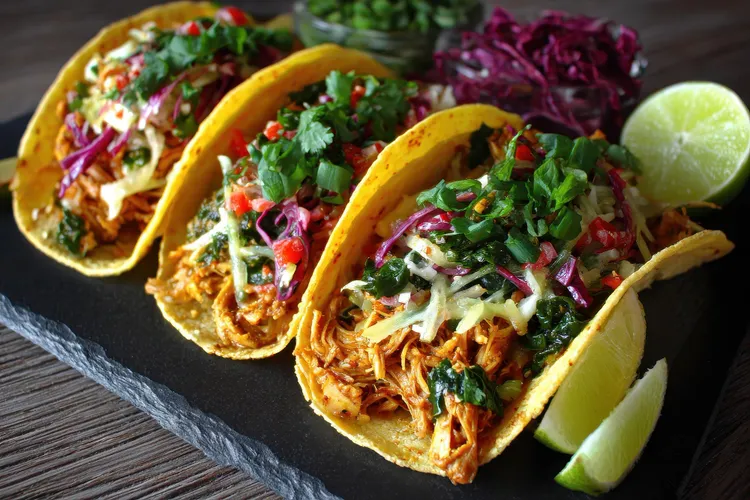
Sheet Pan Chicken Fajitas - high heat, properly marinated chicken, charred peppers and onions, everything that makes fajitas great without the pan-juggling. → Sheet Pan Chicken Fajitas: Better Than Any Takeaway
One-Pot Chicken and Rice - seared chicken thighs cooked over seasoned rice in a single pot. The chicken bastes the rice as it cooks; the rice absorbs the chicken juices. One of the most satisfying cooking techniques in this collection. → One-Pot Chicken and Rice: The Definitive Recipe
Sheet Pan Honey Mustard Salmon - the 25-minute complete dinner. Salmon, new potatoes, green beans, honey mustard glaze. Fast, healthy, impressive. → Sheet Pan Honey Mustard Salmon with Green Beans and Potatoes
Pasta & Grains
One-pot pasta is one of the most searched cooking trends of the last decade - and most versions don't work properly. These do.
One-Pot Pasta - the version that actually works. The water ratio, the starch management, and three complete recipes built on the correct technique. → One-Pot Pasta: The Method That Actually Works
One-Pan Orzo - toasted, cooked in stock, finished with spinach, lemon, and feta. Twenty minutes to a dinner that looks restaurant-quality. → One-Pan Orzo with Spinach, Lemon, and Feta
One-Pot Rice from Around the World - five one-pot rice preparations from five culinary traditions. Spanish arroz con pollo, Persian herb rice, Indian jeera rice, Japanese takikomi gohan, Jamaican rice and peas. → One-Pot Rice Dishes from Around the World: 5 Recipes
Meat & Hearty Mains
For evenings when something more substantial is called for.
Sheet Pan Sausage and Vegetables - the most forgiving one-pan dinner. Any sausage, any root vegetable, one tray. The template for improvising from the fridge. → One-Pan Sausage and Roasted Vegetables: The Ultimate Sheet Pan Dinner
One-Pot Beef Stew - a proper Sunday stew from a single Dutch oven. The sear, the mirepoix, the slow braise, the correct cut. → One-Pot Beef Stew: The Sunday Classic Made Easy
One-Pan Pork Tenderloin - the fastest-cooking large protein, seared and finished with caramelised apples, sage brown butter, and a cider pan sauce. An autumn dinner in 35 minutes. → One-Pan Pork Tenderloin with Apple and Sage
Vegetarian & Vegan
Complete, satisfying plant-based dinners - not side dishes or afterthoughts.
Shakshuka - spiced tomato sauce, eggs poached directly in the pan, everything done in 25 minutes. The most globally beloved one-pan vegetarian dinner. → One-Pan Shakshuka: The Eggs-in-Sauce Dinner That Works Any Time of Day
One-Pot Lentil Soup - red lentils, tarka spicing, a squeeze of lemon at the end. The most nourishing 30-minute dinner in this collection. → One-Pot Lentil Soup: The Most Nourishing 30-Minute Dinner
Sheet Pan Chickpeas and Vegetables - crispy chickpeas, roasted seasonal vegetables, tahini dressing. Naturally vegan, naturally gluten-free, naturally excellent. → Sheet Pan Vegetables with Chickpeas and Tahini Dressing
When Time Is the Constraint
20-Minute Dinners - ten one-pan and one-pot dinners that are genuinely, completely ready in 20 minutes. For the evenings when even 30 minutes feels like a lot. → 10 One-Pan Dinners Ready in 20 Minutes or Less
The Weekly One-Pan Rotation
One-pan cooking works best as a system rather than a collection of individual recipes. Here is a week of dinners that uses the collection efficiently - varying protein, varying technique, varying flavour, and never repeating the same vessel two nights running:
Monday - Sheet Pan Chicken Fajitas (sheet pan, 30 minutes, crowd-pleasing)
Tuesday - One-Pot Lentil Soup (Dutch oven, 30 minutes, nourishing)
Wednesday - One-Pan Orzo with Spinach and Feta (saucepan, 20 minutes, quick)
Thursday - Sheet Pan Sausage and Vegetables (sheet pan, 40 minutes, minimal prep)
Friday - Sheet Pan Honey Mustard Salmon (sheet pan, 25 minutes, impressive for minimal effort)
Saturday - One-Pot Beef Stew (Dutch oven, 2.5 hours, mostly passive)
Sunday - One-Pan Lemon Garlic Chicken Thighs (cast iron skillet, 45 minutes, the classic)
Seven nights of dinner. Seven different flavour profiles. Three different vessels. One wash-up per night.
Building Your One-Pan Pantry
The recipes in this collection draw on a compact, consistent pantry. Stock these once and almost every recipe here becomes a 10-minute grocery shop or less:
The fats: Good olive oil (cooking and finishing), neutral oil (sunflower or vegetable, for high-heat cooking), unsalted butter
The acids: Lemons (fresh only - bottled lemon juice is flat), red wine vinegar, apple cider vinegar, dry white wine, dijon mustard
The aromatics: Garlic (fresh heads), yellow onions, shallots, fresh ginger
The dry spices: Smoked paprika, ground cumin, ground coriander, dried oregano, chili flakes, black pepper (freshly ground)
The umami boosters: Good-quality canned tomatoes (San Marzano or similar), tomato purée, soy sauce, fish sauce, miso paste (from the Fermentation guide)
The proteins to keep on rotation: Chicken thighs (bone-in, skin-on - the most forgiving and flavourful weeknight protein), salmon fillets, eggs, good-quality sausages, canned chickpeas and lentils (the 10-minute protein)
The grains: Short-grain rice, dried red lentils, dried pasta (linguine or spaghetti), orzo
With this pantry, you can make every recipe in this collection with a single visit to the fresh produce section. That is the point - to reduce the friction between "it's 6pm and I need to make dinner" and "dinner is on the table."
The Dietary Coverage
Every reader's kitchen is different. Here is a quick map of which recipes meet specific dietary requirements:
Gluten-free: Lemon Garlic Chicken Thighs, Sheet Pan Fajitas, One-Pot Chicken & Rice, Sheet Pan Salmon, One-Pot Rice Roundup (most versions), Sheet Pan Sausage, One-Pot Beef Stew, One-Pan Pork Tenderloin, Shakshuka, One-Pot Lentil Soup, Sheet Pan Chickpeas
Vegan: Sheet Pan Fajitas (mushroom version), One-Pot Pasta (mushroom version), One-Pan Orzo (without feta), One-Pot Rice Roundup (multiple), Sheet Pan Sausage (vegan sausage), Shakshuka (with silken tofu), One-Pot Lentil Soup, Sheet Pan Chickpeas
Dairy-free: Lemon Garlic Chicken Thighs, Sheet Pan Fajitas, One-Pot Chicken & Rice, Sheet Pan Salmon, One-Pot Pasta, One-Pot Rice Roundup (most), Sheet Pan Sausage, One-Pot Beef Stew, Shakshuka, One-Pot Lentil Soup, Sheet Pan Chickpeas
FAQ
Q: Do I really only need one pan? What about serving dishes and prep bowls?
Yes - the "one pan" refers to the cooking vessel, not the prep. You will still need a chopping board and a knife for preparation, and you may choose to serve from the pan (which is often the most appealing presentation for one-pan dishes). The point is that every element of the dish cooks in a single vessel, producing both the main components and any sauce or pan juices from the same heat source.
Q: What's the most versatile pan to buy first?
A 28-30cm cast iron skillet. It handles the widest range of recipes in this collection - skillet chicken, shakshuka, pork tenderloin, and orzo among them - and it is the pan you will use most outside this collection too. A full equipment breakdown with budget options at every price point is at The Best Pans for One-Pan Cooking.
Q: Are one-pan dinners healthy?
Most of the recipes in this collection are built around lean proteins, vegetables, and whole grains - they are balanced, nutrient-dense meals by any reasonable measure. The one-pan format often produces healthier results than frying (lower fat content, preserved nutrients from roasting rather than boiling), and the simplicity of the format encourages home cooking over takeaways, which is the single most impactful change most people can make to their diet.
Q: How do I adapt these recipes for larger families?
Scale up by using larger pans or two pans simultaneously - the timing and technique remain the same, only the vessel size changes. The most common adaptation issue is overcrowding (see Principle 2) - when doubling a sheet pan recipe, use two sheet pans rather than cramming everything onto one. The Sheet Pan Masterclass covers scaling in detail.
Q: Can I meal prep with one-pan recipes?
Yes - one-pot dishes (stews, soups, rice dishes) are particularly well-suited to meal prep. They improve over 24-48 hours as flavours develop, and they reheat perfectly. Sheet pan dishes are less ideal for meal prep because the crispiness of roasted food deteriorates on reheating - they are best made fresh, which is why the quick 20-minute versions are particularly valuable for busy households.
🔗 Start Cooking
- The One-Pan Dinner Formula: How to Make Any Protein + Any Vegetable Work Together
- The Best Pans for One-Pan Cooking: An Honest Buyer's Guide
- Sheet Pan Dinner Masterclass: The Technique Behind Perfect Roasting
- One-Pan Lemon Garlic Chicken Thighs with Roasted Vegetables
- Sheet Pan Chicken Fajitas: Better Than Any Takeaway
- One-Pot Chicken and Rice: The Definitive Recipe
- Sheet Pan Honey Mustard Salmon with Green Beans and Potatoes
- One-Pot Pasta: The Method That Actually Works
- One-Pan Orzo with Spinach, Lemon, and Feta
- One-Pot Rice Dishes from Around the World: 5 Recipes
- One-Pan Sausage and Roasted Vegetables
- One-Pot Beef Stew: The Sunday Classic Made Easy
- One-Pan Pork Tenderloin with Apple and Sage
- One-Pan Shakshuka: The Eggs-in-Sauce Dinner
- One-Pot Lentil Soup: The Most Nourishing 30-Minute Dinner
- Sheet Pan Vegetables with Chickpeas and Tahini Dressing
- 10 One-Pan Dinners Ready in 20 Minutes or Less
Latest