Why Street Food Around the World Is So Spicy
Walk through almost any busy food market - from night stalls in Asia to roadside grills in Latin America - and you’ll notice one common thing: heat. Street food around the world tends to be bold, spicy, and intensely seasoned. The reason isn’t just taste - it’s a mix of science, climate, history, and smart cooking practicality.
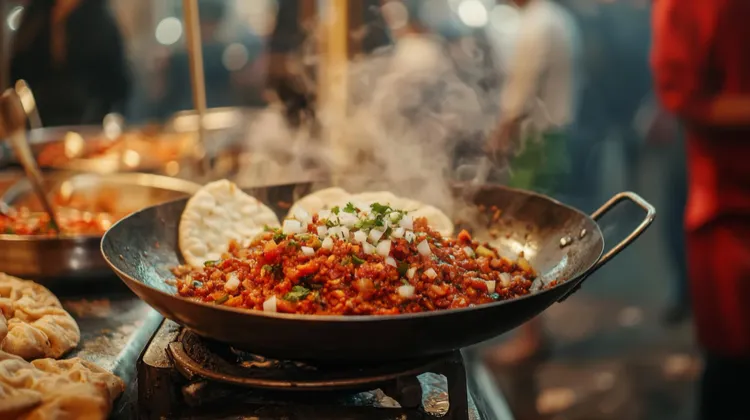
Why Does Quick, Cheap Food Often Have the Most Heat?
Some of the spiciest dishes on Earth don’t come from luxury restaurants. They come from carts, markets, and roadside kitchens serving thousands of people every day.
From chili-loaded noodles to fiery grilled meats and hot sauces poured generously over snacks, spice appears again and again in street food cultures worldwide.
This isn’t coincidence. Spice solves several problems at once - flavor, preservation, speed, and even customer attraction.
Why Is Street Food Usually Spicy?
Street food is often spicy because chili peppers and spices enhance flavor quickly, help mask ingredient inconsistencies, slow bacterial growth slightly in hot climates, and create memorable food experiences. Strong seasoning also allows vendors to cook fast, affordable meals that taste exciting and satisfying.
In short: spice makes simple food taste unforgettable.
Why This Happens
Spice Boosts Flavor Fast
Street vendors cook under pressure.
They need food that tastes good immediately without long cooking times.
Capsaicin from chili peppers stimulates pain and heat receptors while spices activate aroma compounds. Together, they create stronger sensory impact.
Your brain perceives food as richer and more flavorful - even when ingredients are simple.
That’s incredibly useful when cooking with:
-
inexpensive cuts of meat
-
starch-heavy dishes
-
fast stir-fries
-
grilled foods
Heat Encourages Salivation
Spicy food makes your mouth water.
More saliva means flavors spread across taste receptors more efficiently.
This improves texture perception and makes food feel juicier and more satisfying.
That’s why spicy noodles or tacos often taste more exciting than mildly seasoned versions.
Spice and Food Safety (Partially True)
A popular question people ask:
Does spicy food prevent food poisoning?
Not completely - but there is some science behind the idea.
Many spices contain antimicrobial compounds:
-
Chili peppers
-
Garlic
-
Ginger
-
Turmeric
-
Cumin
Historically in warm climates without refrigeration, heavily spiced foods helped slow microbial growth slightly.
Important note:
Spices do NOT replace proper food safety.
But historically, they offered small advantages.
Climate Plays a Big Role
Hot regions around the world often developed spicier cuisines.
Why?
Spicy food causes sweating.
Sweating cools the body through evaporation.
Ironically, eating hot peppers can help people feel cooler in warm environments.
This explains strong spice traditions in regions with tropical or hot climates.
What Most People Get Wrong About Spicy Street Food
Myth 1: Vendors Use Spice to Hide Bad Ingredients
Good street vendors rely on repeat customers.
Flavor matters more than hiding problems.
Spices enhance taste - they don’t fix spoiled food.
Successful vendors survive because food tastes consistently good.
Myth 2: Street Food Is Spicy Everywhere
Not always.
Some regions emphasize:
-
acidity
-
herbs
-
smoke
-
fermentation
But globally, spice remains one of the fastest flavor tools available.
Myth 3: More Chili Means Better Food
Professional vendors balance heat carefully.
Too much spice reduces repeat customers.
The goal is craveable heat - not punishment.
Practical Cooking Tips: How to Cook Street-Food Style Spice at Home
You don’t need extreme heat to recreate street food flavor.
You need layering.
1. Cook Chili in Oil First
Street cooks almost always start here.
Heating chili flakes or fresh peppers in oil releases fat-soluble flavor compounds.
Result:
-
deeper aroma
-
smoother heat
-
less harsh burn
Try this with:
-
noodles
-
rice dishes
-
sautéed vegetables
2. Combine Spice With Salt and Acid
Street food tastes bold because flavors balance.
Use this formula:
Heat + Salt + Acid + Fat.
Examples:
-
chili + lime juice
-
hot sauce + vinegar
-
spicy meat + pickled vegetables
Acid refreshes the palate between bites.
3. Use Fresh and Dried Chili Together
Many vendors mix both.
Fresh chilies add brightness.
Dried chilies add depth and smokiness.
This creates layered spice instead of one-dimensional heat.
4. Finish With Sauce or Chili Oil
Street vendors often add spice at the end.
Examples include:
-
chili oil drizzle
-
hot sauce splash
-
spicy paste topping
This wakes up aroma right before serving.
Common Mistakes When Trying Street Food Spice at Home
-
Adding chili powder only at the end
-
Forgetting acidity
-
Using old spices (they lose aroma)
-
Making dishes spicy but not salty enough
-
Skipping texture contrast
Crunchy toppings often balance spicy foods beautifully.
Spice Also Attracts Customers
Here’s something many people don’t realize.
Spice travels through the air.
When chilies hit hot oil or grills, aromatic compounds spread quickly.
That smell pulls people toward stalls.
Professional street vendors understand this instinctively.
Sizzling garlic, chili, and spices act like edible advertising.
Restaurants use the same trick with open kitchens today.
Why Does Spicy Street Food Feel So Addictive?
Capsaicin triggers endorphin release - your body’s natural pain relief chemicals.
After eating spicy food, people often feel:
-
energized
-
satisfied
-
slightly euphoric
Your brain remembers that reward.
That’s why people return to the same street stall repeatedly.
Chili Peppers Conquered the World Surprisingly Fast
Chili peppers originally came from the Americas.
After global trade routes expanded in the 15th and 16th centuries, peppers spread across Asia, Africa, and Europe incredibly quickly.
Within a few generations, they became essential to cuisines that now feel ancient and traditional.
Many iconic spicy street foods are actually the result of one of history’s fastest ingredient adoptions.
Spice Makes Street Food Work
Street food must be fast, affordable, memorable, and satisfying.
Spice helps achieve all four.
It boosts flavor instantly, balances simple ingredients, creates sensory excitement, and even draws customers in through aroma alone.
That’s why across continents and cultures, chili heat became one of the universal languages of street cooking.
When used thoughtfully, spice isn’t just heat - it’s smart culinary design.
In Short
-
Street food is often spicy because spice creates strong flavor quickly.
-
Chili peppers enhance taste even in simple or inexpensive dishes.
-
Spices historically helped slightly slow bacterial growth in warm climates.
-
Heat encourages sweating and cooling in hot environments.
-
Cooking chili in oil creates smoother, deeper spice flavor.
-
Balance spice with acid, salt, and fat for better results.
-
Aroma from spices helps attract customers to food stalls.
-
Capsaicin releases endorphins, making spicy food craveable.
Latest