You've Heard Frozen Food Is Worse. Not Exactly.
The idea that fresh always beats frozen is one of the most persistent myths in home cooking. The truth, backed by food science, is more nuanced - and more useful - than you've been told. Understanding the difference could change how you shop, cook, and feel about your freezer forever.
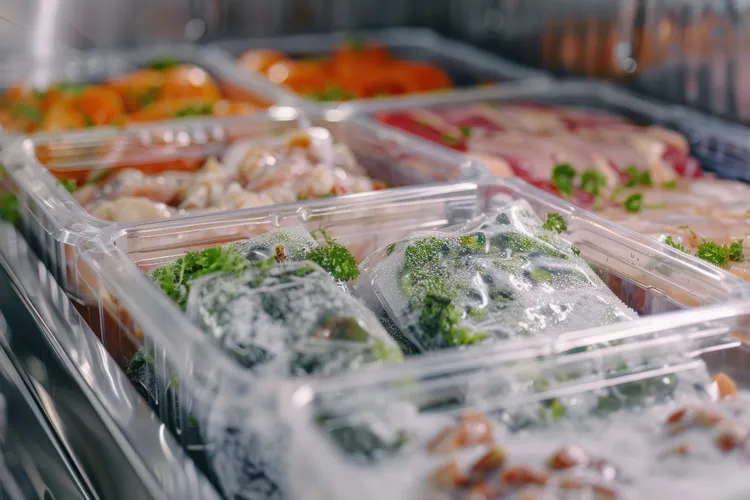
Here's a question worth sitting with: when you buy "fresh" spinach at the grocery store, how long has it actually been sitting in transit, in a warehouse, and under fluorescent lights? In many cases, the answer is five to seven days. Meanwhile, frozen spinach was blanched and locked at peak ripeness within hours of harvest. Which one is actually fresher?
This single example upends the assumption most of us carry every time we shop. Fresh doesn't automatically mean better. Frozen doesn't automatically mean worse. The real story is about timing, chemistry, and how you cook it.
Frozen fruits and vegetables are often nutritionally equal to - and sometimes better than - their "fresh" counterparts. Because freezing halts enzymatic degradation almost immediately after harvest, key vitamins and antioxidants are preserved. The quality difference you may notice is mostly textural, not nutritional.
Why This Happens:
The moment a fruit or vegetable is picked, it begins losing nutrients. Enzymes that were helping the plant grow now start breaking down vitamins - particularly vitamin C and B vitamins, which are water-soluble and highly sensitive to heat, light, and time.
Freezing doesn't stop all biological activity, but it dramatically slows it. At -18°C (0°F), the enzymatic reactions that degrade nutritional content slow to a near halt. This is why a bag of frozen peas picked in summer can still deliver meaningful nutrition on a January weeknight.
The Blanching Step Matters
Before freezing, most vegetables are quickly blanched - briefly boiled or steamed, then cooled fast. This deactivates the enzymes responsible for quality degradation. Yes, blanching causes some initial nutrient loss (particularly water-soluble vitamins), but it then locks everything in place for months. The net result is often better preservation than a "fresh" vegetable that has traveled across a continent.
What Actually Changes in Freezing
When water inside plant cells freezes, it expands and punctures cell walls. That's why frozen vegetables are softer after cooking - the structural integrity is gone. This is a textural change, not a nutritional one. For cooked dishes like soups, stews, stir-fries, and sauces, it's essentially irrelevant.
"Texture changes in freezing. Nutrition doesn't - at least not in the way most people assume."
What Most People Get Wrong
| Myth | Fact |
|---|---|
| Fresh produce is always more nutritious than frozen. | Frozen produce is often harvested at peak ripeness and locked in place, while "fresh" produce may lose significant nutrients in transit. |
| Frozen food is full of preservatives. | Plain frozen vegetables and fruits contain no additives. Cold is the only preservative needed. (Frozen meals are different - always check labels.) |
| Frozen meat is lower quality. | Flash-frozen fish and meat can be higher quality than "fresh" fish that has been on ice for several days at a fish counter. |
| You should always thaw frozen vegetables before cooking. | For most cooked dishes, adding frozen vegetables directly is better — it avoids extra water release and preserves texture. |
Practical Cooking Tips: Getting the Best from Frozen
Don't thaw vegetables before roasting or sautéing
Thawing releases water, which steams rather than sears your vegetables. For a proper caramelized texture, spread frozen vegetables on a sheet pan and roast them at high heat (220°C / 425°F) straight from frozen. The moisture will evaporate fast enough to still get browning.
Frozen fish deserves more respect
Much of the fish labeled "fresh" at a counter was previously frozen at sea and thawed for display. Buying it frozen yourself gives you more control over quality. Thaw fish overnight in the fridge, never at room temperature, and pat thoroughly dry before cooking. Dry surface = better sear.
Use frozen fruit strategically
Frozen berries are ideal for smoothies, sauces, jams, and baked goods where texture doesn't matter. For anything where you want the fruit intact - a salad, a cheese board - use fresh. For everything else, frozen performs identically and costs less.
Season at the right time
Frozen vegetables release more water during cooking. Wait until after the excess moisture has cooked off before salting, or you risk drawing out even more liquid and ending up with a watery result.
Common Mistake to Avoid: Overcrowding the pan with frozen vegetables. They need space for steam to escape. Work in batches on a hot pan or roasting tray, and you'll get far better texture and flavor.
What Professional Kitchens Actually Do
Professional kitchens have no loyalty to "fresh vs. frozen" as a concept. They have loyalty to quality and consistency. A restaurant that claims never to use frozen ingredients is either farm-adjacent, operating at great expense, or not being entirely honest.
Many high-end kitchens use individually quick-frozen (IQF) seafood for certain preparations, keep frozen stock in reserve, and use frozen peas specifically because the fresh ones off the vine are impossible to source year-round. The distinction they do care about: freezing quality ingredients at peak, versus buying poor-quality frozen products as a shortcut.
The professional principle worth borrowing: freeze things yourself at their best. Blanch and freeze your own garden herbs, over-ripe bananas, or excess berries. You'll outperform any store-bought frozen option every time.
Fun Fact
Astronauts on early space missions ate freeze-dried food - a process that removes 98% of water while preserving nearly all nutrients. Some freeze-dried foods retain their nutritional profile for up to 25 years. Fresh, by comparison, barely lasts a week.
The fresh-versus-frozen debate has a clear answer: it depends on context. For produce that is genuinely local, seasonal, and recently harvested, fresh wins on texture and sometimes nutrition. For anything that has traveled long distances over several days, frozen often wins - or at minimum, draws level.
The smarter question isn't "fresh or frozen?" It's "how recently was this harvested, and how has it been handled since?" A frozen pea picked yesterday beats a fresh pea picked two weeks ago, every single time.
Use frozen ingredients with confidence. Cook them correctly. And stop apologizing for the peas.
Key Takeaways
- Frozen produce is often harvested at peak ripeness and frozen within hours, preserving nutrients effectively.
- "Fresh" produce can lose significant vitamins during transit and shelf storage - sometimes taking 5-7 days to reach you.
- Freezing changes texture by breaking down cell walls, but does not significantly reduce nutritional value.
- Plain frozen vegetables contain no preservatives - cold temperature is the only preservation method used.
- Flash-frozen fish can be superior to "fresh" fish that has been on ice for days at a counter.
- Don't thaw vegetables before roasting - cook straight from frozen at high heat for better results.
- Professional kitchens use frozen ingredients regularly; the key is choosing quality and cooking correctly.
- The smartest approach: buy fresh when it's truly local and seasonal. Use frozen for everything else without guilt.
Latest