Amazake: Japan's Naturally Sweet Fermented Rice Drink
No added sugar. Naturally sweet through enzyme activity - the ancient Japanese drink that deserves to be known everywhere.
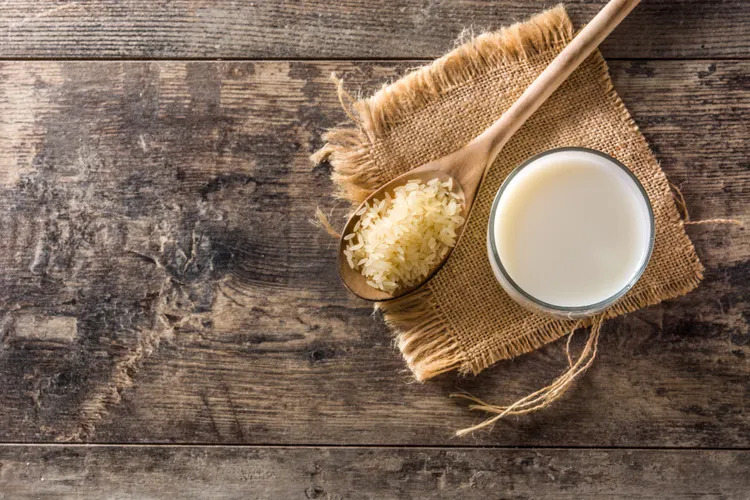
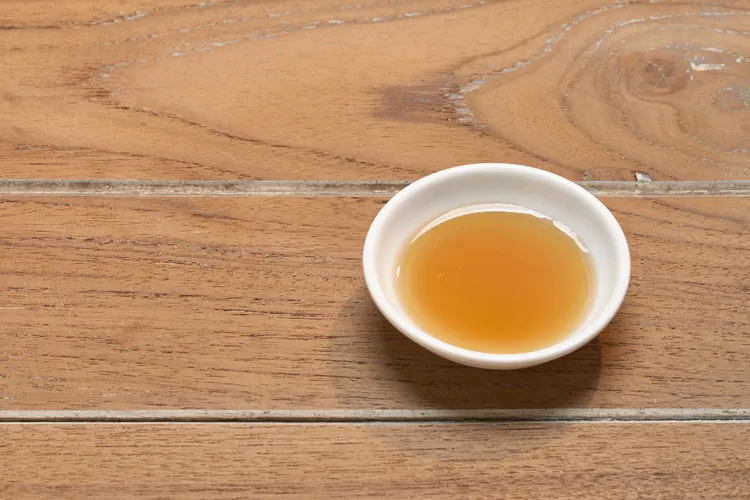
Amazake is one of fermentation's most remarkable demonstrations: a drink that is genuinely, intensely sweet without a single gram of added sugar. The sweetness comes entirely from the activity of koji enzymes breaking down the starches in cooked rice into glucose and maltose - the same process that makes sake possible, applied here without the subsequent alcoholic fermentation.
The result is a thick, porridge-like drink with the consistency of thin congee and a flavour that is simultaneously sweet, faintly acidic, and deeply satisfying in the way that only fermented foods can be. Drunk warm in winter - at shrines during Hatsumode (New Year's shrine visits), from festival stalls during Hinamatsuri (Girl's Day) in March - it is one of Japan's great comfort drinks. Drunk cold over ice in summer, it is refreshing in a way that commercial sweet drinks rarely are.
It is also, given the right equipment, straightforward to make. The critical requirement is maintaining the fermentation temperature in the narrow 55-60°C range where the koji enzymes are most active - high enough for enzyme activity, low enough not to kill the koji. Everything else is simple.
📖 What koji is: Aspergillus oryzae - the mould grown on rice or grain that produces the amylase enzymes central to amazake, and the protease enzymes central to miso. The full koji explanation is in The Science of Fermentation. Rice koji for amazake is available at Japanese grocery stores and online.
The Two Styles of Amazake
Koji amazake (this recipe): Made from cooked rice and rice koji, fermented at 55-60°C for 8-12 hours. The koji enzymes convert starch to sugar; no yeast fermentation occurs; the result is very low or zero alcohol. This is the style covered in this recipe.
Sake lees amazake (kasuzake): Made by dissolving sake lees (the byproduct of sake production) in hot water and sweetening to taste. Much faster (5 minutes) but depends on having sake lees available and produces a mildly alcoholic drink. Not covered in this recipe but worth knowing.
Ingredients
Makes approximately 600ml | Active time: 20 minutes | Fermentation: 8-12 hours at 55-60°C
- 200g short-grain Japanese rice (sushi rice or similar) - cooked, slightly over-hydrated (more water than usual to produce a softer, more easily converted texture)
- 200g rice koji (dried or fresh) - the enzyme source. The ratio of rice to koji is 1:1 by weight, a standard that produces a sweet, well-converted amazake. More koji: sweeter and faster. Less koji: milder and slower.
- 200–250ml warm water (not hot - below 60°C) - to adjust the consistency
Equipment
The critical challenge in amazake is maintaining 55-60°C for 8-12 hours. Below 50°C, the amylase enzymes are insufficiently active. Above 65°C, the enzymes are destroyed. The window is narrow and must be maintained consistently.
Options for temperature maintenance:
Rice cooker (Keep Warm setting): The most reliable option. Most rice cooker "Keep Warm" settings maintain approximately 60-70°C - test yours with a thermometer. If slightly too hot (above 65°C), leave the lid slightly ajar to allow heat to escape.
Instant Pot (Yogurt mode or custom temperature): The Instant Pot's yogurt mode maintains approximately 40°C - too cool for amazake. However, many models have a custom temperature setting. Alternatively, set to "Keep Warm" (which maintains approximately 60-70°C in some models) and monitor.
Thermos flask: Pre-heat a wide-necked thermos with boiling water for 10 minutes, discard the water, pour in the amazake mixture at 60°C, and seal. The thermos maintains temperature for 8-12 hours with gradual cooling. Test your thermos: the temperature should remain above 55°C for the full fermentation period.
Dehydrator: Set to 60°C and maintain consistently throughout. Very reliable if you own one.
Oven at very low heat: A difficult option because most ovens' lowest settings are above 60°C. If your oven has a "proof" setting or can be set to 60°C precisely, it works well. Otherwise, leave the oven door slightly ajar and monitor with a thermometer.
Method
Step 1: Cook the rice
Cook the rice with slightly more water than usual - approximately 1.5:1 water to rice ratio (rather than the standard 1.2:1). The rice should be very well-cooked and slightly sticky. Allow to cool to below 60°C before proceeding.
Step 2: Mix with koji
Once the rice is below 60°C (test with thermometer - too hot destroys the koji enzymes), add the rice koji and mix thoroughly. Break up any clumps of koji and distribute it evenly through the rice. The mixture should be roughly the consistency of thick porridge.
Add 100ml of warm water to adjust consistency if needed - the mixture should be pourable but not liquid.
Step 3: Ferment at 55-60°C for 8-12 hours
Transfer to your chosen fermentation vessel and maintain at 55-60°C for the full period.
Stir every 2–3 hours if your setup allows - stirring redistributes the koji enzymes and produces more even conversion.
The transformation: At 4 hours, the mixture tastes starchy and mildly sweet. At 6 hours, the sweetness is noticeably developing. At 8 hours, a properly fermenting amazake is clearly, pleasantly sweet with the characteristic smooth texture of converted starch.
Step 4: Taste and finish
At 8 hours, taste the amazake. It should be sweet - genuinely, naturally sweet from the glucose and maltose produced by the koji amylases. If still primarily starchy and mild, continue for up to 12 hours.
Once the desired sweetness is reached, heat the amazake to 75°C briefly - this deactivates the koji enzymes and stops further fermentation, fixing the sweetness at its current level. Without this step, the enzymes continue converting starch even in the refrigerator, gradually making the amazake sweeter over time.
Step 5: Blend and serve
For a smooth drink: blend the finished amazake until smooth, then strain through a fine-mesh sieve for a silky consistency.
For a textured porridge-like drink (the traditional style): serve as is, with visible rice pieces.
Add a small amount of fresh grated ginger - a pinch per serving, stirred in just before serving. Ginger and amazake is one of Japan's classic flavour combinations.
Serving: Warm and Cold
Warm amazake (winter): Heat gently to serving temperature (do not boil - boiling after the enzyme deactivation step is fine but may slightly reduce complexity). Serve in small cups with a pinch of grated ginger. The warming, sweet, slightly complex flavour is extraordinary on a cold day.
Cold amazake (summer): Blend until smooth, thin with cold water to a drinkable consistency, refrigerate, and serve over ice. The cold version is more refreshing than warming - a sweet, slightly acidic drink that is genuinely different from any commercial alternative.
Amazake smoothies: Replace the liquid in any smoothie with amazake. It adds natural sweetness, a slightly fermented complexity, and nutritional value (koji fermentation increases B vitamin content) without any added sugar.
Amazake as a sweetener: Use in baking as a partial substitute for sugar - 100g of amazake provides approximately 20-25g of natural sugars. Reduce added sugar and compensate with amazake for a more complex, less one-dimensional sweetness.
Amazake in marinades: A tablespoon of amazake in a meat or fish marinade provides natural sweetness and the tenderising effect of the residual koji enzymes. Use as a replacement for mirin in marinades for a more complex result.
Pro Tips
- Temperature control is everything. The 55-60°C window is non-negotiable. Below 50°C the enzymes are inactive; above 65°C they die. Invest 5 minutes in checking your chosen fermentation method's temperature before committing the batch.
- The rice-to-koji ratio can be adjusted. More koji (up to 1.5:1 koji:rice) produces sweeter, faster amazake. Less koji (0.5:1) produces milder, slower amazake. The standard 1:1 is the reliable starting point.
- Don't skip the enzyme deactivation step. Heating to 75°C at the end fixes the sweetness. Without it, the amazake continues to convert in the refrigerator and becomes progressively sweeter over days.
- Fresh rice koji produces better amazake than dried. Fresh koji has higher enzyme activity. If available (Japanese grocery stores or direct from koji producers), use it. Dried koji works well but may need a slightly longer fermentation time.
FAQ
Q: Is amazake alcoholic?
Koji amazake (this recipe) produces negligible alcohol - typically less than 1% and often effectively zero. The koji enzymes convert starch to sugar, but without added yeast there is no significant alcoholic fermentation. It is considered appropriate for children and pregnant women in Japan, though individual preferences vary.
Q: What does amazake taste like?
Sweet, slightly thick, with a faint lactic tang and a complex, almost grain-like depth. Not like sugary drinks - the sweetness is natural and rounded, without the sharpness of added sugar. Slightly similar to a very mild, sweet rice wine or a naturally fermented porridge.
Q: Can I make amazake without a rice cooker or thermos?
Yes, with more monitoring. Use an oven at the lowest possible setting (leave the door ajar if too hot) and check the temperature every hour. A covered pot in a very warm water bath (changed periodically to maintain temperature) also works. The challenge is maintaining 55-60°C consistently without specialised equipment.
🔗 Continue Fermenting
Latest