The Essential Asian Street Food Pantry: What to Buy and Where to Find It
Stock these once. Cook from them for years. The ingredients behind every Korean, Japanese, Vietnamese, and Thai recipe in this collection.

The single biggest barrier between a home cook and great Asian street food is not technique. It is not equipment. It is not time.
It is a pantry that isn't stocked for the job.
Most Western home kitchens are built around a European flavor logic - olive oil, dried herbs, canned tomatoes, wine vinegars, stock cubes. This pantry produces excellent European food and fails almost completely at Korean, Japanese, Vietnamese, and Thai cooking, not because those cuisines are more complex, but because they draw on a completely different set of foundational ingredients. Ingredients that, once you have them, make every recipe in this collection straightforward - and that, without them, make substitution an exercise in producing something that looks vaguely like the dish but tastes like a polite approximation.
The good news: these ingredients are not exotic. They are widely available - in Asian grocery stores (the best source), large supermarkets (increasingly comprehensive), and online retailers (the most reliable for specialist items). They are not expensive. Most of them keep for months or years. And the investment in stocking this pantry once is the investment that unlocks not just this collection, but every Asian recipe you will ever cook.
This guide covers every ingredient used in the Asian street food recipes of this collection, organised by cuisine, with honest notes on what each ingredient does, where to find it, how to store it, and - where genuinely useful - what to use if you truly cannot find the original.
📖 How to use this guide: Read the entire guide once before your first shopping trip - the overview gives you a sense of which ingredients overlap between cuisines (sesame oil appears in Korean, Japanese, and Vietnamese cooking; ginger is universal). Then use the cuisine-specific sections as shopping lists when you're preparing for a specific recipe. The quick-reference table at the end is for ongoing use.
Part 1: The Cross-Cuisine Essentials
These ingredients appear in two or more of the Asian cuisines in this collection. Buy them first - they are your highest-leverage pantry additions.
Soy Sauce
Appears in: Korean, Japanese, Vietnamese, Thai, Chinese-influenced dishes
The most fundamental seasoning in Asian cooking - a fermented liquid produced from soybeans, wheat, salt, and water, with a salty, umami depth that salt alone cannot replicate.
The types you need:
- Light soy sauce (薄口醤油 / 생간장): The standard all-purpose soy sauce - use this for most applications. "Light" refers to color (it is lighter in color than dark soy sauce), not sodium content. Standard Kikkoman soy sauce is a light soy sauce.
- Dark soy sauce (老抽): Thicker, less salty, more deeply flavored - used primarily in braised dishes and as a color agent. Less commonly needed in street food applications.
- Tamari: A Japanese soy sauce made with little or no wheat - almost identical flavor to regular soy sauce and the correct gluten-free substitute.
Where to find it: Every supermarket. For better quality and value, buy at an Asian grocery store - Kikkoman, Lee Kum Kee, and Pearl River Bridge are reliable brands across price points.
Storage: Indefinitely at room temperature before opening; refrigerate after opening and use within 1 year for best flavor.
Sesame Oil (Toasted)
Appears in: Korean, Japanese, Vietnamese, Thai
Toasted sesame oil - made from roasted sesame seeds - is a finishing oil and flavoring agent, not a cooking oil. Its smoke point is too low for high-heat cooking. A few drops at the end of a dish adds a nutty, aromatic depth that is immediately recognisable as Asian cooking.
The critical distinction: Toasted (dark) sesame oil vs. raw (light) sesame oil. Raw sesame oil has almost no flavor. Toasted sesame oil is what every Asian street food recipe means when it says "sesame oil." They are not interchangeable.
Where to find it: Large supermarkets (usually in the world food aisle), Asian grocery stores. Kadoya and Lee Kum Kee are reliable brands.
Storage: 6 months at room temperature, 1 year refrigerated. It turns rancid - smell before using; rancid sesame oil smells sharp and unpleasant.
Fresh Ginger
Appears in: Korean, Japanese, Vietnamese, Thai, Chinese
Fresh ginger root is a foundational aromatic in almost every Asian cuisine. It provides heat, freshness, and a floral quality that dried or powdered ginger cannot replicate in street food applications.
Buying: Choose firm, unwrinkled roots. Older ginger with soft spots or visible mould is past use.
Storage: Unpeeled, in the fridge in a sealed bag, for 3-4 weeks. In the freezer (whole, unpeeled) for 6 months - grate directly from frozen without thawing for convenience.
Garlic
Appears in: Every cuisine in this collection
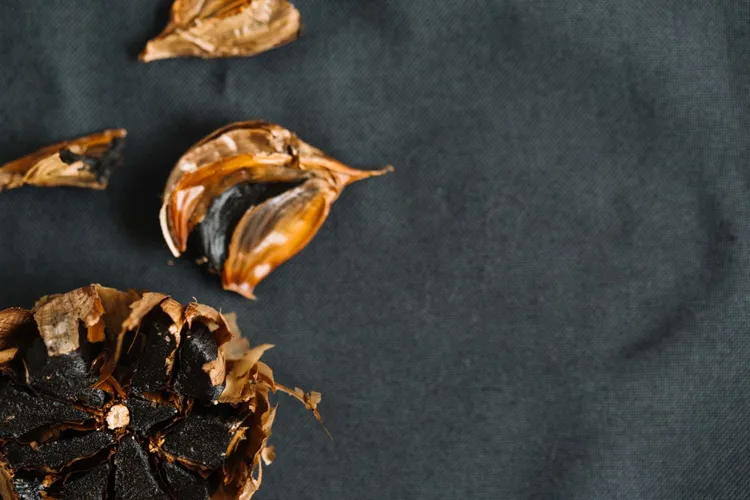
No separate notes needed - the most universal ingredient in global cooking. Buy fresh heads and use them. Jarred pre-minced garlic is an acceptable convenience for marinades; it is not acceptable for dipping sauces and dressings where the garlic character is prominent.
Rice Flour
Appears in: Korean (rice cakes), Japanese (takoyaki batter), Vietnamese (rice papers), Thai (pad thai noodles)
Rice flour - ground from white or glutinous rice - produces lighter, crispier batters and coatings than wheat flour and is fundamental to the texture of several dishes in this collection. It is also naturally gluten-free.
Two types:
- Regular (non-glutinous) rice flour: For batters (takoyaki), coatings, thickening. The texture is crispier and lighter than wheat flour.
- Glutinous rice flour (sweet rice flour / mochiko): For mochi, Korean rice cakes (tteok), and chewy preparations. "Glutinous" refers to the texture (sticky, stretchy) not to gluten content - glutinous rice flour contains no gluten.
Where to find it: Asian grocery stores, health food stores. Bob's Red Mill makes a widely available non-glutinous rice flour. Erawan and Koda Farms are reliable for glutinous rice flour.
Storage: Cool, dry place in a sealed container, up to 1 year.
Tamarind Paste
Appears in: Thai (pad thai sauce, nam jim), Vietnamese (some preparations), South Asian (covered in the South Asian Pantry Guide)
Tamarind is the fruit of the tamarind tree - sour, slightly sweet, and deeply complex in a way that has no true substitute. In pad thai, it is the acid backbone without which the dish doesn't taste right. Lemon or lime juice is frequently suggested as a substitute; they are not equivalent.
Forms available:
- Tamarind paste (from a jar): The most convenient form. Ready to use directly. Varies in concentration by brand - taste before using and adjust.
- Tamarind block (compressed pulp): The most common form in Asian grocery stores. Tear off a piece, soak in hot water for 10 minutes, push through a sieve to extract the paste, discard the fibers and seeds. More work, more flavor.
- Tamarind concentrate: Very strong - use in half the quantity of paste. Often has a slightly cooked, less fresh flavor.
Where to find it: Asian grocery stores (tamarind block is cheapest here), large supermarkets (paste in jars), online.
Storage: Paste in a sealed jar, refrigerated, 3 months. Block at room temperature for 6 months; refrigerated for 1 year.
Fish Sauce
Appears in: Vietnamese, Thai - the foundational seasoning of both cuisines
Fish sauce is fermented fish liquid - the result of salting and aging whole fish (typically anchovies) for 12-24 months. It is intensely salty, deeply umami, and irreplaceable in Vietnamese and Thai cooking. It provides a savory depth that makes food taste more of itself rather than tasting of fish.
The quality spectrum matters here. Cheap fish sauce is harsh and one-dimensional. Good fish sauce (Three Crabs, Tiparos, Megachef, Red Boat) has a rounded, complex salinity with umami depth. For dipping sauces and dressings where fish sauce is prominent (nuoc cham, nam jim), quality is directly perceptible.
Where to find it: Large supermarkets, Asian grocery stores. Buy at an Asian grocery store for significantly better value and selection.
Vegan substitute: Soy sauce approximates the saltiness but not the umami depth. A more effective vegan substitute: soy sauce + a small amount of seaweed (nori) steeped in hot water, strained, and combined. Mushroom-based fish sauce alternatives are increasingly available online.
Storage: Indefinitely at room temperature. Does not require refrigeration.
Mirin
Appears in: Japanese recipes throughout the collection
Mirin is a sweet Japanese rice wine - lower in alcohol and much sweeter than sake, used as a seasoning rather than a drink. It adds sweetness, a slight gloss, and a subtle fermented depth to sauces, marinades, and glazes.
Two types:
- Hon mirin (本みりん): True mirin - fermented, contains alcohol (around 14%), has genuine depth and complexity. This is what you want.
- Mirin-style condiment (みりん風調味料): A cheaper substitute made with glucose syrup and alcohol - functional but noticeably less complex.
Substitute: Dry sherry + a pinch of sugar, or sake + sugar, in equal quantity. Not identical but functional.
Where to find it: Large supermarkets (often both types - check the label), Asian grocery stores (better selection).
Storage: Cool dark place, up to 1 year opened.
Part 2: Korean Pantry
Korean street food is built on a foundation of fermented condiments - gochujang, doenjang, and ganjang - that develop their character over months or years of careful aging. These are the ingredients that make Korean cooking taste like Korean cooking, and no amount of substitution changes that.
Gochujang (고추장)
Used in: Tteokbokki, gochujang mayo, Korean marinades
Gochujang is fermented chili paste - a combination of dried chili, glutinous rice, fermented soybean powder, salt, and sometimes a small amount of sweetener, fermented together for months to produce a thick, dark red paste with a depth and complexity that fresh chili preparations cannot replicate.
The flavor: Spicy, yes - but also sweet, slightly smoky, and deeply savory from the fermentation. It tastes nothing like sriracha or other Western chili sauces. It is the single most important ingredient in the Korean section of this collection.
Heat levels: Gochujang comes in mild (순한), medium (보통), and hot (매운) heat levels - clearly labeled on most packaging. For the tteokbokki recipe, medium is the standard. Beginners should start with mild and adjust.
Brands: Haechandle and CJ Beksul are the most widely available international brands. Both are reliable. Korean grocery stores carry a wider selection.
Where to find it: Korean grocery stores, large Asian grocery stores, some large supermarkets (world food aisle), online. Increasingly available in mainstream supermarkets.
Storage: Refrigerated in a sealed container, 1 year or more. The flavor deepens slightly over time.
Gochugaru (고추가루)
Used in: Korean marinades, kimchi preparations, as a seasoning
Gochugaru is Korean dried chili flakes - coarser than European chili flakes, slightly sweeter, with a specific smoky-fruity flavor that is distinct from Italian or Middle Eastern chili preparations. It is a different ingredient from gochujang (the paste) and is used differently.
Substitute: A mixture of sweet smoked paprika and cayenne gets close to the color and gentle heat - but not the specific gochugaru flavor.
Where to find it: Korean grocery stores, Asian grocery stores, online.
Storage: Sealed container, cool and dark, 6 months. Freezer for up to 1 year.
Doenjang (된장)
Used in: Korean soups, as a flavoring for sauces
Doenjang is Korean fermented soybean paste - the Korean equivalent of miso, but with a stronger, more pungent flavor produced by a different fermentation process. It is used more sparingly than miso and has a more assertive character.
Substitute: Japanese red miso (aka miso) is the closest available substitute - similar fermented soybean base, similarly assertive. Use in equal quantity.
Where to find it: Korean grocery stores, large Asian grocery stores.
Storage: Refrigerated, 1 year or more.
Rice Cakes (Tteok / 떡)
Used in: Tteokbokki
Korean rice cakes - cylindrical, chewy, made from pounded glutinous rice flour - are the body of tteokbokki. They are available in two forms for home cooking: fresh (refrigerated, in the fridge section of Korean grocery stores) and packaged (dried or vacuum-sealed, shelf-stable).
Fresh rice cakes produce the best texture - they are softer and chewier and require less soaking. Packaged rice cakes need to be soaked in cold water for 20-30 minutes before cooking to rehydrate and soften. Both produce excellent results.
Where to find it: Korean grocery stores (fresh and packaged), large Asian grocery stores (packaged), online.
Storage: Fresh: refrigerated, use within 3 days. Packaged: sealed, cool and dry, 6 months. Both can be frozen.
Part 3: Japanese Pantry
Dashi (だし)
Used in: Takoyaki, Matcha Miso Soup, Japanese broths
Dashi is the foundational stock of Japanese cooking - made from kombu (dried kelp) and katsuobushi (dried bonito flakes), it provides a delicate but deeply umami broth that underlies most Japanese preparations. See the full dashi guide in Matcha Miso Soup.
Shortcut: Dashi granules (dashi no moto) dissolve instantly in hot water and are a perfectly acceptable weekday substitute. Available at every Asian grocery store and increasingly in supermarkets.
Kombu (昆布)
Used in: Dashi, as a seasoning
Dried kelp - the primary component of kombu dashi. A 10g piece steeped in cold water overnight produces a light, umami-rich stock that is the vegan foundation for Japanese cooking.
Where to find it: Asian grocery stores, health food stores (it's also popular as a supplement), online.
Storage: Sealed, cool and dry, indefinitely.
Japanese Mayonnaise (Kewpie)
Used in: Takoyaki, gochujang mayo, bánh mì
Japanese mayo (Kewpie brand is the industry standard) differs from Western mayonnaise in two key ways: it uses only egg yolks (not whole eggs), producing a richer, creamier texture, and it is seasoned with rice vinegar, giving it a slightly sweeter, more rounded flavor.
Where to find it: Most large supermarkets now, Asian grocery stores, online. The distinctive red-capped squeeze bottle is unmistakable.
Storage: Refrigerated after opening, 2 months.
Bonito Flakes (Katsuobushi / 鰹節)
Used in: Takoyaki garnish, dashi
Dried, fermented, smoked tuna shavings - one of the most distinctive garnishes in Japanese cooking. They move in the heat rising from freshly cooked food, which makes the takoyaki experience particularly theatrical. They also dissolve slowly into hot dashi to add the inosinate component of umami.
Where to find it: Asian grocery stores, large supermarkets (world food aisle), online.
Storage: Sealed bag, cool and dry, 6 months.
Aonori (青のり)
Used in: Takoyaki, okonomiyaki
Dried green seaweed flakes - a garnish for takoyaki and okonomiyaki that adds a faintly oceanic, herbal note. Not a critical flavor component but part of the authentic visual and taste profile.
Substitute: Nori (dried sushi seaweed) very finely crumbled or processed to a powder approximates the flavor.
Where to find it: Japanese grocery stores, online. Less commonly found in general Asian grocery stores.
Storage: Sealed, cool and dark, 1 year.
Part 4: Vietnamese Pantry
Rice Papers (Bánh Tráng)
Used in: Vietnamese spring rolls, Bánh Mì (as wrapping for some variations)
Dried circular rice flour sheets - soaked briefly in warm water to rehydrate, then used as wrappers for spring rolls and other preparations. They become translucent and pliable when rehydrated.
Where to find it: Asian grocery stores, large supermarkets, online.
Storage: Sealed, cool and dry, 1 year.
Maggi Seasoning Sauce
Used in: Bánh Mì mayo
A fermented wheat-based liquid seasoning - dark, intensely savory, similar in application to soy sauce but with a distinct flavor that is integral to the bánh mì experience. It's a foundational flavor of Vietnamese street food.
Where to find it: Large supermarkets (usually near the soy sauce), Asian grocery stores.
Storage: Indefinitely at room temperature.
Vietnamese Coriander (Rau Răm)
Used in: Bánh mì, Vietnamese salads
A Vietnamese herb with a slightly peppery, lemony character - distinct from standard coriander (cilantro). Used fresh as a garnish in Vietnamese street food.
Substitute: A mixture of standard fresh coriander and a small amount of fresh mint approximates the flavor.
Where to find it: Vietnamese grocery stores, some larger Asian grocery stores, occasionally at farmers markets.
Storage: Refrigerated in a damp paper towel, 3-4 days.
Part 5: Thai Pantry
Tamarind
Already covered in the cross-cuisine essentials above - particularly important for Pad Thai.
Palm Sugar
Used in: Pad Thai sauce, Nam Jim, Thai marinades
Palm sugar is less refined than cane sugar - it has a slight caramel, almost butterscotch depth that cane sugar lacks. It is the correct sweetener for pad thai and most Thai preparations.
Substitute: Light brown sugar or dark muscovado - the molasses content approximates palm sugar's caramel depth. White sugar is a more distant substitute.
Where to find it: Asian grocery stores (as a solid disc or paste), online.
Storage: Cool, dry, sealed, indefinitely.
Oyster Sauce
Used in: Thai stir-fries, okonomiyaki sauce, various Asian preparations
A thick, sweet-savory sauce made from oyster extract, sugar, and soy sauce. Provides a background umami sweetness that is difficult to replicate.
Vegan substitute: Mushroom-based "oyster" sauce - made from shiitake mushrooms - is widely available and very good. Use in equal quantity.
Where to find it: Every supermarket, Asian grocery stores.
Storage: Refrigerated after opening, 6 months.
Lemongrass
Used in: Thai marinades, soups, grilled preparations
Fresh lemongrass - the bottom 15cm of the stalk only, outer leaves removed, very finely sliced or processed - provides a citrus-floral note fundamental to Thai cooking. Dried lemongrass is a distant substitute; frozen lemongrass (increasingly available) is a very good one.
Where to find it: Asian grocery stores, large supermarkets (increasingly), farmers markets.
Storage: Refrigerated, 2 weeks. Frozen, 6 months.
Where to Shop: A Practical Guide
Asian Grocery Stores
The best source for almost everything in this guide. Prices are lower than supermarkets (sometimes dramatically so for fish sauce, soy sauce, sesame oil). Selection is far wider. Staff are often knowledgeable. Most medium-sized cities have at least one.
What to do on your first visit: Go with a shopping list derived from the quick-reference table at the end of this guide. Budget £40-60 for a first comprehensive shop that will stock your pantry for months.
Large Supermarkets
Increasingly comprehensive - most large UK and US supermarkets now carry gochujang, fish sauce, tamarind paste, mirin, and Japanese mayo in the world food or Asian food aisle. Prices are higher than Asian grocery stores. Selection is narrower. For convenience top-ups, they are perfectly adequate.
Online
The most reliable source for specialist items - aonori, gochugaru, hon mirin, specific rice cake formats. In the UK: Sous Chef, Japan Centre, and Wing Yip online are excellent. In the US: H Mart online, Amazon (for pantry staples), and specialist Japanese retailers. In Europe: many Japanese and Korean food importers now ship across the EU.
Quick Reference Table
| Ingredient | Cuisine | Substitute? | Find It | Keeps |
|---|---|---|---|---|
| Light soy sauce | All | Tamari (GF) | Supermarket | 1 year open |
| Toasted sesame oil | All | None | Supermarket | 6 months |
| Fish sauce | Vietnamese, Thai | Soy + nori water | Supermarket | Indefinitely |
| Mirin (hon) | Japanese | Dry sherry + sugar | Asian grocery | 1 year open |
| Tamarind paste | Thai, Vietnamese | Lime + brown sugar* | Asian grocery | 3 months |
| Gochujang | Korean | None** | Korean/Asian grocery | 1 year |
| Gochugaru | Korean | Paprika + cayenne* | Korean grocery | 6 months |
| Doenjang | Korean | Red miso | Korean grocery | 1 year |
| Rice cakes (tteok) | Korean | None | Korean grocery | Freeze |
| Dashi granules | Japanese | Veg stock* | Asian grocery | 1 year |
| Japanese mayo | Japanese | None** | Supermarket | 2 months |
| Bonito flakes | Japanese | Omit (garnish) | Asian grocery | 6 months |
| Aonori | Japanese | Crumbled nori | Japanese grocery | 1 year |
| Rice flour | All | None for GF; plain flour* | Supermarket | 1 year |
| Glutinous rice flour | Korean, Japanese | None | Asian grocery | 1 year |
| Palm sugar | Thai | Dark brown sugar* | Asian grocery | Indefinitely |
| Oyster sauce | Thai, Japanese | Mushroom sauce (V) | Supermarket | 6 months |
| Maggi seasoning | Vietnamese | Soy sauce* | Supermarket | Indefinitely |
| Rice papers | Vietnamese | None | Asian grocery | 1 year |
*Functional substitute - flavor will differ **No genuine substitute; sourcing is strongly recommended
FAQ
Q: Do I really need all of these ingredients or can I start smaller?
Start with what your first recipe needs. For tteokbokki: gochujang and rice cakes - both from one shop. For pad thai: fish sauce, tamarind paste, and palm sugar. For takoyaki: dashi granules, Japanese mayo, bonito flakes, and aonori. Shop recipe by recipe to begin and the pantry builds naturally.
Q: Where is the best place to find an Asian grocery store near me?
In the UK: Wing Yip (national chain), New Loon Moon (London), and T&T (regional). Search "Asian grocery" or "Chinese supermarket" in Google Maps - the latter often carry Korean and Japanese products alongside Chinese. University towns almost always have at least one. In the US: H Mart, 99 Ranch Market, and Mitsuwa are national chains. In Australia: Asian grocery stores are widely distributed in most cities.
Q: How do I know if gochujang is going bad?
Gochujang keeps extremely well refrigerated - the fermentation that created it also preserves it. Signs it has genuinely gone off: visible mould (very rare), an ammonia smell rather than a fermented-chili smell, or significant discoloration from the deep red-brown to a dull grey. A white surface film after extended refrigeration is typically harmless surface oxidation, not mould - scrape it off.
Q: Can I freeze any of these ingredients?
Yes - several freeze excellently. Gochujang: freeze in tablespoon portions in an ice cube tray. Tamarind paste: freeze in small portions. Fresh ginger: freeze whole and grate from frozen. Lemongrass: freeze whole stalks. Rice cakes: freeze in portions before opening, or after cooking.
Q: I live in a town with no Asian grocery store and poor supermarket selection. What's the priority order for online ordering?
If ordering online for the first time: (1) gochujang - nothing substitutes; (2) fish sauce - the supermarket version is adequate but a good fish sauce makes a meaningful difference; (3) tamarind paste - needed for pad thai and several sauces; (4) hon mirin - the supermarket mirin-style condiment is acceptable but hon mirin is noticeably better; (5) everything else as needed per recipe.
🔗 Use This Pantry For
- Korean Tteokbokki: The Spicy Rice Cake Dish Taking Over the World
- Vietnamese Bánh Mì: Building the Perfect Sandwich at Home
- Thai Pad Thai: The Street Stall Recipe, Made at Home
- Japanese Takoyaki: Osaka's Favourite Street Food at Home
- The Street Food Sauce Bible: 15 Sauces from 15 Countries
- How to Fry Like a Street Food Vendor: The Complete Home Guide
- Global Street Food at Home: The Ultimate Guide
Latest