Fermented Hot Sauce: Building Heat and Complexity
Why every vinegar-based hot sauce you've ever tasted is a shortcut - and what the real thing is like
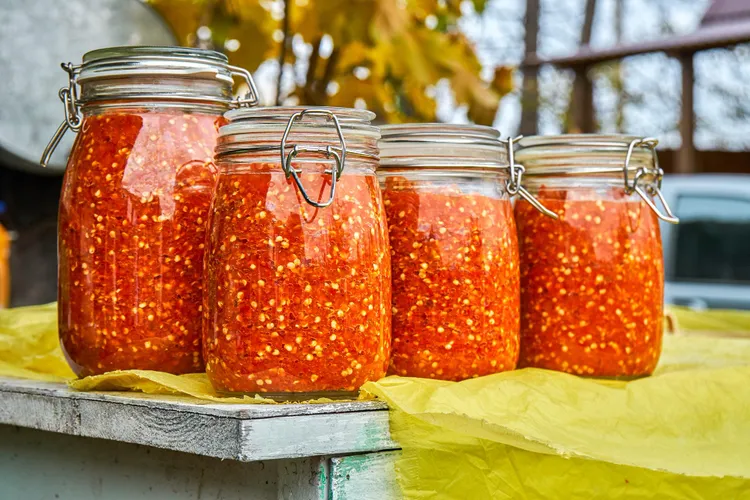
The hot sauce shelf at any good grocery store is an education in shortcuts. Vinegar-based hot sauces are the dominant format - chilies blended with vinegar, salt, and sometimes garlic, processed and bottled. They are fast to make, shelf-stable, and consistent. They are also one-dimensional in a way that tells you something important: the complexity you are tasting in a commercial hot sauce is the complexity of the chili itself, not the preparation.
Fermented hot sauce is different. When chilies are lacto-fermented for 5-14 days before blending, they undergo the same transformation that turns cabbage into sauerkraut and milk into kefir. The lactic acid bacteria on the chili skins metabolise the sugars, producing lactic acid that acidifies the mash and creates hundreds of new flavour compounds that were not present in the fresh chili. The heat remains. The fruitiness of the chili intensifies. And underneath it all, a savoury, slightly funky depth develops that no amount of vinegar can replicate.
The result is a hot sauce that tastes complex even before it goes on anything - a sauce that has earned its flavour through biology rather than borrowed it from an acid.
Three versions are provided here: a classic red (Fresno or red jalapeño), a tropical yellow (aji amarillo and mango), and a smoky chipotle. Each demonstrates a different dimension of what fermented chili can be.
📖 Safety note: Fermented hot sauce follows exactly the same safety principles as sauerkraut and kimchi. The lactic acid produced during fermentation acidifies the mash to a pH that pathogens cannot survive in. Read Fermentation Safety: The Complete Guide before starting.
The Fermentation Science Applied to Chilies
Chilies are excellent candidates for lacto-fermentation for the same reason cabbage is. They carry significant populations of lactic acid bacteria on their skins. They contain sugars that LAB can ferment. And their flavour compounds - particularly the capsaicinoids (the compounds responsible for heat) and the aromatic esters (the compounds responsible for fruitiness) - behave interestingly during fermentation.
What fermentation does to capsaicin: The heat of a chili comes from capsaicinoids, primarily capsaicin and dihydrocapsaicin. These compounds are not significantly affected by lactic acid fermentation - the heat of the chili is largely preserved through the fermentation process. However, the perception of heat can change: the acids produced during fermentation interact with the heat sensation, sometimes making the same chili taste slightly hotter (because acid intensifies the burning sensation) and sometimes making it seem rounder (because the complex flavours surrounding the heat provide more context for the palate).
What fermentation does to flavour: The fruity, floral, or smoky aromatic compounds in chilies are amplified and transformed during fermentation. Fermented Fresno chilies have a deeper, more complex fruitiness than fresh ones. Fermented aji amarillo has a more pronounced tropical character. This transformation is the central reason to ferment rather than simply blend.
The Base Recipe: Classic Red Fermented Hot Sauce
Makes approximately 300ml | Active fermentation: 5-14 days | Final preparation: 20 minutes
Ingredients
For the ferment:
- 500g fresh red chilies - Fresno, red jalapeño, or a combination. Fresno chilies provide moderate heat and excellent fruitiness; red jalapeños provide more heat and a slightly more vegetal note. A combination works well.
- 4 cloves garlic, peeled and lightly crushed
- 10g non-iodised salt - 2% of the total weight (500g chilies + approximately 50ml water = approximately 550g, so 11g salt). Weigh your ingredients and calculate precisely.
- Enough unchlorinated water to create a brine that covers the chilies - approximately 150-200ml combined with the salt
For blending (after fermentation):
- The fermented chili mash
- 2-4 tbsp of the fermentation brine (reserve before discarding)
- 1 tbsp apple cider vinegar - a small amount of vinegar after fermentation helps preserve the sauce and adds brightness without overwhelming the fermented character
- 1 tsp honey or sugar - optional, to balance
Method
Step 1: Prepare the chilies Remove the stems from the chilies. You can keep the seeds for more heat or remove some for a milder sauce. Roughly chop into pieces that will pack efficiently into the jar.
If you have a food processor: Pulse the chilies to a rough chop - not smooth, but broken down enough to pack into the jar with minimal air pockets.
Step 2: Make the brine and pack Dissolve the salt in the water to make a brine. Pack the chopped chilies and garlic tightly into a clean jar, pressing down to eliminate air pockets. Pour the brine over to cover the chilies completely. If the chilies float above the brine, use a weight (a small zip-lock bag of brine, a fermentation weight, or a folded piece of cling film pressed down over the chilies).
Step 3: Ferment Cover loosely (muslin, loose lid, or airlock) and ferment at room temperature (18-24°C) for 5-14 days.
What you'll see:
- Days 1-2: The brine begins to cloud. Small bubbles may appear.
- Days 3-5: Active bubbling. The brine turns distinctly cloudy. The smell shifts from fresh chili to something more complex - lactic, slightly funky, deeply savoury.
- Days 5-7: Peak fermentation. The chilies may have softened slightly and the colour deepened.
- Days 7-14: Continued development. Longer fermentation produces a more sour, more complex sauce.
Taste the brine from Day 5 onwards. When it tastes pleasantly sour and complex, the fermentation has developed enough for a balanced sauce.
Step 4: Blend Drain the chilies, reserving the brine. Transfer the fermented chilies and garlic to a blender. Add 3-4 tbsp of the reserved brine. Blend until very smooth.
Taste and adjust:
- Too thick: add more brine
- Too mild: add a few fresh chilies before blending
- Needs brightness: add the apple cider vinegar
- Needs balance: add honey
Strain through a fine-mesh sieve for a smooth, pourable sauce (this is the commercial hot sauce texture). Leave unstrained for a thicker, chunkier sauce with more body.
Step 5: Bottle and store Pour into sterilised bottles or jars. Add 1 tbsp of apple cider vinegar per 300ml of sauce - this lowers the pH slightly and extends shelf life significantly. Refrigerate.
Shelf life: 3-6 months refrigerated. The flavour continues to develop over the first few weeks.
Version 2: Tropical Yellow (Aji Amarillo and Mango)
The most complex and most surprising version - built on aji amarillo, Peru's golden chili with a fruity, moderately hot character (see Peruvian Anticuchos for the full aji amarillo context). Fermented with mango, the result has a tropical depth that is genuinely unlike any commercially available hot sauce.
Ingredients
For the ferment:
- 300g fresh aji amarillo chilies (or yellow Peruvian chilies) - available at Latin grocery stores or online. If unavailable, substitute yellow habaneros (significantly hotter) or a mix of yellow bell pepper and a small amount of Scotch bonnet (to approximate the heat level).
- 150g ripe mango, peeled and roughly chopped - the sugars fuel the fermentation; the flavour compounds contribute to the finished sauce
- 3 cloves garlic
- ½ tsp ground turmeric - amplifies the golden colour and adds an earthy note
- Salt brine: 2% salt by total weight of ingredients
Method
Follow the same method as the Classic Red version. Ferment for 5-10 days - the higher sugar content from the mango tends to produce faster fermentation and a slightly sweeter, fruitier result.
At blending: Add the juice of 1 lime and 1 tbsp of honey. The brightness of the lime and the sweetness of the honey balance the tropical fruitiness and the lactic tang into something that is simultaneously hot, sweet, sour, and complex. Blend very smooth and strain for the smoothest texture.
Uses: Exceptional over grilled fish, with ceviche, alongside the Peruvian Anticuchos, in a mango-based salsa, or stirred into mayonnaise for a tropical sandwich sauce.
Version 3: Smoky Chipotle Fermented Sauce
Chipotle peppers are jalapeños that have been smoked and dried - their smokiness is built in rather than added. Fermenting them produces a sauce that layers the smoke with a fermented depth that is extraordinary: simultaneously hot, smoky, complex, and savoury in a way that no store-bought chipotle sauce achieves.
Ingredients
For the ferment:
- 100g dried chipotle peppers, rehydrated in warm water for 30 minutes (use the soaking water in the brine - it is full of flavour)
- 200g fresh red chilies (Fresno or jalapeño) - fresh chilies provide the LAB for the fermentation; dried chipotles alone have fewer surface bacteria and ferment more slowly
- 4 cloves garlic
- 1 small white onion, roughly chopped
- Salt brine: 2% salt by total weight (include the soaking water volume in your calculation)
Method
Follow the same method as the Classic Red version. Ferment for 7-10 days - the combination of fresh and rehydrated chilies produces a vigorous fermentation.
At blending: Add 1 tbsp of apple cider vinegar and 1 tbsp of maple syrup or dark brown sugar. The sweetness balances the smoke and the fermented tang into a deeply complex sauce. For even more smoke, add ½ tsp of smoked paprika.
Uses: On eggs, in tacos, stirred into mayo for a smoky aioli, as a marinade for chicken or pork, or as the base sauce for a chipotle BBQ glaze.
pH Testing: When to Use It
Fermented hot sauce, like all lacto-fermented foods, is safe when properly acidified. But because hot sauce is blended rather than eaten as a brine-submerged vegetable, it is worth understanding where the safety comes from after blending.
During fermentation: The brine acidifies as LAB produce lactic acid. Test the brine with pH strips from Day 5 - a pH below 4.6 indicates the ferment is safely acidified.
After blending: The blended sauce contains both the acidified ferment and the fresh brine. Adding a tablespoon of apple cider vinegar (pH approximately 3.1) per 300ml of sauce brings the finished product firmly below 4.6 and extends shelf life significantly.
The practical guide: If you taste the ferment at Day 5-7 and it is clearly sour (not just mildly tangy - genuinely, pleasantly sour), the fermentation has acidified sufficiently. Add vinegar at blending and refrigerate. This is the approach used in this collection.
Using Fermented Hot Sauce in Cooking
The complexity of fermented hot sauce means it rewards uses beyond the simple condiment:
As a marinade base: Combine 3 tbsp fermented hot sauce with 2 tbsp olive oil, 1 tbsp honey, and 1 tsp soy sauce. Use to marinate chicken thighs, pork, or tofu for 2-8 hours before grilling. The lactic acid tenderises; the complex flavour permeates deeply.
In salad dressings: 1 tbsp fermented hot sauce + 3 tbsp olive oil + 1 tbsp lemon juice + ½ tsp honey. A dressing with heat, tang, and depth that makes even a simple green salad interesting.
In mayonnaise: Stir 1-2 tsp into 3 tbsp of good mayo. Use as a spread for sandwiches, a dipping sauce for chips, or a sauce for fish tacos.
As a finishing sauce for grains: Stir a teaspoon through warm rice, quinoa, or any grain - it adds a warmth and complexity that elevates a simple side dish.
In the Street Food Sauce Bible: Fermented hot sauce can replace standard chili sauce in almost every recipe - the fermented version adds depth to gochujang mayo, complexity to nuoc cham, and an interesting dimension to salsa verde.
Troubleshooting
The mash has gone mouldy. Most commonly caused by chilies floating above the brine line. Ensure the chilies are fully submerged throughout fermentation. If mould appears, discard and start again with better submersion.
The fermentation is very slow - little bubbling after 5 days. Possible causes: kitchen too cool (below 18°C), iodised salt inhibiting the LAB, or chlorinated water. Move to a warmer location, check the salt type, and use filtered water.
The finished sauce is very sour and the heat is overwhelming. The fermentation ran too long or the chili variety is hotter than expected. Reduce fermentation time in the next batch. Balance the finished sauce by adding more honey/sugar or by blending with roasted sweet pepper to dilute the heat.
The sauce separated in the bottle. Natural separation occurs as the solid particles settle. Simply shake before use. For a more stable emulsion, blend with a small amount of olive oil.
Pro Tips
- Wear gloves when handling chilies. Capsaicin transfers from hands to eyes, nose, and mouth for hours after handling. Rubber gloves for the entire preparation - removing, seeding, chopping, and packing.
- Start with a moderate heat level. Your first fermented hot sauce is a learning batch - use a medium-heat chili (Fresno, red jalapeño) to understand the process before working with hotter varieties where small errors have more painful consequences.
- Reserve the brine. The brine from a fermented chili mash is extraordinarily flavourful - tangy, spicy, complex. Use it as a hot sauce in its own right (thinned with a little vinegar), as a cocktail ingredient (a chili brine bloody mary), or as a marinade acid.
- Label with the date and heat level. Fermented hot sauces from different batches can look similar in the bottle but vary significantly in heat. Labelling prevents the surprise of reaching for your mild sauce and discovering it is the habanero batch.
FAQ
Q: What's the shelf life of fermented hot sauce and does it need refrigeration?
Refrigerated, with a tablespoon of apple cider vinegar added at blending: 3-6 months with no quality loss, flavour developing positively over the first month. At room temperature, a properly acidified sauce (pH below 4.0) is stable for 1-2 months, but refrigeration is strongly recommended for quality maintenance. Without added vinegar, refrigerate and use within 2 months.
Q: Can I make fermented hot sauce from dried chilies?
With some modification. Dried chilies have fewer surface LAB than fresh chilies - the drying process reduces the microbial population. Combining dried chilies (rehydrated) with some fresh chilies provides the LAB population needed for active fermentation. The smoky chipotle version in this recipe uses this approach.
Q: What's the hottest chili I can ferment?
Any chili can be fermented - ghost peppers, Carolina Reapers, habaneros. The fermentation process itself does not significantly reduce or increase the capsaicin content. Work with increasing heat levels only after you're comfortable with the technique, and always wear gloves regardless of the variety.
Q: My fermented hot sauce tastes more sour than spicy. How do I adjust?
Reduce fermentation time in the next batch - shorter fermentation produces less acid accumulation. You can also add a small amount of fresh chili at blending to boost the heat of an over-fermented batch, or balance the sourness with honey or sugar.
🔗 Continue Fermenting
- How to Make Kimchi: The Complete Beginner's Guide
- Sauerkraut: The Easiest Ferment You'll Ever Make
- The Street Food Sauce Bible: 15 Sauces from 15 Countries
- Fermentation Safety: The Complete Guide to What's Safe and What's Not
- Peruvian Anticuchos: The Street Food Secret of Lima
- Fermentation & Gut Health at Home: The Ultimate Guide
Latest