How to Make Kimchi: The Complete Beginner's Guide
Korea's most beloved fermented food - from salting to paste to jar, with everything you need to make it right
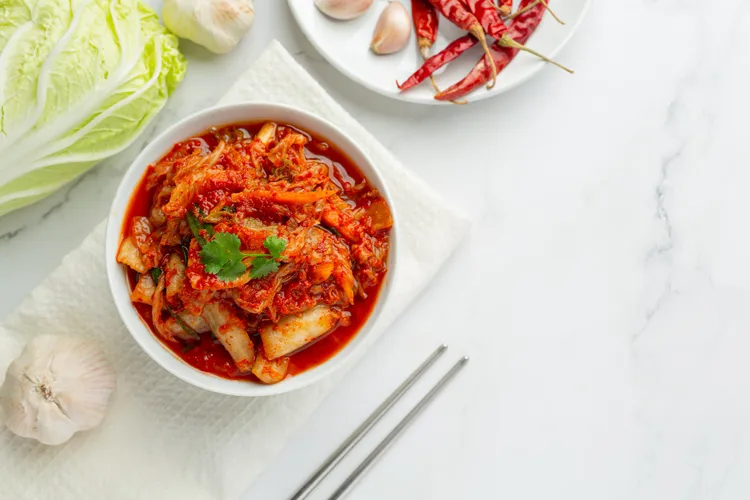
Kimchi is the most searched fermentation recipe in the world. There are over 200 varieties of it in Korean culinary tradition. It has been named one of the world's five healthiest foods by Health Magazine. It has UNESCO Intangible Cultural Heritage status - not for the dish itself, but for the culture of making it: the kimjang tradition of communal kimchi-making that sustains communities and marks the seasons.
And it is, above all, a deeply delicious thing to eat.
Traditional baechu kimchi - made from napa cabbage, gochugaru, garlic, ginger, and fish sauce - is the version most people mean when they say kimchi. It is the one in this recipe: the classic, the standard, the one that Korean households make in large batches in the autumn to last through the winter.
It is more involved than sauerkraut - there are more ingredients, more steps, more things to understand. But it is not difficult. The technique is straightforward; the ingredients are increasingly available; and the result - vivid red, complex, alive, developing new flavour at every stage of fermentation - is worth every minute of the process.
This guide covers everything. The traditional recipe. The vegan adaptation (just as good). The fermentation stages and what they mean. The uses in cooking. And the cultural context that makes kimchi more than a condiment.
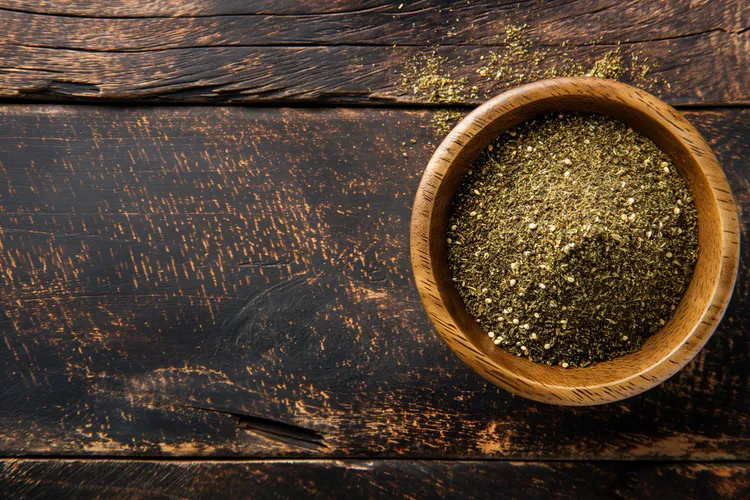
📖 The gochugaru is non-negotiable. Korean red chili flakes have a specific flavour profile - mildly spicy, slightly sweet, faintly smoky - that makes kimchi taste like kimchi. Regular chili flakes are not a substitute. See The Essential Asian Street Food Pantry for sourcing.
Kimchi and Kimjang: The Cultural Context
Kimchi has been made in Korea for over a thousand years. Early versions - long before chili peppers arrived from the Americas in the 16th century - were simply fermented vegetables in brine, similar to European sauerkraut. The introduction of chili transformed it into the fiery, complex preparation we know today within a few generations.
Kimjang (김장) - the annual communal kimchi-making tradition - was practiced for centuries across Korea. In the late autumn, before winter made fresh vegetables unavailable, neighbours and extended families would gather to make enormous quantities of kimchi together: hundreds of heads of cabbage, prepared across several days of collective work, stored in clay pots (onggi) buried in the ground to maintain cool, stable temperatures through the winter.
Modern refrigeration has made kimjang less necessary for preservation, but it persists as a cultural practice - a social event, a community ritual, a way of maintaining connection across generations. In 2013, UNESCO added kimjang to its Representative List of the Intangible Cultural Heritage of Humanity.
Understanding this context changes how you approach the recipe. When you make kimchi at home, you are participating - in a modest way - in one of the world's great fermentation traditions.
The Ingredients: What Each One Does
Napa Cabbage (Baechu / 배추)
The base. Napa cabbage (also called Chinese cabbage or wombok) has a high water content, a mild flavour, and a texture that becomes pleasantly chewy rather than mushy during fermentation. Regular green cabbage can be used but produces a different texture and slightly different flavour. Napa cabbage is increasingly available in large supermarkets and is standard in Asian grocery stores.
Gochugaru (고추가루)
Korean red chili flakes - the soul of the paste. Coarser than European chili flakes, slightly sweet, mildly to moderately hot depending on the variety, with a specific flavour that no other chili produces. The red colour of kimchi comes from gochugaru; the specific flavour cannot be replicated with any substitute. Buy from a Korean or Asian grocery store. See The Essential Asian Street Food Pantry.
Garlic
Fresh garlic, minced or blended - lots of it. Garlic is a defining flavour in kimchi, providing the pungent, savoury depth that runs through every stage of fermentation. Use fresh; garlic powder is not an adequate substitute.
Fresh Ginger
Grated fresh ginger adds warmth, a floral heat, and a complexity that distinguishes well-made kimchi from flat versions. Use fresh ginger root; powdered ginger produces a flat, stale flavour.
Fish Sauce (Saeujeot or Myeolchi Aekjeot)
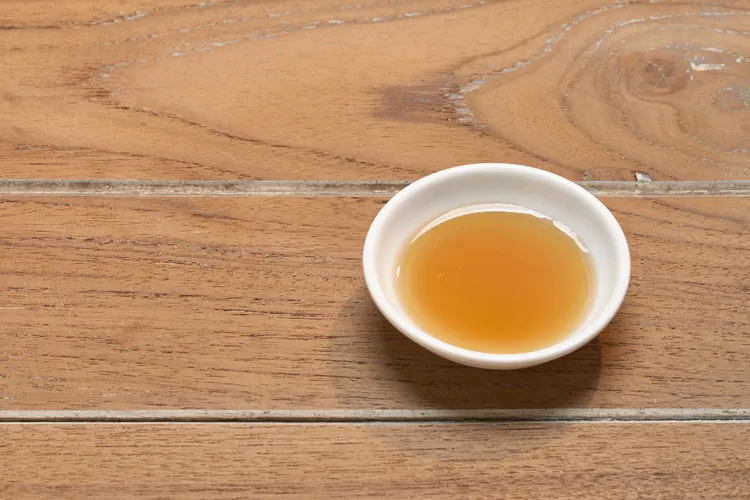
Salted fermented seafood - either saeujeot (salted fermented shrimp) or myeolchi aekjeot (fermented anchovy sauce) - provides the umami depth and additional salt that anchors the paste. This is one of the non-negotiable flavour components in traditional kimchi. For a vegan version, see the adaptation below.
Sugar (or Korean Pear/Apple)
A small amount of sugar feeds the LAB during the initial fermentation and slightly moderates the heat of the gochugaru. Traditional kimchi sometimes uses grated Korean pear (bae) or Asian pear - both for the natural sugars and for the enzymes that help tenderise the cabbage. Grated apple is an accessible substitute.
Spring Onions (Pa / 파)
Cut into lengths and added to the finished paste. Provides freshness, colour, and a mild allium note that complements the garlic.
Non-Iodised Salt
For the initial salting of the cabbage - drawing out moisture and creating the conditions for LAB. The same 2% principle as sauerkraut, but applied to a denser vegetable with a longer initial salting time.
Ingredients
Makes approximately 1.5 litres | Active time: 45 minutes | Fermentation: 1-5 days at room temperature + ongoing in the fridge
The Cabbage
- 1 medium head napa cabbage (approximately 1.2-1.5kg)
- 60g non-iodised salt (approximately 4% of the cabbage weight - higher than sauerkraut because the initial salting is removed before packing)
The Kimchi Paste
- 60g gochugaru (Korean red chili flakes) - adjust to heat preference
- 6 cloves garlic (about 30g), minced to a paste
- 1 tbsp fresh ginger, finely grated
- 2 tbsp fish sauce (or soy sauce + nori for vegan - see below)
- 1 tbsp sugar (or 3 tbsp grated Asian pear or apple)
- 1 tbsp salted fermented shrimp (saeujeot) - optional but traditional; available at Korean grocery stores. Omit for a simpler version or for vegan.
The Vegetables
- 4 spring onions, cut into 3cm lengths
- 1 medium carrot, julienned (optional - adds colour and crunch)
- 100g Korean radish (mu) or regular daikon, julienned (optional - adds crunch and a peppery note)
Method
Step 1: Salt the cabbage (1-2 hours)
Remove any damaged outer leaves. Cut the cabbage in half lengthways, then cut each half into quarters. Cut each quarter crossways into 5cm pieces.
Place the cabbage pieces in a large bowl. Sprinkle the salt over the cabbage and toss to distribute. Massage the salt into the cabbage for 5 minutes, then leave to rest.
After 30 minutes, turn the cabbage over. After another 30 minutes, turn again. The cabbage should be releasing significant liquid and wilting noticeably. After 1-2 hours total, the cabbage should be pliable - able to bend without snapping.
Test: Pick up a piece of cabbage. It should feel limp and soft, bending easily. The salt has drawn out enough moisture and the cabbage is ready to rinse.
Step 2: Rinse and dry (15 minutes)
Rinse the salted cabbage three times in cold water, tasting after each rinse. The cabbage should taste pleasantly seasoned after the final rinse - not bland (under-rinsed and the kimchi will be too salty) and not completely salt-free (over-rinsed and the kimchi will be under-seasoned).
Drain in a colander for 15 minutes. Taste again and adjust if needed.
Why rinse? The initial salting uses more salt than the finished kimchi needs - this is how traditional Korean kimchi differs from sauerkraut, where the salt stays in the ferment throughout. The rinse brings the salt level down to a more nuanced seasoning.
Step 3: Make the paste (10 minutes)
Combine gochugaru, garlic, ginger, fish sauce (or soy sauce), sugar, and salted shrimp (if using) in a bowl. Mix into a thick, uniform paste.
Taste the paste. It should be spicy, savoury, slightly sweet, and deeply flavoured. This is the backbone of the kimchi flavour - if it tastes off (too salty, too bland, too hot), adjust now before it goes on the cabbage.
Step 4: Mix the kimchi (10 minutes)
Wear gloves - gochugaru stains hands and surfaces permanently and takes days to wash off.
In the large bowl, combine the drained cabbage, spring onions, carrot, and radish (if using). Add the paste and mix thoroughly, massaging the paste into and around every piece of cabbage. Every piece should be coated in red paste. Use both hands, squeezing and turning the mixture to ensure complete distribution.
Taste. The raw kimchi (called geotjeori when eaten immediately at this stage) should be spicy, salty, garlicky, and complex. If it seems too mild, add more gochugaru; if too salty, the cabbage may have been insufficiently rinsed.
Step 5: Pack the jar
Transfer the kimchi into a clean jar or container, pressing it down firmly as you go. Press out any air pockets - trapped air creates pockets where surface spoilage can occur. The kimchi should be packed tightly, with the paste visible throughout and the vegetables submerged as much as possible.
Leave 3-4cm of headspace at the top - kimchi produces significant CO2 during active fermentation and expands considerably.
Step 6: Ferment
At room temperature (18-22°C): Leave the jar on the counter, loosely covered, for 1-5 days depending on desired sourness. Check daily and press the kimchi down if it has risen above its liquid (the vegetables continue to expel moisture during fermentation).
Taste daily from day 1: The transformation is rapid and noticeable:
- Day 1 (geotjeori): Raw kimchi - bright, crunchy, spicy, with no sourness yet. Excellent at this stage.
- Day 2–3: Fermentation is active. The kimchi is beginning to sour, the garlic is mellowing, the gochugaru flavor is integrating. The smell is intensely garlicky and chili-forward.
- Day 3–5: Distinctly sour, more complex, the raw garlic edge has rounded. This is the fermentation stage most Korean households prefer for everyday eating.
- Day 5+: Deeply sour, very funky, complex. The flavour used in kimchi fried rice, kimchi jjigae (kimchi stew), and other cooked preparations.
In the refrigerator: Once the kimchi reaches your preferred sourness, move to the fridge. Fermentation continues very slowly. After 2-3 weeks in the fridge, the kimchi is fully mature - the most complex flavour stage, ideal for cooking.
The Vegan Version: Equally Good
Traditional kimchi uses fish sauce and/or salted fermented shrimp for umami depth. The vegan adaptation replaces both with a combination that provides the same savoury depth without animal products.
Vegan umami substitutes (use in combination):
- 2 tbsp soy sauce - provides salt and umami
- 1 tbsp nori powder (blend one sheet of dried nori until fine) or 1 tsp kelp powder - provides oceanic umami depth
- 1 tbsp white miso - fermented umami depth
- 1 tsp rice vinegar - brightens the paste slightly to compensate for the absence of the fermented shrimp's tang
The vegan version is genuinely excellent - not a compromise. Many Korean Buddhist communities (which avoid meat and fish in their cooking) have made vegan kimchi for centuries, and the tradition is well-developed and well-refined.
The Fermentation Stages and Their Culinary Uses
Understanding how kimchi changes during fermentation allows you to use it appropriately at every stage:
| Stage | Timeline | Flavour | Best Used For |
|---|---|---|---|
| Geotjeori | Day 0-1 | Fresh, spicy, crunchy | Eaten fresh as a salad |
| Fresh | Day 2-4 | Lightly sour, crunchy | Condiment, alongside rice |
| Ripe | 1-3 weeks (fridge) | Distinctly sour, softer | Eating alongside meals, in eggs |
| Mature | 1-3 months (fridge) | Deeply sour, complex, soft | Cooking - fried rice, stew |
| Over-fermented | 3+ months (fridge) | Very sour, very soft | Only for cooking - kimchi jjigae |
The Korean principle: young kimchi is eaten fresh; aged kimchi is cooked. Both have their rightful place. Never throw away over-fermented kimchi - it makes the best kimchi jjigae.
What to Cook with Kimchi
Kimchi Fried Rice (Kimchi Bokkeumbap)
The most satisfying use of mature or over-fermented kimchi. Stir-fry day-old rice in sesame oil, add chopped kimchi and kimchi brine, cook until slightly caramelised, top with a fried egg and a drizzle of sesame oil. The sourness of the kimchi and the richness of the rice and egg is one of the great combinations in Korean cooking.
Kimchi Jjigae (Kimchi Stew)
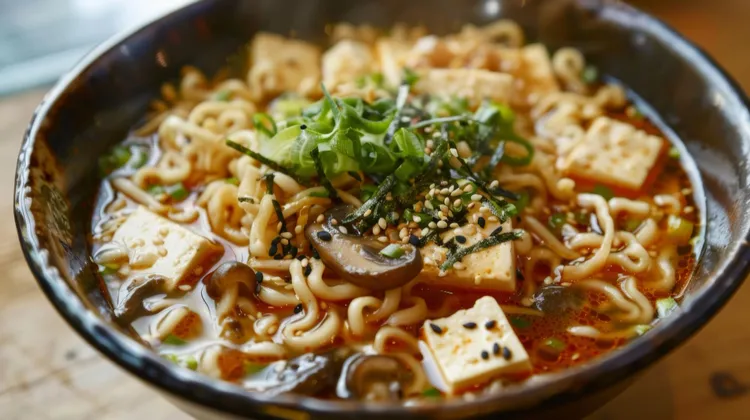
A deeply warming stew made with tofu, pork belly or tuna, and over-fermented kimchi in a light broth. The long cooking mellows the sourness and integrates it into the broth, producing a deep, complex flavour that is one of Korea's most beloved comfort foods. Impossible to make well with young kimchi; extraordinary with kimchi that has fermented for months.
Kimchi Pancakes (Kimchijeon)
Chopped kimchi mixed into a batter of flour, water, and egg, pan-fried in sesame oil until crispy. Served with a soy dipping sauce. One of the quickest and most satisfying ways to use ripe kimchi.
Alongside Almost Everything
Kimchi as a condiment - alongside grilled meat, fried eggs, rice bowls, noodle dishes, sandwiches - is its most frequent use. The sour, spicy, garlicky complexity cuts through rich and fatty foods in a way that is consistently excellent.
Kimchi Brine
The liquid from the kimchi jar is extraordinarily useful. Use it as: a marinade acid for chicken or pork, a salad dressing base, a pickle brine for cucumbers, a cocktail ingredient (a kimchi bloody mary is genuinely good), or a soup base.
Pro Tips
- Wear gloves throughout. Gochugaru stains fingers and under the nails for 2-3 days. Rubber gloves are the single most useful piece of equipment for kimchi-making.
- Make a large batch. Kimchi takes the same amount of active effort whether you make 500g or 2kg. The reward for making more is months of kimchi available at different stages of fermentation simultaneously. Traditional kimjang makes 50-100kg at a time. A 2kg batch is the sensible home equivalent.
- Press out the air when packing. Air pockets in the packed kimchi create micro-environments where surface spoilage can develop. Pack tightly, press firmly, eliminate visible gaps.
- The paste improves overnight. If you have time, make the paste the day before, refrigerate it overnight, and use it the next day. The garlic mellows, the spices integrate, and the flavour is noticeably more developed.
- Save and use the brine. The liquid in a mature kimchi jar is one of the most flavourful things in your refrigerator. Use it actively rather than discarding it.
Common Mistake: Using the Wrong Chili Regular red chili flakes, cayenne pepper, paprika, or sriracha are not substitutes for gochugaru. The flavour profile of gochugaru - mild heat, faint sweetness, specific fruitiness - is fundamentally different from any other chili preparation. Kimchi made with the wrong chili looks correct (red, spicy-looking) but doesn't taste right - it lacks the specific depth and character that makes kimchi unmistakably kimchi. Gochugaru is available at Korean and Asian grocery stores and online. Source it before making this recipe.
FAQ
Q: How long does kimchi keep?
Technically, indefinitely - it continues to ferment very slowly in the refrigerator for as long as it is kept. Practically, most people find it most enjoyable within the first 3 months. After 6 months it becomes very sour and is primarily useful for cooking rather than eating fresh. Korean households traditionally ate kimchi throughout the winter - kimchi made in November was still being eaten in March or April.
Q: Can I make kimchi with regular cabbage instead of napa?
Yes, but the result is different. Regular green cabbage has less water content and a denser texture - it produces a firmer, less chewy kimchi. The salting step takes longer. The flavour is similar but the texture is noticeably different. Napa cabbage is the traditional and preferred choice; use it if you can find it.
Q: My kimchi is very sour but I'm not ready to eat it all. What do I do?
Move it to the refrigerator and use it in cooked dishes - kimchi jjigae, kimchi fried rice, kimchi pancakes. Very sour kimchi is excellent for cooking even when it's past the ideal eating stage. The acidity is an asset in long-cooked dishes where it integrates into the broth or sauce.
Q: The kimchi smells very strong. Is this normal?
Yes. Kimchi during active fermentation smells intensely of garlic, chili, and the specific sulfurous compounds that develop during lacto-fermentation. The smell is powerful but should not be unpleasant in the way that spoilage smells unpleasant - it should smell alive and complex, not rotten. If you are fermenting at room temperature in a small flat, you may want to keep the jar in a bag or closed cupboard to manage the smell.
Q: Can I ferment kimchi in the refrigerator from the start?
Yes - this is the slow fermentation method. Pack the kimchi into the jar and move it directly to the refrigerator. At fridge temperature, fermentation proceeds very slowly - the kimchi will develop sourness over 2-4 weeks rather than 2-5 days. The result is very slightly different in flavour (cooler temperatures favour acetic acid over lactic acid production, producing a sharper sourness) but perfectly good.
🔗 Continue Fermenting
- Sauerkraut: The Easiest Ferment You'll Ever Make
- Fermented Hot Sauce: Building Heat and Complexity
- The Essential Asian Street Food Pantry
- Korean Tteokbokki: The Spicy Rice Cake Dish Taking Over the World
- The Gut Health Connection: What Fermented Foods Actually Do
- Fermentation Safety: The Complete Guide to What's Safe and What's Not
- Fermentation & Gut Health at Home: The Ultimate Guide
Latest