Sauerkraut: The Easiest Ferment You'll Ever Make
One ingredient. One technique. One jar. The ferment that teaches you everything.
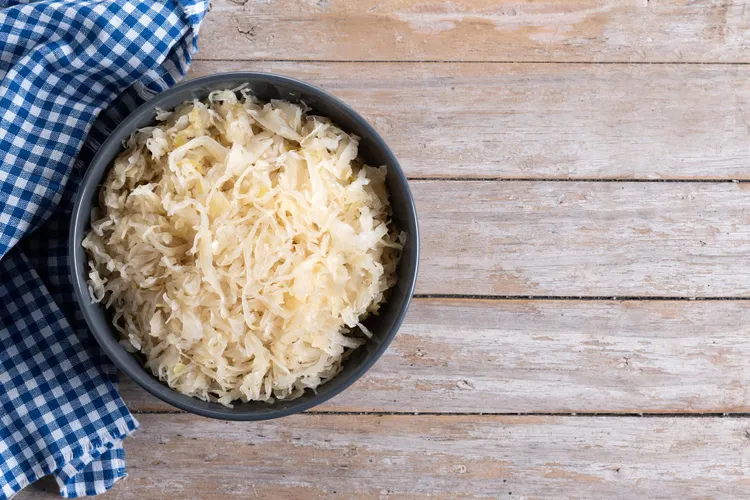
If you have never fermented anything, start here.
Not kimchi, not sourdough, not miso. Sauerkraut. One ingredient - cabbage. One technique - salt and massage. One vessel - a jar. One thing to monitor - whether the cabbage stays below the brine. That is the entire recipe. Everything else is patience.
Sauerkraut is not simple because it is uninteresting. It is simple because it has been refined by centuries of home fermenters across Germany, Poland, Russia, and the whole of Eastern Europe into the most reliable, most forgiving, most instructive ferment that exists. The principle it teaches - salt creates brine, brine creates the right environment, the right environment creates lactic acid bacteria, lactic acid bacteria create fermentation - is the same principle that underlies every other ferment in this collection. Master sauerkraut and you have mastered the foundation.
The result is also, genuinely, extraordinary. Real sauerkraut - the kind you make yourself, alive with bacteria, complex from weeks of slow fermentation - bears almost no resemblance to the vinegar-soaked, heat-treated product sold in jars at room temperature in supermarkets. The flavour is sour and clean and deeply savoury. The texture retains a pleasant crunch. The smell is alive in a way that preserved food rarely is. And the uses - in cooking, as a condiment, as a side, as an ingredient - are almost unlimited.
📖 Before you start: Read Fermentation Safety: The Complete Guide. Understanding what healthy fermentation looks like and what spoilage looks like makes every batch more confident. It takes 15 minutes and removes all uncertainty.
The History: From Roman Legions to Korean Inspiration
Fermented cabbage has been made continuously in Europe for at least two thousand years. Roman legions carried it on their campaigns - the lactic acid preserved it through long marches without refrigeration. The German and Eastern European tradition of sauerkraut developed over centuries as a critical winter food, when fresh vegetables were unavailable and the fermented barrel in the cellar was what kept entire populations nourished through the cold months.
The word sauerkraut is German - sauer (sour) + kraut (cabbage). But the dish is not exclusively German. The French make choucroute. The Polish make bigos, a hunter's stew built around kapusta kiszona (sour cabbage). The Koreans, independently, developed kimchi - a more complex preparation using the same foundational principle (salt, cabbage, lacto-fermentation) with a completely different spice vocabulary. Every fermented cabbage tradition on earth discovered the same biology and expressed it through local ingredients.
Understanding the Recipe: Why It Works
Before the method: the principle. Understanding it means you can troubleshoot any problem and adapt the recipe with confidence.
Cabbage contains sugars and LAB. The natural sugars in cabbage (primarily glucose and fructose) are the fuel. The lactic acid bacteria (LAB) living on the surface of the cabbage leaves are the workers. Both are already there before you add anything.
Salt draws out water. When you massage salt into shredded cabbage, osmotic pressure draws water out of the cabbage cells. This water, mixed with the salt, becomes the brine - the liquid environment in which fermentation happens.
The brine is the fermentation environment. The brine contains the right concentration of salt to favour LAB over other bacteria. Submerged in this brine, the cabbage is in an anaerobic (low-oxygen) environment where LAB thrive.
LAB produce lactic acid. As the LAB metabolise the cabbage's sugars, they produce lactic acid as a byproduct. The lactic acid acidifies the brine, dropping the pH. As the pH drops, the environment becomes increasingly inhospitable to pathogenic bacteria and increasingly hospitable to LAB. The ferment becomes self-sustaining and self-protecting.
The result: Preserved cabbage with a clean, complex sourness and a living population of beneficial bacteria.
Ingredients
Makes approximately 1 litre | Active time: 15 minutes | Fermentation time: 5-21 days
- 1kg green or white cabbage (approximately 1 medium head), outer leaves removed and reserved
- 20g non-iodised salt - exactly 2% of the cabbage weight. Kosher salt, sea salt, or pickling salt. Never iodised table salt - iodine inhibits the LAB you need.
That is the complete ingredient list. Nothing else is required.
Optional additions (traditional variations):
- 1 tsp caraway seeds - the classic German addition; adds a warm, anise-adjacent flavour
- 1 tsp juniper berries, lightly crushed - adds a piney, faintly gin-like note used in Alsatian choucroute
- 1 tbsp fresh grated ginger - adds warmth and pairs particularly well with apple-sauerkraut
- 1 medium apple, peeled and grated - adds sweetness that moderates the sourness; traditional in some Eastern European versions
- ½ tsp fennel seeds - a softer, more floral variation on caraway
Equipment
- 1-litre wide-mouth mason jar (Kilner, Ball, or Weck) - wide-mouth is important for packing
- Digital kitchen scale - non-negotiable for salt accuracy
- Large mixing bowl - for massaging
- Something to weigh the cabbage down: a glass fermentation weight, a smaller jar filled with water, or a zip-lock bag filled with brine pressed on top of the cabbage
Method
Step 1: Prepare the cabbage (5 minutes)
Remove the outer leaves of the cabbage and set aside - you will use one later. Quarter the cabbage and remove the core. Slice very thinly - 2-3mm strips. Uniform thickness matters: thin pieces ferment evenly and produce a consistent texture in the finished sauerkraut. A mandoline makes this fast and precise; a sharp knife works well with practice.
Weigh the shredded cabbage after removing the core and outer leaves. You need to know the exact weight to calculate the salt at precisely 2%.
Step 2: Salt and massage (10 minutes)
Transfer the shredded cabbage to a large bowl. Weigh out 2% of the cabbage's weight in non-iodised salt and scatter it over the cabbage.
Massage the salt into the cabbage with clean hands - firmly, repeatedly, working the salt throughout. Within 2-3 minutes, the cabbage will begin to wilt and release liquid. Continue massaging for the full 10 minutes.
By the end of 10 minutes, the cabbage should have released a significant amount of liquid - enough to pool at the bottom of the bowl. The cabbage itself will be limp and reduced in volume by approximately 40%. If you squeeze a handful, brine should drip freely from it.
If the cabbage releases very little liquid: Some cabbages, particularly those that have been refrigerated for a long time and are drier, release liquid more slowly. Continue massaging. If after 15 minutes the brine is still insufficient, dissolve ½ tsp of additional salt in 100ml of filtered water and add this brine to supplement. Do not add plain water - it would dilute the salt concentration.
Step 3: Pack the jar
Transfer the cabbage to the jar in layers, pressing each layer down firmly with your fist or the back of a spoon. The goal is to pack as tightly as possible, eliminating air pockets. Pour any brine from the bowl into the jar over the cabbage.
Once all the cabbage is packed, press down firmly one final time. The brine should rise to cover the cabbage completely. If it doesn't, make supplemental brine: dissolve ½ tsp of salt in 200ml of filtered water and add until the cabbage is fully submerged.
Take one of the reserved outer cabbage leaves, fold it to fit inside the jar, and press it down over the shredded cabbage. This acts as a natural barrier between the shredded cabbage and the surface.
Step 4: Weigh it down
Place your fermentation weight on top of the folded cabbage leaf, pushing the shredded cabbage below the brine. If using a smaller jar or a zip-lock bag of brine, position it to provide even downward pressure.
The brine should be approximately 2-3cm below the rim of the jar - room for the brine to expand as fermentation produces CO2.
Step 5: Cover and ferment
Cover the jar - but do not seal it tightly. A few options:
- Screw the lid on loosely (one turn, not fully tightened) - allows CO2 to escape
- Cover with a piece of muslin or a coffee filter secured with a rubber band - breathable cover that keeps debris out
- Use an airlock lid if you have one
Place the jar at room temperature - ideally 18-22°C, away from direct sunlight. A kitchen counter works well. Place it on a small plate or tray in case the brine bubbles over during active fermentation.
Step 6: Monitor and ferment (5-21 days)
This is the easy part. Check the jar once a day:
Day 1-2: The brine may look unchanged. The cabbage is settling. Press the cabbage down if it has risen above the brine level.
Day 2-4: You may see small bubbles in the brine - CO2 from LAB activity. The brine may begin to turn slightly cloudy. These are good signs. Press the cabbage down and burp the jar if using a tight lid (open briefly to release any pressure build-up, then reseal loosely).
Day 4-7: The fermentation is active. The brine is noticeably cloudy, there are bubbles, and the smell is distinctly sour - clean, tangy, unmistakably fermented. This is the smell of healthy sauerkraut. Taste a small amount. It should be pleasantly sour and salty, with a faint complexity developing.
Day 7-14: The fermentation slows. The brine remains cloudy. The sourness deepens. Continue tasting every 2-3 days - the sauerkraut is ready when it reaches the sourness level you want.
Day 14-21: Very sour, fully fermented sauerkraut. The most complex flavour of any stage. Traditional German sauerkraut was often fermented for 4-6 weeks before eating.
When it's ready: There is no single correct answer. Sauerkraut is ready when it tastes right to you. Young (5-7 days) sauerkraut is lightly sour and still quite crunchy. Mature (14-21 days) sauerkraut is deeply sour and softer. Very mature (4-6 weeks) sauerkraut is the most complex and is the ingredient for long-cooked dishes like choucroute garnie.
Moving to the Fridge
Once the sauerkraut has reached your preferred sourness level, move it to the refrigerator. The cold dramatically slows fermentation - the sauerkraut will continue developing very slowly in the fridge over weeks and months, but it will no longer change dramatically from day to day.
Remove the outer leaf you placed on top before refrigerating.
Storage: Refrigerated sauerkraut keeps for 3-6 months with no quality loss. Ensure the cabbage remains below the brine at all times in the fridge - fermented sauerkraut exposed to air develops kahm yeast (harmless but slightly off-flavoured) over time.
The Fermentation Stages and What They Mean for Cooking
Sauerkraut at different stages of fermentation has different culinary applications. Understanding this allows you to use it throughout its life:
Young sauerkraut (5-7 days): Lightly sour, still crunchy, flavour closest to fresh cabbage. Best as a fresh condiment, in salads, as a topping for hot dogs or grilled meats, or in sandwiches where you want a light sourness. The live culture count is high and the texture is excellent raw.
Medium sauerkraut (10-14 days): The classic eating sauerkraut. Balanced sourness, good texture, complex flavour. The all-purpose stage - eat raw, cook briefly, use as a side.
Mature sauerkraut (3-4 weeks): Deeply sour, softer, more complex. The cooking sauerkraut. Excellent braised with pork, in soups, in choucroute garnie, in pierogi filling. The long sourness is an asset in cooked dishes where it balances rich, fatty ingredients.
Very mature sauerkraut (6+ weeks): Intensely sour, very soft. For specific cooked applications where high sourness is the point - certain Eastern European soups, braised dishes where the acid is fundamental to the recipe.
What to Make with Sauerkraut
The uses extend far beyond the expected:
Classic and traditional:
- Alongside grilled sausages or pork chops - the acid cuts through fat perfectly
- Choucroute garnie - the Alsatian braise of sauerkraut, smoked meats, and white wine
- In Reuben sandwiches - corned beef or pastrami, Swiss cheese, thousand island dressing, sauerkraut on rye
- Polish bigos - the hunter's stew of sauerkraut, meat, and mushrooms that improves over days of reheating
Modern and unexpected:
- Stirred into mashed potatoes with butter - the sourness makes them extraordinary
- In grilled cheese - the acid cuts through melted cheese the way nothing else does
- On avocado toast - sauerkraut instead of lemon, with a complexity the lemon doesn't have
- As a condiment for fried eggs - the tartness against the rich yolk
- Blended into a salad dressing - the brine is an excellent vinegar substitute
- In a martini (the sauerkraut martini is a genuine thing and it is genuinely good)
The brine: Don't pour it away. Sauerkraut brine is a versatile ingredient - tart, salty, rich in LAB. Use it as: a salad dressing base, a marinade acid (replaces lemon or vinegar), a pickle brine for cucumbers, a cocktail ingredient (a sauerkraut brine pickle back alongside whisky), or a digestive shot drunk straight - tart, saline, and alive.
Variations
Red Cabbage Sauerkraut
Replace green cabbage with red cabbage and the same salt ratio. Red cabbage sauerkraut turns a vivid purple - among the most visually dramatic ferments in this collection. The flavour is earthier and slightly sweeter than green cabbage sauerkraut. The colour makes it a striking condiment alongside pale foods. Add a tablespoon of red wine vinegar to the brine to intensify the colour further.
Apple and Caraway Sauerkraut
Add 1 grated apple and 1 tsp caraway seeds to the shredded cabbage before salting and massaging. The apple's sugars accelerate fermentation slightly (LAB have more fuel), and the sweetness of the apple moderates the sharpness of the lactic acid. This is the most immediately accessible version for people new to fermented foods - the apple softens the sourness into something gentler.
Ginger and Turmeric Sauerkraut
Add 1 tbsp freshly grated ginger and ½ tsp ground turmeric to the cabbage before massaging. The ginger adds warmth and an anti-inflammatory note; the turmeric turns the sauerkraut a vivid gold. A modern variation that bridges the Western sauerkraut tradition and South Asian flavour vocabulary.
Half-Sour Sauerkraut (Quick Refrigerator Version)
For those who want sauerkraut faster without room-temperature fermentation: prepare the cabbage and salt as above, pack into jars with brine, and place directly in the refrigerator. At fridge temperature, fermentation proceeds extremely slowly - over 3-4 weeks, you will get a very lightly fermented, crunchy, mildly sour cabbage that is somewhere between fresh and fully fermented. Excellent for those who find fully fermented sauerkraut too sour.
Troubleshooting
The cabbage hasn't produced enough brine after 15 minutes of massaging. Some cabbages are drier than others. Make supplemental brine: dissolve ½ tsp non-iodised salt in 200ml filtered water. Add until the cabbage is fully submerged. This is always preferable to under-salted sauerkraut.
There's a white film on the surface of the brine. Almost certainly kahm yeast - harmless wild yeast that grows when the surface is exposed to oxygen. Skim it off with a clean spoon, press the cabbage below the brine, and ensure your weight is keeping the cabbage submerged. See Fermentation Safety for the complete guide to distinguishing kahm yeast from mould.
The sauerkraut smells very strongly - almost like sewage. Very young sauerkraut (days 1-3) can have an intense, somewhat unpleasant smell as the initial LAB population establishes itself and begins producing lactic acid. This smell typically moderates significantly by day 4-5 as the pH drops and the fermentation stabilises. If the strong smell persists beyond day 5 or develops into a clearly rotten smell (not just pungent), discard and investigate your salt ratio and submersion.
The sauerkraut is too salty. The salt level at 2% produces sauerkraut that is noticeable in salinity but not overwhelmingly salty. If the result tastes very salty, the ratio may have been slightly higher than 2%, or the brine was not replaced when the cabbage absorbed some of it. Rinse the sauerkraut briefly before eating to reduce perceived saltiness - or use it in cooked dishes where the saltiness is balanced by other ingredients.
The sauerkraut is not sour after 7 days. Fermentation may be slow due to cool temperatures (below 16°C slows LAB significantly), the use of iodised salt, or water with high chlorine content. Move to a warmer location, check the salt type, and use filtered water next time.
Pro Tips
- Thin, even shredding is the foundation. Uniform shreds ferment evenly and produce consistent texture. Thick or uneven shreds result in different parts of the jar reaching sourness at different rates.
- Massage for the full 10 minutes. The massage is not optional and 5 minutes is not enough. The brine that forms during massaging is what makes everything else work.
- Pack tightly. Every air pocket in the packed jar is a potential surface exposed to oxygen where unwanted organisms can establish. Pack as tightly as you can, eliminating visible gaps.
- Taste from day 4 onwards. Sauerkraut does not announce when it is ready. Tasting regularly teaches you what fermentation stages taste like - a skill that applies across every ferment in this collection.
- Make a second batch before the first is finished. The best home fermenters always have a batch fermenting while a previous batch is being eaten. A permanent rotation of sauerkraut at different stages means you always have fresh and mature available simultaneously.
Common Mistake: Using Iodised Table Salt This is the single most common reason sauerkraut fails to ferment. Iodine is added to table salt as a public health measure - it is also a broad-spectrum antimicrobial that inhibits the lactic acid bacteria you need. Check your salt: if the ingredient list says "iodine" or "potassium iodide," it will impair fermentation. Use sea salt, kosher salt, or pickling salt - any non-iodised variety. They are no more expensive and universally available.
FAQ
Q: Do I need to add any starter culture to sauerkraut?
No. The lactic acid bacteria that ferment sauerkraut are already present on the surface of fresh cabbage. You are not introducing bacteria from outside - you are creating conditions in which the bacteria already there thrive. No starter, no whey, no commercial culture is needed or beneficial.
Q: Can I use pre-shredded coleslaw mix?
Technically yes, but with significant caveats. Pre-shredded coleslaw mix is often very dry (moisture has been lost since shredding), may contain additives, and has typically been processed in ways that reduce the surface LAB population. Fresh, whole cabbage shredded immediately before salting produces significantly more reliable, more flavorful sauerkraut.
Q: How do I know if my sauerkraut has gone bad versus just smelling strongly?
Smell is the primary indicator. Healthy fermentation smells sour - tangy, clean, like yogurt or vinegar. Spoilage smells rotten - putrid, like decay, fundamentally unpleasant in a way that doesn't make you want to eat it. Trust your instincts: the nose is very good at distinguishing these. Additionally: discard if you see fuzzy, coloured mould (as opposed to the flat white film of harmless kahm yeast). See Fermentation Safety for the complete guide.
Q: Can I ferment in a plastic container?
Glass is strongly preferred - it's non-reactive, transparent, and easy to clean. Food-grade plastic (BPA-free, labeled for food use) is acceptable for short ferments. Avoid metal containers, which react with the lactic acid produced.
Q: The brine overflowed onto my counter. Is this normal?
Yes - during very active fermentation (usually days 3-5 at room temperature), CO2 production can cause the brine to bubble over. This is a sign of vigorous, healthy fermentation. Place the jar on a plate or tray to catch overflow. You can skim off the foam with a spoon or simply wipe the jar and continue.
🔗 Continue to the Next Ferment
- How to Make Kimchi: The Complete Beginner's Guide
- Fermented Hot Sauce: Building Heat and Complexity
- Yogurt from Scratch: Better Than Any Shop-Bought Version
- Labneh: The Strained Yogurt That Becomes Cheese
- Fermentation Safety: The Complete Guide to What's Safe and What's Not
- The Science of Fermentation: What's Actually Happening in Your Jar
- Fermentation & Gut Health at Home: The Ultimate Guide
Latest