Peruvian Anticuchos: The Street Food Secret of Lima
The dish that has fed Lima for five centuries - and the best thing most Western cooks have never made
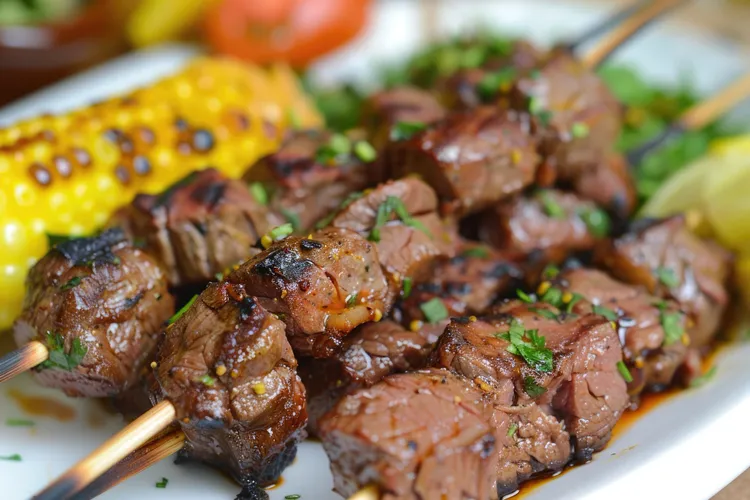
There is a street food that appears on almost no menu outside Peru, that has been eaten continuously in Lima for over five hundred years, that is sold outside football stadiums and at street corners and from the carts of anticucheras (the women who have traditionally owned and operated the anticucho trade) across the city every evening - and that most Western home cooks have never heard of.
Anticuchos are skewers of beef heart, marinated in aji panca chili and cumin, grilled over charcoal until the edges char and the fat renders and the specific smell of the marinade caramelising over fire rises into the night air of Lima. They are served with boiled potato, choclo (Peruvian corn), aji amarillo sauce, and chimichurri verde. They cost almost nothing. They are extraordinary.
The beef heart is the element that gives Western cooks pause - and it is the element that, once tried, makes the dish make complete sense. Beef heart is not offal in the way liver or kidneys are offal: it is dense, lean, intensely flavored muscle meat with a texture closer to steak than to organ meat. It is also one of the most sustainable and economical cuts available, which is precisely why it became the street food of Lima's working class rather than a restaurant delicacy. The anticuchera didn't choose beef heart because it was trendy. She chose it because it was cheap, because it was flavorful, and because it responded to the aji panca marinade in a way that no other cut does.
This is the recipe that does it justice.
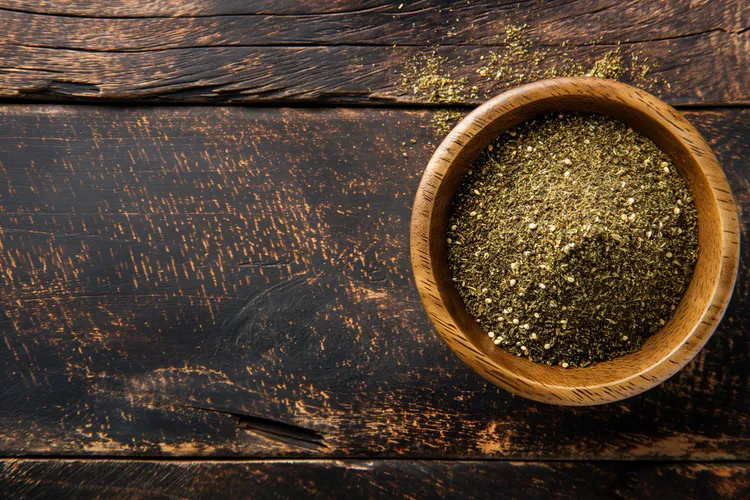
📖 The aji panca is essential. Aji panca - a dark red, deeply fruity, moderately smoky Peruvian dried chili - provides the color and the specific flavor that defines anticuchos. It is not interchangeable with other dried chilies. It is available at Latin grocery stores and online. See the sourcing note in the ingredients section.
The History: From Inca Civilization to Lima Street Corners
Anticuchos have been made in Peru since before the Spanish arrived. Pre-Columbian Andean civilizations skewered and grilled meat over fire - the technique is documented in early Spanish colonial records that describe the indigenous preparation as unfamiliar but widely practiced. The word anticucho itself is Quechua in origin: anti (Andean highlands) + kuchu (cut piece).
The Spanish colonial period transformed the dish profoundly. Spanish colonisers kept the best cuts of meat for themselves and distributed the offal - heart, liver, lungs, stomach - to enslaved Africans and to the indigenous population. These communities turned those discarded cuts into the street food culture of Lima, creating preparations that were so flavorful and so technically skilled that they eventually became the most beloved street food of the very city that had dismissed the ingredients.
The aji panca marinade, the chicha de jora (corn beer, now replaced with vinegar) used to tenderize the meat, the specific combination of spices - this is a recipe built from five centuries of knowledge, born from necessity and elevated by skill into something genuinely extraordinary. When you eat anticuchos in Lima, you are eating the food of the Inca, transformed by African culinary ingenuity, and maintained by generations of anticucheras who understood that the best cooking is often done with the ingredients everyone else overlooked.
Understanding Beef Heart
Beef heart is the single most misunderstood ingredient in this recipe, and addressing it directly makes everything else easier.
What it is: The heart is a muscle - specifically the hardest-working muscle in the body. It is dense, with very little fat, and has a deep, mineral-rich flavor that is more intense than regular beef without the liver-like quality of other offal. The texture, when correctly sliced and grilled, is firm and satisfying - closer to a lean skirt steak than to kidney or liver.
What it is not: It is not gamey. It is not offal in the way people fear offal. Cleaned properly and marinated in the aji panca mixture for several hours, beef heart produces skewers that taste deeply, intensely of beef and chili and char - not of organ meat.
Where to find it: Butchers are the best source - call ahead, as beef heart is not always on display. Latin butchers and South American grocery stores often carry it regularly. Some supermarkets with comprehensive meat counters carry it. Online meat delivery services increasingly offer it.
Cleaning: Beef heart is sold with the fat cap (a layer of external fat) and sometimes internal membranes and valves attached. Trim the fat cap to approximately 5mm - some fat is desirable for flavor and to prevent the skewers from drying out completely on the grill. Remove any visible white membrane or connective tissue from the interior chambers.
The chicken thigh alternative: For anyone unwilling to cook beef heart on a first attempt - or unable to source it - boneless, skinless chicken thighs are the closest substitute in terms of fat content and response to the marinade. The flavor is different (chicken, not beef) but the marinade, technique, and accompaniments are identical. Use chicken thighs sliced into 3cm pieces and marinate for 2 hours.
The mushroom alternative (vegan): Large portobello or king oyster mushrooms, cut into 3cm pieces and marinated for 1 hour, produce a genuinely excellent vegan anticucho. The aji panca marinade's depth compensates for the reduced protein intensity. See the vegan section below.
The Aji Panca: The Soul of the Marinade
Aji panca is a dark burgundy-red Peruvian chili - dried, with a flavor profile that is unlike any European or Asian chili preparation. It is mildly hot (significantly milder than cayenne), deeply fruity (like a concentrated dried berry), and has a faint smokiness that comes from the drying process rather than from smoking. It is the chili that makes Peruvian cooking taste like Peruvian cooking, and it cannot be substituted without fundamentally changing the character of the marinade.
Forms available:
- Aji panca paste (from a jar): The most convenient and most widely available form. Ready to use directly. Available at Latin grocery stores and online (Amazon carries multiple brands). Yellow and red Peruvian chili paste jars (Tari and Sibarita are common brands) are widely stocked.
- Dried aji panca chilies: Soak in boiling water for 20 minutes, drain, and blend to a paste with a small amount of soaking liquid. Produces the freshest, most complex flavor.
Where to find it: Latin grocery stores (most reliable), online (very widely available), some large supermarkets in areas with South American communities.
If genuinely unavailable: A combination of ancho chili paste (for the fruity depth) and a small amount of smoked sweet paprika (for the color and slight smokiness) approximates the flavor - not identical, but functional. Use 2 tbsp ancho paste + 1 tsp smoked paprika in place of 3 tbsp aji panca paste.
Ingredients
Serves 4 | Makes approximately 16 skewers
The Anticuchos
The protein:
- 700g beef heart, cleaned and cut into 3-4cm cubes - approximately 2cm thick for even cooking
- OR 700g boneless chicken thigh, cut into 3cm pieces
- OR 600g portobello mushrooms + 200g king oyster mushrooms, torn into 3cm pieces
The marinade:
- 3 tbsp aji panca paste - the foundational ingredient
- 4 cloves garlic, minced to a paste with ½ tsp salt
- 2 tsp ground cumin - toasted whole seeds, freshly ground, if possible
- 1 tsp dried oregano
- 1 tsp smoked sweet paprika - amplifies the aji panca's color and adds depth
- 2 tbsp red wine vinegar - the acidic tenderiser; traditionally chicha de jora (Peruvian corn beer), now replaced with vinegar in most modern preparations
- 2 tbsp vegetable oil
- ½ tsp fine sea salt
- ½ tsp black pepper
- Optional: ½ tsp aji amarillo paste - adds a brighter, fruitier heat alongside the aji panca's depth
For the skewers:
- 16 metal or pre-soaked wooden skewers
- Vegetable oil for brushing the grill or pan
The Accompaniments
Boiled potatoes:
- 600g small waxy potatoes (Charlotte, Jersey Royals, or new potatoes), boiled whole in salted water until just cooked. Halve and season with salt, a drizzle of olive oil, and a pinch of cumin.
Choclo (Peruvian corn):
- Fresh corn on the cob, cut into 3cm rounds and boiled for 5 minutes. If choclo (the large-kernel Peruvian variety) is unavailable, standard corn is a reasonable substitute - the texture is different but the role in the dish is the same.
Aji amarillo sauce:
- Full recipe in The Street Food Sauce Bible. Quick version: 3 tbsp aji amarillo paste + 100g softened cream cheese + 1 tbsp lime juice + 1 tbsp mayo + salt, blended smooth.
Chimichurri verde:
- Full recipe in The Street Food Sauce Bible. The herb sauce that provides freshness and acidity against the richness of the grilled meat.
Method
Step 1: Clean and cut the beef heart (10 minutes)
Trim the external fat cap to approximately 5mm - thin enough to render during grilling, thick enough to baste the meat. Remove any visible white membrane, silver skin, or connective tissue from the interior chambers. Cut the cleaned heart into 3-4cm cubes, approximately 2cm thick.
The cutting direction matters: cut the heart so the muscle fibres run perpendicular to the skewer rather than parallel. This makes each piece easier to bite through on the finished skewer.
Step 2: Make the marinade and marinate (5 minutes + 4-12 hours)
Combine all marinade ingredients in a bowl and mix thoroughly. The paste should be deep burgundy-red and smell earthy, fruity, and slightly smoky. Add the heart cubes and turn to coat completely - every surface should be covered in the marinade.
Cover and refrigerate for a minimum of 4 hours. Overnight (8-12 hours) is better and significantly improves the flavor depth. The aji panca color will deepen into the meat; the vinegar will begin to tenderise the surface.
For chicken: 2-4 hours maximum - the smaller pieces absorb the marinade faster and the vinegar can over-tenderise if left too long.
For mushrooms: 1 hour at room temperature - mushrooms absorb marinades quickly and don't need extended time.
Step 3: Skewer (5 minutes)
Thread 4-5 pieces of marinated heart onto each skewer. The pieces should be snug but not packed so tightly that air cannot circulate. For even cooking, pieces should be roughly the same thickness - inconsistent sizing means some pieces are overcooked before others are ready.
Step 4: Cook the anticuchos
Outdoor charcoal grill (ideal): The smokiness of charcoal complements the aji panca marinade in a way that gas or electric heat cannot replicate. Cook over medium-high charcoal for 8-10 minutes total, turning every 2 minutes. The edges should char; the interior should be cooked through but still slightly pink and juicy - beef heart, like steak, is best at medium rather than well done.
Cast iron griddle pan (excellent home alternative): Preheat over maximum heat for 3-4 minutes until smoking. Brush lightly with oil. Cook skewers for 2-3 minutes per side - 4 turns total. The marinade will caramelise against the hot surface, creating a dark, slightly charred exterior.
Outdoor gas grill: Maximum heat, direct flame, 2-3 minutes per side. Less smoke character than charcoal but good color and char.
The visual cue: The anticuchos are ready when the exterior is deeply charred at the edges, the marinade has caramelised to a dark glaze, and the smell is intense - the aji panca and cumin combining with the char in a way that is unmistakably the dish.
Step 5: Baste during cooking
Authentic anticucheras baste their skewers continuously with a mixture of aji panca marinade and oil using a brush made from dried corn husks or a piece of herb. At home: combine 1 tbsp of the reserved marinade with 2 tbsp of vegetable oil and baste each skewer with a pastry brush every time you turn it. The basting liquid caramelises on contact with the hot surface and adds a continuous build of flavor throughout the cooking process.
Reserve a small amount of fresh marinade (not marinade that has been in contact with raw meat) for basting - or make a separate small quantity of the sauce for this purpose.
Step 6: Rest and serve
Rest the skewers for 2-3 minutes before serving - the juice redistribution matters even for a small cut like this. Arrange on a board or plate alongside the boiled potatoes and choclo. Serve the aji amarillo sauce and chimichurri verde in separate bowls. Squeeze fresh lime over everything.
The Anticuchera Tradition
In Lima, anticuchos are the domain of the anticuchera - traditionally women who have operated street carts, often in the same location for decades, building loyal clientele who know their specific marinade ratios and their specific approach to the grill. The anticuchera is a fixture of Lima's evening street life: setting up as the sun goes down, the smell of her grill reaching a block in every direction, the queue forming without any advertising.
Many of Lima's most respected anticucheras are Afro-Peruvian - a direct connection to the enslaved African communities who created the dish from the cuts the Spanish discarded. The tradition of anticucheras has been recognised by the Peruvian government as cultural heritage, and several Lima anticucheras have become nationally famous, celebrated in the same breath as the country's fine dining restaurants.
Cooking anticuchos at home is participation in that tradition - an acknowledgement that the greatest street food is often built from humility and skill applied to overlooked ingredients, and that the result can be extraordinary.
The Vegan Version
Anticuchos adapt to a vegan preparation with almost no loss of the fundamental character - because the character is in the marinade and the char, not in the protein.
The filling: A mixture of portobello mushrooms (cut into 3cm pieces) and king oyster mushrooms (torn into large pieces) creates a satisfying mix of dense and slightly silky textures. Marinate for 1 hour at room temperature - the porous mushroom flesh absorbs the aji panca paste more rapidly than beef.
The technique: The mushrooms will release liquid as they grill - cook on maximum heat without moving for 2-3 minutes to allow the liquid to evaporate and the char to develop. Too low a heat and the mushrooms steam rather than grill.
The accompaniments: The boiled potato, choclo, aji amarillo sauce, and chimichurri are already vegan. The vegan anticucho is a complete, satisfying plate.
Variations
Anticuchos de Pollo (Chicken)
The most widely made variation after beef heart - chicken thigh pieces in the same marinade, grilled slightly less aggressively (chicken needs more even heat and slightly longer cooking than beef heart). Excellent and accessible; the gateway version for the anticucho-curious.
Anticuchos Mixtos (Mixed Skewers)
Alternate beef heart and chicken thigh on the same skewer. The different cooking times are managed by cutting the chicken slightly smaller than the heart - it cooks faster and the smaller size compensates. A single skewer that demonstrates both proteins alongside each other.
Anticuchos with Huancaína Sauce
Replace or add to the aji amarillo sauce with huancaína - a Peruvian sauce of aji amarillo, queso fresco (fresh white cheese), cream, and soda crackers, blended to a thick, golden sauce that is one of the great condiments of Peruvian cooking. Its richness and slight cheese tang against the grilled, charred meat is outstanding.
Anticuchos de Corazón (Festival Style)
For the full festival experience - a street stall setup at home: a small charcoal grill on the table (or patio), the basting brush, the smell of the marinade hitting the hot grates. Serve the skewers directly from the grill onto paper, with the sauces in small cups alongside. This is not a seated dinner; it is a standing food experience, eaten at the fire.
Pro Tips
- The overnight marinade is not optional if you're using beef heart. Four hours is the minimum; twelve hours is when the aji panca penetrates the dense muscle meat fully and the flavor shifts from "marinated" to "integrated." Plan ahead.
- Cut uniformly. Inconsistent piece sizes produce uneven cooking - some pieces overdone before others are ready. Take the time to cut every piece to the same 3-4cm cube.
- Maximum heat, always. Anticuchos on medium heat produce steamed, grey meat. Anticuchos on maximum heat produce char, caramelisation, and the specific smell that fills the streets of Lima every evening. There is no middle ground.
- Baste every turn. The continuous application of marinade throughout cooking builds a layered, complex glaze that is part of the anticucho experience. Don't apply once and leave it.
- The potato is structural, not an afterthought. The boiled potato in an anticucho plate is not a side dish - it is the starchy counterweight to the rich, spiced meat and the acid of the chimichurri. Don't omit it or substitute with chips.
Common Mistake: Cooking Beef Heart to Well Done The instinct with an unfamiliar cut, particularly one with an "offal" reputation, is to cook it thoroughly to be safe. Beef heart cooked to well done becomes tough, dry, and slightly chewy - the worst possible advertisement for the ingredient. Cooked to medium (slightly pink inside, deeply charred outside), it is tender, juicy, and deeply flavored. The USDA and UK Food Standards Agency both approve beef heart at the same temperature as regular beef: 63°C internal. Cook to medium. Trust the temperature.
FAQ
Q: Is beef heart safe to eat?
Yes - beef heart is skeletal muscle tissue, regulated and inspected the same way as any other beef cut. It should be cooked to an internal temperature of 63°C (medium), the same standard as a beef steak. Unlike liver or kidney, it does not have the same nutrient-concentration concerns that require limiting consumption.
Q: What does beef heart taste like?
Deeply, intensely beefy - like a very lean, very flavorful steak with a slightly denser, firmer texture. It does not taste like liver or kidney. The closest comparison is a very lean skirt steak or flank steak. If you like beef, you will like beef heart. The aji panca marinade adds fruity, slightly smoky depth that makes the whole thing more than the sum of its parts.
Q: Can I find aji panca paste outside Latin grocery stores?
Increasingly, yes. Amazon carries multiple brands with reliable shipping. Whole Foods and similar specialty grocers in the US and UK carry Latin American ingredients. Sous Chef (UK) stocks it online. If ordering online for the first time, a 420g jar of aji panca paste costs approximately £4-6 and keeps refrigerated for months - worth ordering for this recipe alone.
Q: My beef heart is still tough after marinating and cooking. What went wrong?
Two possible causes: (1) It was cooked to well done - see the callout above. Medium is the correct doneness. (2) The pieces were cut too thick (over 2.5cm) for the cooking time. Cut thinner and cook on maximum heat for a shorter time. Tough beef heart is almost always overcooked or over-thick beef heart.
Q: Is this recipe suitable for a dinner party?
It is ideal for a dinner party - the skewer format is interactive, the flavors are sophisticated without being intimidating, and the make-ahead nature of the marinade means the day-of cooking is 15 minutes. Serve as the centrepiece of a Peruvian-themed dinner: ceviche as a starter, anticuchos as the main, and tres leches or alfajores for dessert.
🔗 Continue Exploring
- The Street Food Sauce Bible: 15 Sauces from 15 Countries - Aji Amarillo, Chimichurri Verde
- Mexican Street Tacos: The Only Taco Guide You'll Ever Need
- Brazilian Coxinha: The Teardrop Croquette Everyone's Obsessed With
- Greek Souvlaki at Home: The Complete Guide
- How to Fry Like a Street Food Vendor: The Complete Home Guide
- 10 Street Food Dishes You Can Make in 30 Minutes or Less
- Global Street Food at Home: The Ultimate Guide
Latest