Pakistani Chaat Masala: The Spice Blend That Makes Everything Better
The most versatile spice blend you've never made - and five ways to use it this week
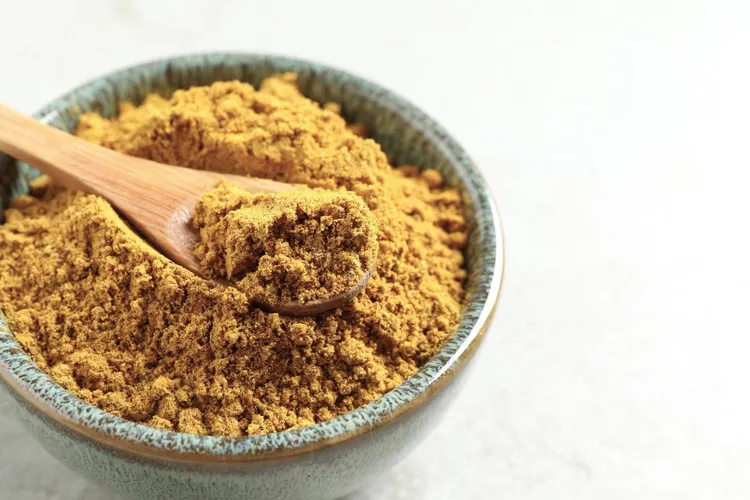
There is a spice blend that turns plain boiled potatoes into street food. That makes a bowl of sliced mango into something you want to eat standing at the kitchen counter. That transforms a piece of fried dough into a chaat, a plain yogurt into a condiment, a cucumber salad into a dish worth talking about. It is not complicated. It is not obscure. It has been sitting at the heart of South Asian cooking for centuries, on every street corner from Lahore to Mumbai to Dhaka, on every family dining table from Karachi to Kolkata.
It is called chaat masala - and it is the most transformative spice blend in this collection.
The word chaat comes from the Hindi/Urdu word meaning "to lick" - as in, the kind of food that makes you lick your fingers after eating it. It describes both a specific category of South Asian street food snacks and the flavor profile that defines them: simultaneously sour, salty, spicy, and deeply savory, with that specific sulfurous depth from kala namak (black salt) that is unlike anything in the Western spice vocabulary.
Chaat masala is what gives chaat its flavor. A pinch of it sprinkled over fruit makes the fruit taste more of itself. A teaspoon stirred into yogurt makes raita. Mixed into a tamarind sauce it becomes the finishing spice for pani puri. Dusted over fried snacks it transforms them into something with a name - not just fried things, but chaat.
This guide gives you the complete recipe, the science behind each ingredient, and five quick preparations you can make this week without any other specialist cooking.
📖 The ingredients in this recipe are covered in full in the South Asian Street Food Pantry guide. If any ingredient is unfamiliar - amchur, kala namak, ajwain - that guide tells you exactly what each one does, where to find it, and how to store it. Read it alongside this recipe.
What Makes Chaat Masala Taste the Way It Does
Before the recipe: the ingredients and their specific contributions. Understanding what each one does makes the blend easier to adjust to your own taste and makes the logic of chaat flavor obvious.
Amchur (Dried Mango Powder)
The primary souring agent - and the ingredient that makes chaat masala different from every other spice blend. Amchur is made from unripe green mangoes, dried and ground to a pale beige powder. Its flavor is intensely sour and faintly fruity - a dry acid that, unlike lemon juice or tamarind, changes the texture of nothing while adding a sharp, forward tartness that is the first flavor you taste in chaat.
Amchur cannot be substituted. Citric acid approximates the sourness without the fruitiness. Tamarind powder comes close but adds a darker, more complex character. For the genuine chaat masala experience, source amchur specifically - it is available at every South Asian grocery store and online.
Kala Namak (Black Salt)
The ingredient that makes chaat masala taste like chaat masala. A volcanic mineral salt with high sulfur content, kala namak has a pungent, egg-like smell in the packet that mellows completely in use - leaving behind a savory, slightly mineral depth that is simply present in the finished dish, not identifiable as sulfurous.
This is the single most distinctive ingredient in the collection. Food made with kala namak has an umami depth that food made with regular salt doesn't have. Food made without kala namak doesn't taste like chaat. It is non-negotiable for authenticity.
Cumin (Jeera)
Toasted whole cumin seeds, freshly ground. Not pre-ground from a jar - toasted and freshly ground cumin is a categorically different ingredient from pre-ground cumin that has been sitting in a spice rack for months. Toast until fragrant (60-90 seconds in a dry pan), grind in a spice grinder or mortar, use immediately. The warm, earthy depth of freshly toasted cumin is the backbone that the other ingredients build from.
Coriander Seeds (Dhania)
Ground toasted coriander seeds - citrusy, slightly floral, warmer than the fresh herb. In chaat masala they provide a rounded, slightly sweet undertone that balances the sharp acidity of the amchur.
Black Pepper (Kali Mirch)
Freshly ground black pepper adds a different kind of heat from chili - present and sharp, arriving quickly and fading. In chaat masala it provides a background warmth that lifts the other spices without dominating.
Dried Ginger Powder (Soonth)
Ground dried ginger - warmer and more concentrated than fresh ginger, with a slightly different flavor compound profile that works better in dry spice blends than fresh ginger would. It adds a gentle, aromatic heat and a slight warmth that integrates into the blend over time.
Ajwain (Carom Seeds)
The most unusual ingredient in the blend - small seeds with a powerful, thyme-adjacent flavor that is more pungent than thyme and more medicinal if used in excess. Ajwain is used in small quantities in chaat masala for a specific reason: it aids digestion and has been used in South Asian cooking medicinally for centuries. In the spice blend it provides a faintly herbal, slightly sharp note that adds complexity without being identifiable on its own.
Chili Powder (Lal Mirch)
Standard red chili powder - for heat. The quantity determines whether the finished chaat masala is mild (appropriate for dishes where you want the other flavors forward) or assertively spicy. Adjust freely.
Asafoetida (Hing)
A tiny amount - ⅛ tsp - of this powerfully pungent resin, fried in hot oil or simply cooked in the dish, adds an onion-garlic depth that is present but invisible. In a dry spice blend, it is used in even smaller quantities and contributes a background savory note that rounds the blend. See the full asafoetida explanation in the South Asian Street Food Pantry.
The Recipe
Makes approximately 60g (about 8-10 tbsp) | Active time: 15 minutes
Ingredients
To toast and grind:
- 2 tbsp cumin seeds (jeera)
- 1 tbsp coriander seeds (dhania)
- 1 tsp ajwain (carom seeds)
To add ground:
- 3 tbsp amchur (dried mango powder) - the dominant ingredient by volume
- 1.5 tbsp kala namak (black salt) - use the full amount; this is the defining ingredient
- 1 tsp red chili powder - adjust to heat preference
- 1 tsp dried ginger powder (soonth)
- ½ tsp black pepper, freshly ground
- ½ tsp regular fine sea salt - adds straightforward salinity alongside the kala namak
- ⅛ tsp asafoetida (hing)
- Optional: ¼ tsp dried mint powder - adds a cooling, herbal freshness that some regional versions include
Method
Step 1: Toast the whole spices Place a small, dry frying pan or tawa over medium heat. Add the cumin seeds, coriander seeds, and ajwain. Toast, stirring frequently, for 60-90 seconds until the spices darken slightly and become intensely aromatic - you should smell toasted cumin and a warm, herbal note from the ajwain. Watch carefully; they go from perfectly toasted to burnt in under 30 seconds.
Remove immediately from the pan onto a cold plate. Do not leave in the hot pan even after turning off the heat - residual heat continues cooking.
Step 2: Cool completely Allow the toasted spices to cool to room temperature - at least 5 minutes. Grinding warm spices in a mechanical grinder generates additional heat and drives off the volatile aromatic compounds you just developed. Cool first, grind second.
Step 3: Grind Transfer the cooled toasted spices to a spice grinder, a small blender, or a mortar and pestle. Grind to a fine, uniform powder - no visible whole seeds. The finer the grind, the more evenly the blend distributes in finished dishes.
Step 4: Combine In a small bowl, combine the freshly ground spice powder with all the remaining pre-ground ingredients: amchur, kala namak, chili powder, ginger powder, black pepper, sea salt, and asafoetida. If using dried mint, add it now.
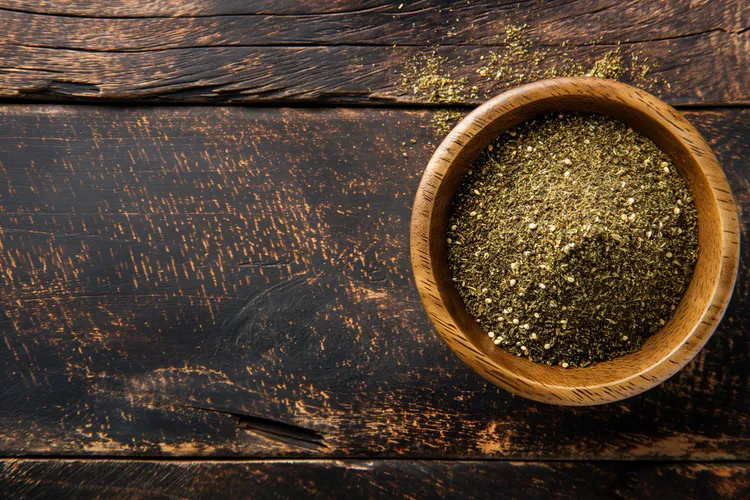
Stir thoroughly until completely combined and uniform in color - the finished blend should be a warm beige-brown with visible darker flecks of the ground spices.
Step 5: Taste and adjust This is the most important step. Take a tiny pinch and taste it on the tip of your tongue. The immediate flavors should be: tartness (amchur) upfront, followed by saltiness (kala namak and sea salt), then warmth from the cumin and ginger, then the sharp heat of the pepper and chili. The kala namak's sulfurous quality should be present but not overwhelming.
Adjustments:
- Too tart: reduce amchur by ½ tbsp next time, or add a pinch of extra sugar when using in a dish
- Too salty: reduce kala namak slightly (but not too much - it is the defining character)
- Not sour enough: add an additional ½ tbsp amchur
- Needs more heat: increase chili powder
- Needs more depth: add an extra pinch of asafoetida
Storage: Transfer to a small glass jar with a tight-fitting lid. Label with the date. Store in a cool, dry, dark place - not above the stove where heat and steam degrade spice blends rapidly. Properly stored, chaat masala keeps its full character for 3-4 months. After that the amchur loses its sharpness and the volatile cumin compounds fade. Make a fresh batch every 3 months.
Five Quick Chaat Preparations
Chaat masala is most useful when you know how to use it immediately. These five preparations require no specialist equipment, use widely available ingredients, and can each be made in under 15 minutes.
1. Aloo Chaat (Spiced Potato Snack)
The simplest, most satisfying chaat. Boiled potatoes, spiced and dressed - eaten warm or at room temperature, as a snack or a side.
Ingredients (serves 2 as a snack):
- 300g waxy potatoes, boiled and cut into 2cm cubes
- 1 tsp chaat masala
- ½ tsp roasted cumin powder
- ¼ tsp chili powder
- 1 tbsp tamarind chutney (from the Sauce Bible or shop-bought)
- 1 tbsp green chutney (blend coriander, mint, green chili, lime - 3 minutes)
- 2 tbsp plain yogurt, whisked smooth
- Small handful sev (crispy chickpea noodles), for topping
- Fresh coriander leaves, for garnish
Method: Toss the warm potato cubes with chaat masala, cumin, and chili powder. Arrange on a plate. Drizzle tamarind chutney, then green chutney, then yogurt over the potatoes. Scatter sev immediately before serving (not ahead - they soften). Finish with fresh coriander.
The experience: Every element arrives simultaneously - the soft potato, the sharp tamarind, the herbal green chutney, the cool yogurt, the crunch of the sev. This is chaat in its simplest form, and it is completely satisfying.
2. Fruit Chaat (Spiced Fruit Salad)
The dish that surprises everyone who encounters it for the first time. A pinch of chaat masala on fruit doesn't make the fruit taste of spice - it makes the fruit taste more intensely of itself. The amchur amplifies the natural acidity of the fruit; the kala namak suppresses bitterness and increases perceived sweetness; the cumin adds an unexpected earthiness that turns fruit into a complete flavor experience.
Ingredients (serves 4):
- 1 ripe mango, peeled and cubed
- 200g watermelon, cubed and seeded
- 1 apple, cored and cubed
- 1 pear, cored and cubed
- 1 banana, sliced
- 200g grapes, halved
- 1 tsp chaat masala
- Juice of ½ lime
- Small handful fresh mint leaves
Method: Combine all fruit in a wide bowl. Sprinkle chaat masala evenly over the fruit - do not toss yet. Squeeze lime juice over. Toss gently. Scatter fresh mint. Taste and add more chaat masala if needed. Serve immediately - the fruit releases liquid after standing, which dilutes the spicing.
The insight: Chaat masala on fruit is traditional across South Asia and is sold at every fruit stall from Lahore to Chennai. It is one of the great flavor discoveries of the collection - something that sounds unlikely and tastes inevitable.
3. Chaat Masala Raita (Spiced Yogurt)
A deeply seasoned yogurt that goes with everything - grilled meat, biryani, pani puri, fried snacks, flatbread. The chaat masala transforms plain raita from a cooling side into a dish with genuine flavor complexity.
Ingredients (serves 4):
- 250g full-fat natural yogurt
- ½ cucumber, grated and squeezed dry (same technique as tzatziki)
- 1 tsp chaat masala
- ½ tsp roasted cumin powder
- ¼ tsp kala namak (in addition to the chaat masala - deepens the effect)
- Small handful fresh coriander and mint, finely chopped
- Pinch of chili powder, for garnish
Method: Whisk yogurt until smooth. Fold in squeezed cucumber, chaat masala, cumin, and kala namak. Stir in the herbs. Taste - it should be tangy, savory, and herbal, with the kala namak providing depth underneath. Garnish with a pinch of chili powder. Refrigerate for 20 minutes before serving.
4. Chaat Masala Roasted Chickpeas
Crispy, spiced, addictive - the snack that replaces crisps once you've made it. Chickpeas roasted until completely dry and crunchy, tossed in chaat masala while still hot so the spices adhere and bloom.
Ingredients (serves 4 as a snack):
- 400g canned chickpeas, drained, rinsed, and dried very thoroughly (at least 30 minutes on paper towels - moisture is the enemy of crunch)
- 2 tbsp vegetable oil
- 1.5 tsp chaat masala
- ½ tsp additional cumin powder
- Salt to taste
Method: Preheat oven to 220°C (fan). Spread completely dry chickpeas on a baking tray in a single layer. Roast for 25-30 minutes, shaking the tray once at 15 minutes, until completely golden and crispy throughout - a chickpea from the tray should sound hollow when tapped. Remove from the oven, immediately toss with oil and chaat masala while still very hot. Return to the oven for 2 minutes. Cool on the tray - they crisp further as they cool.
The critical rule: The chickpeas must be completely dry before roasting. Any residual moisture produces soft, steamed chickpeas rather than crispy ones. Pat dry, spread on the tray, and allow to air-dry for 30 minutes before roasting if time allows.
5. Papdi Chaat (Crispy Cracker Chaat)
The most complete chaat on this list - a full street food plate assembled from components, with every element working together. It is the gateway preparation for pani puri - a simpler version of the same flavor logic, using shop-bought papdi (crispy flour crackers) rather than fried shells.
Ingredients (serves 2):
- 12–16 papdi (crispy flour crackers, from South Asian grocery stores) - or plain poppadoms broken into large pieces
- 150g boiled waxy potatoes, roughly mashed with a fork
- 100g canned chickpeas, drained
- 1 tsp chaat masala, divided
- 3 tbsp tamarind chutney
- 3 tbsp green chutney
- 4 tbsp plain yogurt, whisked smooth with a pinch of salt
- Large handful sev
- ¼ red onion, very finely diced
- Fresh coriander leaves
Method:
- Season the mashed potato with ½ tsp chaat masala, salt, and a squeeze of lime. Season the chickpeas with the remaining ½ tsp chaat masala.
- Arrange papdi on a plate in a single layer.
- Spoon a small amount of spiced potato onto each papdi.
- Add a few chickpeas.
- Drizzle tamarind chutney generously over everything.
- Drizzle green chutney.
- Pour yogurt over - it should pool slightly between the papdi.
- Scatter sev immediately before serving.
- Top with diced red onion and coriander.
- Serve immediately - papdi chaat waits for no one. The crackers soften in 3-4 minutes.
The experience: Every bite contains all of it - the crunch of the papdi, the soft potato, the cool yogurt, the sharp tamarind, the herbal chutney, the crunch of the sev. This is the compressed flavor logic of South Asian street food in one plate, and it is one of the most exciting things in this collection.
Beyond These Five: How to Use Chaat Masala
Once you have a jar, you'll find uses beyond the five preparations above:
Sprinkle directly: Over sliced cucumbers with a squeeze of lime. Over corn on the cob with butter. Over roasted sweet potato wedges. Over fried eggs. Over grilled paneer.
Stir into: Hummus for a South Asian-spiced dip. Guacamole for an unexpected brightness. Lentil soup for a finishing flavor lift. Plain rice for instant flavor.
Use as a dry rub: On chicken thighs before grilling - the amchur tenderises slightly and the kala namak seasons deeply. On fish fillets before pan-searing.
Add to drinks: A pinch stirred into lemonade produces the chaas (spiced buttermilk) flavour logic. A pinch in a mango lassi lifts the sweetness and adds complexity.
The principle is consistent across all applications: chaat masala adds sourness (amchur), savory depth (kala namak), and warmth (cumin, coriander, ginger) simultaneously. Wherever those three elements would improve a dish - which is almost everywhere - chaat masala is useful.
Regional Variations
Chaat masala is not a standardised recipe. Every household, every street vendor, every regional tradition has its own ratio. Here are the main variations worth knowing:
Pakistani chaat masala - typically more amchur-forward and less chili than the Indian versions. The sour note dominates. This recipe is calibrated to the Pakistani style.
Punjabi chaat masala - stronger on the cumin and coriander, slightly less kala namak. A warmer, more rounded blend.
Delhi-style chaat masala - assertively spicy, with more chili powder and sometimes a pinch of dry pomegranate seed powder (anardana) for additional fruity sourness.
Mumbai-style chaat masala - often includes a small amount of dried mint, which gives the blend a cooling note that suits the humid coastal climate. This is the version most commonly found outside South Asia.
The recipe in this guide is calibrated toward the Pakistani-Punjabi style - sour-forward, deeply savory, moderately spicy. Adjust freely in any direction.
Pro Tips
- Toast the cumin and coriander separately if possible. Cumin toasts faster than coriander seeds (which are larger and denser). Toasting them together risks burning the cumin while the coriander is still raw. Two minutes per pan, staggered, produces a better result than a single mixed pan.
- The amchur is the most perishable ingredient. Dried mango powder loses its sourness faster than most spices - it absorbs moisture from the air and the acidity compounds break down over time. Store the amchur in a sealed container and smell it before using: fresh amchur is sharp and intensely sour; old amchur smells dull and stale. If the amchur is flat, the chaat masala will be flat.
- Make small batches, make them frequently. A 60g batch lasts 3-4 months. Making a 200g batch to "save time" produces chaat masala that is excellent for a month and mediocre for the next three. The 15 minutes of toasting and grinding is the time investment that keeps the quality high.
- Label with the date. Chaat masala made in the moment of need always feels fresh. Chaat masala found at the back of the spice cupboard with no date label may or may not still be worth using. Label every batch.
- Taste it on its own before using. Before adding chaat masala to a dish, taste a pinch. It should be immediately, assertively flavorful - sour, savory, warm. If it tastes flat or muted, the blend has degraded and a fresh batch is needed.
Common Mistake: Using Pre-Ground Cumin and Coriander Chaat masala made entirely from pre-ground spices - including cumin and coriander from jars - tastes significantly flatter than masala made with freshly toasted and ground seeds. The essential oils that carry cumin's earthy depth and coriander's citrus character degrade rapidly once ground. The 5 minutes of toasting and grinding is the single step with the highest impact on quality. Do it every time.
FAQ
Q: Is chaat masala the same as garam masala?
No - they are completely different blends with different flavor profiles and different applications. Garam masala is a warm spice blend (cardamom, cinnamon, cloves, black pepper, cumin) used primarily in cooked dishes, added during or at the end of cooking. Chaat masala is a sour-salty-spicy blend designed primarily for finishing - sprinkled over completed dishes, mixed into yogurt, dusted over snacks. The two share some ingredients (cumin, coriander) but are categorically different in flavor and use.
Q: Where can I find amchur and kala namak?
Both are available at South Asian grocery stores, which are the most reliable source and the best value. Both are also increasingly available online (Amazon carries multiple brands). Large supermarkets sometimes carry them in the world food aisle. For a complete sourcing guide, see South Asian Street Food Pantry.
Q: Can I make chaat masala without kala namak?
You can, but the result is a significantly different spice blend - the defining sulfurous-savory depth that makes chaat taste like chaat is absent. A blend made with regular salt instead of kala namak is a pleasant sour-spicy powder but it doesn't taste like chaat masala. If kala namak is genuinely unavailable, the blend is worth making anyway - it will be good. But sourcing the kala namak is strongly recommended.
Q: How much chaat masala should I use in a dish?
Start with ½ tsp per serving for a subtle effect; 1 tsp per serving for a prominent effect. Chaat masala is a finishing spice - it is added at the end, not cooked in (cooking destroys the volatile compounds that give it its character). Taste after adding and adjust. It is easier to add more than to reduce excess.
Q: Can I buy chaat masala instead of making it?
Yes - MDH and Everest are two reliable commercial brands available at South Asian grocery stores. Shop-bought chaat masala is acceptable and convenient. It is also noticeably less vibrant than freshly made - the toasted cumin character in particular is absent from commercial blends, which are made from pre-ground ingredients. For occasional use: shop-bought is fine. For regular use: the 15-minute homemade version is significantly better and worth making.
🔗 Use Chaat Masala In
- Indian Pani Puri: The Street Food That Explodes in Your Mouth
- South Asian Street Food Pantry: The Ingredients Behind the Flavor
- The Street Food Sauce Bible: 15 Sauces from 15 Countries - Tamarind Chutney, Raita
- 10 Street Food Dishes You Can Make in 30 Minutes or Less
- How to Fry Like a Street Food Vendor: The Complete Home Guide
- Global Street Food at Home: The Ultimate Guide
Latest