Korean Tteokbokki: The Spicy Rice Cake Dish Taking Over the World
Chewy, fiery, sweet, and completely addictive - the street food that defines Korean pojangmacha culture
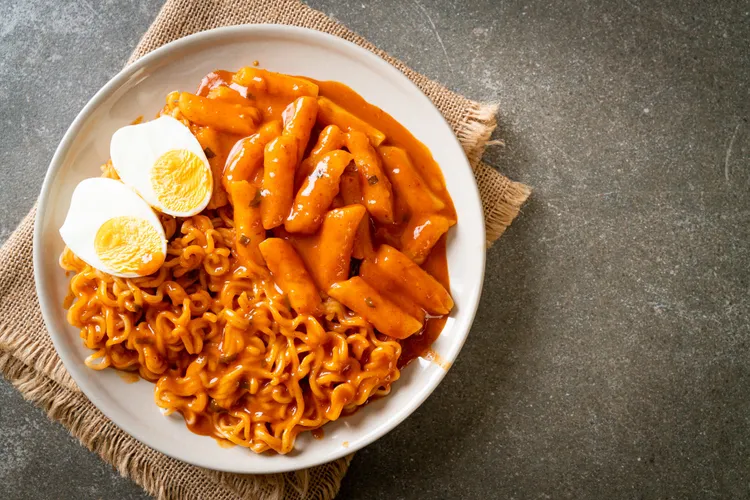
There is a dish that Korean children eat after school, that university students eat at 2am, that office workers eat at lunch, and that food tourists fly to Seoul specifically to find at a street stall on a cold evening. It is not the same dish each time - the school version is milder, the late-night version is often spicier and loaded with fish cakes and ramen noodles - but it is always recognisably, unmistakably, the same thing: chewy rice cakes in a gochujang broth that is sweet and spicy and savory all at once, served bubbling from a wide, shallow pan, eaten with wooden skewers standing at a pojangmacha cart with steam rising into the night air.
Tteokbokki (pronounced duk-BOK-ee) is Korea's most beloved street food. It is also, once you understand what it requires, one of the most accessible dishes in this entire collection - four or five key ingredients, twenty-five minutes of cooking, and a result that is genuinely extraordinary. The heat, the chew of the rice cakes, the specific fermented depth of gochujang - there is nothing quite like it in any other culinary tradition.
This is the recipe that does it properly.
📖 The gochujang is the dish. Tteokbokki without gochujang is rice cakes in red water. The fermented depth, the specific sweet-spicy-savory character of gochujang - nothing substitutes for it. Before you start: source gochujang from a Korean or Asian grocery store. See The Essential Asian Street Food Pantry for full guidance.
The History: From Royal Court to Street Corner
Tteokbokki's origin is a story of radical transformation.
The dish appears in the Joseon Dynasty (1392–1897) as a court food called gungjung tteokbokki - royal court rice cakes braised in soy sauce, sesame oil, and vegetables. It was a sophisticated, delicate preparation, served to the royal family and aristocracy, with no chili whatsoever. Chili peppers only arrived in Korea through Japanese trade routes in the late 16th century, and even then were not immediately incorporated into all dishes.
The spicy, gochujang-based version that defines tteokbokki today was created in 1953 - by accident. A restaurant owner in Seoul's Sindang-dong district (which still has an entire alley dedicated to tteokbokki, called the Tteokbokki Town) accidentally dropped rice cakes into a pot of spicy broth and discovered the combination was extraordinary. Her restaurant popularised the dish; it spread from Sindang-dong across Seoul and then across Korea, and within a generation had become the defining street food of the pojangmacha culture.
From royal court to street corner in one happy accident. The dish that resulted - the one made in this recipe - is one of the great flavor discoveries of the 20th century.
Understanding the Components
The Rice Cakes (Tteok)
Tteok are Korean rice cakes - cylindrical, dense, and chewy, made from pounded glutinous rice flour. The texture is the point: a resistance that is completely unlike bread or pasta, a chew that is satisfying in a way that is difficult to explain until you experience it. They absorb the gochujang broth as they cook, becoming coated inside and out with flavor while retaining their distinctive bite.
Forms available:
- Fresh tteok (from the refrigerated section of Korean grocery stores): Soft, pliable, ready to cook immediately. The best texture. If they've dried out slightly in the fridge, soak in cold water for 10 minutes to rehydrate.
- Packaged tteok (vacuum-sealed or dried): Needs soaking in cold water for 20-30 minutes before cooking to soften. Slightly chewier than fresh but excellent.
- Frozen tteok: Thaw overnight in the fridge. Cook as fresh.
The shape: Traditional tteokbokki uses garaetteok - cylindrical rice cakes about 1cm in diameter and 5-6cm long. Flat oval tteok (used in tteok guk, the rice cake soup) also works but has a different mouthfeel. Both are correct.
The Broth
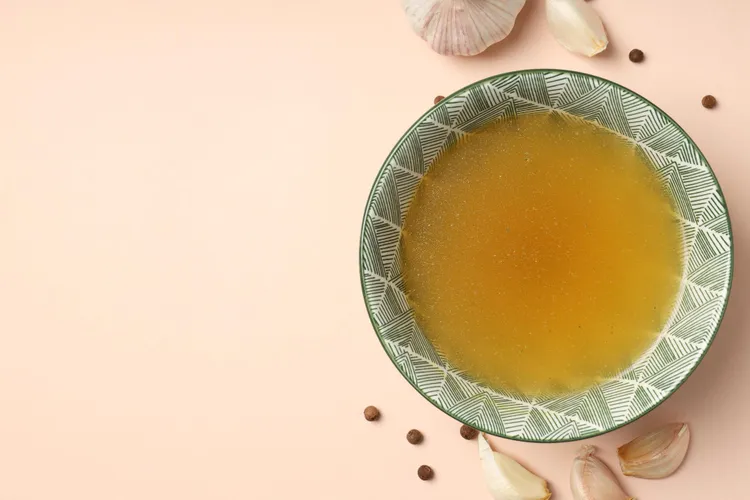
The broth for tteokbokki is built on anchovy stock - dried anchovies (myeolchi) simmered with kombu to produce a clean, savory base that has more depth than plain water and more delicacy than beef or chicken stock. It is the specific flavor that distinguishes restaurant tteokbokki from versions made with water.
For the vegan version, kombu dashi alone - dried kelp steeped in cold water - produces an excellent, umami-rich base.
The stock takes 15 minutes and makes an enormous difference. It is worth making.
The Gochujang Sauce
The sauce is the soul of tteokbokki - gochujang as the base, with gochugaru for additional heat and color, soy sauce for salt and depth, and sugar to balance the fermented intensity. The ratio of these ingredients determines whether the result is mild and sweet (common in school cafeteria versions) or fiery and complex (the pojangmacha night market version).
This recipe gives you a medium heat - genuinely spicy but approachable. Adjustment guidance is provided.
Ingredients
Serves 2-3 as a main, 4 as a side | Ready in 25 minutes
The Anchovy Stock (Myeolchi Yuksu)
- 1 litre cold water
- 15g dried anchovies (myeolchi) - heads and guts removed if visible; available at Korean grocery stores
- 10g dried kombu (one piece approximately 8×5cm)
Vegan broth: Replace anchovies with an extra 10g of kombu and steep cold overnight.
The Tteokbokki
- 400g tteok (cylindrical rice cakes), soaked if using packaged
- 150g eomuk (Korean fish cakes), cut into bite-sized triangles or rectangles - available at Korean grocery stores, frozen section. Omit for vegan version.
- 2 spring onions, cut into 5cm lengths
The Sauce
- 3 tbsp gochujang - start here, adjust for heat preference
- 1 tbsp gochugaru (Korean chili flakes) - for additional heat and color
- 1 tbsp soy sauce or tamari
- 1 tbsp caster sugar - or honey for a slightly more complex sweetness
- 1 tsp sesame oil - added at the end, not during cooking
- 2 cloves garlic, very finely minced
Toppings
- 1-2 hard-boiled eggs, halved - traditional and almost universally added
- 1 tsp toasted sesame seeds
- 1 spring onion, finely sliced on the diagonal
- Drizzle of sesame oil
Optional Additions (Choose One or More)
- 80g ramen noodles, cooked separately and added for the last 2 minutes - the rabokki variation (ramen + tteokbokki), extremely popular
- 50g mozzarella, torn over the top for the last minute of cooking - a modern variation producing spectacular cheese pulls
- 1 sheet nori, torn into pieces
- 30g cheese sauce - for the Korean-American fusion version
Method
Step 1: Make the anchovy stock (15 minutes)
Combine dried anchovies, kombu, and cold water in a medium saucepan. Bring slowly to a gentle simmer over medium heat - do not boil, which makes the stock bitter. Simmer for 10 minutes. Remove the anchovies and kombu. You should have approximately 800ml of clean, lightly savory stock. This can be made up to 3 days ahead and refrigerated.
Step 2: Make the sauce paste
In a small bowl, combine gochujang, gochugaru, soy sauce, sugar, and minced garlic. Mix into a smooth paste. Taste - at this stage it should be intensely flavored and quite spicy. It will mellow and balance when diluted into the stock. If it tastes too salty, reduce the soy sauce next time; if too sweet, reduce the sugar.
Step 3: Build the tteokbokki
Pour 600ml of the anchovy stock into a wide, shallow pan - a large frying pan or a shallow saucepan works well. The wide surface area allows the sauce to reduce evenly and the rice cakes to cook in a single layer.
Add the sauce paste and stir to combine. Bring to a gentle simmer over medium heat. Add the tteok in a single layer. Bring to a steady simmer and cook for 8-10 minutes, stirring frequently, until the rice cakes are heated through and have absorbed the sauce. They should be soft but still chewy - not mushy.
Step 4: Add fish cakes and spring onions
Add the fish cakes and spring onion lengths. Simmer for a further 3-4 minutes until the fish cakes are heated through and the sauce has thickened to a glossy, coating consistency. The sauce should be thick enough to coat the tteok - if it is still watery, increase the heat briefly and stir continuously as it reduces.
Step 5: Finish and serve
Remove from heat. Drizzle with sesame oil and stir once. Divide between bowls. Top with halved boiled eggs, sesame seeds, and sliced spring onion. Serve immediately - tteokbokki is at its best straight from the pan, when the sauce is still glossy and the rice cakes are at peak chewiness.
The Sauce Calibration: Adjusting Heat and Flavor
The heat and sweetness of tteokbokki is deeply personal - Korean households and street stalls each have their own ratio. Here is how to adjust:
| To make it... | Adjust this |
|---|---|
| Milder | Reduce gochujang to 2 tbsp; increase sugar to 1.5 tbsp; add 1 tbsp ketchup (common in mild versions) |
| Spicier | Increase gochugaru to 2 tbsp; add ½ tsp gochujang more; add sliced fresh red chili |
| Sweeter | Increase sugar or substitute corn syrup (mulyeot) - the traditional Korean sweetener for tteokbokki, which adds a glossy shine |
| More savory | Add 1 tsp doenjang (fermented soybean paste) to the sauce paste |
| Deeper | Add 1 tbsp ganjang (Korean soy sauce) and reduce regular soy sauce |
| Rose version | Add 3 tbsp double cream or coconut cream to the finished sauce - see Rose Tteokbokki below |
The Rose Tteokbokki Variation
Rose tteokbokki is the modern, viral variation - a creamy, pale red sauce produced by adding cream (or coconut cream for vegan) to the standard gochujang base. It is softer, slightly sweeter, and dramatically different in appearance - the vivid red of standard tteokbokki becomes a dusky pink-orange - while retaining the essential gochujang character underneath the creaminess.
Method: Make the standard recipe. In the final 2 minutes of cooking, pour in 80ml of double cream (or full-fat coconut cream) and stir continuously as the sauce takes on the cream. The color will shift immediately from red to pink. Add a tablespoon of grated parmesan (optional - adds a savory depth) and serve.
Why it works: The fat in the cream binds with the gochujang's capsaicin, moderating the heat while preserving the fermented flavor. The result is a sauce that tastes simultaneously richer and gentler than the standard version - the tteokbokki for people who love the flavor but find the standard heat level challenging.
Rabokki: Tteokbokki + Ramen
Rabokki - a portmanteau of ramyeon (Korean instant ramen) and tteokbokki - is the street food upgrade that takes the dish from a side to a full meal. Add cooked ramen noodles to the pan in the last 2 minutes of cooking and the noodles absorb the gochujang sauce in a way that produces something more sustaining and more texturally complex than either dish alone.
How to make it: Cook one portion of instant ramen noodles (discard the seasoning packet or use half) until just underdone. Drain and add to the tteokbokki in the last 2 minutes, tossing to coat in the sauce. The noodles will absorb liquid rapidly - if the sauce becomes too thick, add a splash of stock.
The rabokki is the version most commonly sold at pojangmacha carts in Seoul - the combination that keeps students at the stall for an extra twenty minutes.
The Vegan Version
Standard tteokbokki uses anchovy stock and fish cakes - both easily replaced without any meaningful loss of flavor or character.
Broth: Cold-brew kombu dashi - steep 20g of dried kombu in 1 litre of cold water overnight. The resulting broth is clean, slightly sweet, and deeply savory.
Fish cakes: Replace with any of the following:
- Firm tofu, pressed, sliced into rectangles, and briefly pan-fried until golden before adding to the tteokbokki
- King oyster mushrooms, torn into strips - they have a satisfying chew that approximates the texture of fish cakes
- Thinly sliced cabbage and carrot - the vegetable version common in temple food (Korean Buddhist cooking)
Sauce: All sauce ingredients are already vegan - gochujang, gochugaru, soy sauce, sugar, garlic, and sesame oil are all plant-based.
Serving: The Pojangmacha Experience at Home
Street tteokbokki is eaten standing, from a disposable container, with a wooden skewer. This is the format that has made it an institution - fast, hot, satisfying, eaten in the cold air of a Seoul evening with the steam from the pan rising around you.
At home, the closest approximation: serve in wide, shallow bowls rather than deep ones (so the tteok are accessible and the sauce stays hot longer), provide a plate of banchan (small Korean side dishes - pickled radish, kimchi, steamed spinach) alongside, and eat immediately. Tteokbokki waits for no one - the sauce thickens as it cools and the rice cakes firm up. The first five minutes are the best five minutes.
For a full pojangmacha spread: Tteokbokki + Korean fried chicken + eomuk (fish cake skewers in broth, sold from the same carts) + hotteok (sweet pancakes) is the archetypal Seoul street food night. Each is a separate recipe, but together they create an experience that is distinctly and completely Korean.
Storing and Reheating
Tteokbokki is best eaten immediately. The sauce thickens significantly as it cools, and the rice cakes become harder and less chewy after refrigeration. That said:
Storage: Refrigerate in a sealed container for up to 2 days. The sauce will thicken to almost a paste.
Reheating: Add 3-4 tbsp of water or stock to the container and reheat gently in a saucepan over medium-low heat, stirring frequently. The sauce will loosen as it heats. Do not microwave - the rice cakes reheat unevenly and can become rubbery in spots.
Freezing: Not recommended - the texture of the rice cakes degrades noticeably after freezing and thawing.
Pro Tips
- Stir frequently during cooking. Tteok sink to the bottom of the pan and stick if left undisturbed. Stir every 60-90 seconds, making sure the rice cakes are moving and the sauce is coating them evenly.
- Soak packaged tteok properly. Hard, under-soaked rice cakes remain firm and slightly starchy in the finished dish. Soak for the full 20-30 minutes - they should be pliable and slightly softened before cooking begins.
- The sauce should coat, not flood. The correct consistency when the dish is ready is a thick, glossy sauce that clings to the tteok rather than pooling at the bottom of the pan. If too watery, increase heat and stir continuously for 2-3 minutes. If too thick, add a splash of stock.
- Use a wide pan. A deep saucepan produces uneven cooking - the rice cakes at the bottom cook faster than those on top. A wide, shallow pan ensures every tteok has contact with the heat and the sauce.
- Make extra sauce. The gochujang sauce recipe makes exactly enough for this dish, but a double batch of the sauce (refrigerated in a jar for up to 2 weeks) means tteokbokki is a 15-minute weeknight dish.
Common Mistake: Using Water Instead of Anchovy Stock Many home recipes skip the stock step and use plain water. The difference in flavor is very noticeable - the anchovy stock adds a savory depth and a slight oceanic quality that grounds the gochujang sauce and makes it taste like the street version rather than a home approximation. The stock takes 15 minutes and uses two ingredients. It is worth making every time.
FAQ
Q: My tteok are hard even after soaking. What went wrong?
The soaking time was insufficient, or the water was too cold. Use room temperature water (not cold from the tap) and soak for the full 20-30 minutes. If they're still firm after that, simmer them in the stock for 2-3 minutes before adding the sauce. Fresh tteok from the refrigerated section need no soaking - but if they've dried out from sitting in the fridge uncovered, a 10-minute soak in room temperature water helps.
Q: Where do I find eomuk (fish cakes)?
Korean grocery stores carry them in the frozen section - look for flat, rectangular fish cakes labeled "eomuk" or "odeng." They come in various shapes; any flat variety works. If unavailable, pressed tofu (briefly fried until golden) is the best substitute in both texture and protein content.
Q: Can I make this less spicy for children?
Yes - reduce gochujang to 1 tbsp, omit the gochugaru entirely, and add 1 tbsp of ketchup for color and mild sweetness. This produces a version that has the characteristic tteokbokki appearance and chew with very mild heat. Many Korean children eat this milder version daily.
Q: Is tteokbokki gluten-free?
Traditional rice cakes are made from rice flour and are gluten-free. However: gochujang typically contains wheat flour as a fermentation substrate (check the label for gluten-free certified versions), and many fish cakes contain wheat starch as a binder. For a fully gluten-free version, source certified gluten-free gochujang (available from specialty Korean food retailers), use tamari instead of soy sauce, and replace fish cakes with tofu.
Q: What does tteokbokki taste like if I've never had it?
The closest Western flavor reference is a very spicy, slightly sweet tomato sauce - but that comparison undersells the complexity. The gochujang adds a fermented depth that no tomato sauce has. The rice cakes have a chew that is unlike anything in European cooking. The combination of sweet, spicy, and savory in the sauce is calibrated in a way that makes it almost impossible to stop eating. The best answer is: make it and find out.
🔗 Continue Exploring
- The Essential Asian Street Food Pantry
- The Street Food Sauce Bible: 15 Sauces from 15 Countries - Gochujang Mayo
- Vietnamese Bánh Mì: Building the Perfect Sandwich at Home
- Thai Pad Thai: The Street Stall Recipe, Made at Home
- Japanese Takoyaki: Osaka's Favourite Street Food at Home
- 10 Street Food Dishes You Can Make in 30 Minutes or Less
- Global Street Food at Home: The Ultimate Guide
Latest