How to Make Mayonnaise (and Why Emulsification Works)
The physics of fat suspended in water, why egg yolk makes it possible, two foolproof methods, and seven flavoured variations
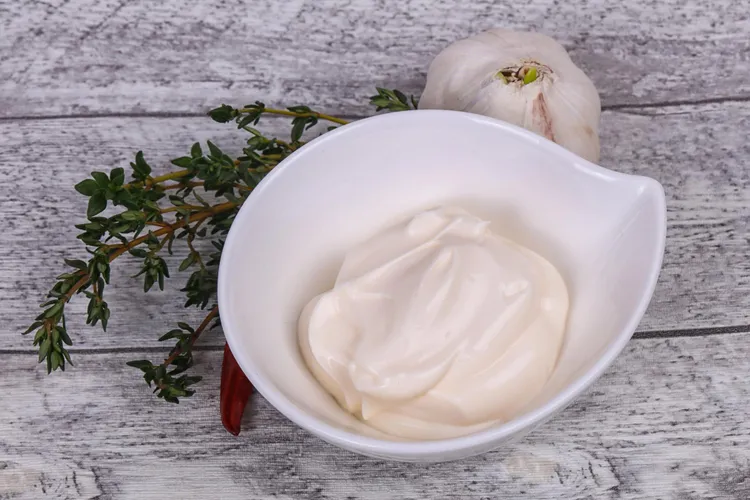
Mayonnaise is one of the most elegant demonstrations of emulsification in everyday cooking. Two liquids that don't naturally combine - oil and water (the water comes from the lemon juice, vinegar, and egg white) - are suspended together into a stable, thick, creamy emulsion by the lecithin in egg yolk, which acts as the emulsifier. Understanding this mechanism makes mayonnaise-making intuitive rather than mysterious: you are not following a recipe, you are managing a specific physical process.
And homemade mayonnaise is better than shop-bought. This is not a debatable aesthetic preference - it is a comparison of fresh, high-quality ingredients producing a specific flavour that commercial mayonnaise, made with generic oils and vinegar, does not replicate. Homemade aioli on a Provençal platter, or a miso mayonnaise on a Japanese-inspired burger, or a herb mayonnaise on cold poached chicken - these are preparations defined by the specific quality of the sauce, and the sauce is made in 5 minutes.
The Emulsification Science
What an emulsion is: A mixture of two immiscible liquids - typically oil and water - where one liquid is dispersed as tiny droplets throughout the other. In mayonnaise, oil droplets are suspended in the water-based liquid (lemon juice, egg white). The emulsion is stable because the droplets cannot merge back together as long as the emulsifier maintains them separately.
Why oil and water don't naturally mix: Oil is non-polar; water is polar. Polar molecules are attracted to each other; non-polar molecules are attracted to each other. Without an emulsifier, any mixture of oil and water separates quickly - the oil droplets merge and float to the surface (gravity + like-attracts-like).
What lecithin does: Lecithin (phosphatidylcholine), found in egg yolk, is amphiphilic - it has both a water-loving (hydrophilic) end and an oil-loving (lipophilic) end. When oil is added to an egg yolk mixture, the lecithin molecules orient themselves at the oil-water interface: the lipophilic end dissolves into the oil droplet; the hydrophilic end dissolves into the water. This creates a thin coat around each oil droplet that prevents the droplets from merging.
As more oil is added and the lecithin from the egg yolk is distributed across an increasing number of droplets, the mayonnaise thickens - more oil droplets means more volume, higher viscosity. An egg yolk contains enough lecithin to emulsify up to approximately 200ml of oil before the emulsifier runs out and the emulsion becomes unstable.
Why mayonnaise breaks: If oil is added faster than the emulsifier can coat the new droplets, large droplets form that cannot be stabilised. The emulsion breaks - the oil and water separate. The fix: slow down the oil addition, or rescue the broken emulsion (see below).
Method 1: By Hand (Whisk)
The traditional method - complete control, no equipment beyond a bowl and a whisk. Produces a slightly thicker, more stable emulsion than the blender method because the droplet size is smaller at slower incorporation. The most instructive method for understanding the emulsification process.
Ingredients (Makes approximately 300ml)
- 2 large egg yolks, at room temperature
- 1 tsp Dijon mustard - adds additional emulsifying compounds (mucilage) and flavour
- 1 tbsp white wine vinegar or lemon juice
- ½ tsp fine sea salt
- 250ml neutral oil (sunflower, light vegetable, refined rapeseed) - neutral oil for classic mayonnaise; good olive oil for aioli and more assertive preparations
- Additional lemon juice to taste at the end
Method
Set up: Place a damp cloth under the bowl to prevent it from moving during whisking. This is important - the bowl must not slide when you are whisking vigorously with one hand and pouring oil with the other.
Step 1: Whisk together the egg yolks, mustard, vinegar (or lemon juice), and salt in the bowl until well combined and slightly pale.
Step 2: Begin adding the oil - drop by drop initially. This is the most important instruction in the recipe. In the first 50-75ml of oil, the lecithin is establishing the emulsion architecture. If oil is added too quickly at this stage, large droplets form and the emulsion breaks.
Use a measuring jug or a bottle with a narrow pour to control the flow. Add single drops, whisking constantly after each. The mixture should thicken slightly as the oil incorporates - this thickening is the emulsion forming.
Step 3: Once 75-100ml of oil has been incorporated and the emulsion is clearly established (the mixture is notably thicker and creamy), increase to a thin, steady stream. Continue whisking constantly. The mayonnaise will continue to thicken.
Step 4: When all the oil is incorporated, taste. Adjust with additional salt, lemon juice, or vinegar. If the mayonnaise is too thick, whisk in a teaspoon of warm water to loosen.
Method 2: Immersion Blender (The Reliable Shortcut)
The immersion blender method takes 30 seconds and produces an excellent, stable mayonnaise. It is not the same as the hand method - the droplet size is slightly larger and the emulsion slightly less stable - but for most applications it is indistinguishable, and the speed and reliability make it the practical choice for most home cooks.
Why it works differently: The immersion blender creates intense local turbulence that breaks oil into droplets as it is introduced, allowing faster addition than the hand method. The droplets are slightly larger but the emulsion is stable enough for refrigerator storage.
Method (same ingredients as above)
- Place the egg yolks, mustard, vinegar, and salt in a tall, narrow jug or the container that came with the immersion blender
- Add all the oil on top
- Place the immersion blender at the very bottom of the container - the blade must be touching the base
- Blend on high speed - do not move the blender for 15-20 seconds. The mayonnaise will form in the base of the jug and begin rising up around the blade.
- Once the mayonnaise has formed at the base (visible as a thick, white emulsion rising), slowly lift the blender while continuing to blend - this incorporates the remaining oil at the top
- Blend for another 10-15 seconds until completely combined
The critical instruction: The blender must be at the base without moving for the first 15-20 seconds. Moving it too early disperses the oil before the emulsion is established.
Rescuing Broken Mayonnaise
A broken mayonnaise - where the emulsion has separated into oil and curdled-looking egg - is not a failure that requires starting again. It can usually be rescued.
Method: Place a fresh egg yolk in a clean bowl. Very slowly add the broken mayonnaise to the new yolk while whisking constantly - treat the broken mayonnaise exactly as you would oil when making the original emulsion. The new yolk provides fresh lecithin; the broken mayonnaise provides the oil in the original proportions. The new emulsion forms with the original materials.
Why Each Ingredient Matters
Egg yolk: The source of lecithin (the emulsifier). At room temperature, lecithin is more fluid and disperses more effectively. Cold egg yolk from the refrigerator produces a less stable emulsion.
Mustard: Provides additional emulsifying compounds (mucilage from ground mustard seeds) and flavour. Dijon mustard specifically adds a clean, sharp note that rounds the mayonnaise flavour. Not essential but significantly beneficial.
Acid (vinegar or lemon): Adds brightness and flavour balance. The acid also slightly reduces the pH, making the emulsion more stable. Add some at the start and some at the end to control the flavour precisely.
Oil: The volume component - 250ml of oil per 2 yolks. Neutral oil produces classic mayonnaise. Olive oil produces aioli - more assertive, more complex. A blend (150ml neutral + 100ml good olive oil) produces a well-balanced result.
Salt: Seasoning - essential. Salt added at the start, before the oil, integrates more evenly than salt added at the end.
Seven Flavoured Variations
All begin with the base mayonnaise recipe above.
1. Aioli (Garlic Mayonnaise)
The Provençal preparation - garlic ground to a paste is incorporated with the egg yolk before the oil is added. Use 2-4 garlic cloves (depending on intensity wanted), pounded in a mortar with a pinch of salt until completely smooth. Add this paste to the yolks and proceed as for standard mayonnaise, but use good olive oil as the primary oil rather than neutral oil. The result is intensely garlicky, rich, and deeply flavoured - for bouillabaisse, vegetables, bread.
2. Miso Mayonnaise
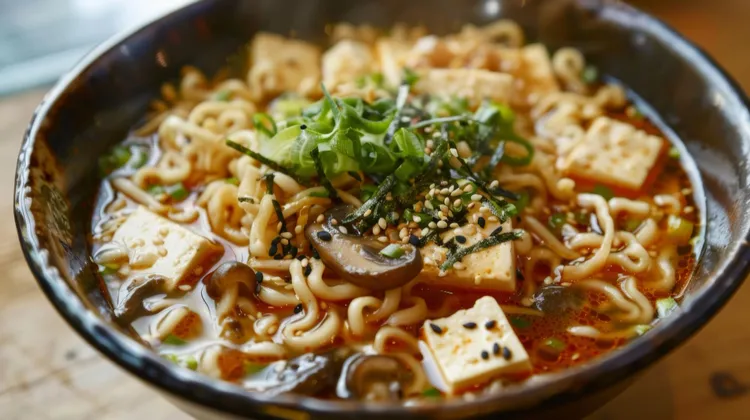
Whisk 1 tablespoon of white (shiro) miso into the finished mayonnaise. The miso adds a fermented, umami depth that transforms the mayo into something specifically Japanese in character - excellent on fish burgers, chicken sandwiches, as a dipping sauce for grilled vegetables, and as a finishing sauce for ramen bowls. See Miso: Japan's Most Versatile Fermented Ingredient.
3. Chipotle Mayonnaise
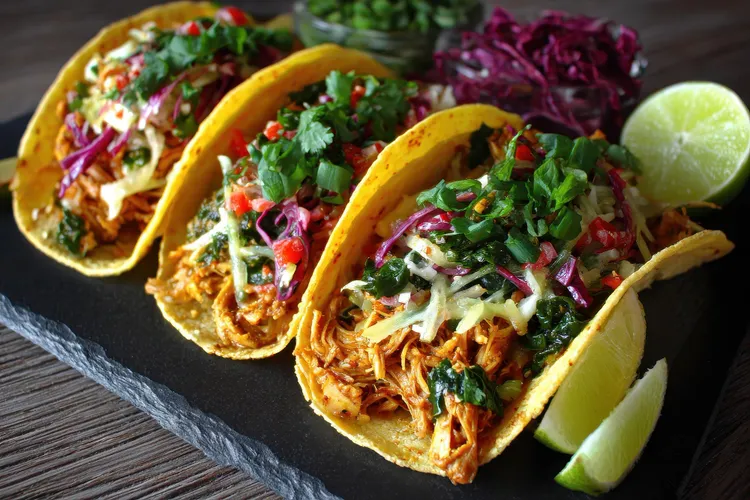
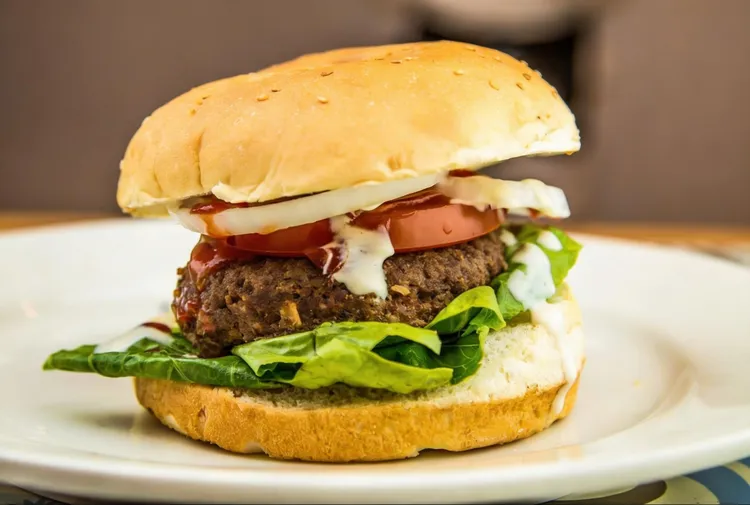
Whisk 1-2 teaspoons of chipotle paste (or finely minced chipotle peppers in adobo) into the finished mayonnaise. Smoky, slightly hot, deeply flavoured - for tacos, grilled corn, fish, and the Plant-Based Burger. See Chipotle Peppers in Adobo.
4. Herb Mayonnaise (Sauce Verte)
Blend 50g of mixed fresh herbs (parsley, chives, tarragon, basil) with 2 tablespoons of olive oil until very smooth. Fold through the finished mayonnaise. The resulting green mayonnaise is bright, herbal, and excellent on fish, cold poached chicken, and boiled new potatoes.
5. Sriracha Mayonnaise
Add 1-3 tablespoons of sriracha to the finished mayonnaise, to taste. The most straightforward variation - hot, sweet, and specifically useful for sushi, burgers, and fish tacos. The balance of sriracha's sweetness against mayonnaise's richness is one of the most consistently popular condiment combinations in contemporary cooking.
6. Lemon and Caper Mayonnaise (Tartare Sauce)
Add 2 tablespoons of finely chopped capers, 2 tablespoons of finely chopped cornichons, 1 tablespoon of chopped parsley, a teaspoon of chopped tarragon, and the zest of 1 lemon to the finished mayonnaise. The classic accompaniment for fried fish - the acid elements in the tartare cut the richness of the frying fat.
7. Wasabi Mayonnaise
Whisk ½ to 1 teaspoon of wasabi paste into the finished mayonnaise. The wasabi's sharp heat and green character make it specifically good with fish preparations - as a condiment for sushi-grade tuna, a dipping sauce for tempura, or a spread on a smoked salmon sandwich.
Storage
Homemade mayonnaise keeps in the refrigerator for 3-5 days in a sealed container. Because it contains raw egg yolk, it should be kept cold and used promptly.
A note on safety: Raw egg yolk carries a small risk of Salmonella contamination. For immunocompromised individuals, pregnant women, or young children, use pasteurised egg yolks (available in some stores, or pasteurisable at home at 60°C for 3.5 minutes).
The Emulsification Principle Beyond Mayonnaise
The same emulsification science applies to:
Vinaigrette: Oil dispersed in vinegar with mustard as the emulsifier. Less stable than mayonnaise (less lecithin, thinner viscosity) - it separates on standing but can be re-emulsified by shaking.
Hollandaise and béarnaise: Butter fat dispersed in egg yolk and acid (lemon juice or reduction). The same lecithin mechanism, applied warm. The most technically demanding emulsion in classical cooking.
Pan sauce mounting: Butter swirled into a wine reduction at the end of a pan sauce (see How to Make a Pan Sauce) - partial emulsification of butterfat into the sauce.
Understanding that all of these are the same physics applied to different ingredients makes the whole family of sauces more intuitive.
Pro Tips
- Room temperature ingredients. Cold egg yolks emulsify less effectively - the lecithin is more viscous and less mobile in cold conditions. Leave eggs at room temperature for 30 minutes before making mayonnaise.
- The slow start is the most important step. Adding oil too quickly at the beginning is the cause of virtually every broken mayonnaise. Drop by drop for the first 50-75ml - after that, the emulsion is established and a thin stream is fine.
- Adjust consistency with water. Mayonnaise made correctly is quite thick - it holds peaks when the whisk is lifted. A teaspoon of warm water whisked in at the end produces a more pourable consistency.
- The quality of the oil determines the flavour. Neutral oil produces neutral-tasting mayonnaise. Good cold-pressed rapeseed or a blend with quality olive oil produces something with character.
The Most Common Mayonnaise Failure: Cold Egg Yolks + Fast Oil These two conditions together produce broken mayonnaise almost every time. Cold yolks have less mobile lecithin; fast oil addition overwhelms whatever lecithin is present. The double fix: take the eggs out of the fridge 30 minutes early, and add the oil drop by drop for the first 75ml no matter how confident you feel. Both conditions together are insurance against breaking the emulsion.
FAQ
Q: Can I make vegan mayonnaise?
Yes - aquafaba (the liquid from a can of chickpeas) contains proteins that emulsify similarly to egg yolk. Use 3 tablespoons of aquafaba in place of the 2 egg yolks. The emulsification works; the flavour is slightly more neutral. Combine with the mustard and acid, then add oil as for the standard recipe. Stable for 3-4 days refrigerated.
Q: Can I use whole eggs instead of just yolks?
Yes - whole egg mayonnaise uses 1 whole egg instead of 2 yolks. The white adds water and protein, producing a slightly lighter, less rich emulsion. More stable than yolk-only because the higher liquid content gives more emulsification room. The flavour is slightly less rich; the texture is slightly more stable.
Q: Why does my mayonnaise taste bitter?
The oil is too assertive - specifically, extra virgin olive oil has polyphenols that taste bitter when emulsified (the bitter compounds are amplified through the emulsion process). Switch to a neutral oil, or use only 30% olive oil and 70% neutral oil for a balanced result.
🔗 Apply the Technique
- How to Make a Pan Sauce: Four Steps to Restaurant Flavour
- How to Brown Butter: The 5-Minute Flavour Upgrade
- The Art of Seasoning: Salt, Acid, Fat, and Heat
- Miso: Japan's Most Versatile Fermented Ingredient
- Chipotle Peppers in Adobo: The Tin That Changes Everything
- Knife Skills & Kitchen Techniques: The Complete Guide
Latest