Miso: Japan's Most Versatile Fermented Ingredient
The fermented soybean paste that adds depth to everything it touches - fifteen uses far beyond soup
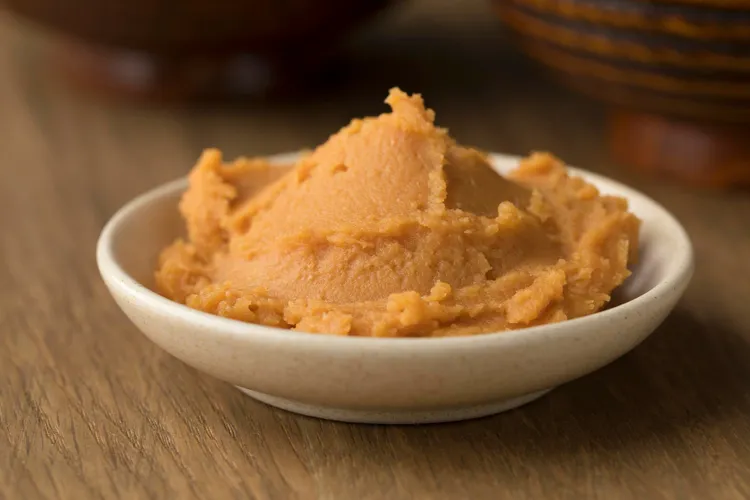
Most households that own miso use it for one thing: miso soup. They dissolve a tablespoon in hot dashi, add tofu and wakame, serve. The miso does its job. And then the tub goes back in the refrigerator, where it will sit for months between each use, slowly working through the same single application.
This is an underuse of remarkable proportions. Miso is arguably the most versatile fermented ingredient available to a home cook - not because it is exotic or technically demanding, but because its specific flavour properties (deep umami, slight sweetness, a fermented complexity that no quickly-made ingredient can replicate) improve an extraordinary range of dishes across almost every cuisine. Not just Japanese. Not just Asian. Pasta. Vinaigrette. Caramel. Roasted carrots. Beef stew. Chocolate cake.
This guide explains what miso is, how its fermentation produces the flavour properties it has, the significant differences between types, and fifteen specific applications across savoury and sweet cooking. By the end, the tub will not sit.
What Miso Is: The Fermented Foundation
Miso (味噌) is a fermented paste made from soybeans, salt, and koji - the mould Aspergillus oryzae grown on rice, barley, or other grains. The koji produces enzymes (amylases, proteases, lipases) that break down the soybeans' proteins into amino acids and their starches into sugars. These amino acids include glutamic acid - one of the primary compounds responsible for umami flavour - in extraordinary concentrations.
The fermentation period ranges from a few weeks (white miso) to several years (hatcho miso). During this time, the Maillard reaction and enzymatic browning progressively darken the paste and deepen its flavour - which is why white miso tastes mild and slightly sweet while red miso tastes deep, salty, and intensely complex.
The practical implication: Miso's flavour is the product of time and microbiology, not cooking. A tablespoon of three-year-aged red miso contains flavour complexity that no amount of cooking can replicate. This is why miso produces such a disproportionate flavour impact relative to the small quantities used.
For the complete guide to making miso from scratch - including the koji cultivation, the soybean preparation, and the fermentation stages - see Miso from Scratch: The Japanese Ferment Worth the Wait in the Fermentation collection.
The Types of Miso: What to Buy and When
Understanding the differences between miso types prevents the most common miso mistake: using the wrong type and producing a dish that is either flat (too mild) or overpowering (too strong).
Shiro Miso (White Miso) 白味噌
Fermentation: 3-8 weeks
Colour: Pale golden-beige
Flavour: Mild, slightly sweet, delicate. The gentlest miso.
Salt content: 5-7% - low relative to other types
Best for: Dressings, light sauces, dessert applications (miso caramel, miso in baked goods), any preparation where miso should be present but not dominant. The most versatile for Western cooking.
Buy this first if you are new to cooking with miso.
Shinshu Miso (Yellow Miso) 信州味噌
Fermentation: 3-6 months
Colour: Golden yellow
Flavour: Balanced - more complex than white, less aggressive than red. Slightly earthy with a clear umami note.
Salt content: 11-13%
Best for: All-purpose cooking. Miso soup, marinades, glazes, sauces. The most commonly used household miso in Japan.
Aka Miso (Red Miso) 赤味噌
Fermentation: 6-24 months
Colour: Deep reddish-brown
Flavour: Assertive, salty, deeply complex. Use in smaller quantities than white or yellow.
Salt content: 11-14%
Best for: Robust applications - braises, stews, strong marinades, rich sauces. Adding depth to dishes that have other bold flavours to stand up against it.
Mugi Miso (Barley Miso) 麦味噌
Fermentation: 3-12 months
Colour: Medium brown
Flavour: Earthy, slightly rustic, with a particular sweet-savoury quality from the barley. Less common outside Japan but excellent.
Best for: Soups, vegetable dishes, as a standalone condiment.
Hatcho Miso 八丁味噌
Fermentation: 24-36 months
Colour: Very dark brown, almost black
Flavour: The most intense miso available - extremely salty, deeply complex, slightly bitter. Used in small quantities even by experienced cooks.
Best for: Very robust applications only. A tiny amount goes a long way.
The Golden Rule: Never Boil Miso
This is the single most important instruction for cooking with miso, and the one most often ignored.
Boiling miso destroys two things: the live cultures (the beneficial bacteria that are part of miso's health value) and the volatile aromatic compounds that give miso its complex, layered flavour. Miso that has been boiled tastes flat, slightly dull, and loses much of the nuanced depth that makes it exceptional.
The correct approach: Dissolve miso in a small amount of the warm liquid from the dish you are making, whisk until smooth, then stir into the dish off the heat or at the lowest possible temperature. This approach - called "dissolving" rather than "cooking" the miso - preserves everything that makes miso worth using.
15 Applications Beyond Miso Soup
1. Miso Butter
The quickest, most broadly applicable miso recipe in the collection. Combine 2 tbsp of white or yellow miso with 100g of softened unsalted butter. Beat until completely smooth. Store in a sealed container in the refrigerator for up to 2 weeks or in the freezer for 3 months.
Use on: Grilled corn on the cob, steaks and roasted meats (placed on top immediately after cooking, it melts into the surface), baked salmon, roasted carrots, toast, any vegetable that benefits from richness and savouriness.
The miso butter applied to a hot steak or piece of salmon immediately after cooking is one of the highest-return-per-effort preparations in this collection. The butter melts and the miso's umami and saltiness penetrates the protein while the butter bastes it.
2. Miso Glaze for Fish or Vegetables
For salmon, aubergine, or mushrooms: Combine 2 tbsp white or yellow miso + 1 tbsp mirin + 1 tbsp sake (or dry sherry) + 1 tsp sesame oil. Brush onto the protein or vegetable and roast or grill.
The miso caramelises in the oven heat, developing a lacquered, sticky surface with a deep, slightly sweet-savoury flavour. This is the cooking method behind one of Japan's most famous preparations - miso-glazed black cod (gindara no saikyo-yaki), which uses white miso and sake to produce a result of extraordinary richness.
Application beyond fish: Aubergine glazed with miso and grilled (nasu dengaku) is one of the great vegetarian preparations in Japanese cooking. Mushrooms - king oyster, portobello, shiitake - take the glaze beautifully and produce a result that is meatier and more complex than any plain roasted mushroom.
3. Miso Ramen Broth
The most searched Japanese noodle broth - a miso-based tare (seasoning concentrate) that transforms a simple pork or chicken broth into something with extraordinary depth.
Quick method (20 minutes): Heat 1 litre of stock. In a separate bowl, dissolve 3 tbsp white miso + 1 tbsp red miso + 1 tbsp soy sauce + 1 tbsp mirin + 1 tsp sesame oil + 1 tsp grated ginger. Whisk into the hot (not boiling) stock. Adjust seasoning.
For the full plant-based ramen broth built on kombu-shiitake dashi, see Vegan Ramen with Miso Broth in the Plant-Based collection.
4. Miso Salad Dressing
The miso vinaigrette that replaces every bottled Asian dressing you have ever bought:
Standard miso dressing: 1 tbsp white miso + 2 tbsp rice vinegar + 1 tbsp sesame oil + 1 tbsp neutral oil + 1 tsp honey + 1 tsp grated ginger. Whisk until smooth. Keeps refrigerated for 1 week.
Use on: Shredded cabbage slaws, roasted vegetable salads, grain bowls, cucumber salads. The miso adds a rounded savouriness that makes this dressing significantly more complex than a plain vinaigrette.
5. Miso in Vegan Cheese Sauce
A tablespoon of white miso in a cashew-nutritional yeast cheese sauce adds a fermented depth that is the difference between a sauce that tastes rich but flat and one that tastes genuinely complex. See the complete application in Vegan Mac and Cheese: The Version Worth Making.
6. Miso Soup (The Correct Method)
Since most people start here - the correct technique, which produces a soup that is significantly better than miso dissolved in boiling water.
Dashi first: Miso soup is built on dashi - the foundational Japanese stock made from kombu and bonito (or kombu alone for a vegan version). Dashi takes 20 minutes and is not difficult; without it, miso soup tastes of miso dissolved in water rather than a genuinely complex soup.
The correct order:
- Make dashi: simmer kombu in cold water for 20 minutes, remove kombu just before boiling, add bonito flakes (if using), steep 5 minutes, strain.
- Heat the dashi to a gentle simmer - not a boil.
- Add toppings (silken tofu, wakame, spring onion) and warm through.
- Remove from heat. Dissolve miso (1 tbsp per 250ml of dashi) in a ladleful of the warm dashi, then stir back in.
- Serve immediately.
7. Miso-Glazed Roasted Carrots
One of the best vegetable preparations in this collection.
Toss 500g of whole baby carrots (or medium carrots cut into halves) with a glaze of 2 tbsp white miso + 1 tbsp honey + 1 tbsp olive oil + juice of ½ orange. Roast at 200°C (fan) for 25-30 minutes, turning once, until caramelised and slightly sticky. Finish with toasted sesame seeds and fresh coriander.
The miso's savoury depth against the carrot's natural sweetness and the honey's caramelisation is a combination that consistently produces the best roasted carrots at any table.
8. Miso in Pasta Sauce
One of the most surprising and most consistently excellent cross-cultural applications. A tablespoon of white or yellow miso stirred into a tomato pasta sauce, a cream pasta sauce, or a brown butter pasta at the end of cooking adds a depth and complexity that readers of this post invariably describe as the best pasta they have made.
The specific application: In a simple garlic and olive oil pasta (aglio e olio), stir 1 tbsp of white miso into the garlic oil just before adding the pasta and pasta water. The miso dissolves into the sauce and produces an umami depth that makes the simple preparation taste restaurant-quality.
Connection: This is the principle behind the miso butter gnocchi in the 20-Minute One-Pan Dinners roundup - one of the most popular quick recipes across the entire collection.
9. Miso Caramel
The most show-stopping dessert application. Miso caramel - white miso whisked into a classic caramel sauce - is simultaneously more complex and more interesting than plain caramel. The miso's slight sweetness, its saltiness, and its fermented depth produce a caramel that tastes specifically good rather than generically sweet.
Recipe: Heat 200g sugar in a dry pan over medium heat until it melts and turns amber. Remove from heat. Add 100ml of warm double cream (or full-fat coconut cream for a vegan version) carefully - it will spit. Stir until smooth. Add 1 tbsp of white miso and 30g of butter (or vegan butter). Stir until glossy.
Use on: Ice cream, brownies, tarts, cheesecake, and pancakes. Also excellent as a sauce alongside a cheese course - miso caramel and a sharp aged cheese is a combination worth exploring.
10. Miso in Bolognese and Meat Sauces
A tablespoon of red miso stirred into a bolognese, a beef ragu, or a lamb ragù in the final 10 minutes of cooking adds a concentrated, deeply savoury note that amplifies the meat's umami without tasting of Japan. This application is practically invisible in the finished dish - the miso flavour is not identifiable, but its absence would be noticeable.
The mechanism: The glutamates in aged red miso stack with the glutamates released from slowly cooked meat and tomatoes, producing an amplified umami effect that makes the whole sauce taste more intense. This is the same principle behind adding Parmesan rinds to a ragu - fermented protein amplifying the umami of the cooked protein.
11. Miso Tahini Sauce
The combination of two fermented, umami-rich, sesame-forward ingredients in one sauce. Whisk together 2 tbsp tahini + 1 tbsp white miso + juice of 1 lemon + 1 clove minced garlic + 4 tbsp cold water until smooth and pourable.
Use on: Roasted vegetables, grain bowls, falafel, steamed broccoli or cauliflower, grilled chicken or fish. The sauce has a depth that neither tahini nor miso alone achieves.
12. Miso Butter Noodles
A weeknight dinner that takes 12 minutes and tastes like a restaurant preparation. Cook 150g of soba noodles according to the packet. Drain, reserving 100ml of cooking water. In the warm pan, melt 2 tbsp miso butter (from Application 1). Add the hot noodles and a splash of cooking water. Toss until the sauce coats every noodle. Finish with spring onion, sesame seeds, and a drizzle of toasted sesame oil.
13. Miso in Chocolate Cake
White miso in chocolate cake batter - ½ tsp in a standard 20cm cake - enhances the chocolate's depth in the same way that salt enhances chocolate, but with an additional savoury complexity that salt alone doesn't provide. The miso is not detectable as a flavour in the finished cake; it makes the chocolate taste more like chocolate.
14. Miso Mayonnaise
Whisk 2 tbsp of white miso into 150ml of good-quality mayonnaise (or the aquafaba mayo from the Plant-Based Burger recipe). Add 1 tsp of rice vinegar and ½ tsp of sesame oil. The result is a dipping sauce, sandwich spread, or dressing that is significantly more complex than plain mayo.
Use as: A dipping sauce for tempura, spring rolls, or crudités; a spread on sandwiches and burgers; a dressing base for coleslaw or potato salad.
15. Miso Marinade for Chicken or Pork
The overnight marinade that transforms the flavour of any grilled protein.
Recipe: Combine 3 tbsp white or yellow miso + 2 tbsp sake (or dry sherry) + 1 tbsp mirin + 1 tbsp sesame oil + 1 tsp grated ginger + 1 tsp honey. Coat chicken thighs or pork chops completely. Refrigerate overnight (4 hours minimum). Grill, pan-fry, or roast at 200°C. The miso tenderises the protein slightly through enzymatic activity and produces caramelisation under heat that is specifically attractive.
Buying and Storing Miso
Where to buy: White and yellow miso are now available at most major supermarkets (Waitrose, Sainsbury's, M&S, Whole Foods). Red miso is more commonly found at Asian grocery stores, Japanese supermarkets (Japan Centre in the UK), and online. Hatcho miso is specialist - Japanese grocery stores or online.
Quality indicators:
- Ingredients: Soybeans, salt, and the koji base (rice, barley, or soybean). Nothing else in a quality miso. Additives (preservatives, MSG, artificial flavouring) indicate a lower-quality product.
- Colour consistency: Even colour throughout, no dry or discoloured patches.
- Smell: Pleasantly fermented - savoury, slightly sweet, complex. Not sharp, acrid, or unpleasant.
Storage: Miso keeps almost indefinitely in the refrigerator once opened. Press cling film directly onto the surface of the miso before replacing the lid - this prevents oxidation (darkening and slight flavour loss) at the surface. A tub of white miso used regularly will last 6-12 months in the fridge with no quality loss.
The surface darkening you sometimes see on refrigerated miso is oxidation, not mould. Scrape off the discoloured surface layer and the miso beneath is perfectly fine.
The Flavour Pairing Principle
Miso works well with any ingredient that shares or complements its key flavour properties:
Pairs naturally with: Sesame (both contain roasted seed notes), ginger (cuts through miso's richness), citrus (the acidity brightens the depth), honey and maple syrup (sweetness against the savoury), butter (fat carries the miso flavour), dark chocolate (amplified depth).
Works against: Very delicate flavours that the miso overwhelms. White miso in a delicate fish preparation can be used in small quantities; red miso would overpower it. Calibrate the type and quantity to the delicacy of the dish.
Pro Tips
- Start with white miso. Its mild, sweet character is the most forgiving and the most broadly applicable. Once you are comfortable with it, experiment with yellow and red.
- Measure by tablespoon, taste, and adjust. Miso strength varies by brand and type. The first time you use any new miso, start with the quantity in the recipe and taste before adding more.
- Dissolve before adding to a dish. Never add miso directly to a hot dish without dissolving it first - it clumps and distributes unevenly. A small bowl with a spoonful of the cooking liquid, whisked smooth, then added back in.
- The fermentation collection connection: If miso is your gateway to fermentation - if using it regularly makes you curious about what it actually is - the Fermentation & Gut Health at Home collection includes the complete miso-from-scratch guide and everything you need to know about fermented ingredients.
The Most Common Miso Mistake: Boiling It A pot of miso soup at a rolling boil destroys the volatile aromatic compounds that give miso its specific character and kills the live cultures that are part of its health value. Always add miso after the heat is off, or at the lowest possible temperature. The broth should be hot but not boiling when the miso goes in - and it should go directly to the table after the miso is added, not sit and reheat.
FAQ
Q: What is the difference between miso paste and miso soup sachets?
Miso soup sachets are pre-seasoned, portion-controlled packets of miso combined with dashi powder, dried wakame, and often MSG or other additives. They are convenient and produce a reasonable soup quickly. Pure miso paste - which is what this post covers - is the unblended, unmodified fermented paste that gives you control over quantity, seasoning, and application across any recipe.
Q: Can I use miso paste in place of soy sauce?
They are not direct substitutes - miso is a solid paste with different salt concentration and flavour profile from liquid soy sauce. However, both provide umami and saltiness, and in some applications (seasoning a dish, adding depth to a braise) miso dissolved in a small amount of water can achieve similar results to soy sauce. The flavour will be rounder and sweeter from the miso fermentation.
Q: Is miso gluten-free?
It depends on the koji base. Miso made with rice koji (most white and yellow miso) is naturally gluten-free. Miso made with barley koji (mugi miso) contains gluten. Check the label: "rice koji" or "kome koji" indicates a gluten-free product.
🔗 Related Ingredient Deep Dives
- Sesame Oil: The Finishing Oil That Transforms Asian Cooking
- Fish Sauce: The Fermented Condiment That Makes Everything Savourier
- Tahini: The Sesame Paste That Makes Everything Better
- Gochugaru: The Korean Chili Flakes That Are Not Like Any Other Chili
- From the Fermentation collection: Miso from Scratch: The Japanese Ferment Worth the Wait
- World Cuisines in Your Pantry: The Ingredient Deep Dives
Latest