The Art of Seasoning: Salt, Acid, Fat, and Heat
The single skill that most consistently distinguishes excellent cooks from average ones - and why it is process, not a final step
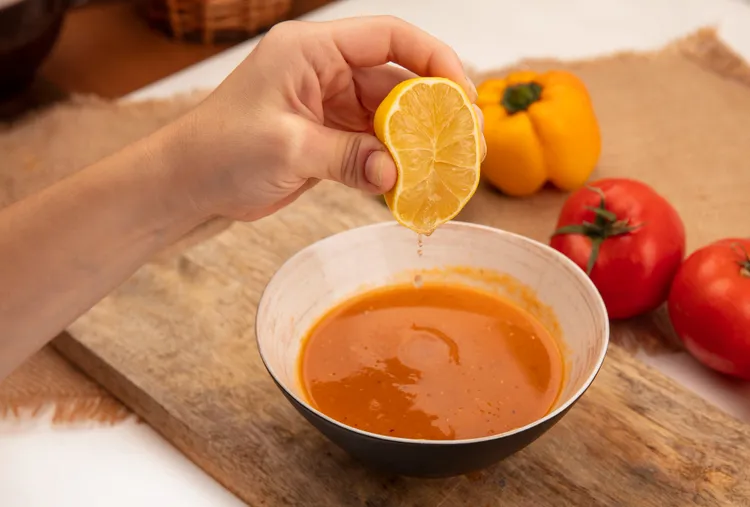
Seasoning is the most misunderstood word in cooking. Most recipe instructions treat it as a verb applied at the end - "season to taste," meaning add salt and possibly pepper before serving. This instruction is not wrong. But it is the smallest and least interesting part of seasoning.
Seasoning is everything you do to make a dish taste more like itself. It is salt added to pasta water so the pasta is seasoned from within, not just on the surface. It is acid - lemon juice or vinegar - added to a rich braise because the dish needs brightness, not more richness. It is fat - olive oil, butter, cream - added not for richness itself but because fat carries flavour compounds that water-based liquids cannot. It is heat applied to bring volatile aromatic compounds into a sauce or seasoning.
Great cooks season throughout the cooking process, at every stage, with a repertoire of tools beyond salt and pepper. The result is food that tastes complete - food where every element is in proportion and nothing is missing. The diagnostic skill that identifies what is missing is the most valuable single cooking ability available.
The Four Tools of Seasoning
Salt
Salt is not the same as saltiness. A dish with correct salt does not taste salty - it tastes of itself more intensely, because salt suppresses bitterness and enhances sweetness and complexity.
What salt does:
Suppresses bitterness: Salt blocks the bitter taste receptors on the tongue more effectively than any other flavour element. A chocolate cake that tastes slightly too bitter and not rich enough often needs salt, not more sugar. A coffee that is too bitter improves with a pinch of salt.
Enhances sweetness: By suppressing bitterness, salt allows sweetness to come forward. Salt on watermelon. Salt on caramel. Salt on grapefruit. All classic flavour combinations - not because salty and sweet contrast (though they do), but because salt makes the sweet taste sweeter by reducing the bitterness that competes with it.
Draws out moisture (osmosis): Salt applied to vegetables and meat draws water from inside the cells to the outside through osmosis. This is why salted eggplant releases liquid, why salted cucumbers weep, why a dry brine (salt rubbed onto meat and left) produces a juicier cooked result - the drawn moisture is reabsorbed along with the salt, seasoning the interior.
Develops and amplifies flavour: Salt enhances the volatility of aromatic compounds - it makes food smell and taste more intensely of itself. A soup that is correctly salted smells more intensely of its ingredients than the same soup under-seasoned.
Controls fermentation and gluten: In bread and fermented foods, salt regulates yeast activity and tightens the gluten network - both functional roles entirely separate from seasoning.
The process of salting:
Salt added at different stages of cooking does different things. Salt added to sweating onions draws moisture out and accelerates softening. Salt added to pasta water seasons the pasta from within. Salt added to meat before cooking (dry brine) penetrates the muscle fibres and seasons the interior - salt added only after cooking seasons only the surface.
The diagnostic question when food tastes flat: Before adding more salt, ask: does it taste flat because it is undersalted, or because it is missing brightness (acid) or depth (umami)? These feel similar but have different solutions.
Acid
Acid - lemon juice, vinegar, wine, yogurt, buttermilk, citrus zest - is seasoning. Not flavouring. Seasoning. A dish that tastes flat, muddy, or one-dimensional often needs acid, not more salt.
What acid does:
Brightens and sharpens: Acid raises the perception of flavour - it makes a dish taste cleaner, sharper, more distinct. A rich braise that tastes muddy and heavy brightens immediately with a splash of red wine vinegar. A heavy pasta sauce that tastes flat lifts with a squeeze of lemon.
Cuts richness: Fat and cream are heavy; acid cuts through the heaviness and creates balance. Hollandaise without lemon juice is heavy and cloying. With the correct amount of lemon, it is rich and bright simultaneously.
Balances sweetness: A sauce that is slightly too sweet improves with acid. A fruit dessert that tastes flat improves with lemon juice. Acid and sweetness are in constant dialogue - adjusting one affects the perception of the other.
Enhances colour: Acid applied to green vegetables (a drop of lemon juice in blanching water) maintains the bright green colour by preventing chlorophyll breakdown. Acid inhibits oxidation in cut fruit.
The acid repertoire:
- Lemon juice: Bright, fresh, volatile (the aroma dissipates quickly in heat - add at the end). Best for: finishing dishes, salad dressings, seafood, butter sauces.
- Lime juice: More floral and tropical than lemon. Best for: Southeast and South Asian dishes, Mexican and Caribbean preparations, cocktails.
- Red wine vinegar: Sharper, more persistent than citrus. Survives heat. Best for: warm pan sauces, vinaigrettes, braised dishes.
- White wine vinegar: Cleaner, less complex than red. Best for: pale sauces, mayonnaise and emulsified sauces, pickling.
- Sherry vinegar: Nutty, oxidised, complex. Best for: Spanish preparations, finishing soups, vinaigrettes.
- Apple cider vinegar: Fruity, mild. Best for: pork and chicken preparations, coleslaw, American-style dressings.
- Balsamic vinegar: Sweet, thick, complex. Use sparingly as a finishing element - a few drops over meat, cheese, or strawberries.
- Citrus zest: Contains volatile aromatic oils without the juice's water content - more aromatic than juice, less acidic. Best for: baking, creamy sauces where extra liquid would alter consistency.
The diagnostic question when food tastes rich but dull: Does it need salt or acid? Test by adding a small squeeze of lemon - if the dish brightens and comes into focus, it needed acid. If it was already bright but flat, it needed salt. These are different flavour problems with different solutions.
Fat
Fat carries flavour. Many flavour compounds are fat-soluble rather than water-soluble - they dissolve and disperse in fat, not in water-based cooking liquids. A dish finished with olive oil, butter, or cream carries its flavour compounds further and delivers them more completely than the same dish without.
What fat does as seasoning:
Carries aromatic compounds: The volatile aromatics in herbs, garlic, and spices are primarily fat-soluble. Blooming spices in oil (heating cumin seeds, coriander, and black pepper in hot fat before adding other ingredients) releases these fat-soluble compounds into the cooking fat, which then distributes them throughout the dish. The same spices added to a water-based liquid release their compounds far less completely.
Provides mouthfeel: Fat coats the mouth and extends the perception of flavour. A sauce with correctly mounted butter (see How to Make a Pan Sauce) lingers on the palate; the same sauce without the butter washes away quickly.
Rounds and softens: A dish that has sharp or harsh elements (very raw-tasting garlic, aggressive bitterness) often improves with fat - olive oil or butter smooths the edges of these elements.
Carries heat: Chili heat (capsaicin) and many other spice compounds are fat-soluble. Chili used in fat-based preparations is more fully expressed than in water-based ones.
The fat repertoire:
- Butter (unsalted): Rich, sweet, dairy. The universal finishing fat in European cooking. A small knob of butter stirred into a finished sauce, soup, or vegetable preparation adds richness without heaviness in the correct quantity.
- Olive oil (extra virgin): Fruity, slightly bitter, intensely aromatic. Best used raw or as a finishing element - its flavour compounds degrade at high heat. An excellent finishing element over pasta, soup, grilled fish, or salad.
- Sesame oil (toasted): The finishing oil of East Asian cooking. Added in small quantities at the end of cooking - its strong flavour intensifies with heat and must not be used for high-heat cooking.
- Cream and crème fraîche: Add richness and body. Crème fraîche is slightly acidic - it provides fat and acid simultaneously.
Heat
Heat is the fourth seasoning tool - and the least discussed. Applying heat to a dish or an ingredient transforms it.
What heat does as seasoning:
Develops complexity through the Maillard reaction: The browning of food - seared meat, caramelised onions, toasted spices - produces hundreds of new flavour compounds that the raw ingredients don't contain. This is flavour development through heat. See How to Sear Meat and How to Caramelise Onions.
Volatilises aromatics: Gentle heat releases the volatile aromatic compounds in herbs and spices without destroying them. Adding dried herbs to a hot oil before adding liquid "blooms" them - releasing their aromatic oils into the fat in a way that cold or water-based addition doesn't.
Concentrates through reduction: Boiling off water concentrates flavour. A sauce reduced by half is not the same sauce at a lower volume - it is a more concentrated, more intensely flavoured sauce with different body. Reduction is flavour development.
Caramelises sugars: Heat applied to sugar-containing ingredients (onions, carrots, tomatoes, meat) produces caramelisation - sweet, complex, slightly bitter flavour compounds. The caramelised tomato base of a long-cooked Italian sauce is a different ingredient from fresh tomato in terms of flavour.
Seasoning as a Process: The Stages
The most important shift in thinking about seasoning: it is not a step at the end of cooking. It is a process applied throughout.
Stage 1 - Before cooking:
- Dry-brine meat and fish (salt applied hours in advance penetrates and seasons from within)
- Season pasta water generously - "as salty as the sea" is the instruction; 1 tbsp salt per litre is the practice
- Salt vegetables before roasting - seasons through, not just on the surface
Stage 2 - During cooking:
- Salt sweating aromatics (onion, garlic, celery) - draws out moisture and accelerates cooking
- Add acid early in braises and slow-cooked sauces so it can integrate and mellow
- Bloom spices in hot fat before adding liquids
- Reduce sauces to concentrate seasoning already in the dish
Stage 3 - Finishing:
- Taste and adjust - this is the "season to taste" instruction
- Add fresh acid (lemon juice, vinegar) for brightness - volatile acid added at the end delivers maximum aroma
- Finish with high-quality fat (excellent olive oil, cultured butter)
- Add fresh herbs at the very end - their volatile aromatics dissipate with heat
The Diagnostic Framework: When Something Tastes Wrong
The most practical application of understanding seasoning: the ability to diagnose what is missing and fix it.
The dish tastes flat or bland: First: is it undersalted? Add a pinch of salt, stir, and taste again. If it improves dramatically: add more salt incrementally until the dish tastes of itself. If it improves slightly but still seems dull: it may need acid (lemon) or umami (soy sauce, parmesan, miso, fish sauce).
The dish tastes too salty: Cannot be directly reversed. Solutions: add more of the unsalted base ingredient, add potato or bread to absorb some salt (with varying effectiveness), balance with sweetness or acid, or dilute with more liquid.
The dish tastes rich but heavy: Needs acid. Add a small squeeze of lemon or a splash of vinegar. Taste. If it brightens: add more. If it becomes sharp: add a tiny pinch of sugar to rebalance.
The dish tastes sharp or sour: Too much acid. Balance with fat (a knob of butter, a splash of cream) or sweetness (a pinch of sugar, a splash of honey).
The dish tastes sweet but lacks depth: Needs salt and possibly umami. Salt balances sweetness; umami (parmesan, miso, fish sauce, soy) adds depth beneath the sweetness.
The dish tastes bitter: Needs salt (which suppresses bitterness) or sweetness (which balances it) or fat (which softens it). Identify which bitter element is causing the problem - over-reduced coffee, poorly cooked eggplant, excessive citrus pith - and address the source rather than only the symptom.
Salt Types and When to Use Each
| Salt | Characteristics | Best Use |
|---|---|---|
| Fine sea salt | Dissolves quickly, even flavour | General cooking, measuring, pasta water |
| Flaky sea salt (Maldon) | Light, delicate, mineral | Finishing - sprinkled at the table |
| Kosher salt | Coarser than fine sea salt, lower density | Brining, general cooking (US recipes often specify this) |
| Table salt | Fine, often iodised, strong flavour | Baking where precise measurement matters |
| Fleur de sel | Very delicate flakes, slightly moist | Premium finishing only |
The density problem: Different salt types have different densities - 1 tsp of table salt weighs approximately 6g while 1 tsp of Maldon flakes weighs approximately 3g. When seasoning by volume (teaspoons), always use the salt type specified in the recipe, or adjust by weight.
Pro Tips
- Taste before finishing. Always taste the dish before the final seasoning adjustment - the dish you started has changed significantly through cooking. The correct finishing amount of salt is determined by tasting the finished dish, not by following the recipe's instruction exactly.
- Add salt gradually. Salt is cumulative - too much cannot be removed. Add in increments: a pinch, stir, taste, another pinch if needed. This prevents over-salting and develops the habit of tasting at each addition.
- Use acid as your first diagnostic tool. When a dish tastes vaguely wrong, reach for the lemon before the salt. Acid fixes more dishes than additional salt, and the diagnosis (did it need brightening or simply more salt?) teaches you what was missing.
- Finish with excellent olive oil. A tablespoon of genuinely good olive oil drizzled over a finished pasta, soup, or grilled vegetable adds flavour complexity that cooking olive oil cannot provide - the volatile aromatic compounds in good olive oil dissipate with heat but are preserved when added cold at the end.
The Most Expensive Seasoning Mistake: Seasoning Only at the End A dish seasoned only at the end tastes of salt on the surface and blandness underneath. A dish seasoned at every stage tastes of its ingredients throughout - salt has penetrated the vegetables during sweating, the pasta has been seasoned from within, the sauce was seasoned during reduction. The difference is immediately detectable. Salt added throughout cooking does more flavour work than salt added only at the end because it integrates with the ingredients at the molecular level rather than sitting on the surface.
FAQ
Q: How much salt is too much in cooking water?
For pasta: 1 tbsp of fine sea salt per litre of water. It should taste notably salty but not unpleasant - like a mild sea breeze rather than a mouthful of seawater. The pasta absorbs some salt during cooking and releases some into the water, ending at a level well below what was added.
Q: Why does restaurant food taste better even from the same recipe?
Most likely answer: professional cooks season more confidently and more thoroughly at every stage than home cooks. They taste constantly, add salt early and often, and finish with acid and fat that home cooks sometimes skip. The difference is almost never secret ingredients - it is thorough, confident seasoning.
Q: I'm trying to reduce sodium. How do I season effectively with less salt?
Use umami-rich ingredients (parmesan, mushrooms, miso, soy sauce) - they add depth that reduces the perception of missing salt. Use more acid - acid makes food taste brighter and can partially substitute for the flavour-enhancement role of salt. Use fresh herbs and high-quality aromatics - their volatile compounds add complexity that partially compensates for reduced salt.
🔗 Apply the Technique
Latest