How to Brown Butter: The 5-Minute Upgrade That Changes Everything
The Maillard reaction applied to dairy fat - what it produces, when to stop, and twelve applications across sweet and savoury cooking
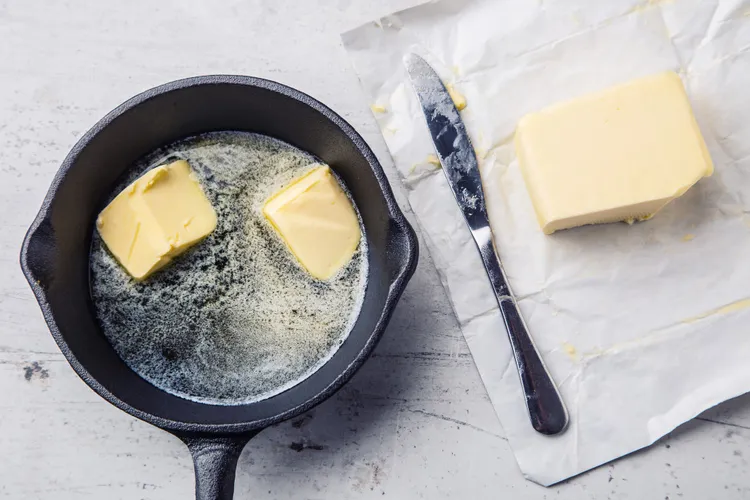
Brown butter is the upgrade that costs five minutes and returns years of better cooking. It is not a technique reserved for patisserie or restaurant kitchens. It is not a specialist application. It is a straightforward process - melt butter, continue heating until the milk solids turn golden-brown and the aroma shifts from dairy to nutty - that transforms an everyday ingredient into something with a specific, irreplaceable depth that regular butter doesn't have.
The flavour produced is complex: nutty, caramelised, slightly butterscotch-adjacent, with a warmth that sits underneath whatever else is in the dish and amplifies everything around it. In the Baking collection's Banana Bread, it adds a depth that makes readers wonder why their previous banana bread always seemed to be missing something. In the Chocolate Chip Cookie Science post, it is identified as the single biggest flavour upgrade. In pasta sauce, in scrambled eggs, drizzled over roasted vegetables or gnocchi - in every context, browned butter produces a result noticeably more complex than the same preparation made with regular melted butter.
The Science: What Brown Butter Is
Butter is approximately 80% fat, 16-18% water, and 2-4% milk solids (proteins and sugars). Regular melted butter separates these three components - the fat floats, the water evaporates, and the milk solids settle or disperse.
Brown butter is butter that has been taken further. Once the water has evaporated (the foaming stage, where water bubbles as steam), the temperature of the remaining fat rises above 100°C and the milk solids undergo the Maillard reaction - the same amino acid + reducing sugar reaction that produces the crust on seared meat and the browning of baked goods. The milk solids transform from white or pale tan to deep golden-brown, producing hundreds of new flavour compounds - specifically diacetyl and furanones, which produce the characteristic nutty, butterscotch character.
The French term is beurre noisette - "hazelnut butter" - named for the colour (golden-brown, the colour of a hazelnut) and the flavour (which does genuinely evoke roasted hazelnuts without tasting specifically of nuts).
The critical distinction: Brown butter and burnt butter differ by approximately 30 seconds at temperature. Burnt butter (beurre noir - "black butter") is bitter, acrid, and unpleasant. Brown butter is nutty, complex, and transformative. The sensory indicators - colour and smell - are the tools that distinguish them.
The Method
Makes however much butter you start with, minus the evaporated water (approximately 20% volume reduction)
Active time: 5-7 minutes
Equipment
A light-coloured saucepan or frying pan is essential for the initial stages of learning. The milk solids that brown are dark - in a dark or black pan, you cannot see the colour change until it's too late. A stainless steel pan, a light-coloured enamel pan, or a stainless steel frying pan allows you to monitor the colour precisely.
Once you've made brown butter a dozen times and understand the timing and smell, a dark pan works - but learn in a light pan.
Method
Step 1 - Start with cold or room-temperature butter: Place the butter (any quantity - the technique scales perfectly) in the pan over medium heat. Cutting the butter into cubes speeds even melting.
Step 2 - Watch the sequence:
First: melting. The butter melts, separating into clear yellow fat, white foam, and visible solids at the base.
Second: the first foam. As the water in the butter heats to 100°C, it produces vigorous foaming - the water is boiling off as steam. The foam obscures the solids and the colour. This is normal. The butter is not burning at this stage.
Third: foam subsides. As the water evaporates, the foaming reduces. The solids at the base of the pan begin to become visible. This is when to pay close attention.
Fourth: the colour change. The solids shift from pale tan to golden to amber-brown. This happens quickly - over approximately 60-90 seconds once the foam has subsided. Watch the colour of the milk solids specifically, not the colour of the clear fat above them.
Fifth: the smell shift. Simultaneously with the colour change, the aroma changes - from a dairy, cream smell to a specifically nutty, almost hazelnut smell. The smell is a more reliable indicator than the colour because it tells you what the Maillard products are producing rather than just what they look like.
Step 3 - Remove from heat immediately:
The moment the solids are golden-brown (the colour of hazelnuts or light caramel) and the smell is nutty - remove the pan from heat. The residual heat of the pan continues cooking the solids for 15-20 seconds after the heat source is removed.
Pour immediately into a heatproof bowl if you want to stop the cooking completely. The pan's residual heat is enough to take brown butter to burnt butter if the butter remains in the pan.
Step 4 - Use or store:
Use immediately in the recipe, or pour into a container and refrigerate. Brown butter solidifies in the refrigerator and behaves identically to regular butter when remelted - use it as a 1:1 replacement for regular butter in any recipe.
The Visual and Smell Guide
| Stage | Colour of Solids | Smell | Action |
|---|---|---|---|
| Melting | White | Butter/cream | Watch |
| Foaming | Obscured | Butter/cream | Wait |
| Foam subsides | Pale tan/gold | Dairy/slightly nutty | Watch carefully |
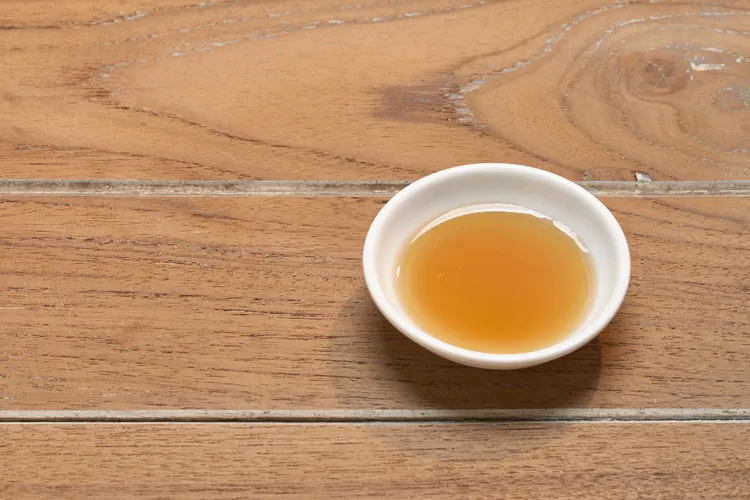
| Browning | Golden → amber | Nutty, hazelnut-like | Ready to remove |
| Perfect brown butter | Light to medium brown | Intensely nutty | Remove immediately |
| Overcooking | Dark brown | Bitter, sharp | Remove and pour into cold bowl |
| Burnt | Black | Acrid, unpleasant | Discard, start again |
Twelve Applications
Sweet Applications
1. Banana Bread The application that most clearly demonstrates brown butter's transformative effect. In the Banana Bread post, browned butter replaces melted butter - the recipe is otherwise identical. The result has a nutty caramelised depth that sits underneath and amplifies the banana flavour. Most people who eat it cannot identify what is different; they simply find it significantly more complex. The single biggest improvement to the standard banana bread recipe.
2. Chocolate Chip Cookies In the Cookie Science post, browned butter is identified as the most impactful single variable upgrade. The Maillard products in the butter add a toffee-like depth that standard melted or creamed butter doesn't produce. Works especially well with the higher brown sugar ratio in a chewy cookie recipe.
3. Brown Butter Shortbread Replace regular butter with browned butter (cooled and re-solidified) in a shortbread recipe. The result has the same crisp, crumbly texture with a significantly deeper, nuttier flavour. No other modification needed.
4. Brown Butter Financiers Financiers - the small French almond cakes - are specifically designed around browned butter. The recipe calls for beurre noisette deliberately; the nutty butter is not an upgrade but the original specification. The almond meal + browned butter combination is one of the most sophisticated flavour pairings in French patisserie.
5. Brown Butter Apple Cake See the Loaf Cakes post - the apple and cinnamon variation uses browned butter specifically. The warm, caramelised depth of the butter complements the apple and spice in a way that regular butter doesn't.
6. Brown Butter Ice Cream Brown the butter (100g), strain out the solids (or leave them in for a more intense result), cool completely. Whisk into an ice cream base (custard). The resulting ice cream has a specific, complex butterscotch character.
Savoury Applications
7. Brown Butter Pasta (Pasta al Burro) The simplest pasta application: cook pasta until al dente, brown 60g of butter in a wide pan until hazelnut-coloured, add the pasta directly from the water (with a splash of pasta water), toss to coat. Finish with Parmesan and black pepper. No sauce needed - the brown butter is the sauce. One of the fastest, most satisfying pasta preparations in this collection.
8. Brown Butter Gnocchi The classic application - gnocchi tossed in brown butter with sage leaves crisped in the same butter. The combination of the nutty butter and the camphor-like sage is one of the most harmonious in Italian cooking. Sear the gnocchi in the brown butter briefly to develop some colour on the gnocchi's surface before tossing.
9. Brown Butter Scrambled Eggs Replace regular butter with brown butter in scrambled eggs. The difference is noticeable immediately - the eggs have a depth and warmth that the standard version lacks. See Scrambled Eggs Three Ways for the full technique.
10. Brown Butter Hollandaise Classical hollandaise uses clarified butter - the solids removed, the water evaporated, pure fat. Brown butter hollandaise takes this a step further - browning the clarified butter before making the emulsion. The result has the same sauce texture with significantly more flavour depth.
11. Brown Butter Finishing Sauce for Fish Meunière - the French preparation of flour-dusted fish (sole, trout, or any delicate white fish) fried in butter until golden, then finished with more butter browned in the same pan, lemon juice, and capers. The brown butter sauce is the defining element. Quick, elegant, and produced entirely from the simplest ingredients.
12. Brown Butter Drizzled Over Roasted Vegetables Roasted cauliflower, squash, broccoli, or root vegetables finished with a tablespoon of warm brown butter instead of olive oil. The Maillard products in the butter add complexity to the already-browned vegetable surfaces - two browning reactions reinforcing each other.
Brown Butter vs. Clarified Butter vs. Ghee
Regular melted butter: All components present - fat, water, milk solids. The water and milk solids affect the cooking behaviour (lower smoke point, added flavour).
Clarified butter: Butter with the water and milk solids removed - pure butterfat. Higher smoke point than regular butter. Used for sautéing at higher temperatures. Less complex in flavour than brown butter.
Ghee: Clarified butter that has been cooked longer until the milk solids turn golden before being strained out. Similar smoke point to clarified butter. More flavour than clarified butter (from the briefly browned solids) but less than beurre noisette (because the solids are removed rather than left in). Common in Indian cooking.
Beurre noisette (brown butter): Water removed through evaporation, milk solids browned and left in the butter. Deepest, most complex flavour. Lower smoke point than clarified butter or ghee (the remaining milk solids burn at relatively low temperatures). Used as a flavouring agent rather than a cooking fat at high temperatures.
Storing Brown Butter
Brown butter stored in a sealed container in the refrigerator keeps for 3-4 weeks - longer than regular butter because the water (which carries bacteria and promotes spoilage) has been evaporated. It solidifies when cold and behaves identically to regular butter when remelted.
Making a batch: Make 250-500g of brown butter in one session, store in the refrigerator, and use as a 1:1 replacement for butter in any application. Having brown butter available means every application takes seconds rather than minutes.
Pro Tips
- Never walk away. The 90-second window between perfectly browned and burnt is unforgiving. Once the foam has subsided and the solids begin to colour, stay at the stove with the handle of the pan in your hand, ready to move it off the heat the moment the colour and smell are right.
- Cold bowl ready. Before you start browning butter, have a heatproof bowl ready to pour into immediately. The bowl stops the cooking; the pan continues it. This is especially important when first learning - pour early rather than late.
- The smell is more reliable than the colour. The smell shifts from dairy to nutty before the colour is fully apparent. If the smell is intensely nutty, the colour is right - even if the pan still shows some foam obscuring the solids.
- Include the brown bits. The dark particles at the bottom of browned butter are the Maillard-reacted milk solids - they carry the highest concentration of flavour. Always scrape them into the final preparation. Recipes that call for "strain the butter" are removing the most flavourful part; only do this when the recipe specifically requires a clear sauce (hollandaise, meunière).
Common Mistake: Leaving the Butter in the Pan Brown butter left in the pan after removal from heat continues to cook for 15-20 seconds from the pan's residual heat. In the time it takes to reach for a bowl or pour it over the food, it can cross from perfect to slightly over-browned to burnt. The moment the colour and smell are right - remove the pan from the heat and pour immediately into a bowl or directly into the dish. Don't set it aside and turn to do something else.
FAQ
Q: Can I use salted butter for brown butter?
Yes - salted brown butter works in most applications. The salt flavour is slightly more pronounced because the evaporation of water concentrates it. In sweet applications (cookies, banana bread), the additional saltiness is actually beneficial - it produces a more complex flavour. In applications where precise salt control matters (sauces, hollandaise), use unsalted.
Q: Why does my brown butter sometimes turn grainy when it cools?
This is normal and is caused by the separation of fats within the butter (different triglycerides solidify at different temperatures). Remelt and stir to re-emulsify before using. The grain does not indicate spoilage or a problem with the browned butter.
Q: Can I brown plant-based butter?
Most plant-based butters can be browned, but the results vary significantly by brand. Plant-based butters that contain proteins and sugars in their milk solid substitute (often from pea protein or coconut) will produce some Maillard browning. Others that use purely fat-based formulations will not brown in the same way. Test your specific brand - heat slowly and watch for the same sequence: foam, foam subsides, solids colour.
🔗 Apply the Technique
Latest