Matcha Miso Soup: The Japanese Warming Bowl You Need
Two of Japan's most ancient ingredients in one bowl - and the result is more than the sum of its parts
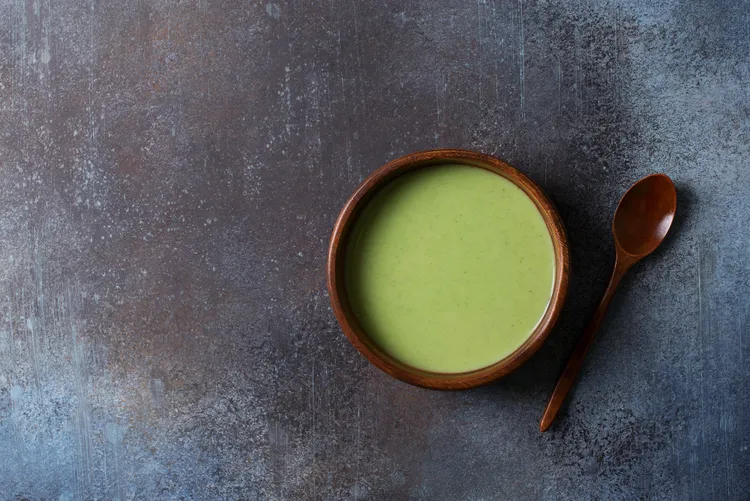
Most people encounter matcha and miso as separate things. Matcha in a latte, miso in a soup, neither crossing over into the other's territory. This is understandable - they come from different traditions, different production methods, different parts of the Japanese pantry. But they are, in a fundamental sense, made for each other.
Both are products of fermentation and time. Both are deeply umami. Both carry a complexity that simple ingredients rarely have. And in a bowl of warm dashi, stirred together in the right proportions, they produce something that tastes ancient and completely contemporary at once - a soup that is more warming, more nourishing, and more interesting than either ingredient achieves alone.
This is not fusion food. Matcha in savory contexts has a long history in Japan - matcha soba, matcha tofu, matcha-infused dashi are all documented preparations. What this recipe does is bring that logic to a format that most Western kitchens already know: miso soup, made deeper and more complex with the addition of matcha, elevated from a side dish into a bowl worth sitting down for.
It takes ten minutes. It uses pantry ingredients. It is one of the most comforting things in this collection.
📖 Grade note: This is one of the few recipes in this collection where culinary grade matcha performs as well as ceremonial. The miso and dashi are assertive - the subtleties of a high-grade ceremonial matcha are largely masked. Use a quality culinary grade without hesitation. See Matcha 101: Why Not All Green Powders Are Created Equal.
Why Matcha and Miso Belong Together
The answer is umami - the fifth taste, the savory depth that makes food more present and more satisfying without being identifiably salty or sweet or sour.
Both matcha and miso are among the most umami-rich ingredients in the Japanese pantry. Matcha is high in glutamates - the amino acids that trigger umami receptors - particularly L-theanine, which contributes to the characteristic savory sweetness that distinguishes good matcha from simple bitterness. Miso is fermented soybean paste, a living product dense with glutamates, peptides, and organic acids that develop over months or years of careful aging.
When the two are combined in a warm, dashi-based broth, the umami compounds interact in a way that amplifies both. The matcha's green tea depth softens the miso's intensity and adds a fresh, slightly vegetal note that lifts the soup. The miso's fermented richness grounds the matcha and keeps it from feeling light or insubstantial. The dashi - with its own concentrated glutamate from kombu and inosinate from bonito - adds a third umami layer that makes the whole bowl more than its components.
This is the same principle explored in Matcha & Gut Health: What the Research Actually Says - matcha's bioactive compounds working synergistically with fermented foods for benefits that neither achieves alone. In this recipe, the synergy is flavor-first. The health dimension follows naturally.
The Dashi Question
Traditional miso soup is made with dashi - a Japanese stock that is one of the fastest, simplest, and most flavorful broths in any culinary tradition. There are two main types:
Kombu dashi (vegan): Made by cold-steeping or gently warming a piece of dried kelp (kombu) in water. The kombu releases glutamates into the water, producing a clear, delicately savory broth in 30 minutes cold or 10 minutes warm. It has a clean, oceanic depth without any fishiness.
Awase dashi (traditional): Kombu plus katsuobushi (dried bonito flakes). After the kombu has steeped, bonito flakes are added and steeped briefly, adding inosinate to the glutamates from the kombu. The combined effect is a dramatically more intense, more complex broth - the dashi that underlies most traditional Japanese cooking.
For this recipe: We provide both options. The vegan kombu dashi produces a cleaner, lighter soup where the matcha character is more prominent. The awase dashi produces a more complex, more intensely savory soup where all three umami sources (dashi, miso, matcha) are equally present. Both are excellent.
The shortcut: Instant dashi granules (dashi no moto) are widely available in Asian grocery stores and many supermarkets. They produce a noticeably less nuanced broth than homemade dashi but are acceptable for weekday cooking. If using instant dashi, use slightly less than the packet suggests - instant dashi tends to be saltier than homemade.
Ingredients
Serves 2 | Ready in 10 minutes
For the Dashi (Kombu)
- 800ml cold water
- 10g dried kombu (one piece approximately 10×5cm)
OR for quick weeknight dashi:
- 800ml water
- 1 tsp dashi granules (dashi no moto)
For the Soup
- 3 tbsp white miso paste (shiro miso) - white miso is the mildest and sweetest; see the miso guide below for alternatives
- 6g culinary grade matcha (about 1.5 tsp), sifted
- 3 tbsp warm water at 65°C - slightly cooler than the standard matcha temperature, because the soup itself will be warm and you don't want to overcook the matcha
Toppings (Choose Your Version)
Classic:
- 100g silken tofu, cubed
- 2 spring onions, finely sliced on the diagonal
- 1 tsp dried wakame seaweed, rehydrated in cold water for 5 minutes
Elevated:
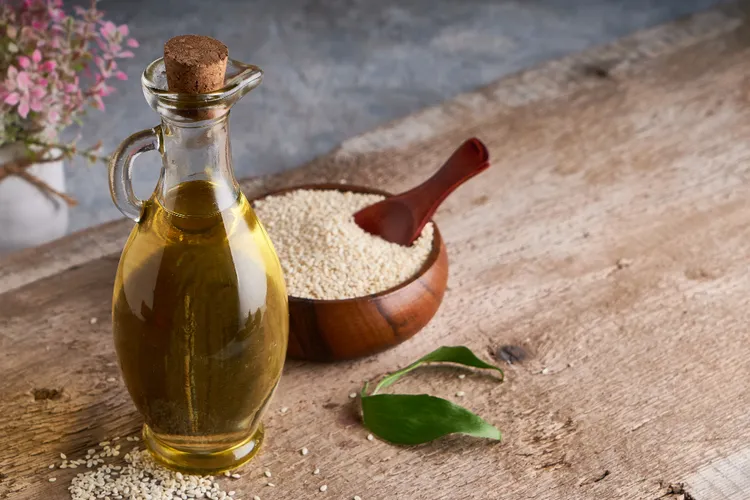
- 4 shiitake mushrooms, thinly sliced and briefly pan-fried in sesame oil
- 50g enoki mushrooms, trimmed
- 1 soft-boiled egg (6 minutes in boiling water), halved
- Drizzle of sesame oil for finishing
Substantial:
- 80g soba noodles, cooked separately
- 100g silken tofu
- 40g edamame, defrosted
- 1 sheet nori, torn
- Toasted sesame seeds
Method
Step 1: Make the Dashi
Cold steep (best flavor, 30 minutes or overnight): Place the kombu in the cold water and leave for a minimum of 30 minutes - or overnight in the fridge for a more concentrated broth. Remove the kombu before heating. Warm gently to just below a simmer (do not boil - boiling kombu releases bitter compounds).
Quick warm dashi (10 minutes): Place kombu and water in a saucepan over low-medium heat. Warm slowly until small bubbles begin to appear at the base of the pan (about 60°C). Remove the kombu before it reaches a simmer. The broth is now ready.
If adding bonito (awase dashi): After removing the kombu, bring the broth to just below a simmer, add 10g of katsuobushi (a generous handful), turn off the heat, and steep for 3 minutes. Strain through a fine mesh sieve. Use immediately.
If using dashi granules: Simply dissolve 1 tsp in 800ml of hot water. Skip all of the above.
Step 2: Make the Matcha Paste
Sift the matcha into a small bowl. Add the 3 tbsp of warm water (65°C) and whisk vigorously with a small whisk or fork until a completely smooth paste forms. The paste should be vivid green, lump-free, and slightly glossy. Set aside.
Making a paste first - rather than adding matcha powder directly to the soup - ensures even distribution without clumps. A clump of undissolved matcha in miso soup is more unpleasant than in a sweet preparation, because there is nothing to temper the concentrated bitterness.
Step 3: Combine Miso and Matcha
Ladle approximately 80ml of warm dashi into a small bowl. Add the miso paste and whisk until completely dissolved - no lumps. Add the matcha paste to the dissolved miso mixture and whisk to combine. This two-stage approach (dashi dissolves miso; miso mixture incorporates matcha) produces a completely smooth, evenly flavored soup without any risk of undissolved paste.
Step 4: Finish the Soup
Bring the remaining dashi to just below a simmer. Add any ingredients that need brief cooking (mushrooms, tofu cubes) and warm for 1-2 minutes. Pour the miso-matcha mixture into the soup and stir gently.
Critical: Do not boil the soup after adding the miso. Boiling destroys the beneficial live cultures in unpasteurised miso and significantly dulls the flavor of both the miso and the matcha. Heat gently to serving temperature - around 70-75°C - and serve immediately.
Step 5: Serve
Divide between two warmed bowls. Add any cold toppings (spring onions, wakame, sesame seeds). Finish with a tiny drizzle of sesame oil if using. Serve immediately - this soup is at its best in the first five minutes.
The Miso Guide
White, yellow, and red miso are the three most widely available varieties outside Japan. They differ primarily in fermentation time and rice-to-soybean ratio, which affects saltiness, sweetness, and depth.
| Miso Type | Fermentation | Color | Flavor | Best For |
|---|---|---|---|---|
| Shiro (white) | 5-8 weeks | Pale cream | Sweet, delicate, mildly salty | This recipe - allows matcha to shine |
| Shinshu (yellow) | 3-6 months | Golden | Balanced, slightly earthy | Good substitute; slightly richer |
| Aka (red) | 6-12+ months | Deep brown | Intense, salty, complex | Overpowers matcha; use only 2 tbsp |
| Genmai (brown rice) | Varies | Medium brown | Nutty, earthy | Interesting; pairs well with the matcha earthiness |
For this recipe: White miso is the standard choice. Its sweetness and mild saltiness allow the matcha character to remain present. If you only have red miso, reduce the quantity to 2 tbsp and expect a more assertive, earthier soup in which the matcha is a supporting note rather than a co-lead.
The Savory Matcha Principle
This soup is many people's introduction to matcha in a savory context - and it often surprises them. Matcha, which most people encounter in sweet or milky preparations, turns out to have a savory register that is deeply compatible with Japanese cooking's umami-forward foundation.
The same principle applies across a wider range of preparations worth exploring:
Matcha soba: Add 3g of culinary matcha to the water when cooking soba noodles. The noodles absorb a faint matcha character that is subtle but present - particularly good with cold soba served with a light dipping sauce.
Matcha in salad dressings: 1 tsp of matcha whisked into a sesame-soy-rice vinegar dressing produces a green, complex dressing that is unlike anything in a Western salad canon. Excellent over shredded cabbage, cucumber, and edamame.
Matcha tofu: Silken tofu mixed with a small amount of matcha and tamari, chilled and served with pickled ginger and sesame, is a dish that appears on the menus of kaiseki restaurants in Kyoto and takes about five minutes to assemble.
Matcha ramen seasoning: A small amount of culinary matcha dissolved in the seasoning oil (tare) for ramen adds an herbal, slightly bitter note that cuts through the richness of a tonkotsu broth in a way that is genuinely interesting.
The thread through all of these is the same logic as this soup: matcha's glutamates, its vegetal freshness, and its slight bitterness are not obstacles in savory cooking - they are assets that deepen and complicate food in ways that other ingredients can't replicate.
Nutritional Notes
This bowl is one of the most nutritionally complete ten-minute meals in this collection:
Matcha provides EGCG (a well-studied antioxidant polyphenol), L-theanine for calm focus, and a modest dose of caffeine (35-70mg per serving).
Miso is a fermented food - it contains live cultures (in unpasteurised versions), as well as B vitamins, manganese, copper, and zinc. For more on fermented foods and gut health, see Matcha & Gut Health: What the Research Actually Says.
Dashi from kombu provides iodine (important for thyroid function) and additional glutamates.
Silken tofu provides complete plant protein.
Wakame provides additional iodine, calcium, and folate.
Together, this bowl offers protein, fiber, antioxidants, probiotics (from unpasteurised miso), and a comprehensive range of micronutrients from the sea vegetables - in ten minutes, from a handful of pantry staples.
5 Variations
Matcha Miso Ramen Bowl
Cook a portion of ramen noodles separately. Build the miso-matcha soup base as above but increase the dashi to 600ml per person. Add the noodles, a soft-boiled egg, bamboo shoots, nori, and a swirl of chili oil. The matcha miso broth as a ramen base is deeply satisfying - richer than standard shio ramen, lighter than tonkotsu, with a green freshness that distinguishes it immediately.
Matcha Miso Soup with Roasted Vegetables
Roast cubed sweet potato, broccoli florets, or kabocha squash at 200°C until caramelised. Add to the finished soup instead of (or alongside) tofu. The sweetness of roasted vegetables against the earthy miso-matcha broth is a combination that is more hearty than the standard version and works as a light lunch rather than a side dish.
Chilled Matcha Miso Gazpacho
Make the dashi cold. Blend with white miso, matcha paste, cold cucumber, and a small amount of rice vinegar. Strain and serve cold in small glasses as a summer amuse-bouche or pre-starter. The cold temperature makes the matcha character more prominent and the soup more refreshing - entirely different from the warm version, but using the same core flavor logic.
Matcha Miso Udon
Use the miso-matcha broth as the base for a udon soup. Add thick udon noodles, spinach wilted in the broth, thinly sliced spring onions, and a piece of abura-age (fried tofu pocket) per bowl. The thick, chewy udon noodles absorb the matcha-miso broth beautifully. A deeply satisfying winter lunch.
Double Mushroom Matcha Miso
Make the dashi from dried shiitake mushrooms (steep 20g of dried shiitake in 800ml of cold water for at least 2 hours - the resulting broth is deeply earthy and intensely savory). Use this shiitake dashi in place of kombu dashi. Add fresh enoki, king oyster, and shiitake mushrooms to the finished soup. The mushroom-on-mushroom umami alongside the miso and matcha produces a soup of remarkable depth - almost broth-like in its complexity.
The Morning Ritual Note
This soup was developed partly as an alternative morning ritual for people who find matcha lattes too sweet or too cold on winter mornings. A bowl of matcha miso soup in the morning provides:
- The L-theanine and gentle caffeine of matcha for calm, focused energy
- The warmth and salt of miso for grounding and comfort
- The protein of tofu and the probiotics of fermented miso for a genuinely nourishing start
For the person who wants to build a matcha morning ritual that extends beyond drinks, this soup is the natural anchor of a savory version: soup, matcha overnight oats, and a whisked bowl of ceremonial matcha drunk while the day begins.
Pro Tips
- Never boil after adding miso. This is the most important rule in miso soup preparation. Boiling destroys the live cultures and bitters both the miso and the matcha. Gentle heat only, from the moment the miso goes in.
- Pre-dissolve everything separately. The two-stage method (dissolve miso in dashi, incorporate matcha paste into miso) takes 90 seconds and ensures complete smoothness. Adding powder directly to hot liquid produces lumps that are impossible to remove.
- Warm the bowls. Fill serving bowls with hot water for one minute before serving, then empty and pour in the soup. A warm bowl keeps the soup hotter for longer and makes the experience noticeably more pleasurable.
- The sesame oil finish. A tiny drizzle - no more than ¼ tsp per bowl - over the surface just before serving adds a nutty, aromatic note that lifts the entire soup. It should be perceptible but not identifiable. Too much turns the soup oily.
- Adjust miso last. The salt level of different miso brands varies considerably. Add the miso, taste the soup, and add more only if needed. It's easier to add than to correct over-salting.
Common Mistake: Using Boiling Water for the Matcha Paste The paste step uses water at 65°C - notably cooler than the 75°C standard for drinking matcha and dramatically cooler than boiling. This matters because the paste is added to a hot soup, and matcha exposed to excessive heat loses its vivid color and develops bitterness. 65°C water produces a paste that integrates into the soup without further heat damage. A simple rule: water that is steaming but not bubbling is about right.
FAQ
Q: Where do I find kombu, wakame, and dashi granules?
Asian grocery stores carry all three reliably and inexpensively. Most larger supermarkets now carry dashi granules in the world food aisle. Kombu and wakame are increasingly available online from Japanese food importers. If you can't find kombu, vegetable stock makes an acceptable (though less nuanced) substitute.
Q: Can I use any miso paste?
Yes, with flavor adjustments. White miso is recommended because its sweetness and delicacy allow the matcha to remain a co-lead flavor. Stronger miso types (red, brown rice) work but dominate the matcha - reduce to 2 tbsp and taste carefully before serving.
Q: Is this soup suitable as a meal rather than a side dish?
Yes - with the Substantial toppings version (soba noodles, tofu, edamame) this is a complete, filling meal. Even the Classic version is more substantial than the small cups of miso soup served as starters - two generous bowls with tofu and wakame is a light but satisfying lunch.
Q: Can I make this in advance?
The dashi can be made up to 3 days in advance and refrigerated. The matcha paste should be made fresh each time. Do not make the finished soup in advance - miso soup does not reheat well (the miso becomes bitter and the tofu texture degrades). This is a ten-minute recipe; make it fresh.
Q: My soup tastes too salty. How do I fix it?
Add more dashi to dilute. Miso brands vary significantly in saltiness - some white misos are considerably saltier than others. Next time, add the miso gradually and taste as you go rather than adding the full measured amount at once.
🔗 Continue Exploring
- Matcha & Gut Health: What the Research Actually Says
- L-Theanine: The Science Behind Matcha's Calm Energy
- Matcha for Workout Recovery: What Athletes Are Drinking
- Matcha Overnight Oats
- Warm Matcha Oat Latte with Cinnamon & Honey
- How to Whisk Matcha: The Perfect Cup Every Time
- The Matcha Tasting Guide: Color, Aroma, Texture, Flavor
- How to Host a Matcha Tasting Party
- The Beginner's Guide to Japanese Tea
- Matcha 101: Grades Explained
- The Ultimate Matcha Guide
Latest