Matcha 101: Why Not All Green Powders Are Created Equal
Ceremonial vs. Culinary Grade - Everything You Need to Know
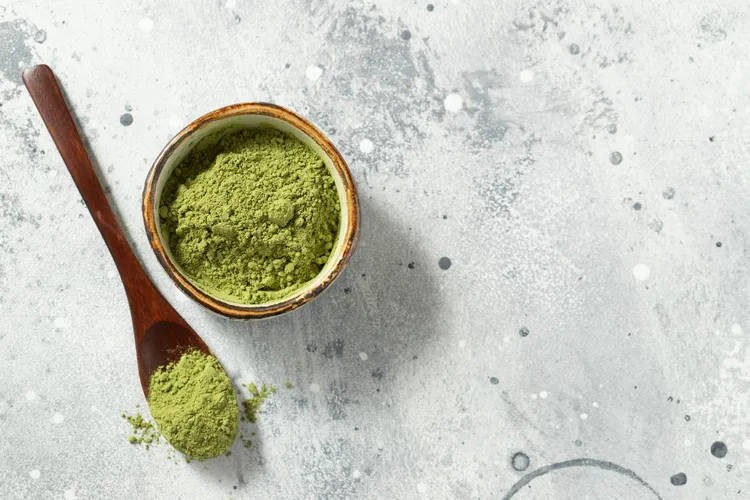
Have you ever spent $30 on a bag of matcha, followed the instructions carefully, and still ended up with a bitter, grainy cup that made you wonder what all the fuss was about? You're not alone - and it probably wasn't your technique. It was the powder.
Not all matcha is created equal. In fact, the difference between ceremonial grade and culinary grade matcha is so significant that they almost deserve to be treated as two entirely different ingredients. Understanding which one to buy - and when - will completely change how you cook, bake, and drink matcha at home.
This is your definitive guide to matcha grade explained: what separates the good from the great, how to read a label, and exactly when to splurge versus save. And if you're just starting your matcha journey, you might want to first check out The Beginner's Guide to Japanese Tea: Sencha, Gyokuro & Matcha Explained - it gives you the full picture before diving deep.
What Is Matcha, Really?
Before we get into grades, let's quickly establish what makes matcha different from every other tea. Matcha is made from shade-grown green tea leaves called tencha. About three to four weeks before harvest, the plants are covered to block direct sunlight - a process that dramatically increases chlorophyll and L-theanine production, which is why matcha has that signature vivid green color and calm, focused energy.
After harvest, the leaves are steamed, dried, and stone-ground into an ultra-fine powder. This is the part that matters: how, where, and which leaves are ground determines everything about quality. Curious about the full journey from plant to powder? Read How Matcha Is Made: A Farm-to-Cup Story for a fascinating deep dive.
The Chlorophyll Test
High-quality matcha should look almost unnaturally vibrant - a deep, electric green. If your matcha looks olive, khaki, or yellowish, it's either low quality, old, or improperly stored. Color is one of the fastest ways to assess matcha quality before you ever taste it.
Ceremonial Grade Matcha: The Gold Standard
Ceremonial grade matcha comes from the youngest, most tender leaves at the very top of the tea plant - the first flush of the season. These leaves are treated with extraordinary care: they're de-stemmed, de-veined, and stone-ground at slow speeds to prevent heat from degrading the delicate flavor compounds.
The result is a powder that is:
- Intensely green - almost fluorescent
- Incredibly fine - it should feel like silk between your fingers
- Sweet and umami-forward - with little to no bitterness
- Rich in L-theanine - the amino acid responsible for calm, focused energy
Ceremonial grade is designed to be whisked with hot water and consumed as a standalone drink - the way matcha has been enjoyed in Japanese tea ceremonies for over 800 years. When you taste a well-prepared cup of ceremonial matcha, it should feel rounded, almost creamy, with a natural sweetness that lingers.
When to Use Ceremonial Grade
- Traditional matcha tea (whisked with hot water)
- Matcha lattes where the flavor is front and center
- Any preparation where matcha is the star, not a supporting ingredient
Culinary Grade Matcha: The Workhorse
Culinary grade matcha is made from leaves harvested later in the season - often from lower on the plant, with more sun exposure. These leaves have a higher concentration of catechins (antioxidants) but also more tannins, which is what produces that sharper, more bitter taste.
Culinary matcha also tends to include ground stems and veins, and is often processed at higher speeds, resulting in a coarser texture and duller color. None of this makes it bad - it just makes it different, and perfectly suited for a specific purpose. Want to see culinary grade in action? Our 10 Best Matcha Baking Recipes will inspire you immediately.
When to Use Culinary Grade
- Matcha baked goods: cookies, cakes, muffins, brownies
- Smoothies and protein shakes (the strong flavor holds up to other ingredients)
- Savory matcha applications: pasta, sauces, or seasoning blends
- Matcha ice cream and no-bake energy balls
- Any recipe where matcha is one of several competing flavors
Here's the key insight: the bold, slightly bitter flavor of culinary matcha actually works in its favor in baking. When combined with butter, sugar, and flour, that bitterness transforms into a complex, earthy depth that ceremonial grade - with its delicate sweetness - simply can't deliver as effectively. Don't believe us? Try our Brown Butter Matcha Cookies and see for yourself.
Common Mistake 1: Using Ceremonial Grade to Bake
Pouring a $40 bag of ceremonial matcha into your cookie dough is like cooking with an expensive vintage wine - you'll lose everything that made it special. Save ceremonial grade for drinking, and keep a bag of good culinary grade on hand for everything else.
Ceremonial vs. Culinary Matcha: Side-by-Side
Here's a quick-reference breakdown of the key differences:
| Feature | Ceremonial Grade | Culinary Grade |
|---|---|---|
| Source | Shade-grown, top leaves | Lower leaves, stems |
| Color | Vivid, bright green | Dull or yellowish green |
| Taste | Sweet, umami, smooth | Bitter, astringent, grassy |
| Texture | Ultra-fine, silky | Coarser, grittier |
| Caffeine | Higher (per gram) | Lower (per gram) |
| Best For | Lattes, drinking straight | Baking, cooking, smoothies |
| Price | –– $ |
Want a deeper breakdown of how each grade performs in specific recipes? Read We Tested 6 Matcha Brands So You Don't Have To - our most popular taste-test article.
How to Read a Matcha Label (Without Being Fooled)
The matcha market is flooded with products that use vague or misleading language. Here's what to look for - and what to be skeptical of. For a full buying guide with specific brand recommendations, check out The Best Matcha Powders of 2025, Ranked.
✅ Green Flags
- Origin listed: Uji, Nishio, or Kagoshima (Japan's top matcha regions)
- Harvest date on the packaging
- "Shade-grown" specified
- "Stone-ground" mentioned
- Vivid green color visible through transparent packaging
🚩 Red Flags
- No origin listed - just "Japan" or "premium"
- Blended with other ingredients or fillers
- Unusually low price for "ceremonial" grade (under $15 for 30g is suspicious)
- Dull, olive-green color
- Packed in a clear bag (UV light degrades matcha - look for sealed, opaque packaging)
Common Mistake 2: Storing Matcha Incorrectly
Even the best matcha degrades fast once opened. Store it in an airtight, opaque container, away from heat and light - ideally in the fridge. Use it within 4-6 weeks of opening for peak flavor. Stale matcha tastes flat and bitter no matter how good it was originally. See our full Matcha Storage Guide for tips.
Does Origin Actually Matter?
In short: yes, significantly. Japan's top matcha-growing regions have centuries of expertise, specific microclimates, and traditional processing methods that haven't been replicated anywhere else at the same level of quality. For a fascinating look at the geography, read Inside Japan's Matcha Belt: Uji, Nishio & Kagoshima.
Uji, in Kyoto Prefecture, is widely considered the birthplace of matcha culture and still produces some of the world's finest ceremonial grades. Nishio, in Aichi Prefecture, accounts for a large portion of Japan's commercial matcha output and produces excellent mid-range culinary and ceremonial teas.
Matcha from China or other countries isn't inherently bad - especially for culinary applications - but the flavor profiles tend to be earthier, less nuanced, and sometimes more bitter. If you're investing in ceremonial grade, Japanese origin is non-negotiable.
Try This: A Simple Side-by-Side Test
The best way to understand the difference between grades is to experience it directly. Here's a quick home experiment - and if you want to go further, our Complete Matcha Tasting Guide walks you through evaluating color, aroma, texture, and finish like a pro.
- Prepare two small bowls - one with 1g of ceremonial grade matcha, one with 1g of culinary grade.
- Add 60ml of 80°C water to each and whisk briskly for 30 seconds. (Don't have a whisk? See The Best Matcha Tools for Home Brewing.)
- Taste each one side by side - no milk, no sweetener, nothing added.
- Now try both in our simple matcha cookie recipe and taste again.
The difference will be immediately obvious - and you'll never reach for the wrong grade again.
Frequently Asked Questions
Q: Can I use ceremonial grade matcha for baking?
Yes, but it's not recommended. Ceremonial grade is optimized for drinking - its delicate sweetness and nuance get lost when combined with strong flavors like butter, sugar, or chocolate. Save it for your matcha latte and use culinary grade for baking.
Q: Is culinary grade matcha lower quality?
"Lower quality" is misleading - it's more accurate to say it's a different quality profile, suited for a different purpose. Culinary grade has a bolder, more robust flavor that actually performs better in recipes. Think of it like the difference between a drinking olive oil and a cooking olive oil.
Q: Why does my matcha taste bitter?
Bitterness in matcha usually comes from one of three culprits: water that's too hot (keep it at 70-80°C, never boiling), too much powder, or low-quality matcha with high tannin content. Start with 1-1.5g per 70ml and adjust from there. For a full troubleshooting breakdown, read Why Does My Matcha Taste Bitter? 6 Fixes That Actually Work.
Q: How much caffeine does matcha have compared to coffee?
A standard 1g serving of matcha contains approximately 35-70mg of caffeine - roughly half a shot of espresso. However, the presence of L-theanine modulates how your body processes that caffeine, producing a calm, sustained focus rather than the spike-and-crash effect of coffee. We break this down fully in Matcha vs. Coffee: An Honest Comparison.
Q: What's the best matcha for a beginner?
For beginners who want to drink matcha, a mid-range ceremonial grade from Uji or Nishio (around $20-35 for 30g) is a great starting point. For baking, any reputable culinary grade will serve you well. See our full Matcha Brand Ranking - brands like Ippodo, Encha, and Matchaful are consistently reliable.
Q: Does matcha go bad?
Matcha doesn't "go bad" in the way that food spoils, but it does oxidize over time, losing both its flavor and its vivid green color. Unopened, it stays fresh for about 12 months. Once opened, try to use it within 4-6 weeks for the best results. Read our Matcha Storage Guide for airtight storage tips.
Matcha grade isn't just a marketing label - it's a genuine indicator of how a tea was grown, harvested, and processed, and it directly determines how it should be used. Ceremonial grade is a delicately crafted beverage ingredient. Culinary grade is a bold, versatile cooking powder. Both are valuable. Neither is a substitute for the other.
Once you understand the difference between ceremonial vs culinary matcha, you stop wasting money using the wrong grade for the wrong purpose - and you start getting consistently great results in both your cup and your kitchen.
Latest