The Beginner's Guide to Japanese Tea: Sencha, Gyokuro & Matcha Explained
Everything a curious beginner needs to understand Japan's most beloved teas - and find their perfect cup
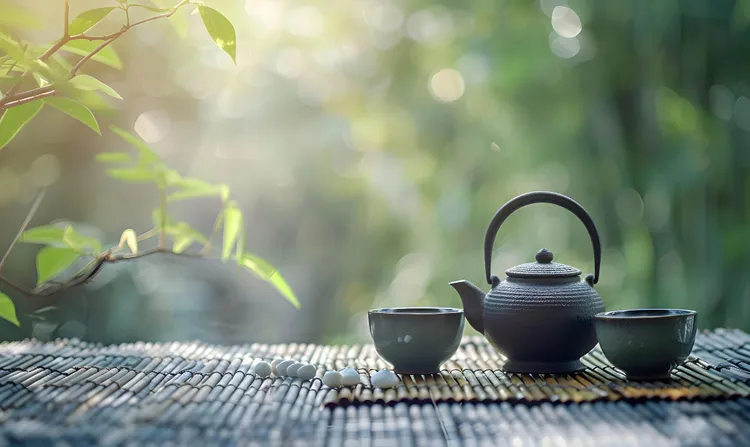
Walk into a Japanese tea shop and you'll face a wall of tins, each one beautiful, each one different. Sencha. Gyokuro. Bancha. Hojicha. Genmaicha. And then, on its own shelf, gleaming in its vivid green tin - matcha.
If you've ever stood in that aisle feeling completely overwhelmed, this guide is for you. Japanese tea has a rich, layered taxonomy that can feel intimidating at first - but once you understand the key distinctions, it all clicks into place beautifully.
This is your starting point. After reading this, every other tea article on this site - including our Ultimate Matcha Guide - will make much more sense.
Why Japanese Tea Is Different
Japanese green tea is produced almost entirely from a single cultivar of tea plant: Camellia sinensis. What differentiates one tea from another comes down to three main factors:
- How the plant is grown (sun-grown vs. shade-grown)
- When the leaves are harvested (first flush, second flush, etc.)
- How the leaves are processed after picking
Unlike Chinese green teas, which are typically pan-fired to stop oxidation, Japanese teas are almost always steamed. This steaming process is what gives Japanese tea its signature bright green color, fresh grassy aroma, and that distinctive umami sweetness.
Sencha: The Everyday Green Tea
Sencha is by far the most popular tea in Japan - accounting for roughly 70% of all tea produced in the country. If a Japanese household has one tea, it's sencha.
Sencha leaves are grown in full sun, harvested in spring (first flush) or summer (second flush), and then immediately steamed to halt oxidation. The steamed leaves are rolled, shaped, and dried - which is why sencha comes in those distinctive needle-like shapes.
What it tastes like: Fresh, grassy, slightly astringent, with a clean finish. First-flush sencha (called shincha) is particularly prized for its sweetness and brightness.
Best for: Everyday drinking, hot or cold. It's approachable, affordable, and endlessly drinkable.
Related: Matcha vs. Coffee: An Honest Comparison - curious how matcha's energy compares to your morning coffee? We break it all down.
Gyokuro: The Luxury Tea
If sencha is the everyday staple, gyokuro is the special occasion tea - one of the most prized and expensive teas in the world.
Like matcha, gyokuro is shade-grown: about three weeks before harvest, the tea plants are covered to block direct sunlight. This dramatically increases chlorophyll and L-theanine production, giving gyokuro its deep green color, intense umami flavor, and remarkably low bitterness.
The key difference between gyokuro and matcha? The leaves are processed whole - rolled and dried rather than ground into powder. You brew gyokuro as a loose-leaf tea at very low temperatures (around 50-60°C), and the result is extraordinarily concentrated, almost thick with flavor.
What it tastes like: Sweet, deeply umami, almost brothy. Rich and lingering, with virtually no bitterness when brewed correctly.
Best for: Slow, contemplative drinking. This is a tea you sit down with. It's not for rushing.
Hojicha: The Roasted Tea
Hojicha is a roasted Japanese green tea - usually made from bancha (lower-grade sencha) or stems and twigs that are roasted at high temperature. This roasting process turns the leaves brown and dramatically reduces the caffeine content.
What it tastes like: Warm, nutty, caramel-like, with a toasty finish. Completely different in character from other Japanese teas - much less grassy, much more comforting.
Best for: Evening drinking (low caffeine), children, people who find regular green tea too astringent. Also wonderful in baking and lattes - hojicha lattes have become extremely popular.
Genmaicha: The Rice Tea
Genmaicha is a blend of sencha and roasted brown rice - sometimes called "popcorn tea" because the roasted rice kernels occasionally pop during processing. It has a wonderfully nutty, earthy character.
What it tastes like: The grassiness of sencha balanced by the warm, toasty sweetness of roasted rice. Very approachable and comforting.
Best for: An easy introduction to Japanese tea for people who find plain green tea too grassy.
Matcha: The Powder That Changed Everything
And now we arrive at matcha - the tea that has transformed from ancient ceremony to global phenomenon.
Matcha shares its origin with gyokuro: it's made from shade-grown tencha leaves, grown under cover for three to four weeks before harvest. But instead of being rolled and brewed as a whole leaf, the tencha is de-stemmed, de-veined, and stone-ground into an ultra-fine powder.
This changes everything. When you drink matcha, you're consuming the entire leaf - not just an infusion. That means you get significantly more antioxidants, more L-theanine, and a much more intense, complex flavor.
What it tastes like: Sweet, umami, slightly grassy, with a creamy texture and a long finish. The best matcha has almost no bitterness. See our Complete Matcha Tasting Guide to learn how to evaluate what's in your cup.
Best for: Drinking as a whisked tea, lattes, baking, and cooking. The range of applications is enormous - but using the right grade for the right purpose is critical. Read Matcha 101: Why Not All Green Powders Are Created Equal to understand the difference between ceremonial and culinary grade.
How They Compare at a Glance
| Tea | Shade-Grown? | Caffeine | Flavor Profile | Best Use |
|---|---|---|---|---|
| Sencha | No | Medium | Grassy, fresh, slightly astringent | Everyday drinking |
| Gyokuro | Yes | High | Sweet, umami, rich | Slow, ceremonial drinking |
| Hojicha | No | Very low | Nutty, roasted, caramel | Evening, baking, lattes |
| Genmaicha | No | Low-medium | Grassy + toasty rice | Easy daily drinking |
| Matcha | Yes | Medium-high | Umami, creamy, complex | Drinking, lattes, baking |
Where to Start
If you're brand new to Japanese tea, here's a simple three-step approach:
- Start with sencha - it's affordable, forgiving, and gives you the authentic Japanese green tea experience without any fuss.
- Try hojicha - the roasted flavor is genuinely surprising and immediately lovable, especially as a latte.
- Invest in good matcha - once you understand the basics, matcha's depth and versatility will keep you exploring for years. Our Matcha 101 guide is the perfect next step, and our Best Matcha Powders of 2025, Ranked will help you find the right brand.
🔗 Continue Exploring
Latest