Warm Matcha Oat Latte with Cinnamon & Honey
The drink that makes you want to wrap both hands around the cup and not let go
There are drinks for summer and drinks for winter. Drinks for showing off and drinks for yourself. Drinks that take eight steps and drinks that take five minutes on a Tuesday morning when you're still in pyjamas and you need something warm and good before the day starts asking things of you.
This is that drink.
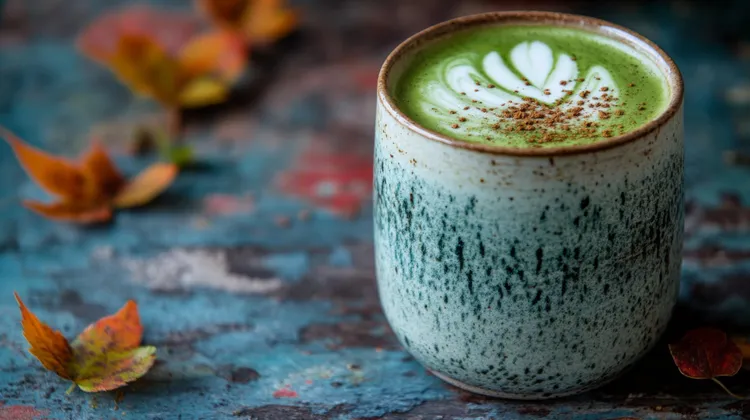
The warm matcha oat latte with cinnamon and honey is the quietest, most comforting thing we make in this kitchen - and it is also, we have come to believe, the single best introduction to matcha for someone who isn't sure they like it yet. The oat milk is creamy and naturally sweet. The cinnamon is warming without being aggressive. The honey rounds every edge. And running through all of it - present but never harsh, complex but never demanding - is the earthy, grassy depth of a good matcha.
It is the drink that made sceptics into believers. More times than we can count.
Grade matters more than you might expect here. In a warm latte, the matcha is softened by milk and sweetener - but a low-quality powder still shows itself as harsh bitterness that no amount of honey can fully smooth. A mid-grade ceremonial is the sweet spot for this recipe. See Matcha 101: Why Not All Green Powders Are Created Equal and The Best Matcha Powders of 2025, Ranked.
Why Oat Milk Is the Only Choice for This Latte
We have made this latte with every milk available to us: full-fat dairy, semi-skimmed, almond, soy, coconut, oat. The winner is not close.
Oat milk brings three things that no other option does simultaneously:
Natural sweetness. Oat milk is made from oats, which contain starches that enzymes convert to natural sugars during production. This mild, almost caramel sweetness is the ideal backdrop for matcha - it reduces how much honey you need and creates a more harmonious, less "added-sweetener" flavor.
Body and creaminess. Oat milk has a weight and creaminess that lighter milks (almond, rice) simply cannot match. It coats the tongue in a way that carries the matcha flavor slowly and fully - the same way a good olive oil carries herbs differently than a lighter oil would.
Neutral flavor. Unlike coconut milk (tropical, distinctive) or soy milk (slightly beany), oat milk has an almost invisible flavor profile that allows matcha, cinnamon, and honey to be clearly themselves. It supports without competing.
Barista oat milk - the higher-fat, slightly thicker version specifically formulated for hot drinks - is what we use for this recipe. It froths better than standard oat milk and holds its foam longer. Oatly Barista, Minor Figures, and Califia Farms Barista are all excellent.
The Cinnamon Question: How Much, What Kind, When
Cinnamon in a matcha latte is a small but consequential decision. Too much and it becomes the whole flavor, drowning the matcha entirely. Too little and it's invisible - a missed opportunity. The right amount is just detectable: a warmth in the finish, a familiar scent that makes the drink feel seasonal and considered.
How much: ¼ teaspoon added to the milk before heating. This is less than most spiced drink recipes call for - and that restraint is intentional. You want to taste the matcha first and the cinnamon on the way out.
What kind: Ceylon cinnamon (sometimes called "true cinnamon") has a lighter, sweeter, more delicate flavor than the more common Cassia cinnamon. It is the better choice here. Cassia - the dark, thick-quilled kind - is sharper, more pungent, and more likely to overpower. If you only have Cassia, reduce the amount slightly.
When: Added to the milk before heating, not sprinkled on top. This matters because heat-infused cinnamon integrates into the drink; sprinkled cinnamon sits on the foam and delivers all its flavor in the first sip rather than throughout. Both have their place - for this recipe, infusion is better.
A cinnamon stick as garnish: If you have Ceylon cinnamon sticks, resting one across the rim of the cup is genuinely beautiful and provides an aromatic element as you drink - the warmth of the cup wafts the cinnamon scent upward with each sip. This is not decoration. This is flavor delivery.
The Honey Question: Which One, How Much
Honey is not a neutral sweetener. Unlike refined sugar, which adds sweetness and nothing else, honey brings floral notes, a slight viscosity, and a subtle beeswax character that interacts with matcha's umami in ways that make the drink feel rounded and complex rather than simply sweet.
Our preference: Acacia honey - light, delicate, with a clean floral sweetness that doesn't compete with the matcha. It is also the most neutral of commonly available honeys, which makes it the most reliable across different grades of matcha.
What to avoid: Strongly flavored honeys - buckwheat, manuka, forest honey - have distinctive flavors that will compete with and alter the matcha character. They are wonderful honeys, but not for this recipe.
How much: 1-2 teaspoons, adjusted to taste. Start with one. Taste. Add more only if the drink needs it. The oat milk's natural sweetness does some of the work - you need less honey than you might expect.
When to add it: Stir the honey into the hot milk before frothing, not after. This ensures it dissolves completely. Cold or warm honey added to a finished latte doesn't fully dissolve and creates an unevenly sweet drink - sweet at the bottom where the honey settles, thin at the top.
Ingredients
Serves 1 | Ready in 5 minutes
- 2g ceremonial or mid-grade matcha (about 1.5 chashaku scoops), sifted
- 40ml water at 75°C - the matcha concentrate base
- 250ml barista oat milk
- ¼ tsp Ceylon cinnamon, plus extra for dusting
- 1-2 tsp acacia honey, to taste
- ½ tsp vanilla extract (optional - adds warmth and rounds the sweetness)
- Pinch of fine sea salt - a tiny amount, invisible but impactful
To garnish:
- Light dusting of Ceylon cinnamon over the foam
- A cinnamon stick across the rim
- A very light drizzle of honey on top of the foam
Method
Step 1: Warm the cup Pour a small amount of just-boiled water into your cup, swirl, and discard. A warm cup maintains the latte's temperature for significantly longer and is worth the five seconds it takes. Cold ceramics drop the temperature of a latte faster than most people realise.
Step 2: Make the matcha concentrate Sift matcha into a small bowl or directly into the bottom of your cup. Add 40ml of water at 75°C - use a temperature-controlled kettle, or boil water and allow to cool for 3 minutes. Whisk with a bamboo chasen or small electric frother in a brisk W-motion for 30-40 seconds until completely smooth, vivid green, and lightly foamy with no visible powder. See How to Whisk Matcha for the full technique.
The concentrate should be smooth and bright. Any grittiness means either the matcha wasn't sifted properly or the water was too cold to dissolve it fully.
Step 3: Prepare the cinnamon honey oat milk Pour oat milk into a small saucepan. Add cinnamon, honey, vanilla (if using), and the pinch of salt. Heat over medium-low heat, stirring gently, until the milk reaches approximately 65°C - steaming, with small bubbles beginning to appear at the edges, but not boiling. Boiling milk denatures proteins and damages the foam structure, producing a flat, slightly rubbery result.
Stir until the honey is fully dissolved.
Step 4: Froth Remove from heat. Using a handheld electric frother, froth the milk for 20-30 seconds until it has doubled in volume and is silky and glossy, with a generous foam. Alternatively, pour the hot milk into a French press and pump the plunger up and down 10-12 times - this produces excellent foam and requires no additional equipment.
Step 5: Combine If you made the matcha concentrate in a separate bowl, pour it into your warmed cup now. Then, holding back the foam with a spoon, pour the hot cinnamon oat milk over the matcha in a slow, steady stream. The matcha and milk will naturally swirl together - you can encourage a simple pattern with the tip of a spoon if you like, or simply let the colors blend on their own.
Spoon the remaining foam on top generously. A thick, silky foam cap is not aesthetic excess - it changes the texture of every sip, making the first contact with the drink softer and creamier than it would be without it.
Step 6: Garnish and serve immediately Dust lightly with Ceylon cinnamon through a fine sieve. Drizzle a thin thread of honey over the foam - just enough to see it, not enough to pool. Rest a cinnamon stick across the rim.
Serve immediately. This latte does not wait.
The Flavour Journey
Drink this slowly, and pay attention to what happens across the sip.
First contact: The foam - silky, lightly sweet, with the warm scent of cinnamon arriving before any flavor. This is intentional. The aroma primes the palate.
Mid-sip: The creamy oat milk with honey - rounded, warm, just slightly sweet. The matcha begins here: earthy but gentle, present but not aggressive.
Finish: The cinnamon. It arrives last, as it should - a warm, slightly spiced note that lingers pleasantly for fifteen to twenty seconds after you swallow. The matcha's umami is underneath it, extending the finish.
The next sip: Different from the first, because the layers have shifted. The matcha is more present now. The honey is rounder. The cinnamon is already familiar.
This is what a well-made warm latte does. It changes as you drink it. It rewards attention.
Pro Tips
- Never boil the milk. 65°C is the target. Beyond 70°C the milk proteins begin to break down, foam quality deteriorates, and the natural sweetness of oat milk converts to a slightly caramelised flavor that competes with the matcha rather than supporting it.
- Sift the matcha. Always. Even if you've done it a hundred times. Unsifted matcha clumps in the concentrate and those clumps never fully dissolve, creating bitter pockets in the finished latte. A fine mesh sieve takes four seconds.
- The salt is not optional. A pinch of fine sea salt in the milk - too small to taste as salty - amplifies sweetness, enhances creaminess, and makes every other flavor more present. This is kitchen science, not folklore.
- Make the concentrate first, milk second. If you heat the milk first, it cools while you make the concentrate. Reversed, everything arrives at the same temperature and stays hot longer.
- Warm your spoon before stirring the honey into the milk. A warm spoon dissolves honey faster - particularly useful with thicker raw honeys.
Common Mistake: Too Much Cinnamon The most frequent version of this latte that doesn't work is one where the cinnamon has completely taken over - where you taste spice first and matcha barely at all. Start with ¼ tsp and taste the milk before frothing. If the cinnamon is dominant in the milk, it will be overwhelming in the finished latte. You want warmth, not a chai.
Variations
Matcha Chai Latte
Lean into the spice concept fully: add not just cinnamon but ¼ tsp ground cardamom, a pinch of ground ginger, and a pinch of ground clove to the milk. This becomes something close to a matcha-chai hybrid - warmer, more complex, more aromatic. The matcha character shifts from grassy to something more resinous and deep in the context of the spices. Excellent in late autumn and winter.
Iced Cinnamon Honey Matcha
Make the matcha concentrate as normal. Combine oat milk, cinnamon, and honey in a jar and shake vigorously until the honey dissolves. Fill a glass with ice, pour the spiced oat milk over, then pour the matcha concentrate over the back of a spoon on top. The cinnamon in a cold latte is subtler but still present - a warmth that sits pleasantly against the cold. See Iced Matcha Season for layering technique.
Brown Butter Honey Matcha Latte
Brown 1 tsp of unsalted butter in a small pan until golden and nutty. Let cool for 2 minutes. Add to the oat milk along with the honey and cinnamon before heating. The brown butter adds a deeply nutty, slightly caramelised richness that echoes the technique behind our Brown Butter Matcha Cookies and Matcha Financiers. It sounds unusual. It is extraordinary.
Matcha Golden Latte Hybrid
Add ¼ tsp ground turmeric and a pinch of black pepper to the milk alongside the cinnamon and honey. The result bridges the matcha latte and the golden milk traditions - bright, warming, anti-inflammatory in intent and in flavor. The black pepper activates turmeric's curcumin absorption. The matcha brings everything it always brings. This is the drink we make when we feel a cold coming.
Coconut Cinnamon Matcha Latte
Replace oat milk with full-fat coconut milk from a can (the thick kind, not carton coconut drink). The coconut adds a sweetness and richness that is very different from oat milk - more tropical, more indulgent, almost dessert-like. Add a pinch of cardamom alongside the cinnamon for a latte that feels like a warm version of a Thai iced tea. Best served in a glass so the color is visible.
Oat Milk Matcha Cinnamon Dolce
Make a simple cinnamon syrup (equal parts sugar and water, simmered with a cinnamon stick for 10 minutes, cooled). Replace the honey with 2 tsp of this syrup. Add a dot of vanilla paste. The result is a more dessert-like, café-style latte - inspired by cinnamon dolce espresso drinks but built on matcha instead of coffee. For an occasional treat rather than a daily drink, but genuinely excellent.
Pairing Suggestions
The warm matcha oat latte with cinnamon and honey belongs alongside certain foods more than others. Here's what works:
Perfectly: Matcha Overnight Oats made the night before - a complete, beautiful, five-minute autumn breakfast. The cinnamon in the oats and the cinnamon in the latte create a harmonious thread through the meal.
Elegantly: Matcha Shortbread - the buttery simplicity of the biscuit against the spiced, creamy latte is one of the great simple pairings in this collection.
Luxuriously: Matcha White Chocolate Truffles alongside the latte for a weekend treat that feels genuinely considered.
Heartilyy: Matcha Banana Bread - the warm spice notes in the bread echo the cinnamon in the latte, and the banana sweetness works with the honey. The full autumn kitchen in one pairing.
The Ritual
The best thing about a five-minute drink is not that it is fast. It is that five minutes is long enough to be intentional.
While the milk heats, you have a moment. While you whisk, you have a moment. While the foam settles, you have a moment. In a morning that might otherwise move from alarm to inbox without any space in between, these small pauses accumulate into something worth having - a few minutes of warmth and attention before the day claims you.
This is what Japanese tea culture has always understood: that the preparation of a drink is part of the drink itself. That how you make something shapes how it feels to have it.
Make this latte slowly. Even if you have time to make it in three minutes, take five. Warm the cup. Sift the matcha. Watch the milk foam. The morning is better for it.
FAQ
Q: Can I make this without a frother?
Yes. Pour the hot spiced oat milk into a sealed jar and shake vigorously for 20-30 seconds. The foam won't be quite as silky as an electric frother produces, but it is more than adequate - and the arm workout is a bonus. A French press (pumped 10-12 times) produces excellent results and is what we recommend if you make lattes regularly.
Q: Why does my foam collapse immediately?
Either the milk was too hot (above 70°C) or you used a low-fat oat milk rather than barista formula. High-heat milk loses foam stability quickly. Low-fat milks don't have enough fat to create stable foam. Use barista oat milk at 65°C for foam that holds for several minutes.
Q: Can I use maple syrup instead of honey?
Yes - maple syrup works well and is the better choice if you're making a strictly vegan version. It has a slightly smokier, more caramel-adjacent sweetness than honey. Use the same amount. Agave syrup also works but has a slightly thinner, more neutral character - less interesting than either honey or maple.
Q: Is there a caffeine-free version?
Replace the matcha entirely with a mix of 1 tsp ceremonial-grade culinary hojicha powder (very low caffeine, roasted and warming) and ½ tsp of matcha for color. Or use pure hojicha powder - the roasted, caramel depth of hojicha with cinnamon and honey is an extraordinary combination in its own right, and completely caffeine-friendly for evening drinking.
Q: How do I make this for two people without halving everything?
Simply double every ingredient and split the finished latte between two cups before adding foam. The only adjustment: heat 400ml of oat milk in a slightly larger pan and froth in two batches for the best foam quality. The concentrate can be doubled in the same bowl - add 4g matcha and 80ml of 75°C water and whisk a little longer.
🔗 Continue Exploring
- The Perfect Matcha Latte - the classic foundation
- Matcha Rose Latte: The Most Beautiful Drink You'll Ever Make
- How to Whisk Matcha: The Perfect Cup Every Time
- Matcha Overnight Oats - the morning pairing
- Matcha Banana Bread - autumn baking alongside
- Brown Butter Matcha Cookies
- Matcha Shortbread
- Iced Matcha Season: Your Complete Cold Drink Guide
- Cold Brew Matcha: How to Make It Perfectly at Home
- The History of the Japanese Tea Ceremony
- Why Does My Matcha Taste Bitter?
- Matcha 101: Grades Explained
- The Ultimate Matcha Guide
Latest