Matcha for Workout Recovery: What Athletes Are Drinking
The science behind why serious athletes are adding matcha to their training stack - and how to use it
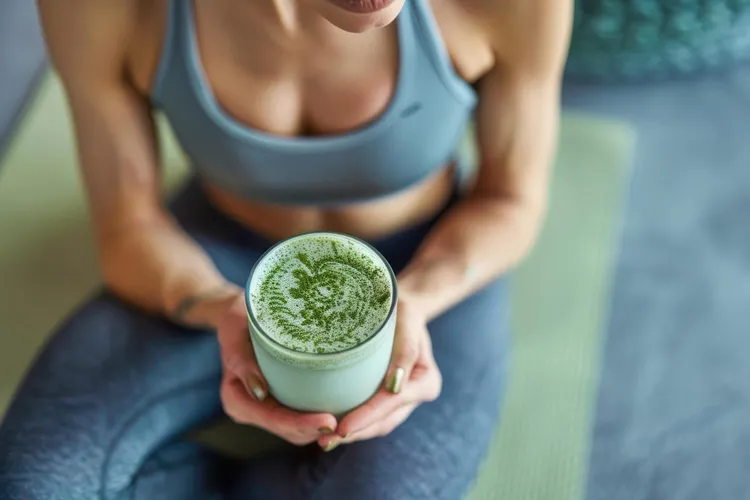
Walk into any high-performance training facility in Tokyo, London, or New York right now and there's a reasonable chance you'll find matcha somewhere in the nutrition setup. Not as a wellness trend. Not as an aesthetic choice. As a deliberate, evidence-informed recovery tool used by athletes who care deeply about what goes into their bodies and why.
The shift has been quiet but consistent. Endurance runners, strength athletes, cyclists, and team sport players are adding matcha to their training routines - before workouts, after workouts, and in the recovery windows in between. The reasons are specific, science-backed, and worth understanding in detail.
This is not a post about matcha being a magical performance enhancer. It isn't. This is a post about what matcha genuinely does at the cellular level during exercise and recovery - and how to use it strategically to get the most from both your training and your green tea.
Foundation reading: Before the science, understand what makes matcha uniquely different from other green teas. How Matcha Is Made: A Farm-to-Cup Story explains why the whole-leaf powder format matters for the compounds we're about to discuss. And L-Theanine: The Science Behind Matcha's Calm Energy covers the amino acid that makes matcha's energy profile so different from caffeine alone.
What Exercise Actually Does to Your Body
To understand why matcha helps with recovery, you need to understand what exercise does to your body first - specifically at the molecular level.
Oxidative stress: During intense exercise, your body's oxygen consumption increases dramatically. This produces reactive oxygen species (ROS) - free radicals that damage cell membranes, proteins, and DNA. Moderate oxidative stress is actually part of the training adaptation signal. Excessive oxidative stress, however, impairs recovery, increases muscle damage, and delays performance restoration.
Inflammation: Exercise causes micro-damage to muscle tissue - this is the mechanism behind hypertrophy (muscle growth). The inflammatory response that follows is essential for repair. But excessive, prolonged inflammation delays recovery, increases soreness, and can contribute to overtraining syndrome if not managed.
Glycogen depletion: During sustained exercise, your muscles burn through stored glycogen (glucose). Restoring glycogen is one of the primary goals of post-workout nutrition.
Cortisol elevation: Intense exercise raises cortisol - your primary stress hormone. Sustained elevated cortisol impairs muscle protein synthesis, disrupts sleep, and interferes with immune function.
Matcha addresses several of these mechanisms simultaneously - not completely, not dramatically, but meaningfully and cumulatively over consistent use.
What the Research Shows: Five Recovery Mechanisms
1. EGCG as an Antioxidant: Fighting Oxidative Stress
Matcha is one of the richest dietary sources of EGCG (epigallocatechin gallate) - a catechin polyphenol with exceptionally potent antioxidant activity. Because you consume the whole leaf rather than a brewed infusion, a single serving of matcha delivers substantially more EGCG than regular green tea.
Multiple studies have examined EGCG's role in exercise-induced oxidative stress. A landmark study published in the Journal of Nutritional Science and Vitaminology found that green tea extract supplementation significantly reduced markers of oxidative damage in athletes after endurance exercise. A 2021 review in Antioxidants concluded that green tea catechins reduce exercise-induced oxidative stress across a range of exercise modalities.
The practical implication: Matcha consumed in the hours before and after training helps neutralize the ROS generated during intense exercise, reducing cell damage and supporting faster recovery of muscle function.
Important nuance: There is ongoing debate in sports science about whether aggressive antioxidant supplementation might blunt the training adaptation signal - since some ROS activity is necessary for adaptation. The research specifically on EGCG from whole-food sources (rather than isolated high-dose supplements) suggests this concern is less relevant at normal dietary intake levels. Drinking matcha is different from taking concentrated antioxidant supplements.
2. Anti-Inflammatory Properties: Managing Muscle Damage
EGCG has been shown to inhibit NF-κB - one of the primary signalling molecules that triggers inflammatory responses in the body. This doesn't mean matcha is anti-inflammatory in the way that an NSAID is anti-inflammatory. It means it modulates the inflammatory response - helping bring it back to baseline faster without completely suppressing it.
In the context of exercise, research has found that regular green tea catechin consumption is associated with:
- Reduced creatine kinase levels after exercise (a marker of muscle damage)
- Lower ratings of perceived muscle soreness in the 24-72 hours post-exercise
- Faster restoration of muscle function after eccentric exercise (the type most associated with delayed-onset muscle soreness - DOMS)
A 2017 study in Nutrients found that participants consuming green tea extract experienced significantly less perceived soreness and faster recovery of strength after resistance training compared to placebo.
The practical implication: Athletes who train on consecutive days - runners, cyclists, CrossFit athletes, team sport players - may experience reduced carryover soreness and faster restoration of full training capacity.
3. L-Theanine and Cortisol: The Stress Hormone Effect
This is the mechanism that separates matcha from other antioxidant-rich foods and from caffeine-based pre-workouts.
L-theanine - present in matcha in significantly higher concentrations than brewed green tea - has been shown to reduce cortisol levels and attenuate the stress response. After intense exercise, cortisol elevation is one of the primary factors that impairs muscle protein synthesis and delays recovery. The faster cortisol returns to baseline, the faster the anabolic recovery window opens.
L-theanine also modulates the neurological aftermath of hard training - the overstimulated, mentally fatigued state that can interfere with sleep quality, which is when the majority of physical recovery actually occurs.
Research published in the Asia Pacific Journal of Clinical Nutrition found that L-theanine significantly reduced both subjective stress measures and salivary cortisol markers. Athletes who have difficulty winding down after evening training sessions often report that matcha - consumed in the hour after training - helps them transition to the parasympathetic state needed for quality sleep and recovery.
The practical implication: Post-workout matcha is not just about the physical - it helps manage the neurological and hormonal aftereffects of training that determine how well you actually recover overnight.
4. Caffeine-L-Theanine Synergy: Clean Pre-Workout Energy
Before we get to recovery, let's address the pre-workout angle - because for many athletes, matcha is replacing or complementing their pre-workout supplement.
A standard pre-workout supplement relies primarily on high-dose caffeine (200–400mg) plus various other compounds of variable evidence quality. The caffeine delivers alertness and performance benefits but comes with the downsides of jitteriness, elevated heart rate, and a significant post-session crash.
Matcha delivers a lower, cleaner caffeine dose (35-70mg per 1.5-2g serving) alongside L-theanine, which blunts the anxiety-producing effects of caffeine while preserving and extending its focus-promoting effects. The result is sustained alertness, better concentration during technical training, and no post-workout crash that interferes with recovery.
Research consistently shows that the caffeine-L-theanine combination outperforms caffeine alone for several measures of cognitive and physical performance - including reaction time, accuracy on complex tasks, and sustained attention. For athletes in sports that demand focus alongside physical output (tennis, team sports, technical lifting), this combination is particularly valuable.
What this means in practice: Matcha 30-45 minutes before training provides usable energy without the crash, and the L-theanine's extended half-life means it's still working for you in the post-workout recovery window.
5. Hydration and Electrolyte Balance
This one is simpler but important. Hydration is foundational to recovery - and many athletes, despite knowing this, arrive at workouts under-hydrated and leave them significantly dehydrated.
Matcha is a pleasant, flavored way to increase fluid intake before, during, and after training. It does not have diuretic effects at the concentrations consumed in a standard serving (despite the persistent myth that tea causes dehydration - this applies only at very high caffeine doses, well above what matcha delivers).
The Matcha Coconut Cold Brew variation - cold brew matcha steeped in coconut water - is particularly useful post-workout, combining matcha's antioxidant and L-theanine effects with coconut water's natural electrolytes (potassium, sodium, magnesium) for a genuinely functional recovery drink.
When to Use Matcha in Your Training
Timing matters. Here's how to integrate matcha strategically around your workouts:
Pre-Workout (30-60 Minutes Before)
Goal: Clean energy, mental focus, antioxidant priming Best form: Classic iced matcha latte or cold brew matcha straight Dose: 2g matcha (standard serving) Notes: Avoid drinking on an empty stomach if you're prone to GI sensitivity - matcha's tannins can cause nausea during high-intensity exercise. A small meal or snack beforehand is better.
The pre-workout matcha is particularly effective for endurance sessions, technical skill work, and morning training when you need to transition from sleep inertia to alert performance quickly. The L-theanine prevents the cortisol spike that high-dose caffeine pre-workouts cause - which is counterproductive for recovery even before the session begins.
Intra-Workout (During Longer Sessions)
Goal: Sustained focus, continued antioxidant activity, hydration Best form: Cold brew matcha in a water bottle, diluted with water (1:3 concentrate to water ratio) Dose: Half serving (1g matcha equivalent) Notes: Best for sessions over 90 minutes - strength training and short cardio sessions don't require intra-workout matcha. Endurance athletes doing long runs, rides, or swims may find it useful as a mid-session focus and antioxidant top-up.
Post-Workout (Within 60 Minutes)
Goal: Anti-inflammatory recovery, cortisol reduction, antioxidant replenishment, transition to recovery state Best form: Matcha latte with oat milk, matcha coconut cold brew, or matcha overnight oats with protein Dose: 2g matcha, combined with carbohydrates and protein for glycogen restoration and muscle protein synthesis Notes: The post-workout window is the most evidence-supported time for matcha. Combine with a carbohydrate source (oats, banana, rice) and protein (yogurt, milk, protein powder) for complete recovery nutrition. Matcha alone is not sufficient post-workout nutrition.
The Matcha Protein Power overnight oats variation - made with protein powder, banana, and peanut butter - is specifically designed as a post-workout meal that addresses all three primary recovery nutrition goals simultaneously.
Evening Recovery (1-2 Hours Before Sleep)
Goal: Cortisol reduction, L-theanine's sleep quality support, overnight recovery optimization Best form: A small bowl of whisked ceremonial matcha or a very light matcha latte Dose: 1g matcha (half serving - reduce caffeine for evening use) Notes: Some athletes are too sensitive to caffeine for evening matcha. Know your own response. If caffeine affects your sleep even at low doses, switch to hojicha for evening recovery - it has almost no caffeine and still contains some L-theanine.
The Recovery Stack: Matcha + Food
Matcha doesn't work in isolation. Here's how to build it into a complete recovery nutrition approach:
Immediate Post-Workout (0-30 minutes)
Priority: Fast carbohydrates + protein + matcha
- Matcha smoothie bowl with banana, mango, and Greek yogurt
- Matcha overnight oats with protein powder
- Matcha blended with banana, oat milk, and a scoop of vanilla protein
1-3 Hours Post-Workout
Priority: Complete meal + continued antioxidant intake
- A full meal with complex carbohydrates, lean protein, and vegetables
- Matcha latte alongside the meal
Pre-Sleep Recovery
Priority: Slow-digesting protein + L-theanine
- Greek yogurt or cottage cheese
- Matcha green tea at reduced dose, or hojicha
Matcha vs. Common Sports Recovery Supplements
| Matcha | Tart Cherry Juice | Beetroot Juice | BCAA Supplements | |
|---|---|---|---|---|
| Anti-inflammatory | ✅ EGCG | ✅ Anthocyanins | ✅ Nitrates | ❌ Limited evidence |
| Antioxidant | ✅ Very high | ✅ High | ✅ Moderate | ❌ Not primary role |
| Focus/Energy | ✅ Caffeine + L-theanine | ❌ No | ❌ No | ❌ No |
| Cortisol reduction | ✅ L-theanine | ❌ Limited | ❌ No | ❌ No |
| Electrolytes | ❌ Minimal | ❌ No | ✅ Some | ❌ No |
| Evidence quality | ✅ Good | ✅ Good | ✅ Strong | ⚠️ Mixed |
| Cost | $$ | $$ | $$ | $$$ |
| Taste | ✅ Excellent | ✅ Good | ⚠️ Acquired | ⚠️ Often poor |
Matcha is not a replacement for a complete recovery nutrition strategy. It is a highly functional, evidence-supported addition to one - with the added advantage that it is genuinely delicious, which matters for consistency.
Practical Recovery Recipes for Athletes
Fast Post-Workout Matcha Recovery Shake
Ready in 3 minutes
- 2g matcha whisked with 30ml warm water
- 250ml oat milk or dairy milk
- 1 ripe banana
- 1 scoop vanilla protein powder
- 1 tbsp almond butter
- Handful of ice
- Blend 30 seconds. Drink immediately.
Matcha Coconut Recovery Drink
Electrolytes + antioxidants
- 2g matcha cold-brewed in 200ml coconut water (2-4 hours)
- Pour over ice, squeeze of lime
- Optional: pinch of sea salt for additional sodium
Matcha Anti-Inflammatory Morning Bowl
Complete recovery breakfast
- Matcha overnight oats base made with oat milk and Greek yogurt
- Topped with fresh blueberries (additional anthocyanins), walnuts (omega-3), banana, and a drizzle of honey
- Alongside: one iced matcha latte
Who Should Be Most Interested in Matcha for Recovery
Endurance athletes (runners, cyclists, swimmers, triathletes): The combination of antioxidant support for high training volumes, caffeine-L-theanine energy for long sessions, and cortisol modulation for back-to-back training days makes matcha particularly valuable.
Strength and power athletes (weightlifters, CrossFit, team sports): The anti-inflammatory and muscle damage reduction effects are most relevant here. DOMS management between training sessions is where the evidence is strongest.
Athletes who train twice daily: The cortisol management and recovery acceleration effects are most impactful when the recovery window between sessions is short.
Athletes with caffeine sensitivity: The L-theanine in matcha modulates caffeine's stimulant effects, making it accessible to athletes who find straight coffee or high-dose pre-workouts cause anxiety, elevated heart rate, or sleep disruption.
Masters athletes (40+): Older athletes tend to accumulate oxidative stress and inflammation more readily and recover more slowly. The evidence on polyphenol supplementation for older athletes is consistently more favorable than for younger athletes.
The Honest Caveats
Matcha is not a performance-enhancing drug. It will not make you faster, stronger, or fitter on its own. It will not replace sleep, progressive training, adequate total calorie intake, or the other fundamentals of athletic performance.
What it will do, consistently used over weeks and months, is modestly support the biological processes that translate hard training into adaptation. Reduced oxidative damage. Modulated inflammation. Better cortisol management. Slightly better sleep. Marginally faster recovery between sessions.
In competitive sport, marginal gains accumulate. In recreational fitness, they make training more sustainable, more comfortable, and more enjoyable. Either way, they're worth having - especially when the delivery mechanism is a drink you genuinely love.
FAQ
Q: How much matcha should athletes consume daily?
Most recovery-focused research has used the equivalent of 2-4 cups of green tea daily, which translates to approximately 2-4g of matcha. One to two standard matcha servings (1.5-2g each) per day is a practical, evidence-consistent target.
Q: Should I take matcha before or after a workout?
Both have different benefits. Pre-workout: energy, focus, antioxidant priming. Post-workout: anti-inflammatory recovery, cortisol reduction. If you can only have one, post-workout is slightly more supported by the recovery literature. If you train in the morning, pre-workout matcha often serves both purposes.
Q: Does matcha interfere with iron absorption?
Yes - EGCG can inhibit non-heme iron absorption when consumed with or immediately after iron-rich meals. Avoid matcha within 1 hour of an iron-rich meal if you're monitoring iron status (particularly relevant for female endurance athletes). Having matcha between meals, or with vitamin C-rich foods that enhance iron absorption, mitigates this effect.
Q: Is matcha safe during heavy training blocks?
Yes, at normal dietary intake levels (1-3 servings per day). Concerns about antioxidant supplementation blunting training adaptation are more relevant to high-dose isolated supplements. Whole-food matcha at dietary intake levels appears safe and beneficial even during heavy training.
Q: Can matcha replace my pre-workout supplement?
For many athletes, yes - particularly those who are caffeine-sensitive or who find high-dose pre-workouts cause anxiety, GI issues, or sleep disruption. Matcha provides a cleaner, more sustained energy profile. For athletes who require very high caffeine doses for performance, matcha can be a complement rather than a replacement.
🔗 Continue Exploring
- L-Theanine: The Science Behind Matcha's Calm Energy
- Matcha & Gut Health: What the Research Actually Says
- Matcha vs. Coffee: An Honest Comparison
- Cold Brew Matcha: How to Make It Perfectly at Home
- The Perfect Matcha Latte
- Matcha Overnight Oats
- Matcha Smoothie Bowl
- How to Whisk Matcha
- The Beginner's Guide to Japanese Tea
- Matcha 101: Grades Explained
- The Ultimate Matcha Guide
Latest