L-Theanine: The Science Behind Matcha's Calm Energy
Why matcha makes you focused without making you anxious - and the fascinating amino acid responsible
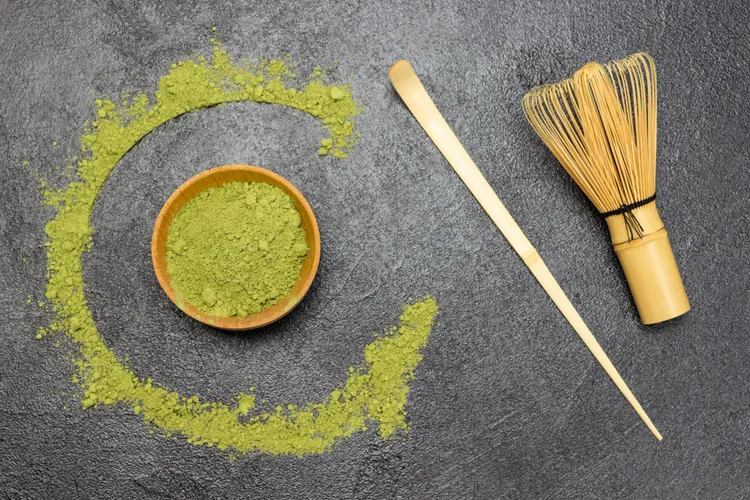
You've probably noticed it. You drink matcha and something feels... different. Not the jittery, heart-racing rush of an espresso. Not the foggy alertness that fades into a crash. Something calmer. More sustained. Almost meditative.
That feeling has a name: it's the L-theanine effect. And understanding it changes how you think about matcha entirely.
New to matcha? Start with The Beginner's Guide to Japanese Tea or Matcha 101 before diving into the science.
What Is L-Theanine?
L-theanine (technically L-γ-glutamylethylamide) is a naturally occurring amino acid found almost exclusively in tea plants - and in particularly high concentrations in shade-grown teas like matcha and gyokuro.
It was first isolated from gyokuro tea leaves by Japanese scientists in 1949. Since then, it's been the subject of hundreds of research studies examining its effects on the brain, mood, and cognitive function.
Here's what makes it remarkable: L-theanine crosses the blood-brain barrier. It directly influences brain activity in ways that are measurable, reproducible, and genuinely significant.
What L-Theanine Does in Your Brain
It Promotes Alpha Brain Waves
One of L-theanine's most well-documented effects is promoting the production of alpha brain waves - the neural oscillations associated with a state of calm, alert focus. Alpha waves are what your brain produces during meditation, creative work, and deep concentration. They're associated with reduced anxiety and improved attentional focus.
In studies using EEG monitoring, participants who consumed L-theanine showed significant increases in alpha wave activity within 30–45 minutes - without any accompanying drowsiness.
It Modulates Key Neurotransmitters
L-theanine influences several neurotransmitter systems simultaneously:
- Increases GABA - the brain's primary inhibitory neurotransmitter, associated with relaxation and reduced anxiety
- Increases serotonin and dopamine - neurotransmitters linked to mood, motivation, and wellbeing
- Reduces glutamate activity - which can contribute to overstimulation and anxiety
The net effect is a brain chemistry that's simultaneously calmer and more focused - which sounds paradoxical but is precisely what the research (and millions of matcha drinkers) consistently report.
The Magic Combination: L-Theanine + Caffeine
Here's where it gets really interesting. L-theanine and caffeine don't just coexist in matcha - they interact synergistically in ways that neither compound produces alone.
Caffeine is a stimulant that works by blocking adenosine receptors - the receptors responsible for signalling tiredness. This produces alertness and energy, but it also tends to activate the fight-or-flight response, which is why coffee can cause jitteriness, elevated heart rate, and anxiety in sensitive individuals.
L-theanine counteracts several of caffeine's less desirable effects without reducing its cognitive benefits:
- It reduces the cardiovascular stimulation caused by caffeine
- It attenuates caffeine-induced anxiety and jitteriness
- It extends the duration of caffeine's focus-promoting effects
- It prevents the sharp crash that often follows a caffeine peak
Multiple controlled studies have found that the L-theanine + caffeine combination produces better cognitive performance than either compound alone - including improvements in attention, working memory, and reaction time.
This is why matcha's energy is so distinctly different from coffee's. It's not just less caffeine - it's a fundamentally different neurochemical experience. We explore this further in Matcha vs. Coffee: An Honest Comparison.
How Much L-Theanine Is in Matcha?
L-theanine content varies significantly depending on the grade and growing conditions of the matcha. Because matcha is shade-grown, it contains substantially more L-theanine than sun-grown green teas.
Approximate L-theanine content per gram of matcha:
- Ceremonial grade: 10-15mg per gram
- Culinary grade: 5-10mg per gram
- Brewed green tea (sencha): 3-5mg per 200ml serving (much less concentrated)
A typical 1.5–2g serving of ceremonial matcha therefore delivers approximately 15-30mg of L-theanine - a clinically meaningful dose based on the research literature.
This is one of the many reasons why grade matters so much - ceremonial grade isn't just about taste. It also delivers significantly more of the compounds that make matcha's energy feel the way it does.
Why Shade-Growing Matters for L-Theanine
When a tea plant is shaded from direct sunlight, it produces more L-theanine as part of its stress response. Sunlight triggers the conversion of L-theanine into catechins (the bitter antioxidants) - so by blocking sunlight, farmers effectively preserve more L-theanine in the leaves.
This is the same process that makes gyokuro so smooth and umami-rich - and it's why L-theanine is both a flavor compound (contributing to sweetness and umami) and a functional compound (contributing to calm focus).
If you've ever wondered why shade-grown matcha tastes smoother and less bitter than cheaper alternatives, L-theanine is a significant part of the answer. Read How Matcha Is Made for the full story of how shading affects the entire leaf.
L-Theanine and Sleep
One question that comes up often: does matcha affect sleep if you drink it in the afternoon?
The answer depends on the individual and the timing. While L-theanine itself is actually associated with improved sleep quality - it's used as a standalone supplement for this purpose - the caffeine in matcha obviously has the opposite effect in sensitive individuals.
The general guidance: if you're caffeine-sensitive, avoid matcha after 2pm. The caffeine will outlast the L-theanine's calming effects in most people. If you're less sensitive to caffeine, afternoon matcha is generally fine.
For evening consumption without caffeine, try hojicha - a roasted tea with negligible caffeine that retains some L-theanine.
The Honest Summary
L-theanine is real, it's well-studied, and it does what matcha drinkers describe. It's not hype. The calm, focused, almost meditative energy that good matcha produces is a direct result of L-theanine interacting with caffeine in a way that no other common beverage replicates.
Understanding this also helps you make better choices about how and when you drink matcha - and why investing in higher-grade matcha with more L-theanine genuinely changes the experience. See our Best Matcha Powders of 2025, Ranked for recommendations that maximise both quality and L-theanine content.
🔗 Continue Exploring
Latest