How to Host a Matcha Tasting Party: A Step-by-Step Guide
Everything you need - from the invitation to the last bowl - to make it genuinely unforgettable
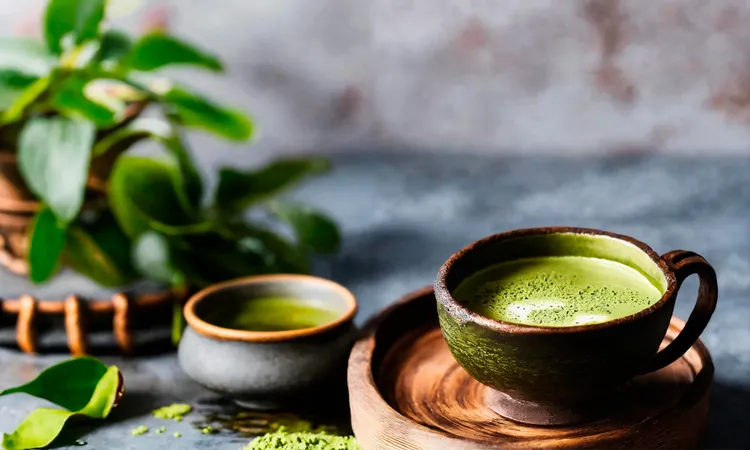
There are dinner parties, and then there are experiences. A dinner party is a meal shared. An experience is something people talk about for months afterward - the evening that introduced them to something they hadn't known before, that changed how they think about a drink they've had a hundred times.
A matcha tasting party is an experience.
The premise is simple: you invite a small group, you prepare four to six matcha samples in sequence, and you guide your guests through tasting them with the same intentionality a sommelier brings to wine. The differences between a culinary grade powder from a big commercial brand and a first-harvest ceremonial grade from Uji are not subtle once you know what to look for. People who leave this evening will never look at a tin of matcha the same way again.
This guide gives you everything: the invitation, the setup, the order of tasting, the food pairings, the conversation prompts, and the exact equipment and powders to assemble. Host this once and it will become an annual tradition.
Essential pre-reading: To guide your guests well, you need to know the material. Read Matcha 101: Why Not All Green Powders Are Created Equal, The Matcha Tasting Guide, Inside Japan's Matcha Belt: Uji, Nishio & Kagoshima, and The History of the Japanese Tea Ceremony before you host. One evening of reading transforms you from someone who likes matcha into someone who can talk about it with genuine depth.
Who Is This For?
A matcha tasting party works beautifully for:
- A small group of curious friends (6-10 people is the ideal range - intimate enough for conversation, large enough to generate energy)
- A special occasion - a birthday, an anniversary, a celebration that you want to feel considered and personal rather than generic
- A date - perhaps the most thoughtful, most original at-home date activity we know. It is interactive, educational, intimate, and genuinely memorable.
- A corporate or team gathering - matcha tasting has none of the inclusivity challenges of a wine or spirits tasting (it's non-alcoholic) and generates genuine engagement from people who expected another corporate drinks event
What it is not: A highly formal affair requiring years of tea knowledge. The host needs to know their material - which this guide provides - but guests need nothing except curiosity and willingness to pay attention.
Part One: The Setup
Choosing Your Matcha Samples
This is the most important decision you'll make. The ideal tasting sequence tells a story - it takes guests on a journey from accessible to extraordinary, from what they probably already know to what they will want to seek out for themselves.
The Recommended Tasting Flight: 4-6 Samples
| Position | Grade | Origin | What It Demonstrates |
|---|---|---|---|
| 1 | Culinary grade, commercial brand | Various | The baseline - what most people know |
| 2 | Premium culinary / entry ceremonial | Kagoshima or Nishio | The step-up - noticeable improvement |
| 3 | Mid-grade ceremonial | Uji or Nishio | Where complexity begins |
| 4 | High-grade ceremonial | Uji first harvest | Peak everyday excellence |
| 5 (optional) | Single-estate ceremonial | Named Uji farm | Terroir and specificity |
| 6 (optional) | Aged or competition grade | Specialist source | The extraordinary outlier |
For a first tasting party: Samples 1-4 tell a complete and compelling story without overwhelming. Six samples is for experienced hosts or guests with genuine tea interest.
For specific product recommendations at each grade level, see The Best Matcha Powders of 2025, Ranked. The brands comparison and blind taste test in Matcha Brand Comparison: We Tried 6 Side by Side is essential reading for building your flight.
Equipment List
Per guest:
- 1 chawan (matcha bowl) or a wide-mouthed ceramic cup - ideally different from person to person; mismatched bowls are part of the aesthetic and generate conversation
- 1 small chasen (bamboo whisk) - or have guests share if budget is a constraint; an electric frother can supplement
- 1 chashaku (bamboo scoop) - for measuring
- 1 small ceramic saucer or plate for resting the chasen between samples
- 1 tasting sheet (template below) - for notes and scoring
- 1 glass of still, room-temperature water - for palate cleansing between samples
- A few small pieces of unflavored crackers or plain rice crackers - for more thorough palate cleansing
For the host:
- 1 large electric kettle with temperature control - 75°C for each sample
- Fine mesh sifter - matcha must be sifted for each sample; unsifted matcha produces an unrepresentative result
- Small kitchen scale - for consistent 1.5-2g portions (trust the scale over the scoop; scoop volumes vary)
- Timer - for consistent whisking duration between samples
- Labels - small folded cards identifying each sample by number only (do the reveal at the end)
- A chakin (small cloth) or clean linen napkin for each guest to wipe their bowl between samples
For a full guide to tools and where to buy them, see The Best Matcha Tools for Home Brewing.
The Space
The table: Low tables are traditional in Japanese tea ceremony, but a dining table works perfectly. What matters more is that everyone can see each other - conversation is essential to tasting.
Lighting: Soft, warm lighting rather than overhead fluorescents. The color of matcha is one of its most important tasting attributes - you need enough light to see clearly, but harsh light flattens color. Candlelight plus a table lamp is ideal.
Flowers: A small seasonal arrangement - a few stems, nothing elaborate. In spring, cherry blossom or tulips. In autumn, chrysanthemum. The Japanese concept of mono no aware - the poignant beauty of transient things - is woven into tea culture, and a small flower arrangement nods to this without requiring explanation.
Sound: A quiet ambient playlist - traditional Japanese koto music is the obvious choice and genuinely sets the mood. For a more modern aesthetic, consider Japanese jazz (Hiromi, Ryo Fukui) or ambient instrumental music that creates atmosphere without demanding attention.
The matcha samples: Keep them covered and numbered - small tins with folded paper labels (1, 2, 3, 4) placed behind the table so guests can't read the brands or grades until the reveal. The blind element creates genuine surprise and occasionally humbling results (people often like the lower-grade samples more than they expect).
Part Two: The Tasting Sheet
Give each guest a tasting sheet to guide their observations. Here is a template you can print or write by hand on good card stock:
Matcha Tasting Evening Date: ________ | Host: ________
Sample 1 (reveal later: ________ )
| Notes | |
|---|---|
| 🎨 Color | (vivid / bright / dull / grey-green / yellow) |
| 👃 Aroma | (grassy / vegetal / sweet / roasted / oceanic / floral) |
| 🌊 Texture | (silky / gritty / thin / creamy / foamy) |
| 👅 Flavor | (sweet / bitter / umami / astringent / earthy / bright) |
| ⏱️ Finish | (short / medium / long / pleasant / harsh) |
| ⭐ Score | /10 |
| 💬 One word |
(Repeat for samples 2, 3, 4, 5, 6)
After the reveal:
- Which sample surprised you most?
- Which would you buy for daily drinking?
- Which would you save for a special occasion?
- Did your score change after knowing the grade and price?
The "one word" line at the bottom of each sample is the most valuable. Ask guests to write it before any discussion - pure first impression, uninfluenced by the group. Comparing these at the end of the evening generates some of the best conversation.
Part Three: The Order of the Evening
Welcome (15 minutes)
Greet guests with a small glass of room-temperature still water. As they settle, share a brief - three minutes maximum - introduction to what you're going to do and why it matters.
A few things worth saying:
- Matcha is not a new wellness trend. It has been part of Japanese culture for over 800 years, and the variation in quality between grades is as significant as the variation between a supermarket wine and a grand cru.
- Tonight, you'll taste samples blind - you won't know the grade or brand until after you've scored. This matters, because price and expectation significantly influence how we taste things.
- There are no wrong answers. You might genuinely prefer the cheap sample. That's useful information about your own palate, not a failing.
- The goal is not expertise - it's attention. Pay attention to what you actually experience, not what you think you're supposed to experience.
Distribute the tasting sheets and explain the scoring criteria briefly. Then begin.
The Tasting: Sample by Sample (60-75 minutes)
Prepare each sample in sequence. For consistency - which is what makes the comparison meaningful - use identical conditions for every sample:
Standard tasting preparation:
- 1.5-2g of matcha, sifted
- 60-70ml of water at exactly 75°C
- Whisked for 30 seconds with consistent W-motion until smooth and foamy
- Served immediately
Between each sample, guests should:
- Drink a few sips of still water
- Eat a plain rice cracker if they want a more thorough palate reset
- Write their notes and score on the tasting sheet
- Briefly share - one or two sentences - their most striking observation
Do not reveal grades between samples. The reveal comes after all samples have been tasted.
Conversation to prompt between samples (pick one or two per sample, don't overwhelm):
- "What's the first word that came to mind?"
- "What does the color remind you of?"
- "Does the finish - what lingers after you swallow - feel pleasant or harsh?"
- "If this matcha had a personality, what would it be?"
- "Do you want more, or are you satisfied?"
The last question is often the most revealing. A great matcha makes you want to keep drinking. A mediocre one satisfies the desire for a sip but doesn't create any longing for another.
The Reveal (20 minutes)
After all samples have been tasted and scored, reveal the grades, origins, and approximate prices of each sample in order.
This is the moment the evening has been building toward, and it reliably generates the most animated conversation of the night. People are surprised - sometimes by how much they liked a lower-grade sample, sometimes by how clearly they preferred the expensive one, sometimes by how they were unable to distinguish between two samples they expected to be clearly different.
Discuss:
- Who scored each sample highest? Who scored it lowest?
- Did price match preference? (Often not, and that's interesting.)
- What does it mean that you preferred sample 2 over sample 4, despite sample 4 costing three times as much?
- For daily drinking - cost and quality considered together - which represents the best value?
For context on why prices vary so dramatically between grades and origins, see Inside Japan's Matcha Belt and How Matcha Is Made: A Farm-to-Cup Story. Having read these in advance lets you answer questions about shading, harvest timing, and stone grinding with genuine authority.
The Ceremony Sample (Optional, 20 minutes)
For hosts who want to go deeper: after the blind tasting, prepare one final bowl using the highest-grade sample with full ceremonial intention. Slow down completely. Sift the matcha carefully. Heat the water precisely. Whisk with full attention. Present the bowl turned so the most beautiful side faces the recipient.
This is not theater. This is an invitation to experience what the Japanese tea ceremony has always been about: a moment of complete presence, between two people, around a bowl of tea. Even guests who arrived expecting a fun tasting evening often find this final bowl genuinely moving.
Part Four: The Food
Food served at a matcha tasting serves two functions: palate cleansing between samples, and celebration after the tasting concludes. Keep the tasting food minimal and neutral. Let the celebration food be generous and delicious.
During the Tasting
- Plain rice crackers (senbei) - neutral, absorptive, traditional
- Slices of plain mochi - very lightly sweet, traditional pairing with matcha in Japan
- Small squares of high-quality dark chocolate (70%+) - if you want to be slightly unconventional; the bitter chocolate resets the palate effectively
Avoid anything strongly flavored, acidic, spiced, or dairy-heavy during the tasting - these alter the palate significantly and undermine the comparison.
After the Tasting
This is when you bring out the kitchen's best work. The contrast between the restrained tasting and the generous celebration food creates a rhythm that makes both feel better.
A full matcha celebration spread:
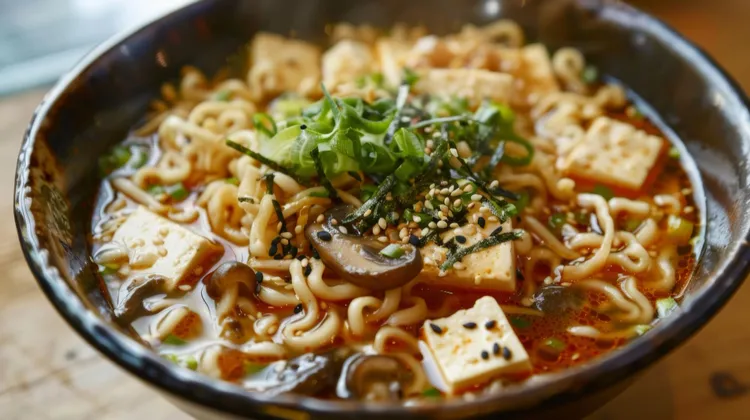
Savory to start: Small bowls of miso soup with tofu and wakame - the umami of the miso echoes matcha's savory depth beautifully.
Sweet main event (choose 2-3):
- Matcha White Chocolate Truffles - the most elegant homemade option, and they can be made 2 days in advance
- Matcha Shortbread - simple, beautiful, and lets the matcha character speak clearly
- Matcha Financiers - the most impressive option if you want to demonstrate what matcha can do in a sophisticated bake
- Matcha and Sesame Cookies - for guests who want to explore the classic Japanese flavor pairing
- Matcha Mochi Brownies - for something genuinely surprising and conversation-starting
To drink alongside: A light, sparkling continuation of the matcha theme - Sparkling Matcha Lemonade in a pitcher, or Matcha Rose Latte for individual servings.
Part Five: The Invitation and Framing
The Invitation
The way you invite people sets expectations. An invitation that says "come over for drinks" produces a different evening than one that says "come for a matcha tasting - we're going to try four different grades side by side and I'll tell you everything I've learned about why they taste so different."
Write the invitation specifically. Tell people:
- What they're coming for (a guided matcha tasting)
- Roughly how long it will take (2-2.5 hours)
- That no knowledge is needed - just curiosity
- What you'll be eating (mention the food - it signals this is a celebration, not just a lecture)
People who know what they're coming for arrive ready to engage rather than arriving to be surprised. The tasting works better when guests have prepared themselves mentally for an hour of careful attention.
Conversation Starters for Guests Who Aren't Tea People
Not everyone who comes will be a matcha enthusiast. Here are questions that create genuine conversation regardless of prior knowledge:
- "What drink do you have every morning, and why?" (Gets people thinking about ritual and habit - the context in which matcha lives)
- "What's the most surprising thing you've ever learned about a food or drink you thought you knew?" (Primes people for the grade-reveal surprise)
- "Do you think expensive ingredients are usually better? Does price change how things taste?" (Sets up the psychological dimension of the blind tasting)
- "Have you ever been to Japan? If so - what did you eat or drink that you've never found anywhere else?" (Often produces remarkable stories, and connects matcha to lived experience)
Part Six: The Host's Cheat Sheet
The most stressful part of hosting any event is the fear of not knowing enough. Here is a condensed reference covering the questions guests are most likely to ask:
"Why does matcha taste so different from regular green tea?" Because you're consuming the whole leaf as powder rather than an infusion. You get every compound - more caffeine, more L-theanine, more antioxidants, more chlorophyll, more flavor - than water can extract from a teabag.
"Why is good matcha so expensive?" The shading process (covering plants for 3-4 weeks before harvest to force chlorophyll and L-theanine production), the hand-harvesting of only the finest top leaves, the slow stone grinding (30g per hour per stone), and the very short premium harvest season. See How Matcha Is Made.
"What's the best matcha for daily drinking?" A good mid-grade ceremonial - our recommendations at every price point are here. The sweet spot is a powder that's significantly better than culinary grade but not so expensive that you hesitate to use it generously every day.
"Why does my matcha at home taste bitter?" Usually water temperature (too hot), not enough whisking, or powder that's stale or been stored incorrectly. Full diagnostic in Why Does My Matcha Taste Bitter? and Matcha Storage Guide.
"Where does the best matcha come from?" Uji, in Kyoto Prefecture, is the historic and prestige origin. Nishio in Aichi and Kagoshima in southern Kyushu are also significant producers with distinctive character. Full regional guide in Inside Japan's Matcha Belt.
Practical Timeline: The Week Before
7 days before:
- Order matcha samples - allow time for delivery. See Best Matcha Powders, Ranked for sources.
- Bake and freeze anything that can be made ahead (truffles, shortbread - both freeze well)
3 days before:
- Print or write tasting sheets
- Plan the food menu in full
- Make truffles if not already done (they improve with 2 days of fridge time)
1 day before:
- Make shortbread or financiers
- Prepare the honey-lemon base for sparkling lemonade if serving
- Read the host's cheat sheet one more time
Day of:
- Arrange the table: bowls, chasens, water glasses, tasting sheets, labels, flowers
- Pre-sift each matcha sample into small labelled bowls for speed during the tasting
- Prepare the celebration food in the afternoon
- Fill the kettle to temperature 15 minutes before guests arrive
- Put the playlist on. Light the candles. You're ready.
After the Evening: What to Send Guests Home With
The gesture that makes a matcha tasting party truly memorable is what guests leave with:
A small gift tin of your favourite sample - the one they ranked highest, or the one you want them to have at home. A small label with the name, grade, and your recommended preparation method.
A printed recipe card - one of: Sparkling Matcha Lemonade, Matcha Shortbread, or Matcha Overnight Oats. Something simple enough that they'll actually make it the following week.
The tasting sheet - let them keep their notes. These become surprisingly meaningful over time, especially if they later try the same samples again and compare how their palate has developed.
FAQ
Q: How many guests is ideal?
Six to eight is ideal. Four is intimate and lovely. Ten is the maximum before the logistics of preparing individual bowls becomes unwieldy and the conversation becomes harder to hold together. Beyond ten, split into two groups.
Q: Do guests need their own chasen?
Ideally yes - sharing a chasen between samples means residual flavor from the previous sample affects the next. If budget is a constraint, rinse chasens very thoroughly between samples with 75°C water and allow to drain. For guests without their own, an electric frother is a perfectly practical substitute.
Q: Can I use a matcha latte format instead of straight whisked matcha?
Yes, but with a caveat: milk significantly reduces your ability to perceive differences between grades, particularly the subtler sweetness and umami of higher-grade ceremonials. The tasting makes more sense done with water-only preparations. You can always finish with a matcha latte after the formal tasting as part of the celebration.
Q: What if guests don't like straight matcha?
This happens, especially with guests who've only ever had matcha lattes. Two strategies: reduce the matcha dose slightly for the first sample (1g instead of 1.5g) to make the entry point gentler, and have honey available so guests can add a small amount if needed. The goal is for people to perceive and compare flavors - if a tiny amount of honey makes that possible for someone who'd otherwise be distracted by bitterness, use it.
Q: Is there a non-alcoholic equivalent of a wine tasting party that follows the same structure?
This is almost exactly that - blind tasting, flight structure, reveal and scoring, celebration food. The main difference is that matcha tasting is faster (individual preparations take about 90 seconds each) and the flavor differences, while real and significant, are subtler than between very different wines. That subtlety is part of what makes it interesting - it rewards attention rather than just strong sensory preference.
🔗 Essential Reading for Hosts
- Matcha 101: Why Not All Green Powders Are Created Equal
- The Matcha Tasting Guide: Color, Aroma, Texture, Flavor
- Inside Japan's Matcha Belt: Uji, Nishio & Kagoshima
- The History of the Japanese Tea Ceremony
- How Matcha Is Made: A Farm-to-Cup Story
- The Best Matcha Powders of 2025, Ranked
- Matcha Brand Comparison: We Tried 6 Side by Side
- The Best Matcha Tools for Home Brewing
- How to Whisk Matcha: The Perfect Cup Every Time
- Why Does My Matcha Taste Bitter?
Make the Food:
Latest