Tahini: The Sesame Paste That Makes Everything Better
The jar that most people buy for hummus and should be using for fifteen other things - starting immediately
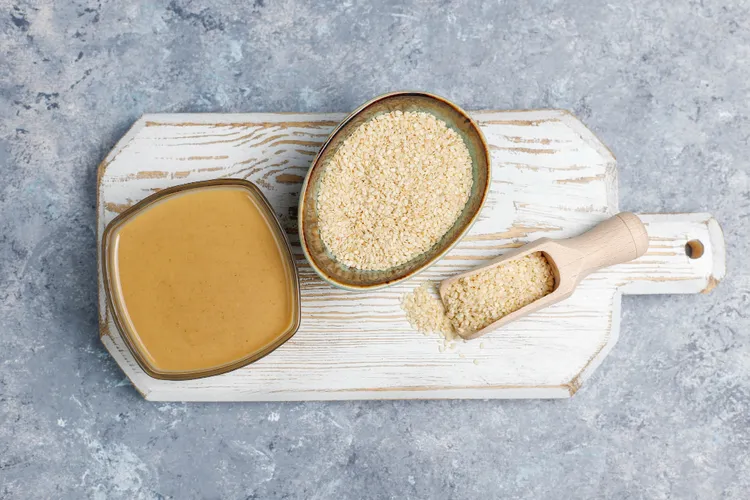
Tahini is ground sesame seeds. That description does not come close to capturing what it is in the kitchen.
It is one of the richest, most flavour-dense condiments in any pantry - 50-60% fat, primarily heart-healthy unsaturated fats, with a specific nuttiness that is nothing like any other nut or seed butter. It is simultaneously thick enough to anchor a sauce and liquid enough to pour when thinned with water or lemon. It is savoury enough to dress a salad and sweet enough (in the good tahini - the varieties that haven't turned bitter from old or poorly processed seeds) to fold into a dessert. It is fermented in the loose sense that high-quality tahini develops complexity over time, though this is enzymatic rather than microbial.
Most households buy it for hummus and use it rarely beyond that. This is an enormous missed opportunity. Tahini is one of the most versatile condiments in global cooking - used across Lebanese, Palestinian, Israeli, Turkish, Syrian, Greek, and increasingly Western cooking in an ever-expanding range of applications. The jar that lasts six months in most kitchens should last six weeks.
What Tahini Is: The Production and the Quality Gap
Tahini is made by grinding sesame seeds - either raw (light tahini, mild and slightly sweet) or roasted (dark tahini, more intense, slightly bitter) - into a smooth paste. The quality differences between tahini brands are dramatic and consequential for cooking.
The quality indicators that matter:
The sesame seed source. Ethiopian and Humera sesame seeds (from the Humera region of Ethiopia/Eritrea) produce tahini with a specific sweetness and mildness that is considered the gold standard. Sesame seeds from other regions can produce perfectly good tahini but with different flavour profiles - sometimes more bitter, sometimes more neutral.
Stone-ground vs. industrial grinding. Stone-ground tahini preserves more of the sesame's natural oils and produces a smoother, creamier texture. Industrial grinding produces a finer paste but can generate heat that oxidises the oils slightly, producing bitterness.
Roasting level. Very lightly roasted seeds produce mild, sweet tahini. More heavily roasted seeds produce more intense, slightly bitter tahini. The ideal for most cooking applications is lightly roasted - enough roasting for complexity, not enough for bitterness.
How to identify good tahini:
- It should pour when tipped - not be solid or require significant stirring to loosen. If it is very thick and solid, the oils may have separated excessively or the tahini may be old.
- It should smell pleasantly nutty and sesame-forward - not rancid (sharp, almost paint-like) or aggressively bitter.
- The colour should be pale golden, not dark brown (which indicates heavy roasting or age).
- Taste a small amount on its own. Good tahini has a clean, nutty, slightly sweet flavour with no harsh bitterness. Bitter tahini will produce bitter sauces regardless of what else is added.
Recommended brands (UK/US/Australia):
- Al Arz (Lebanese) - the gold standard for most Levantine cooking
- Soom (US, Ethiopian sesame) - excellent for general use
- Seed + Mill (US) - artisan, very high quality
- Belazu (UK, widely available in major supermarkets) - reliable and accessible
- Baracke (Israeli) - good quality, increasingly available internationally
Avoid: any tahini where the only ingredient listed is not "sesame seeds" (or "roasted sesame seeds"), any tahini that has been sitting on a non-refrigerated shelf for a visible amount of time without a sealed lid.
The Stirring Problem (and How to Solve It)
Every jar of good tahini separates - the oil rises to the top and the sesame solids settle at the bottom. This is a sign of quality (no emulsifiers have been added to keep it artificially homogenous) and a minor inconvenience.
The correct stirring method: Do not stir from the top - the oil will splash and the solids at the bottom won't incorporate. Instead, turn the sealed jar upside down and leave it for 5 minutes before opening. The oil redistributes downward toward the lid. Then open and stir from the bottom up. Once fully combined, store upside down in the refrigerator to keep the oil from separating again.
Storage: After opening, tahini keeps for 3-6 months refrigerated. At room temperature, 1-2 months. Cold tahini is much thicker - take it out of the fridge 10-15 minutes before using if you need it to pour freely.
The Tahini Sauce Foundation
Before the fifteen applications: the single most important thing to understand about tahini is how it behaves with liquid.
When you add liquid to tahini - water, lemon juice, any liquid - it initially seizes and becomes thick and almost solid. This is a temporary emulsification that reverses as more liquid is added. The sequence is: thin → seize → thin again with more liquid. Many cooks stop at the seizing stage, conclude the tahini has been ruined, and start again. It hasn't - add more liquid and continue whisking.
The basic tahini sauce (the foundation of most applications below):
- 4 tbsp tahini
- 3-4 tbsp cold water (added gradually)
- 2 tbsp lemon juice
- 1 small clove garlic (minced to a paste)
- ½ tsp salt
Whisk the lemon juice into the tahini first - it seizes immediately. Continue adding water 1 tbsp at a time, whisking constantly, until the sauce reaches a smooth, pourable consistency. It should coat a spoon lightly but flow freely.
Taste: it should be nutty, sharp from the lemon, savoury from the salt, with the raw garlic providing a background bite. Adjust each element to balance.
15 Applications
1. The Classic Tahini Sauce (Salat Tahini)
The foundation recipe above, used as:
- A dip for warm pitta bread (the essential accompaniment to any Middle Eastern meze)
- A sauce alongside falafel (the tahini sauce is as important as the falafel)
- A dressing for roasted cauliflower, broccoli, or aubergine
- A finishing sauce for grilled lamb or chicken
This sauce, made correctly with good tahini, needs nothing but the four ingredients. Garnish with a drizzle of olive oil, a pinch of smoked paprika, and fresh parsley.
2. Full Hummus
Hummus is a tahini sauce with chickpeas, scaled up. The key insight that most hummus recipes miss: the tahini should be the dominant flavour, not the chickpea. Good hummus is at least 30% tahini by weight.
Proportions that matter:
- 400g cooked chickpeas (or 1 tin, drained - peel for smoother hummus)
- 120ml good tahini
- 4 tbsp lemon juice
- 1-2 cloves garlic
- 4-6 tbsp ice-cold water (added during blending - the cold water produces a fluffier, lighter hummus)
- Salt
Blend chickpeas alone first until completely smooth. Add tahini, lemon juice, garlic, and salt. Blend again. Add cold water gradually until the hummus is light and creamy. Taste and adjust every element.
The ice-cold water trick: Adding cold rather than room-temperature water during blending produces a noticeably lighter, fluffier hummus. The cold water emulsifies with the tahini fat differently, incorporating more air. This is the technique used by professional hummus makers.
3. Sheet Pan Chickpeas and Vegetable Dressing
The tahini dressing from the Sheet Pan Chickpeas recipe in the One-Pan collection - thin the basic tahini sauce to a drizzling consistency and use as a finishing sauce over roasted vegetables and crispy chickpeas. The two-stage application (some tossed before roasting, some drizzled fresh after) produces a layered tahini flavour that a single-stage application doesn't.
4. Miso-Tahini Sauce
The combination of two fermented, umami-rich ingredients produces a sauce that is significantly more complex than either alone.
Whisk together: 2 tbsp tahini + 1 tbsp white miso + juice of 1 lemon + 1 clove garlic (minced) + 3 tbsp cold water.
Use on: Grain bowls, roasted aubergine, steamed broccoli or cauliflower, grilled chicken or tofu. This sauce appears in multiple recipes across the Plant-Based collection as the richest, most flavourful dressing available from pantry ingredients.
5. Tahini Pasta (Sesame Noodles)
Cold sesame noodles - one of the best things in a hot summer kitchen.
Cook 300g of noodles (soba, udon, or any Asian noodle). Drain and rinse under cold water. Dress with a sauce made from: 4 tbsp tahini + 2 tbsp soy sauce + 1 tbsp rice vinegar + 1 tbsp sesame oil + 1 tsp grated ginger + 1 tsp honey + 2 tbsp cold water. Toss until every noodle is coated. Top with shredded cucumber, spring onion, sesame seeds, and chili oil.
This is the gateway tahini application for cooks who have not yet used it beyond hummus.
6. Tahini Salad Dressing
A versatile dressing that works on everything from shredded kale to roasted beet salads to simple green salads.
Tahini-lemon dressing: 3 tbsp tahini + 3 tbsp lemon juice + 1 tbsp olive oil + 1 tsp honey + 1 small garlic clove + 3 tbsp water + salt. Whisk until smooth.
Tahini-miso dressing (richer, more complex): 2 tbsp tahini + 1 tbsp white miso + 2 tbsp rice vinegar + 1 tbsp sesame oil + 2 tbsp cold water.
7. Baba Ghanoush
Roasted aubergine, tahini, garlic, and lemon - the smoky, creamy dip that is as important as hummus in Levantine cooking.
Method: Char 2 large aubergines directly over a gas flame (or under a very hot grill) until completely collapsed and blackened on the outside. Allow to cool, then scoop out the flesh. Drain in a sieve for 10 minutes to remove excess liquid. Combine with 3 tbsp tahini, 2 tbsp lemon juice, 1 minced garlic clove, salt. Mix roughly - texture is correct here, not smooth. Drizzle with olive oil and pomegranate seeds.
8. Tahini in Smoothies
A tablespoon of tahini in a smoothie adds protein, fat, and a nutty richness that makes the smoothie genuinely filling rather than a liquid snack. It works particularly well with: banana, date, and oat milk; chocolate and banana; mango and coconut.
The fat in the tahini also acts as a fat-soluble vitamin carrier - it improves the absorption of fat-soluble nutrients (A, D, E, K) from any fruit or vegetable in the smoothie.
9. Tahini Banana Bread
The most surprising application in this list, and the one that produces the strongest reaction from people who try it. Replace the butter in a standard banana bread with 4 tbsp of tahini. The tahini's fat provides moisture and richness in the same way butter does, but with a specific nuttiness and a faint bitterness (from the sesame) that makes the banana flavour more complex.
Add 2 tbsp of black sesame seeds to the batter for visual contrast and texture.
10. Tahini Caramel
Combine with caramel in the same way miso caramel works - whisk 2 tbsp of tahini into a warm caramel sauce. The tahini adds nuttiness and a slight bitterness that prevents caramel from being cloying. Serve over ice cream, in a tart, or drizzled over a chocolate brownie.
11. Tahini in Falafel
Most falafel recipes use no tahini in the falafel itself (only in the accompanying sauce). Adding 1 tbsp of tahini to the falafel mix produces falafel that is creamier inside and slightly richer - the tahini's fat provides moisture that chickpea alone doesn't have.
12. Green Tahini Sauce
Blend the basic tahini sauce with a large bunch of fresh herbs - parsley, coriander, mint, or a combination - until vivid green. The herbs lighten and refresh the richness of the tahini; the tahini adds body and depth to what would otherwise be a thin herb sauce.
Use as: a sauce for grilled lamb or chicken, a dip alongside falafel, a dressing for grain bowls. The green colour makes it one of the most visually striking sauces in the collection.
13. Tahini Cookies (Tahini Shortbread)
Tahini in shortbread replaces some or all of the butter, producing a biscuit that is slightly less crumbly, slightly denser, and significantly more complex in flavour. The sesame note in a shortbread is subtle but distinct.
Simple tahini shortbread: 100g tahini + 80g icing sugar + 100g plain flour + pinch of salt. Mix to a dough, roll into balls, flatten slightly with a fork, bake at 170°C for 12–14 minutes.
14. Tahini Drizzled Over Ice Cream
A teaspoon of cold tahini drizzled over vanilla, chocolate, or coffee ice cream immediately before serving. The contrast of the savoury-nutty-slightly-bitter tahini with the sweet, cold ice cream is one of those combinations that is immediately, obviously correct once you taste it.
Add a drizzle of honey and toasted sesame seeds alongside.
15. Tahini in Soup
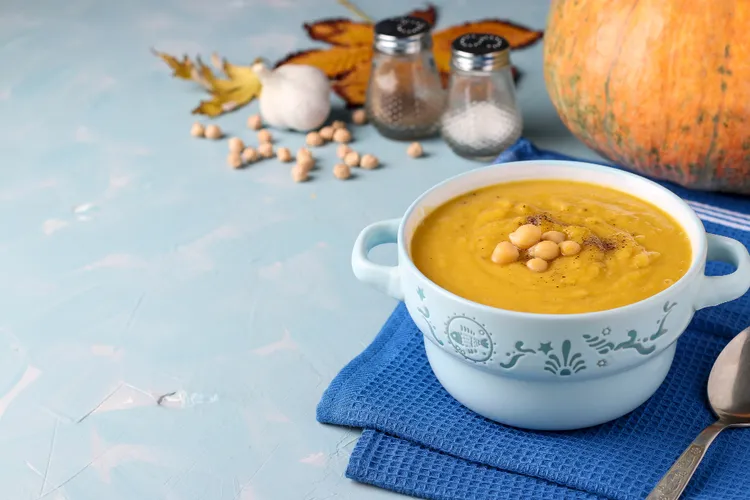
A tablespoon of tahini stirred into a pureed soup (lentil, butternut squash, carrot, white bean) at the end of cooking adds richness and a specific nuttiness that elevates a simple pureed soup. It integrates completely into a smooth soup and produces a finish that is noticeably richer than the same soup without it.
Use in the One-Pot Lentil Soup (particularly the Moroccan version) as an alternative to olive oil enrichment.
The Flavour Pairing Guide
Tahini's natural companions:
- Lemon - the acid cuts through the fat and brightens the nuttiness; they are inseparable in most Levantine cooking
- Garlic - the pungency balances the richness; use sparingly in mild applications, generously in robust ones
- Cumin and smoked paprika - the warm earthiness of cumin and the smoke of paprika complete the Levantine flavour profile
- Honey and date syrup - sweet against savoury; the natural sweetness pairs with the nuttiness
- Dark chocolate - the bitterness of tahini and the bitterness of chocolate amplify each other in a specifically pleasing way
- Miso - both fermented, both umami-rich, both sesame-adjacent; the combination produces more than the sum of its parts
Avoid pairing tahini with: Very delicate flavours that it overwhelms (delicate white fish, mild cheese), any application that needs very clean, sharp flavour without richness.
Pro Tips
- Buy the best tahini you can find. The quality difference matters more here than for almost any other pantry ingredient. Bitter, stale tahini produces bitter, flat sauces regardless of how much lemon or garlic is added. Good tahini barely needs seasoning.
- Store upside down in the refrigerator. The oil separation problem is minimised if the jar is stored upside down - the oil redistributes toward the lid and the tahini stays more homogenous. Shake or stir before using.
- Thin with cold water, not warm. Cold water produces a creamier, more stable tahini sauce than warm or hot water. The temperature affects how the fat emulsifies.
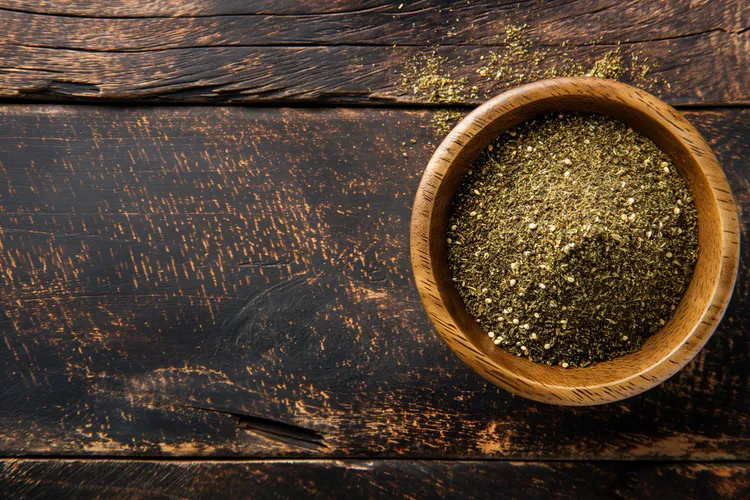
- The za'atar connection: Tahini and za'atar are natural companions. Za'atar (which contains sesame seeds) and tahini (which is sesame) make a dipping combination that is one of the essential components of a Middle Eastern breakfast. See Za'atar: The Herb-and-Spice Blend That Belongs on Every Table.
FAQ
Q: What is the difference between tahini and sesame paste?
In most Western markets, "tahini" refers to Middle Eastern sesame paste (light-roasted seeds, mild flavour) and "sesame paste" refers to Chinese sesame paste (darker-roasted seeds, more intense flavour used in dishes like dan dan noodles). They are not fully interchangeable - the flavour profiles differ significantly. For Middle Eastern and Western applications, use tahini. For Chinese applications, use Chinese sesame paste.
Q: My tahini sauce always turns out bitter. What am I doing wrong?
Either the tahini itself is bitter (old, poor quality, or heavily roasted) - try a better-quality brand. Or too much lemon juice has been added - the bitterness may be from the lemon pith rather than the tahini. Taste the tahini alone; if it is already bitter before anything is added, the product needs replacing.
Q: Can I use tahini if I have a sesame allergy?
No - tahini is 100% sesame seeds. It is one of the most concentrated sesame sources available and is not appropriate for anyone with a sesame allergy or intolerance.
🔗 Related Ingredient Deep Dives
- Za'atar: The Herb-and-Spice Blend That Belongs on Every Table
- Sumac: The Tangy Red Spice That Replaces Lemon in Middle Eastern Cooking
- Preserved Lemons: The Fermented Citrus That Transforms North African Cooking
- Miso: Japan's Most Versatile Fermented Ingredient
- Pomegranate Molasses: The Middle Eastern Syrup That Belongs in Every Kitchen
- World Cuisines in Your Pantry: The Ingredient Deep Dives
Latest