Sparkling Matcha Lemonade: Summer's Coolest Drink
Tart, earthy, effervescent, and impossibly green. The drink that defines the season.
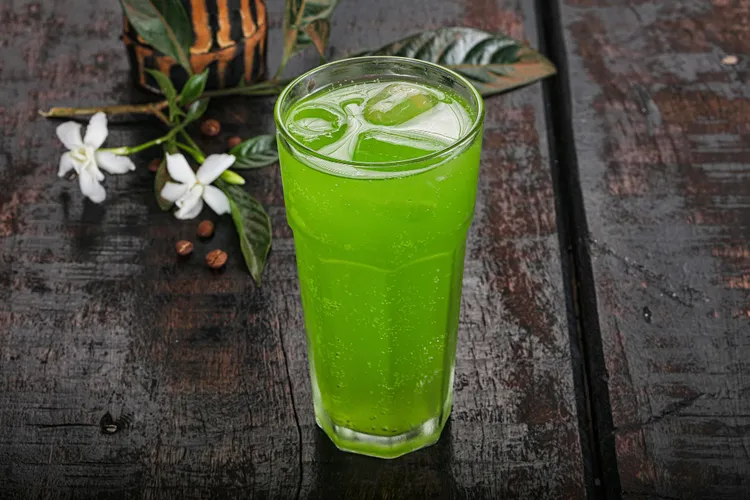
Some drinks taste like summer. Cold brew matcha tastes like a quiet morning with nowhere to be. A watermelon cooler tastes like a garden party. But sparkling matcha lemonade? Sparkling matcha lemonade tastes like summer itself - sharp, bright, a little electric, the kind of drink that makes you close your eyes after the first sip.
The combination is almost obvious once you taste it: the earthy, umami depth of matcha needs acidity to come alive, and fresh lemon juice provides exactly that. The bitterness of matcha softens. The sweetness of the honey rounds the lemon's sharpness. And the bubbles - fine, persistent, carbonated - lift the whole thing into something that feels celebratory even on a Tuesday afternoon.
This is the drink we reach for from June through September. It has replaced every other cold drink in our summer kitchen. Once you make it, you'll understand why.
The matcha matters here. Fresh lemon is assertive - you need a matcha that can hold its own against it. Mid-grade ceremonial is the sweet spot: enough character to come through the lemon and honey, refined enough to be pleasant rather than harsh. See Matcha 101: Why Not All Green Powders Are Created Equal and The Best Matcha Powders of 2025, Ranked.
Why This Combination Works
The matcha-lemon pairing is not arbitrary. There is a reason it works so consistently well across different preparations and proportions.
Acidity and umami are ancient companions. Japanese cuisine has long understood that citrus - sudachi, yuzu, kabosu - brings out the best in tea and seaweed-based umami flavors. Lemon performs the same function in this drink: it acts as a flavor amplifier for matcha's glutamates, making the tea character brighter and more present, not less. The matcha flavor after a hit of lemon is sharper, cleaner, and more recognizable than without it.
Carbonation changes texture. Still matcha lemonade is good. Sparkling matcha lemonade is great. The carbonation breaks up the density of the matcha concentrate and keeps the drink tasting fresh and light all the way to the bottom of the glass. It also provides the faintest effervescent tingle that makes cold drinks feel more thirst-quenching - a phenomenon well established in sensory research.
Honey bridges the gap. Sugar alone makes this drink sweet. Honey makes it complex. The floral, slightly waxy character of honey mediates between the green earthiness of matcha and the sharp brightness of lemon in a way that refined sugar simply cannot. Wildflower or acacia honey work best - strongly flavored honeys like buckwheat can overpower.
The Base Recipe
Serves 1 | Ready in 8 minutes
Ingredients
For the matcha concentrate:
- 2g ceremonial or mid-grade matcha (about 1.5 chashaku scoops), sifted
- 40ml water at 75°C - warm enough to dissolve fully, cool enough to preserve delicate flavor compounds
For the lemonade:
- Juice of 1 large lemon (about 40-50ml) - always fresh, never bottled
- 1-2 tsp honey or maple syrup, to taste
- 150-180ml sparkling water - premium quality: Fever-Tree, San Pellegrino, or similar
- Large ice cubes - the bigger the cube, the slower the melt, the longer your drink stays cold and undiluted
To garnish:
- Thin lemon wheel or half-moon slice
- 2-3 sprigs of fresh mint
- A light dusting of culinary matcha through a fine sieve (optional - for visual impact)
Method
Step 1: Make the matcha concentrate Sift matcha into a small bowl or heatproof jug. Add 40ml of 75°C water. Whisk vigorously with a bamboo chasen or small electric frother in a W-motion for 30-40 seconds until completely smooth, bright green, and lightly foamy with no powder visible. See How to Whisk Matcha for the full technique.
Set the concentrate aside and allow to cool for 2 minutes. This is important - adding hot concentrate directly to sparkling water causes excessive fizzing and carbonation loss.
Step 2: Make the honey lemon base Squeeze the lemon into a glass or small jug. Add honey and stir vigorously until completely dissolved. Cold honey doesn't dissolve easily in cold liquid - if you're struggling, warm the honey briefly in a microwave for 10 seconds, then stir into the lemon juice while warm.
Step 3: Build the drink Fill a tall, clear glass to the top with large ice cubes. Pour the honey-lemon mixture over the ice. Pour the sparkling water gently down the side of the glass - this preserves the carbonation rather than knocking it flat.
Step 4: Layer the matcha Hold a long-handled spoon horizontally just above the surface of the drink. Pour the cooled matcha concentrate slowly over the back of the spoon, letting it settle on top of the lemonade. This creates the layered look - vivid green floating above pale lemon yellow - that is the visual signature of this drink.
Step 5: Garnish and serve immediately Tuck a lemon wheel against the side of the glass. Add mint sprigs. Dust lightly with matcha if desired. Serve immediately - the carbonation is best in the first 3 minutes.
To drink: You can stir before drinking to combine all layers, or sip through the layers and let the flavors shift as you go - earthy matcha first, then the burst of lemon and bubbles. Both experiences are valid and both are excellent.
The Layering: Why It Happens and How to Nail It
The green-on-yellow layering is what stops people mid-conversation when you set this drink on a table. Here's the science and the technique behind it:
Why it layers: The matcha concentrate - warm, dense with dissolved powder - is slightly less dense than the cold, sweet lemon-honey base below it. Combined with the gentle pour over a spoon, the matcha sits on top rather than mixing in. The effect lasts about 60-90 seconds before the density difference equalises and the layers begin to swirl together.
For maximum layer duration:
- Let the concentrate cool for at least 2 minutes before pouring
- Use very cold, sweetened lemonade base - sugar adds density that helps the layers hold
- Pour extremely slowly over the spoon - this is a moment for patience
- Serve immediately and don't touch it until the photo is taken
If layering doesn't work: The most common cause is hot concentrate poured too quickly. Always cool first, always pour slowly. A wider glass (larger surface area) also makes layering easier to achieve and more dramatic to look at.
The Pitcher Version: Made for Summer Entertaining
This is the recipe that makes you the most popular person at any outdoor gathering. Scaled up into a pitcher, sparkling matcha lemonade is the summer party drink - beautiful, non-alcoholic, and genuinely impressive.
Serves 8-10 | Requires 20 minutes prep
Ingredients
Matcha concentrate (make ahead):
- 12g mid-grade matcha, sifted
- 200ml water at 75°C
- Whisk in batches or in a large bowl with a chasen, or use an electric frother
- Allow to cool completely - at least 20 minutes, or refrigerate for 10 minutes
Lemon honey base (make ahead):
- 350ml fresh lemon juice (about 8-10 large lemons)
- 80-100ml honey
- Warm the honey slightly so it dissolves easily, stir into lemon juice
- Refrigerate until needed
To assemble:
- 1 litre of premium sparkling water, very cold
- Large pitcher filled with ice
- Sliced lemons, fresh mint, cucumber ribbons for garnish
Pitcher Assembly Method
The challenge with a pitcher is maintaining the layering effect for multiple pours. Here's the approach that works best:
Option A - Pre-mixed (easier, no layering): Combine the matcha concentrate and lemon-honey base in the pitcher, stir, then add sparkling water and ice. Pour into glasses over ice. The color is a vivid, unified green-gold. No layers, but beautiful in its own right and easier to manage for a crowd.
Option B - Layered at the glass (more impressive): Keep the matcha concentrate and lemon-honey-sparkling base in separate jugs. Guests pour the lemon base first, then top with matcha using the spoon technique. Give a brief demonstration for the first guest - after that, everyone wants to try it themselves. This becomes part of the entertainment.
Making it a mocktail: Add fresh herbs to the lemon base - a handful of mint or basil, steeped for 10 minutes then strained - and serve in wine glasses with large ice spheres. It reads as intentionally elegant rather than simply refreshing.
6 Variations Worth Making All Summer
1. Matcha Mint Lemonade
Add 8-10 fresh mint leaves to the honey-lemon base and muddle gently before adding ice and sparkling water. Strain if you prefer a cleaner drink. The mint amplifies the refreshing quality of the sparkling water and gives the lemon a cooler, more herbal edge. The most popular variation with people who find straight lemon too sharp.
2. Yuzu Matcha Lemonade
Replace half the lemon juice with yuzu juice - available in bottles at most Asian grocery stores and increasingly in mainstream supermarkets. Yuzu is less sharp than lemon, more floral, with a fragrance that is distinctly Japanese. The result is a drink that feels entirely coherent - both the matcha and the yuzu are rooted in Japan, and they speak the same flavor language. Garnish with yuzu zest rather than lemon.
3. Matcha Lemonade with Ginger
Add 3-4 thin slices of fresh ginger to the honey-lemon base and steep for 5 minutes before straining. The ginger adds a gentle heat that builds slowly and pairs beautifully with matcha's earthiness - warming in a way that contradicts the cold drink, which is exactly why it's interesting. A squeeze of lime alongside the lemon makes the whole thing feel sharper and more tropical.
4. Rose Matcha Lemonade
Add 1 tsp rose syrup to the honey-lemon base and reduce the honey slightly to compensate. The rose introduces a floral softness that makes the drink feel more romantic and complex - a direct connection to the Matcha Rose Latte in cold, sparkling, summer form. Garnish with dried rose petals on top of the matcha layer.
5. Matcha Lemonade Popsicles
Pour the pre-mixed (non-sparkling) matcha lemonade into popsicle moulds and freeze overnight. Add sparkling water only when serving - to a glass of lemonade, not to the popsicle itself. The popsicles are vivid green, intensely flavored, and genuinely surprising when someone bites into them expecting a plain lemon popsicle.
6. Sparkling Matcha Limeade
Replace all lemon juice with fresh lime - a sharper, more tropical, more acidic base that intensifies the contrast with matcha's earthiness. Add a pinch of flaky salt and a splash of agave syrup instead of honey. This is the variation closest to a cocktail in profile - it would be excellent with a shot of mezcal or tequila if you want to go in that direction.
The Alcohol Version: Matcha Lemonade Cocktails
Since we're here: sparkling matcha lemonade is one of the most naturally cocktail-ready drinks we make. The flavor profile is assertive enough to stand alongside spirits rather than being overwhelmed by them.
Matcha Vodka Lemonade: Add 30ml of a clean, neutral vodka to the lemon-honey base before building the drink. The vodka amplifies the citrus and lets the matcha come forward. Simple and effective.
Matcha Gin Fizz: Add 30ml of a floral gin (Hendrick's or a yuzu gin work particularly well) to the base. The botanicals in gin and the earthiness of matcha create a complexity that feels genuinely considered. This is a cocktail worth making for guests rather than just knocking together quickly.
Matcha Sake Spritz: Replace the sparkling water with dry sparkling sake (available in Japanese grocery stores and specialist wine merchants). The sake's slightly sweet, yeasty complexity is a natural bridge between lemon and matcha. Serve in a coupe glass for an elegant presentation.
Pairing Suggestions
Sparkling matcha lemonade is versatile enough to pair with almost anything you'd serve at a summer gathering. Here's how we think about it:
Light and complementary: Matcha Shortbread, Matcha Financiers, or Matcha and Sesame Cookies. The earthy bitterness of the drinks pairs beautifully with the buttery sweetness of these bakes.
Contrasting and refreshing: Fresh fruit platters, particularly with stone fruits (peaches, apricots, cherries) whose sweetness provides a pleasant contrast to the drink's tartness.
At a summer table: This drink belongs alongside a mezze spread, grilled vegetables, or a Japanese-inspired cold noodle salad. The lemon and matcha can handle food that has some weight and flavor - this isn't a drink that gets lost alongside a meal.
The full matcha summer brunch: Matcha overnight oats + matcha smoothie bowl muffins + sparkling matcha lemonade in a pitcher. Three recipes, twenty minutes of prep, the most beautiful and delicious summer brunch you've ever hosted.
Pro Tips
- Fresh lemon only. Bottled lemon juice is pasteurised and has a flat, slightly fermented quality that kills this drink. The fifteen seconds it takes to squeeze a real lemon is not optional.
- Premium sparkling water is worth it here. The mineral composition of good sparkling water - not just carbon dioxide dissolved in tap water - contributes to the drink's mouthfeel and the persistence of the bubbles. San Pellegrino and Fever-Tree both perform significantly better than generic sparkling water in this recipe.
- Big ice, always. Smaller ice cubes melt faster, diluting the drink before you finish it. Use the largest ice cubes you can make - or buy a silicone large-cube tray if you make cold drinks regularly. The difference in how long a drink stays good is not trivial.
- Taste before building. The honey-lemon base should be pleasantly tart and lightly sweet on its own - not too sweet, because the sparkling water will dilute it. Adjust before adding ice.
- Make the concentrate ahead for a crowd. Cold matcha concentrate keeps in the fridge for up to 4 hours without significant flavor loss. Make it before guests arrive, keep it in a small jug in the fridge, bring out to pour over each drink. No last-minute whisking while hosting.
- Chill the sparkling water. Room-temperature sparkling water added to ice results in more carbonation loss as the temperature difference causes rapid off-gassing. Cold sparkling water added to cold ice is gentler on the bubbles.
Common Mistake: Adding the Concentrate Too Hot Hot concentrate poured into sparkling water immediately volcano-erupts - like the science fair baking soda and vinegar experiment, but with matcha and a nice white shirt. Always allow the concentrate to cool for at least 2 minutes before building the drink. Or use cold brew matcha concentrate - which requires no cooling at all and gives the smoothest possible result.
The Cold Brew Upgrade
The best version of this drink uses cold brew matcha concentrate rather than hot-prepared concentrate. Cold brew matcha dissolves the matcha in cold water over 2-4 hours, producing a concentrate that is smoother, less bitter, more vivid in color, and requires no cooling before use.
For the cold brew version:
- Make a matcha concentrate using the ratio: 6g matcha + 100ml cold filtered water, steeped 2-4 hours
- Use directly from the fridge - no waiting, no cooling, no risk of fizzing
- The resulting drink is noticeably smoother and more elegant than the hot-concentrate version
This is the version we serve when we want to impress - the full pitcher made with cold brew concentrate, assembled table-side, layers maintained, bubbles intact, color electric.
Why This Drink Belongs in Your Summer Repertoire
The world of non-alcoholic drinks has changed dramatically in the last five years. There is now an expectation - at dinner parties, at garden gatherings, in good cafés and restaurants - that non-alcoholic options will be considered and interesting rather than an afterthought. A jug of water or a bottle of fizzy juice is no longer enough.
Sparkling matcha lemonade is the answer to that expectation. It is beautiful to look at. It is complex to taste. It is non-alcoholic but feels festive. It can be made in a pitcher for a crowd or in a glass in eight minutes for yourself on a Tuesday. It scales perfectly, photographs perfectly, and makes people genuinely pleased to be holding it.
Learn to make it well. Make it often. Summer is long - you have time to perfect every variation.
FAQ
Q: Can I make this without sparkling water?
Yes - still matcha lemonade is pleasant, just less festive. Use cold still water and increase the honey slightly since the drink will feel heavier without carbonation to lift it. The layering still works visually, though the texture is different.
Q: How far in advance can I make the components?
The matcha concentrate keeps in the fridge for up to 4 hours (or 36 hours if made as cold brew). The honey-lemon base keeps refrigerated for up to 3 days. The sparkling water must be added fresh immediately before serving - it cannot be pre-mixed.
Q: My matcha layer sinks instead of floating. What went wrong?
The concentrate is too hot, too cold, or the lemon base isn't sweet enough. Warm concentrate that's been allowed to cool just 2 minutes will float on a sweetened lemon base. If the lemon base has very little honey or sugar, the density difference isn't sufficient for layering. Add a little more honey to the base.
Q: Is this suitable for children?
Yes, with a reduced matcha amount - use 1g rather than 2g to lower the caffeine content. The flavor is gentler with less matcha and slightly more honey. Children almost universally love the color and the bubbles.
Q: What's the difference between this and a matcha green tea lemonade from a café?
Most café versions are made with matcha powder stirred directly into pre-made lemonade - resulting in clumps, uneven flavor, and a duller color. This version uses a properly whisked concentrate poured over fresh-squeezed lemon with quality sparkling water. The difference in color, texture, and flavor is significant.
🔗 Continue Exploring
- Iced Matcha Season: Your Complete Cold Drink Guide
- Cold Brew Matcha: How to Make It Perfectly at Home
- Matcha Rose Latte: Hot & Iced
- The Perfect Matcha Latte
- How to Whisk Matcha
- Matcha Overnight Oats - the summer brunch pairing
- Matcha Shortbread
- Matcha Financiers
- Why Does My Matcha Taste Bitter?
- Matcha 101: Grades Explained
- The Ultimate Matcha Guide
Latest