Matcha Rose Latte: The Most Beautiful Drink You'll Ever Make
Floral, silky, vivid - and easier than it looks
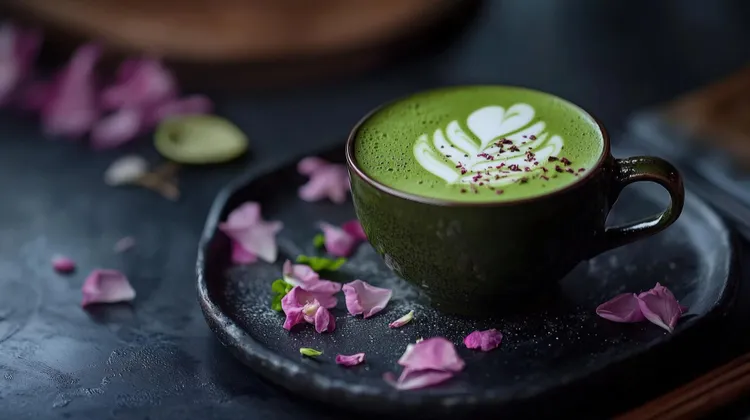
Some drinks taste good. Some drinks look good. Occasionally - rarely - a drink does both so completely that making it becomes a ritual you look forward to every single morning.
The matcha rose latte is that drink.
Layers of vivid green matcha, blush-pink rose milk, and a cloud of foam dusted with dried rose petals. It looks like something from a Japanese garden in spring, photographed at golden hour. It tastes like the best version of a matcha latte you've ever had - earthier, more complex, with a soft floral note that doesn't overpower but lingers beautifully in the finish.
And it takes under ten minutes to make.
Get your matcha right first. The rose element enhances matcha - it doesn't rescue bad powder. Read Matcha 101: Why Not All Green Powders Are Created Equal and see The Best Matcha Powders of 2025, Ranked before you start.
The Story Behind This Drink
The matcha rose latte sits at the intersection of two ancient traditions. Matcha's roots in Japanese tea ceremony stretch back over 800 years - a practice built around mindfulness, beauty, and the quiet pleasure of a well-made bowl of tea. Rose, meanwhile, has been used in Middle Eastern and South Asian food and drink for millennia - in Persian sharbat, in Indian lassi, in Turkish lokum - always as a symbol of luxury, romance, and celebration.
Bring them together, and something unexpected happens. The earthiness of matcha and the softness of rose are not opposites - they are complements, the same way that a Japanese garden pairs austere stone with delicate cherry blossom. Each makes the other more beautiful.
This is a drink with a story in every sip.
Understanding the Ingredients
The Matcha
For a rose latte, ceremonial or mid-grade matcha is the right choice. The floral note of rose is delicate - it deserves a matcha that is equally refined, sweet, and umami-forward rather than the robust bitterness of a culinary grade. Think of it this way: you wouldn't pair a cheap rough wine with a delicate flower. Use something worthy of the pairing.
For the best experience, use 2g of matcha - slightly more than a standard latte - because the rose and sweetener will soften the matcha's presence, and you want it to hold its own.
The Rose Element
This is where most recipes go wrong. There are three ways to introduce rose flavor, and they produce dramatically different results:
Rose water: The most common option. Use it sparingly - 1 teaspoon per serving is plenty. Rose water varies enormously in concentration between brands. Start with less and adjust to taste. Too much rose water makes the drink taste like soap. The right amount makes it taste like a garden.
Rose syrup: Pre-sweetened rose syrup (like the ones used in Middle Eastern desserts) does double duty - it adds both the floral note and the sweetness in one step. It also creates a beautiful pink tint in milk. Our preferred choice for the most visually dramatic result.
Dried rose petals: Used primarily as a garnish rather than a flavor element, though steeping a few petals in warm milk for 5 minutes before frothing adds a very subtle floral note. Food-grade dried rose petals are widely available and make an ordinary latte look extraordinary.
Our recommendation: Use rose syrup as your main flavor element, and dried rose petals as the garnish. This gives you the best balance of flavor, color, and visual impact.
The Milk
Milk choice matters more in a rose latte than in a standard matcha latte, because the milk carries the rose flavor. Here's how the options perform:
| Milk | Texture | Rose Flavor Carry | Color with Rose Syrup | Overall |
|---|---|---|---|---|
| Oat milk | Creamy, froths well | Excellent | Soft blush pink | ⭐⭐⭐⭐⭐ |
| Whole dairy | Very rich | Very good | Deeper pink | ⭐⭐⭐⭐⭐ |
| Coconut milk | Rich, slightly sweet | Good - adds tropical note | Pale pink | ⭐⭐⭐⭐ |
| Almond milk | Thin, light foam | Moderate | Light pink | ⭐⭐⭐ |
| Soy milk | Good foam | Good | Medium pink | ⭐⭐⭐⭐ |
Oat milk is our top choice - the natural sweetness and creaminess of oat milk makes the rose flavor bloom in a way that more neutral milks don't quite achieve.
Ingredients
Serves 1
For the Matcha Base
- 2g ceremonial or mid-grade matcha (about 1.5 level chashaku scoops), sifted
- 40ml water at 75°C - hotter water makes the matcha bitter, cooler water doesn't dissolve it properly
For the Rose Milk
- 220ml oat milk (or your preferred milk)
- 1–2 tsp rose syrup - start with 1 tsp and adjust to taste. Our favourite is Monin Rose Syrup or any good Middle Eastern brand
- ½ tsp rose water (optional - for a more pronounced floral note)
- 1 tsp honey or maple syrup (optional - the rose syrup may provide enough sweetness already)
For the Garnish
- Dried food-grade rose petals - a small pinch scattered over the foam
- A dusting of culinary matcha through a fine sieve
- A single fresh or dried rose bud if you want to go full romance
Method
Hot Version
Step 1: Make the matcha concentrate Sift matcha into a warmed bowl or heatproof jug. Add 40ml of 75°C water. Whisk vigorously using a bamboo chasen in a W-motion for 30-40 seconds until completely smooth and lightly foamy. No chasen? A small electric milk frother works well for this step. See How to Whisk Matcha for the full technique.
The concentrate should be smooth, vivid green, with no visible powder remaining. This is the foundation - get it right and the rest is easy.
Step 2: Prepare the rose milk Pour oat milk into a small saucepan and warm over medium-low heat to about 65°C - hot enough to froth but not scalding. Stir in rose syrup and rose water. Taste and adjust - you're looking for a milk that is gently, unmistakably floral without being perfumed.
Step 3: Froth Froth the rose milk using a handheld electric frother, steam wand, or by shaking vigorously in a sealed jar. You want a generous amount of foam - this is a latte that deserves a cloud on top.
Step 4: Layer and pour Pour the matcha concentrate into your cup first. Then, holding back the foam with a spoon, pour the warm rose milk over the matcha in a slow, steady stream. Spoon the foam on top.
Step 5: Garnish Scatter a small pinch of dried rose petals over the foam. Dust lightly with matcha powder through a fine sieve. If you have a fresh rose bud, rest it on the rim of the cup. Take a moment to look at what you made. Then drink it.
Iced Version
The iced matcha rose latte is, if anything, even more beautiful than the hot version - the layers of green and pink separated by ice, slowly swirling together as you stir.
Step 1: Make the matcha concentrate exactly as above - 2g matcha with 40ml of 75°C water, whisked smooth. Set aside to cool for 2 minutes.
Step 2: Fill a tall glass with ice - generously, to the top.
Step 3: Pour cold oat milk over the ice, leaving about 3cm at the top. Stir in rose syrup directly into the milk. The milk will turn a delicate blush pink against the ice.
Step 4: Pour the matcha concentrate slowly over the back of a spoon held just above the surface of the milk. This keeps the matcha layer distinct from the rose milk below - the visual of green floating above blush pink is the signature look of this drink.
Step 5: Garnish with rose petals on top, a dusting of matcha, and a paper straw. Do not stir before photographing. Stir before drinking - the moment the layers swirl together is its own small pleasure.
The Art of Layering
The layered look - green matcha floating above pink rose milk - is what makes this drink so visually distinctive. Here's what makes it work:
Temperature difference: Cold milk is denser than the matcha concentrate made with warm water. This density difference is what keeps the layers separate. Let the matcha cool for a minute or two before pouring over cold milk.
The spoon trick: Pouring the matcha over the back of a spoon slows and disperses the pour, preventing it from punching through the milk layer below.
The right glass: A clear glass or glass cup is essential for the layered effect to be visible. The wider the glass, the more dramatic the gradient.
Don't over-stir the milk: Vigorous stirring of the rose milk before layering creates too many micro-bubbles that interrupt the clean layer separation.
Pro Tips
- Rose syrup concentration varies widely between brands. Taste yours before using - some are intensely floral, others are mild. Always start with less and add more. You can add more rose; you cannot take it away.
- Food-grade rose petals only. Decorative dried roses sold in craft stores are treated with chemicals not intended for consumption. Buy culinary or food-grade petals from a specialty food store or reputable online supplier.
- Warm your cup before pouring the hot version - a cold cup drops the temperature of your latte surprisingly fast. Pour boiling water into the cup, swirl, and discard before adding your drink.
- The foam is non-negotiable for the hot version. A flat surface looks less beautiful and drinks less interestingly. Froth generously.
- Make rose milk ice cubes for the iced version: freeze rose syrup diluted with water into ice cubes, then use these instead of plain ice. As they melt, they deepen the rose flavor and color rather than diluting it.
Seasonal Variation: Sakura Matcha Latte
In spring, replace rose syrup with sakura (cherry blossom) syrup for a Japanese-inspired version that celebrates cherry blossom season. The flavor is lighter and more delicate than rose - perfect for spring drinking when first-flush ceremonial matcha is at its peak. Garnish with dried sakura flowers or pink sea salt.
Variations
Matcha Rose Latte with Cardamom Add a pinch of ground cardamom to the rose milk before heating - the spice adds a Middle Eastern depth that bridges the Japanese and Persian elements of this drink beautifully. This is the version we make when we want something that feels particularly special.
Iced Matcha Rose Lemonade Replace the milk entirely with sparkling water and a squeeze of fresh lemon. Add rose syrup to the sparkling water, pour the matcha concentrate over the top. Fresh, effervescent, and stunning in a tall glass on a warm day. Pairs naturally with our sparkling matcha lemonade recipe.
Matcha Rose Protein Latte Add one scoop of vanilla protein powder to the oat milk before frothing. The protein powder thickens the foam significantly and makes this a genuinely filling morning drink. Ideal post-workout - for more on matcha and exercise, see Matcha for Workout Recovery.
Matcha Rose London Fog Add an Earl Grey tea bag to the warm rose milk and steep for 3 minutes before removing. The bergamot in Earl Grey adds a citrus-floral complexity that interacts with the rose in a completely unexpected and wonderful way.
Vegan Ceremonial Version Use oat milk, maple syrup instead of honey, and the best ceremonial matcha you own. Serve in a ceramic chawan rather than a glass. This is the most meditative, most intentional version of this drink - reserved for mornings when you have time to be fully present.
Pairing Suggestions
The matcha rose latte was made to be paired with:
- Matcha White Chocolate Truffles - the ultimate Valentine's Day combination
- Matcha Shortbread - the buttery simplicity of shortbread against the floral latte is perfect
- Matcha Financiers - elegant French butter cakes that suit the refined character of this drink
- Matcha and Sesame Cookies - the earthy, nutty cookies ground the floral latte beautifully
For a full Valentine's Day or spring breakfast spread, combine this latte with Matcha Overnight Oats and a plate of Matcha Shortbread. It takes under 15 minutes to prepare and feels like breakfast at a Japanese garden café.
The Ritual
There is something about making a beautiful drink intentionally - measuring, whisking, layering, garnishing - that slows the morning down in the best possible way. The matcha rose latte is not a drink you make while distracted. It asks for a few minutes of attention, and it rewards that attention with something that genuinely delights you before you've taken the first sip.
This is what the Japanese tea ceremony tradition has always understood: that the preparation of a beautiful drink is inseparable from the experience of drinking it. The matcha rose latte brings that philosophy into a modern kitchen, a modern morning, a modern life.
Make it slowly. Drink it slowly. Look at it before you drink it.
FAQ
Q: Where do I buy food-grade rose petals?
Specialty food stores, Middle Eastern grocery stores, and online retailers like Amazon or specialty tea shops. Look for petals labelled "food grade," "culinary," or "edible." Avoid any labelled "decorative" or sold in craft stores.
Q: What if I don't have rose syrup?
You can make a quick rose simple syrup: combine equal parts sugar and water in a small saucepan, heat until sugar dissolves, remove from heat, and stir in 2 tsp rose water and a handful of dried rose petals. Steep for 10 minutes, strain, and cool. Keeps in the fridge for 2 weeks.
Q: Can I use jasmine or lavender instead of rose?
Absolutely. Jasmine syrup makes a more delicate, greener-tasting floral latte. Lavender creates a bolder, more herbal version - use even less than rose, as lavender can become overwhelming quickly. Both are beautiful, both work with the matcha base, and both are worth exploring once you've mastered the rose version.
Q: Is this drink good hot or iced?
Both versions are excellent but have a different character. Hot feels intimate and meditative - a winter morning drink. Iced feels fresh and celebratory - a spring and summer drink. We make the hot version from October to March and switch to iced in April. Both are worth learning.
Q: Can I make this without a chasen?
Yes - a small handheld electric milk frother works very well for whisking the matcha concentrate. It won't produce quite the same silky foam as a bamboo chasen, but for a latte where the matcha is going to be mixed with milk anyway, it's perfectly good. See The Best Matcha Tools for Home Brewing for equipment options at every level.
🔗 Continue Exploring
- The Perfect Matcha Latte Recipe - the classic foundation
- How to Whisk Matcha: The Perfect Cup Every Time - master the technique
- Matcha White Chocolate Truffles - the perfect pairing
- Matcha Shortbread - serve alongside
- The History of the Japanese Tea Ceremony - the tradition behind the drink
- The Best Matcha Tools for Home Brewing - get the right equipment
- Matcha 101: Grades Explained
- The Ultimate Matcha Guide
Latest