Cold Brew Matcha: How to Make It Perfectly at Home
Smoother. Sweeter. More vivid. The slow-cold method changes everything.
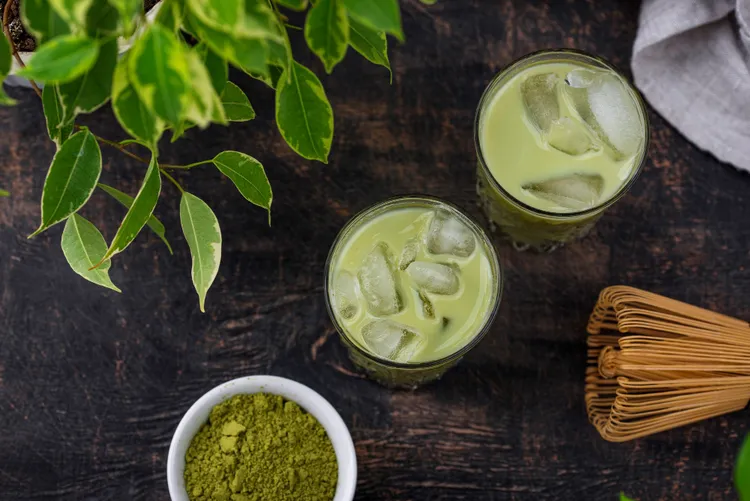
Most people make iced matcha the obvious way: whisk the powder with hot water, pour it over ice, add cold milk. The result is good - sometimes very good. But it is not the same as cold brew matcha.
Cold brew matcha is what happens when you give the powder time instead of heat. Instead of dissolving matcha in hot water and shocking it with ice, you dissolve it directly in cold water and let it steep slowly - for anywhere from thirty minutes to overnight. The result is a drink that is noticeably, meaningfully different from standard iced matcha: smoother on the palate, less bitter, more umami-forward, and so vividly green it looks almost backlit.
Once you've made it this way, the hot-then-cold method starts to feel like a compromise.
Cold brew rewards good powder. Because there's no heat to mask or mellow anything, the quality of your matcha is fully exposed. This is one preparation where investing in a mid-grade or ceremonial matcha makes a visible, tasteable difference. See Matcha 101: Why Not All Green Powders Are Created Equal and The Best Matcha Powders of 2025, Ranked before you start.
Why Cold Brew Matcha Tastes Different
Understanding why cold brew works differently helps you appreciate what you're making - and troubleshoot if something goes wrong.
Heat Changes the Chemistry
When matcha meets hot water, several things happen simultaneously. Catechins - the antioxidant compounds that contribute bitterness - extract rapidly and aggressively at high temperatures. Some of the more volatile flavor compounds evaporate. The chlorophyll that gives matcha its vivid color begins to break down almost immediately.
Cold water extracts more slowly and selectively. At low temperatures, the extraction of bitter catechins is significantly reduced, while the sweeter, more umami-forward compounds - glutamates, L-theanine, and certain sugars - remain proportionally more present. The result is a flavor profile that is rounder, gentler, and more complex than the same powder prepared with hot water.
Color Is Preserved
Chlorophyll, the compound responsible for matcha's vivid green color, is heat-sensitive. Even at 75°C - the temperature we recommend for whisked matcha - some degradation occurs. In cold brew, chlorophyll is preserved almost completely. Cold brew matcha has a color that is noticeably more vivid and electric than hot-prepared matcha that's been chilled - a difference that becomes obvious when you hold the two side by side.
L-Theanine Is Maximally Preserved
L-theanine - the amino acid responsible for matcha's calm, focused energy - is water-soluble and extracts readily at both hot and cold temperatures. However, some research suggests that cold extraction may preserve L-theanine more completely than hot preparation, where some degradation occurs. The practical upshot: cold brew matcha may deliver more of the calm focus effect per serving than hot-prepared iced matcha.
The Cold Brew Method: Step by Step
What You Need
- Ceremonial or mid-grade matcha - 2-3g per 200ml serving (slightly more than a hot latte, because cold extraction is less efficient)
- Cold filtered water - filtered water makes a meaningful difference here; chlorine in tap water can interact with matcha's delicate compounds
- A jar or bottle with a lid
- A fine mesh sieve or matcha sifter
- A small whisk, frother, or cocktail shaker for initial mixing
- Time - minimum 30 minutes, ideally 2-4 hours, optionally overnight
Method 1: The Quick Cold Brew (30-60 Minutes)
The fastest version - ready in under an hour, still noticeably smoother than standard iced matcha.
Step 1: Pre-mix the matcha Sift 2-3g of matcha into a small bowl or directly into your jar. Add 2 tablespoons of cold water. Using a small whisk or electric frother, work the matcha and water into a smooth paste. This pre-mixing step is the most important part of any cold brew method - matcha does not dissolve readily in cold liquid, and without this step you'll have floating clumps that never fully integrate.
Work the paste for a full 60 seconds, pressing any remaining lumps against the side of the bowl with the back of a spoon or whisk until completely smooth.
Step 2: Add remaining water Add 200ml of cold filtered water to the paste and stir or shake gently until combined. The mixture should be uniformly green with no visible powder.
Step 3: Chill Seal the jar and refrigerate for 30-60 minutes. The matcha continues to dissolve and integrate during this time.
Step 4: Serve Pour over ice. Add milk, sweetener, or enjoy straight - see serving options below.
Method 2: The Slow Cold Brew (2-12 Hours)
The version that produces the most remarkable results. The extended extraction time gives the matcha's compounds more time to fully dissolve and integrate, producing a drink of exceptional smoothness and complexity.
Step 1: Make the paste Exactly as above - sift matcha into a jar, add 2 tbsp cold water, work into a completely smooth paste.
Step 2: Scale up the water For a slow cold brew you'll want to make a slightly larger batch - 4-6g matcha to 400–600ml water is ideal. The slow cold brew keeps for 36 hours in the fridge and actually improves over the first 12 hours.
Step 3: Add water and stir Add cold filtered water to the paste and stir thoroughly to combine. Seal the jar.
Step 4: Refrigerate Leave in the fridge for 2-12 hours. Overnight is ideal - make it before bed, wake up to the best matcha you've ever had waiting in your fridge.
Step 5: Stir before serving Give it a gentle stir before pouring - some very fine settling can occur over long steeps. Pour over ice and serve as desired.
Method 3: The Cold Brew Concentrate
A slightly different approach - make a very concentrated cold brew that you dilute to taste. This is the most versatile method because the concentrate can be used for drinks, lattes, and even as a flavor base for matcha overnight oats or smoothie bowls.
Ratio: 8-10g matcha per 100ml cold water Steep time: 4-8 hours in the fridge Storage: Up to 5 days refrigerated in a sealed jar Use: Dilute 1:4 to 1:6 with cold water, milk, or sparkling water
The concentrate is particularly useful for meal prep - make a batch on Sunday and you have matcha ready to use in drinks and recipes all week without measuring every day.
Ratios & Timing: Quick Reference
| Method | Matcha | Water | Time | Best For |
|---|---|---|---|---|
| Quick cold brew | 2-3g | 200ml | 30-60 min | Same-day drinking |
| Slow cold brew | 4-6g | 400-600ml | 2-12 hrs | Batch prep, best flavor |
| Overnight | 2-3g | 200ml | 8-12 hrs | Morning-ready, max smoothness |
| Concentrate | 8-10g | 100ml | 4-8 hrs | Versatile, week-long use |
Serving Options
Cold brew matcha is versatile in a way that standard iced matcha isn't - its smoothness and lower bitterness mean it works well straight, which most iced matcha does not.
Straight Over Ice
Pour your cold brew directly over ice in a glass. No milk, no sweetener. If you've used good ceremonial or mid-grade matcha, this is the preparation that most clearly shows what the powder is capable of. The flavor is clean, sweet, and long-finishing in a way that's genuinely surprising if you've only ever had hot matcha or milk-based lattes.
Cold Brew Matcha Latte
Pour cold brew matcha over ice, then add cold frothed oat milk in a slow stream - holding the matcha and milk in distinct layers before they slowly swirl together. Exactly the technique used in our Matcha Rose Latte but simpler. A splash of vanilla syrup or honey rounds out the sweetness beautifully.
Cold Brew Matcha Tonic
Pour cold brew matcha over ice in a tall glass, then top with premium tonic water. The effervescence and slight bitterness of tonic interact with the umami of the matcha in a way that's complex and refreshing - almost like a non-alcoholic cocktail. Add a slice of yuzu or lemon and a sprig of mint. One of our favourite summer drinks.
Cold Brew Sparkling Matcha
Similar to the tonic version but with plain sparkling water - lighter, less sweet, more refreshing. This is the iced drink for people who find matcha lattes too rich. The carbonation lifts the matcha's flavor and keeps it bright and clean on the palate.
Cold Brew Matcha Lemonade
Combine cold brew matcha with freshly squeezed lemon juice, honey, and sparkling water. The acidity of lemon cuts through the matcha's umami beautifully - bright, sharp, and enormously thirst-quenching. Essential summer drinking. Related: our Sparkling Matcha Lemonade uses this same combination.
Cold Brew Matcha Horchata
Combine cold brew matcha with cold oat milk that's been sweetened with cinnamon syrup (cinnamon sticks simmered in simple syrup, cooled). The warm spice of cinnamon against the cool, earthy matcha is unexpected and wonderful. A drink that bridges Japanese and Mexican traditions in one glass.
6 Flavor Add-Ins Worth Trying
Once you have the cold brew base, the possibilities are genuinely endless. These are our favourite additions:
Vanilla: A splash of vanilla extract or half a vanilla pod scraped into the cold brew during steeping. Rounds and sweetens without adding sugar.
Ginger: A few thin slices of fresh ginger added to the jar during the cold brew steep. The ginger infuses gently into the matcha, adding a warm, slightly spicy note that works beautifully with the earthiness of the tea.
Cardamom: Two crushed cardamom pods steeped with the matcha. Floral, aromatic, and a natural pairing with matcha - the same combination we use in our Matcha Rose Latte with Cardamom variation.
Mint: A handful of fresh mint leaves steeped in the cold brew for 2-4 hours. Light and refreshing - the mint version is particularly good with sparkling water and a squeeze of lime.
Coconut water: Replace the filtered water entirely with cold coconut water. The natural sweetness and electrolytes of coconut water pair seamlessly with matcha. A particularly good post-workout drink - for more on this, see Matcha for Workout Recovery.
Rose water: Add ½ tsp of rose water to your cold brew before refrigerating. The result is a cold brew version of the Matcha Rose Latte - floral, delicate, and beautiful.
Cold Brew vs. Standard Iced Matcha: Side by Side
| Cold Brew Matcha | Standard Iced Matcha | |
|---|---|---|
| Color | More vivid, electric green | Slightly duller after ice contact |
| Bitterness | Lower - smooth and rounded | More present |
| Sweetness | Higher - more umami-forward | Less pronounced |
| Texture | Silkier | Slightly rougher |
| Prep time | 30 min–overnight | 5 minutes |
| Best for | Drinking straight, nuanced flavor | Quick preparation |
| L-Theanine | Maximally preserved | Good but slightly reduced |
| Effort | Low (mostly waiting) | Low (mostly technique) |
The honest answer: cold brew is better for flavor, standard iced matcha is better for speed. On a weekday morning when you need something in five minutes, standard iced matcha is the right choice. On a weekend when you have time to prepare and want the best possible glass - cold brew.
The ideal solution, of course, is to make the cold brew the night before. Then you get both.
Storing Cold Brew Matcha
Cold brew matcha keeps in the fridge for up to 36 hours before the flavor begins to change noticeably. After 36 hours, the catechins continue extracting and bitterness gradually increases - the drink is still good, but it loses the smoothness that makes cold brew special.
For longer storage, the concentrate method is best - up to 5 days, diluted to order.
Never freeze cold brew matcha. Freezing disrupts the emulsion and the thawed result is grainy and separated, with the matcha falling out of suspension. Freeze the powder in its tin instead and follow proper storage guidelines.
Troubleshooting
My cold brew is clumpy: The pre-paste step wasn't thorough enough. Next time, spend a full 60 seconds working the matcha and initial water into a completely smooth paste before adding more water. If your current batch has clumps, strain through a fine mesh sieve before serving.
My cold brew is too bitter: Either the matcha grade is too low (culinary grade is much more bitter than ceremonial in a cold brew context), or you've steeped for too long. Reduce steeping time or upgrade your matcha. See Why Does My Matcha Taste Bitter? for the full diagnostic guide.
My cold brew is too weak: Increase the matcha ratio - try 3g per 200ml instead of 2g. Cold extraction is less efficient than hot, so you need slightly more powder. Also check your powder isn't stale or oxidized - see Matcha Storage Guide.
The layers aren't separating when I pour it as a latte: For the layered effect, the cold brew needs to be very cold and the milk needs to be poured slowly over a spoon - the technique is explained in full in the Matcha Rose Latte guide.
Pro Tips
- Filter your water. The difference between filtered and unfiltered tap water in a cold brew - where there's nothing to mask off-flavors - is genuinely noticeable. A basic water filter is one of the best investments for anyone who drinks matcha daily.
- Use a wide-mouthed jar. Easier to whisk the paste, easier to stir, easier to clean. The standard mason jar is ideal.
- Label with the time. When you put the jar in the fridge, note the time on a piece of tape. It's easy to forget, especially for overnight batches.
- Keep a batch going. Once you're in the cold brew habit, start a new batch as soon as the previous one runs low. There's always cold brew matcha ready - it becomes as automatic as keeping milk in the fridge.
- Temperature of the water matters. Ice-cold water (from the fridge or with ice cubes) dissolves the paste more slowly than cool tap water. For the quick cold brew method, cool tap water (around 15°C) gives better initial dissolution before refrigerating.
FAQ
Q: Can I make cold brew matcha without refrigerating it?
At room temperature, cold brew matcha steeps too fast and the catechins extract more aggressively, losing the smoothness that makes cold brew special. Always refrigerate. A minimum of 30 minutes in a cold fridge is significantly better than 30 minutes at room temperature.
Q: Does cold brew matcha have less caffeine?
Cold extraction is less efficient than hot extraction, so cold brew matcha may have slightly less caffeine than the same powder prepared with hot water. The difference is modest - probably 10-20% less caffeine. The L-theanine content is well-preserved regardless.
Q: Can I cold brew matcha in milk instead of water?
Yes - this produces an extraordinarily creamy, smooth result. Use cold oat milk or full-fat dairy, pre-dissolve the paste with 2 tbsp of water first (milk alone is too thick to dissolve the paste), then add the milk. Steep for 2-4 hours. The result is a cold brew matcha latte without any dilution step required.
Q: Is cold brew matcha better than hot matcha for health benefits?
Both preparations deliver matcha's key compounds effectively. Cold brew may preserve chlorophyll and L-theanine more completely, while hot preparation may extract certain other compounds more efficiently. For practical purposes, the difference is modest - drink whichever preparation you enjoy most and drink it consistently. See Matcha & Gut Health: What the Research Actually Says for more on the health evidence.
Q: What's the best matcha for cold brew?
Ceremonial or mid-grade matcha from a named Japanese origin - Uji or Nishio are ideal. The smooth, sweet, umami profile of good ceremonial matcha is most apparent in cold brew because nothing is masked by heat or dairy. See Inside Japan's Matcha Belt for a regional guide and Best Matcha Powders of 2025, Ranked for specific recommendations.
🔗 Continue Exploring
- The Perfect Matcha Latte - the classic warm version
- Matcha Rose Latte - cold brew base meets rose and milk
- Matcha Overnight Oats - use your cold brew concentrate in breakfast
- Why Does My Matcha Taste Bitter? - troubleshooting guide
- Matcha Storage Guide - protect your powder
- L-Theanine: The Science Behind Matcha's Calm Energy
- Matcha & Gut Health: What the Research Actually Says
- Inside Japan's Matcha Belt: Uji, Nishio & Kagoshima
- Matcha 101: Grades Explained
- The Ultimate Matcha Guide
Latest