Why Does My Matcha Taste Bitter? 6 Fixes That Actually Work
Every common matcha problem, diagnosed and solved
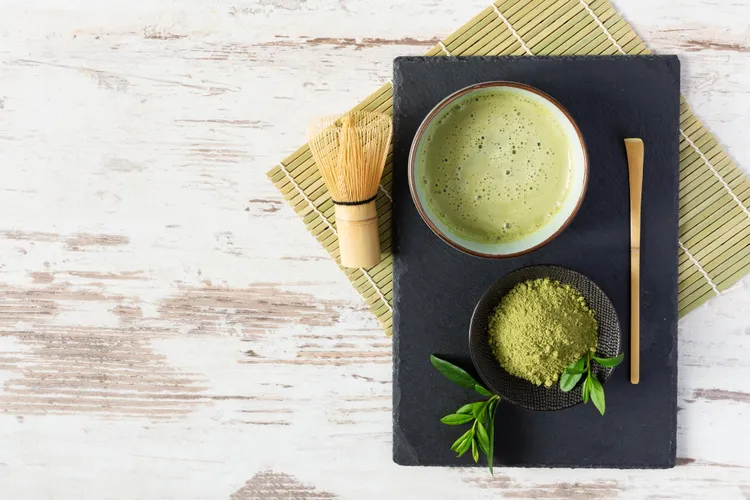
You've heard that great matcha is sweet, smooth, and umami-rich. You've read that bitterness means something went wrong. And yet - your matcha is bitter. Noticeably, unpleasantly, sometimes surprisingly bitter.
Here's the good news: bitter matcha is almost always the result of something fixable. In most cases, it's not the matcha - it's the preparation. And even when the powder itself is the problem, knowing that helps you shop smarter next time.
Let's fix it.
Also useful: The Complete Matcha Tasting Guide - once you've fixed the bitterness, this will help you appreciate everything else in the cup.
Fix 1: Your Water Is Too Hot (The Most Common Culprit)
This is responsible for the majority of bitter matcha complaints, and it's the easiest fix in the world.
Matcha contains catechins - antioxidant compounds that taste bitter and astringent. At high temperatures, catechins extract rapidly and aggressively. Boiling water essentially force-extracts every bitter compound in the powder simultaneously.
The fix: Use water at 70-80°C (158-176°F). If you don't have a temperature-controlled kettle:
- Boil water and let it sit for 3-5 minutes (drops to roughly 80°C)
- Or pour boiled water into your bowl first, swirl, pour out, and then add your matcha (this cools the bowl and the water slightly)
This single change transforms more bitter matcha cups than any other adjustment. Try it before anything else.
Fix 2: You're Using Too Much Powder
More powder does not mean more flavor - it means more bitterness. Matcha is highly concentrated. A little goes a long way.
The standard ratio: 1-1.5g of matcha per 60-80ml of water for usucha (thin matcha). That's roughly one level chashaku or just under half a teaspoon.
If you've been eyeballing a heaped teaspoon, you're likely using 3-4g - two to three times the recommended amount.
The fix: Weigh your matcha. A small kitchen scale takes the guesswork out entirely. See The Best Matcha Tools Guide for our recommended setup.
Fix 3: Your Matcha Is Low Quality or the Wrong Grade
Some bitterness is inherent to lower-quality matcha and can't be whisked away. Culinary grade matcha - designed for baking and cooking - is intentionally more robust and bitter than ceremonial grade, because it needs to stand up to other strong flavors. It's not a great choice for drinking straight.
Similarly, matcha with no listed origin, vague "premium" claims, and a low price is often made from later-harvest, lower-grade leaves that are naturally more bitter.
The fix: Use ceremonial grade matcha from a reputable source for drinking. See Matcha 101: Why Not All Green Powders Are Created Equal and our Best Matcha Powders of 2025, Ranked for recommendations.
Fix 4: Your Matcha Is Old or Oxidized
Matcha degrades rapidly after opening, and oxidized matcha tastes noticeably more bitter and flat than fresh matcha. The vivid sweetness and umami of fresh matcha are the first things to go.
Signs of oxidized matcha:
- Color has shifted from vivid green to olive or yellow-brown
- Aroma is flat, grassy, or faintly musty
- Flavor is one-dimensionally bitter with no sweetness
The fix: Store matcha in an airtight, opaque container in the fridge and use within 4-6 weeks of opening. Full protocol in our Matcha Storage Guide.
If your matcha is already oxidized, it's still usable - just not for drinking ceremonially. Use it in smoothies or baked goods where other flavors compensate.
Fix 5: You're Not Sifting
Unsifted matcha forms clumps that don't fully dissolve when whisked. These clumps concentrate powder in some areas of the cup, creating pockets of intense bitterness - even when the overall powder ratio is correct.
The fix: Always sift your matcha through a fine mesh sifter before adding water. It takes 20 seconds and makes a measurable difference in both texture and flavor distribution.
Fix 6: Poor Whisking Technique
Under-whisked matcha doesn't fully emulsify - the powder and water remain partially separated, creating a heavy, almost muddy texture and concentrated bitterness at the bottom of the bowl.
The fix: Whisk with a bamboo chasen using a rapid W-motion (not circular) for 30-40 seconds, keeping the wrist loose and moving quickly. The goal is a fine, uniform foam across the entire surface. See our step-by-step How to Whisk Matcha guide for the full technique with visuals.
Quick Diagnosis Checklist
| Problem | Most Likely Cause |
|---|---|
| Bitter from the first sip | Water too hot, or too much powder |
| Bitter at the bottom of the cup | Under-whisking |
| Bitter AND dull/flat flavor | Oxidized or old matcha |
| Bitter despite correct technique | Wrong grade (culinary used for drinking) |
| Gritty AND bitter | Not sifting, or very low quality powder |
When Nothing Works: Embrace the Latte
If you've tried all of the above and the bitterness is still strong, the honest answer might be that straight matcha just isn't for you right now - and that's completely fine. A well-made matcha latte with oat milk and a touch of honey is a genuinely delicious alternative that balances the bitter notes beautifully. Many devoted matcha drinkers started with lattes and worked their way to straight matcha over time.
🔗 Continue Exploring
Latest