Stock from Scratch: Chicken, Beef, Vegetable, and Bone Broth
What makes stock different from water, the role of collagen, why roasting bones matters, and four essential recipes
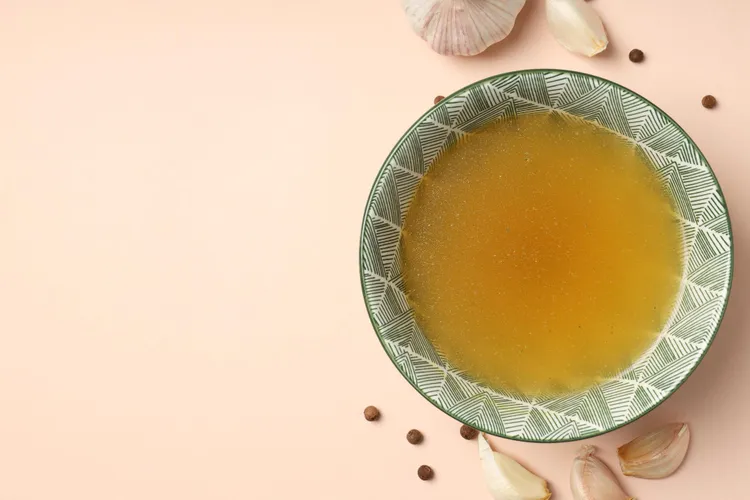
Stock is the most foundational liquid in cooking - more foundational than olive oil, more useful than wine, more impactful than any individual spice or herb. A risotto made with good chicken stock and a risotto made with water are different dishes. A pan sauce made with good beef stock and the same sauce made with water are different sauces. Stock adds flavour, body, and depth that water cannot provide because stock is not flavoured water - it is water in which dissolved proteins, gelatin, minerals, and flavour compounds have been extracted from bones, vegetables, and aromatics over an extended cooking period.
This guide covers four stocks - chicken, beef, vegetable, and bone broth - with the science behind each. It also covers the shortcuts that are almost as good as the full version, the mistakes that produce weak or bitter stock, and the storage methods that make having stock available an automatic part of cooking rather than a special project.
What Stock Is: The Science
Gelatin: The most important component of a good meat stock. Gelatin is produced when collagen - the connective tissue protein in animal bones, joints, and skin - breaks down at temperatures above 70°C. The breakdown of collagen produces gelatin, which dissolves into the cooking liquid. When cooled, a good stock sets to a jelly - the gelled structure is the visual indicator of high gelatin content. Stock with high gelatin content has body and mouthfeel that enriches every sauce and liquid it enters.
Collagen sources: The best bones for stock are those with the highest collagen content - not the meatiest bones, but the most connective-tissue-rich. For chicken: carcasses (the whole roasted carcass is ideal), wings, and feet (if available - chicken feet are among the highest-collagen parts of the chicken). For beef: knuckle bones, oxtail, short rib bones, and neck bones.
Flavour compounds: Soluble proteins, amino acids, minerals, and the Maillard products from roasted bones all dissolve into stock during cooking. A stock made from roasted bones has significantly more flavour than one made from raw bones because the roasting produces Maillard browning - the same chemistry that browns seared meat - concentrating flavour on the bone surface.
Time: Collagen breakdown requires time - minimum 4 hours for chicken, 8 hours minimum for beef (ideally 12-16 hours for maximum gelatin extraction). Vegetable stocks are an exception - they release their flavour compounds in 45-60 minutes; cooking longer produces bitterness from extracted vegetable compounds.
Recipe 1: Chicken Stock
Makes approximately 2 litres | Active time: 20 minutes | Total time: 4-5 hours
The Best Bones to Use
First choice - roasted chicken carcass: The carcass of a roasted chicken, with any remaining meat and skin. The roasting has already produced Maillard browning on the bones and skin, which translates directly into deeper stock flavour. Most households can produce a roasted carcass weekly without purchasing anything specifically for stock.
Second choice - raw chicken pieces: Wings, backs, and necks (ask a butcher or find in supermarkets). If using raw bones, roasting them first (200°C, 30 minutes until golden) significantly improves the flavour.
Avoid: Purely meaty cuts (chicken breast, thigh without bone) - they produce protein-rich liquid but little gelatin and less depth than bones. The bones and connective tissue are what make stock stock.
Ingredients
- 1-1.5kg chicken bones (one or two carcasses, or equivalent in wings and backs)
- 2 medium onions, quartered (no need to peel)
- 3 medium carrots, roughly chopped
- 3 sticks celery, roughly chopped
- 1 head of garlic, halved across the equator (no need to peel)
- 2 bay leaves
- 10 black peppercorns
- Small bunch of fresh thyme (or 1 tsp dried)
- Small bunch of parsley stalks (the stalks, not the leaves - leaves make the stock green)
- Cold water - enough to cover by 5cm
Method
Step 1 - Optional: Roast the bones If using raw bones, spread on a roasting tin and roast at 200°C for 25-30 minutes until golden. This step dramatically improves stock flavour and is worth the extra time. Skip if using a previously roasted carcass.
Step 2 - Cold water start Place the bones in a large stockpot. Cover with cold water - cold water is important here because it extracts impurities gradually. If the bones were started in hot water, the proteins would coagulate quickly and trap impurities inside, producing a cloudy stock.
Step 3 - Blanching (for clearer stock, optional) Bring to a boil. You will see grey foam rising to the surface - these are impurities being released from the bones. Drain, rinse the bones under cold water, and refill the pot with fresh cold water. This blanching step produces a clearer stock. Skip for a more flavourful but cloudier result.
Step 4 - Add aromatics Add all vegetables, garlic, herbs, and peppercorns. Bring to a gentle simmer over medium heat.
Step 5 - Simmer Maintain a gentle simmer - not a boil. A rolling boil emulsifies fat and proteins into the liquid, producing a cloudy, slightly greasy stock. A gentle simmer (small bubbles rising occasionally, stock barely moving) extracts gelatin and flavour while keeping the stock clear. Skim any foam from the surface in the first 30 minutes.
Simmer for 4-5 hours. The stock will reduce somewhat - don't top up with more water (this dilutes the concentration).
Step 6 - Strain and cool Strain through a fine-mesh sieve into a large bowl. Discard the solids. Allow to cool to room temperature, then refrigerate.
Step 7 - Degrease Once cold, the fat will have solidified on the surface in a pale, solid layer. Lift it off and discard (or save for roasting potatoes). The stock beneath should be a pale golden colour with a jelly-like consistency when cold - this indicates high gelatin content.
Recipe 2: Beef Stock
Makes approximately 2 litres | Active time: 30 minutes | Total time: 8-12 hours
The primary difference from chicken stock: beef bones require roasting (mandatory, not optional - raw beef bones produce a weak, pallid stock with little flavour), and the cooking time is significantly longer (minimum 8 hours, ideally 12-16 for full collagen extraction).
Ingredients
- 2kg beef bones (knuckle, oxtail, neck - the more connective tissue the better)
- 200g beef shin or brisket (optional - adds colour and flavour, not essential)
- 2 large onions, halved (unpeeled - the skin adds colour)
- 3 carrots, roughly chopped
- 4 sticks celery, roughly chopped
- 1 head garlic, halved
- 2 tbsp tomato purée - adds colour and depth through additional Maillard browning when roasted
- 250ml red wine - added during roasting to deglaze the tray and incorporate Maillard products
- 2 bay leaves, 10 peppercorns, thyme
Method
Roast the bones: Spread bones and beef shin (if using) in a large roasting tin. Roast at 220°C for 45-60 minutes, turning once, until deep mahogany brown on all surfaces. This is essential - the browning is the flavour.
Add the vegetables: Add the onions (cut-side down directly on the tin), carrots, and celery around the bones. Add the tomato purée, dotting it across the bones and vegetables. Return to the oven for 15-20 more minutes until the vegetables are coloured.
Deglaze: Remove the tin from the oven. Place on the hob over medium heat. Add the red wine and scrape the fond from the base of the tin - this dark, concentrated Maillard product is the foundation of the stock's flavour.
Transfer to stockpot: Add everything - bones, vegetables, wine, and all the deglazed fond - to a large stockpot. Cover with cold water by 5cm.
Simmer 8-16 hours over the lowest heat possible - barely a bubble. The long, slow extraction is what produces a deeply flavoured, gelatine-rich beef stock. A slow cooker on low for 12-16 hours is ideal.
Strain, cool, and degrease as with the chicken stock. Good beef stock will be very dark and will set to a firm jelly when cold - significantly firmer than chicken stock.
Recipe 3: Vegetable Stock
Makes approximately 1.5 litres | Active time: 15 minutes | Total time: 1 hour
Vegetable stock is different from meat stock in two important ways: it has no collagen (and therefore no gelatin, no body) and it can over-extract rapidly, becoming bitter if cooked too long.
Ingredients
- 2 onions, quartered
- 3 carrots, chopped
- 4 sticks celery, chopped
- 1 leek, roughly chopped
- 4 mushrooms (or a handful of dried porcini) - adds savoury depth (glutamates)
- 4 garlic cloves, halved
- 2 tomatoes, quartered - adds acidity and body
- Bay leaves, peppercorns, thyme, parsley stalks
- Cold water to cover
Vegetables to avoid: Brassicas (cabbage, broccoli, Brussels sprouts) - they produce a sulphurous bitterness in stock. Potatoes - they produce a starchy, cloudy stock. Beetroot - it turns the stock red and produces an earthy flavour that dominates everything.
Method
Place all vegetables in a large pot. Cover with cold water. Bring to a simmer. Simmer for 45-60 minutes only - no longer. Taste at 45 minutes: the stock should be flavourful and clear. At 90 minutes, it becomes bitter from over-extracted vegetable compounds.
Strain, cool, and use. Vegetable stock doesn't set to a jelly when cold (no collagen/gelatin) - it remains liquid.
The roasted vegetable approach: Roast the vegetables (onion, carrot, tomato, garlic) at 200°C for 30-35 minutes until golden before adding to the pot. The roasted vegetable stock has significantly more depth and colour than the raw version - the Maillard browning on the vegetable surface adds complexity.
Recipe 4: Bone Broth
Makes approximately 1.5 litres | Active time: 20 minutes | Total time: 16-24 hours
Bone broth is chicken or beef stock with a longer cooking time, designed for maximum collagen extraction. Nutritionally and culinarily it is an extension of the stock concept rather than a categorically different product - but the longer cooking extracts more gelatin and minerals, producing a more concentrated, richer liquid with a more pronounced gel when cold.
Key Differences from Standard Stock
- Acid addition: Add 2 tbsp of apple cider vinegar to the water before heating. The acidic environment is claimed to help break down collagen and extract minerals more efficiently. The evidence for significantly improved mineral extraction is modest, but the small amount of vinegar is undetectable in the finished broth.
- Longer cooking: 16-24 hours on the lowest possible simmer. A slow cooker on the lowest setting is ideal for this.
- Higher bone-to-water ratio: Use slightly less water than for stock to produce a more concentrated result.
The finished bone broth should set to a very firm jelly - almost solid when cold. This indicates very high gelatin content.
Stock Storage
Refrigerator: Up to 5 days. The fat layer on the surface of cold stock acts as a natural preservative - leave it in place until you are ready to use the stock, then remove it.
Freezer (the recommended approach): Stock freezes perfectly for up to 6 months. Freeze in portions:
- Ice cube trays for small quantities (1-2 tbsp for deglazing or finishing a sauce)
- 250ml and 500ml containers for recipe quantities
- Zip-lock bags laid flat (save space and thaw faster)
Having frozen stock available in specific quantities means adding stock to any preparation takes seconds - which dramatically changes how often you use it.
Reduction for storage: Reduce stock by 50-75% to produce a demi-glace (for beef) or glace de volaille (for chicken) - a thick, intensely flavoured paste. A tablespoon of this concentrated stock adds the depth of a cup of stock. Freeze in ice cube trays. These concentrated cubes are the most space-efficient way to store stock.
The Shortcut That Is Almost as Good
A good-quality shop-bought stock or stock pot is significantly better than water in any recipe where stock is called for. The best shop-bought stocks (fresh stocks in the refrigerated section, or quality concentrated stock pots) are acceptable alternatives in most applications. They lack the gelatin of a homemade stock - they don't set to a jelly - which means pan sauces made with them have slightly less body. But the flavour contribution is real and significant.
Recommended brands and forms: Fresh stock (refrigerated section) is best. Concentrated stock pots are acceptable. Powdered stock is the least good - use it only when nothing else is available, diluted slightly less than the packet suggests.
Pro Tips
- Cold water start, always. Starting bones in cold water allows impurities to release gradually into the water as the temperature rises. Starting in hot water traps them in the bones and produces cloudier, more bitter stock.
- Never boil vigorously. A rolling boil emulsifies the fat into the liquid (exactly the opposite of what you want), producing a cloudy, greasy stock. The surface should barely move - a gentle shimmer and occasional small bubble.
- Don't salt the stock. Stock is a base ingredient - seasoning at this stage makes it impossible to use in reduced-sauce applications (where salt concentrates). Season the finished dish instead.
- Unpeeled onion skins add colour. The brown outer skins of an onion add a golden-amber colour to chicken stock. For a paler stock (for pale cream sauces), peel the onions.
The Biggest Stock Mistake: Adding Too Much Water More water does not produce more stock - it produces weaker stock. The flavour compounds, gelatin, and Maillard products extracted from bones and vegetables are finite. Covering bones with 5cm of water is the standard, and allowing the stock to reduce during cooking concentrates it. Adding more water mid-cooking dilutes the stock being built. Start with the correct water-to-bone ratio and resist topping up.
FAQ
Q: My chicken stock doesn't set to a jelly when cold. What went wrong?
Either the bones were too meaty (not enough collagen) or the cooking time was too short. Chicken feet are the single highest-collagen component - adding 2-3 chicken feet (available from Asian butchers and many supermarkets) to any chicken stock dramatically increases the gelatin content. Alternatively, add the chicken feet to the stockpot from the start of cooking.
Q: Can I make stock in a pressure cooker?
Yes - a pressure cooker produces excellent chicken stock in 2-3 hours rather than 4-5. Beef stock improves significantly in a pressure cooker - 3-4 hours produces comparable gelatin extraction to 12 hours of gentle simmering. The increased pressure raises the cooking temperature above 100°C, accelerating collagen breakdown. The stock may be slightly cloudier than slow-simmered stock due to the more vigorous extraction.
Q: What is the difference between stock and broth?
In classical usage: stock is made primarily from bones (with or without meat, emphasis on gelatin extraction) and is unseasoned; broth is made primarily from meat (emphasis on flavour extraction) and is typically seasoned. In modern usage the terms are used interchangeably. For cooking purposes, both are appropriate; the gelatin content (indicating collagen extraction from bones) is the more meaningful quality indicator.
🔗 Use Your Stock
- How to Make a Pan Sauce: Four Steps to Restaurant Flavour
- How to Make a Roux: The Foundation of French Sauces
- One-Pot Beef Stew - One-Pan collection
- How to Caramelise Onions Properly (It Takes 40 Minutes)
- The Art of Seasoning: Salt, Acid, Fat, and Heat
- Knife Skills & Kitchen Techniques: The Complete Guide
Latest